San Francisco's Prop C Homeless Measure Passed ー And Not Everyone in Tech is Happy
*By Chloe Aiello*
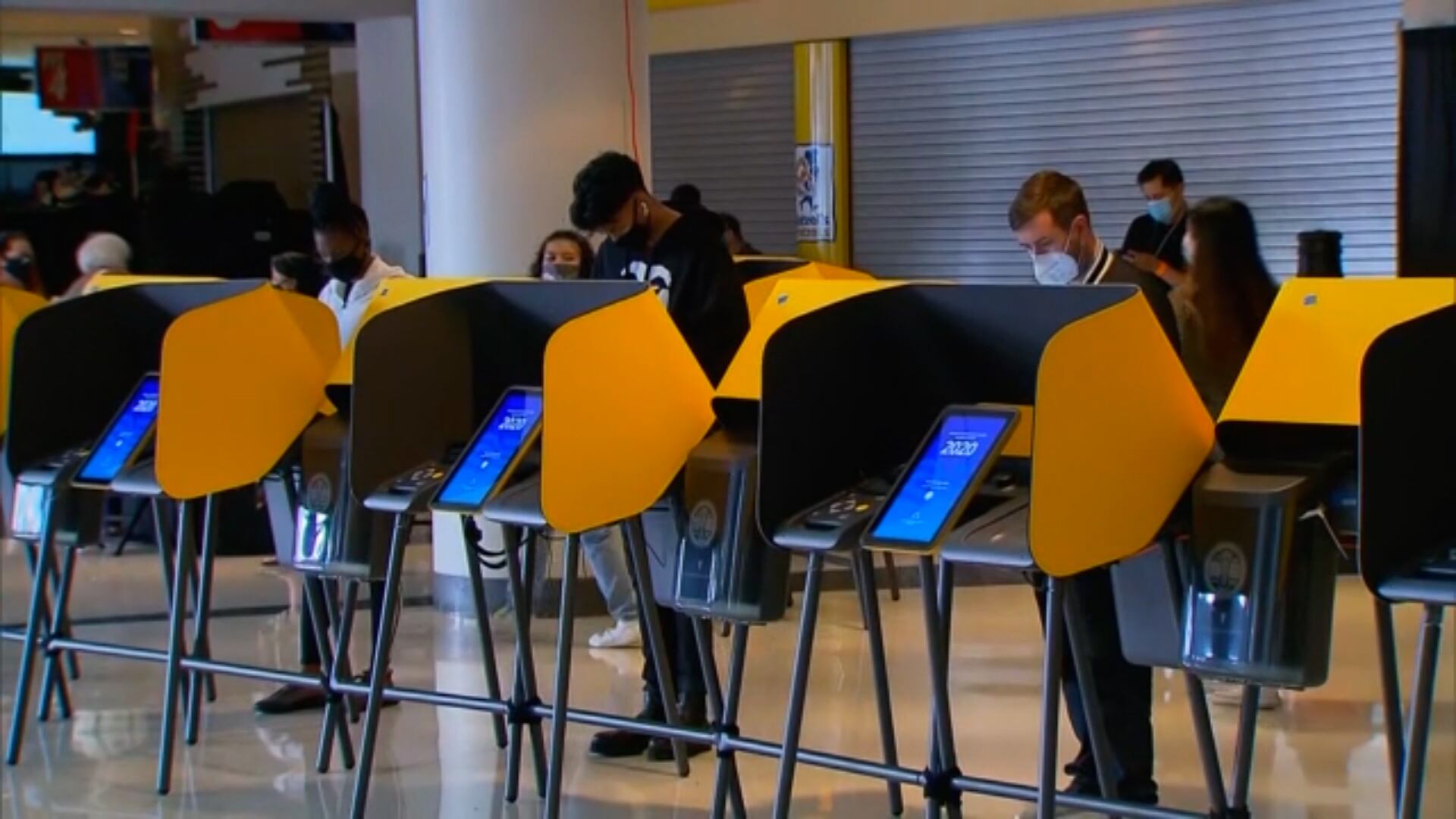
Voters in San Francisco gave overwhelming support on Tuesday to a measure that would tax big tech for the sake of the homeless.
And not everyone in the Silicon Valley stronghold is happy.
Proposition C, or the “Our City, Our Home” initiative, was easily the most controversial issue on the city's ballot. It proposed a tax on revenue over $50 million ー which would hit about the top 1 percent of corporations ー to help mitigate San Francisco's homeless problem. More than 7,000 people in San Francisco experience homelessness ー a stark contrast to the wealth the tech industry has generated for its own.
San Francisco has a "median home price \[of\] $1.6 million, the third most billionaires of any city in the world and one of the most dismaying homeless problems that a U.N. Special Rapporteur last year compared to Bangladesh," Scott Wilson, senior national correspondent at the Washington Post, who has covered the story, told Cheddar on Wednesday.
"I think there's a real disconnect between what the public wants to see and what the political class is willing to do especially in trying to avoid irritating tech leaders," he added.
The proposition's 10-point list includes efforts to provide more mental health and addiction treatment centers, place sanitation centers and mobile bathrooms on the streets, and expand homeless shelters, among other things.
Salesforce ($CRM) CEO Marc Benioff has been one of the initiative's most vocal cheerleaders ー although his company will surely be hit by the proposed tax.
"Prop C’s victory means the homeless will have a home & the help they truly need! Let the city come together in Love for those who need it most! There is no finish line when it come to helping the homeless. Thank you amazing supporters of Prop C," Benioff [gushed on Twitter](https://twitter.com/Benioff/status/1060060365193539584), following Prop C's victory.
He even reportedly poured about $7 million of his own and his company's money into the campaign, billing homelessness as the responsibility of technology companies that have brought jobs and wealth to the city, while also widening wage gaps and driving up property values.
But not all bigwigs in big tech seem to agree. Jack Dorsey, CEO of Twitter ($TWTR) and Square ($SQ), spoke out against the proposition ー much to Benioff's ire. The two tech elites exchanged arguments about the issue on social media in mid-October.
"I want to help fix the homeless problem in SF and California. I don’t believe this (Prop C) is the best way to do it," [Dorsey wrote](https://twitter.com/jack/status/1050780155524857856) on the platform he co-founded.
"I think that Benioff probably has his hand a little bit closer to the pulse of San Francisco and the people who live there than Jack Dorsey. I mean there is a real frustration, a real concern and a real compassion fatigue among San Francisco residents," Wilson said.
Dorsey wasn't alone. Legislators, including Mayor London Breed ー who has vowed to address homelessness ー spoke out against the proposition, which Wilson said just reinforces big tech's influence on the city.
"I think what it showed is that big tech still has a big sway over political power in San Francisco and that there's no coherent solution in city hall on how to solve the homeless problem ー and yet voters in approving it are demanding that something be done," he said.
For now, the proposition hangs in legal limbo. It did not pass with a full two-thirds legislative majority, which leaves it open to legal challenges from opponents.
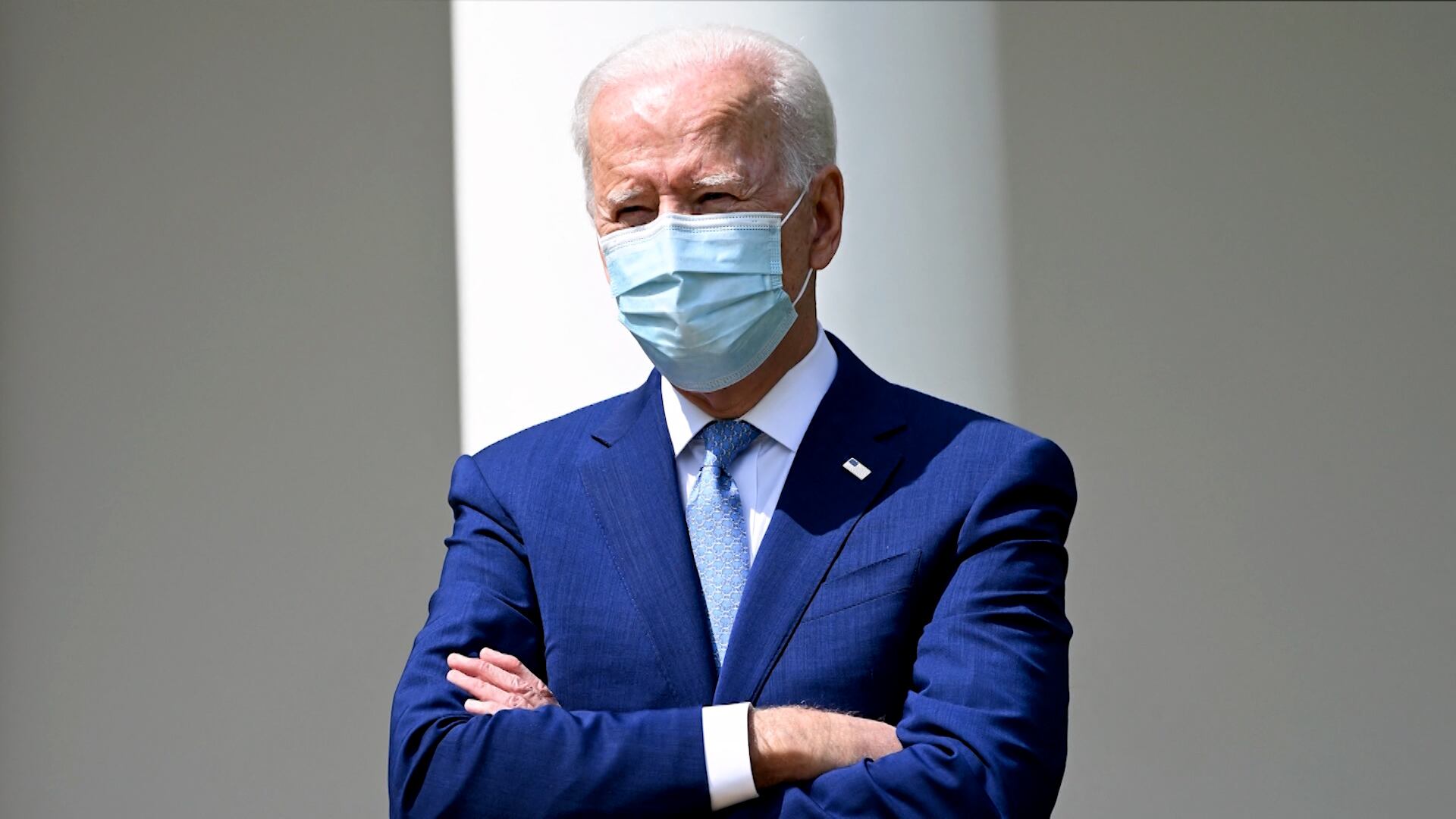
President Joe Biden's first year in office is wrapping up. What has he achieved, and what else remains on the table while the Democrats have control of Washington? Amid an ongoing pandemic and rising inflation, Biden's approval rating is at an all-time low and his party is plagued by infighting. Will he be able to continue pushing key parts of his agenda? Paul Glastris, former Bill Clinton speechwriter & Editor-in-chief of 'Washington Monthly,' joins Cheddar News' Closing Bell to discuss the president's achievements in his first year, where he's fallen short, and what he must do in order to get more of his agenda signed into law.
Tech giants Meta, Amazon, Alphabet, and Apple are faced with a bipartisan antitrust legislation effort underway in the Senate Judiciary Committee. The companies stand accused of promoting their own goods and services over smaller competitors on their platforms, holding too much monopolistic power via their app stores and services. Adam Kovacevich, founder and CEO of Chamber of Progress, a technology industry trade group, joined Cheddar to argue that the bills that are being debated currently could end up hurting consumers, rather than helping.
Concerns over inflation have become one of the biggest worries for executives. A survey from The Conference Board shows that more than 900 CEOs consider inflation a top tier concern, a major shift from last year's survey that had it as a low-level concern. Rebecca Ray, Executive Vice President, Human Capital, The Conference Board joined Cheddar's Opening Bell for more.
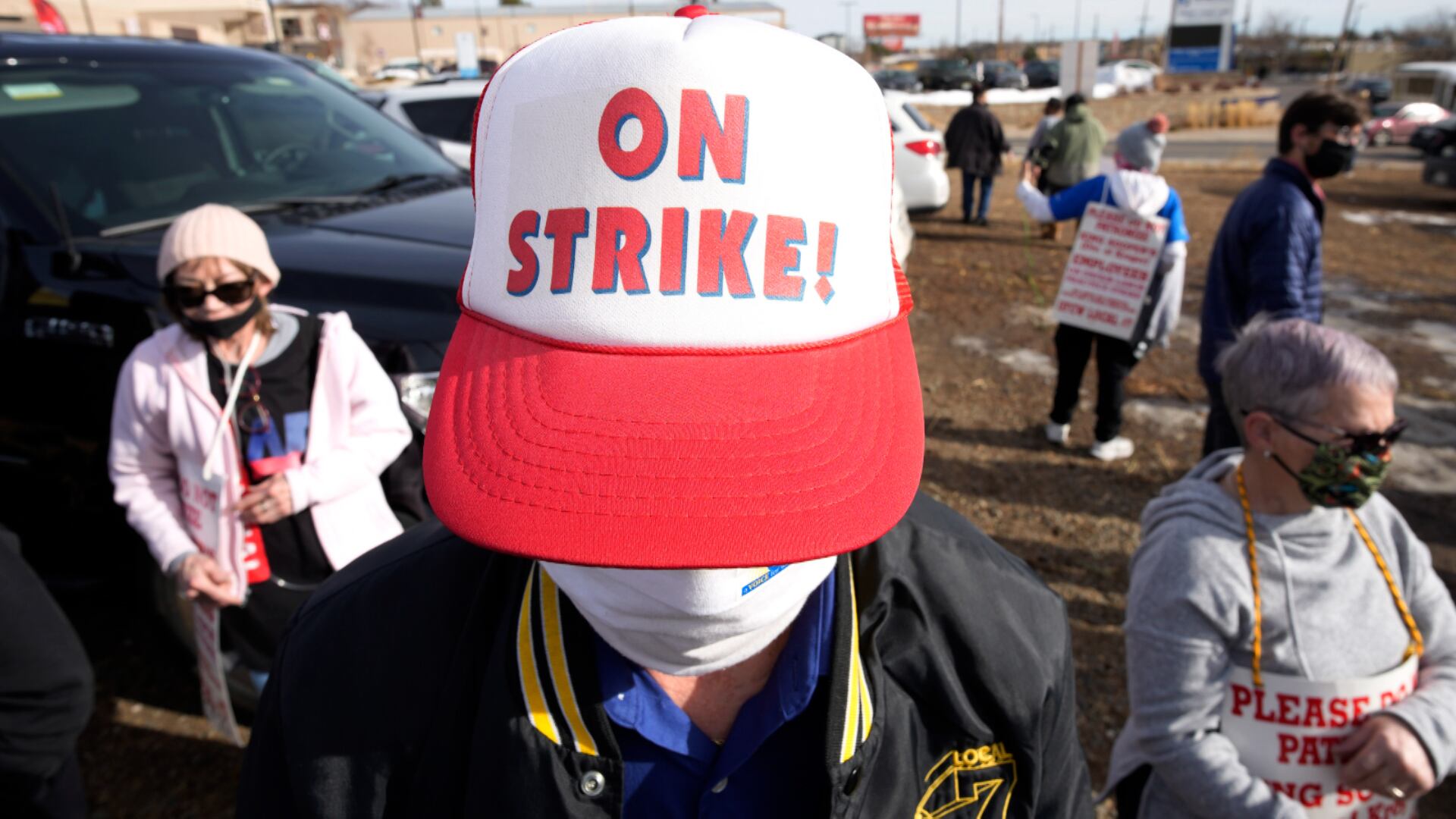
Jordan Zakarin, Media Producer at A More Perfect Union, joined Cheddar News to break down the latest from Colorado, where at least 8,700 Kroger employees walked off the job in demand of increased benefits and wages.
With the 2022 Winter Olympics in Beijing rapidly approaching, clouds of controversy continue to swirl around China's treatment of the Uyghur Muslim minority population, its surveillance state, and security for visiting athletes. Phelim Kine, China correspondent for Politico, joined Cheddar to break down the big storylines surrounding the Beijing Games and highlight what he saw as the complete disregard by top corporate sponsors like P&G, Airbnb, Intel, Visa, and Coca-Cola, for the controversies. "They spend $100 million for every Olympics that they sponsor, and they have frankly shown absolute willful indifference to any type of entreaty to essentially be more vocal about their concerns about human rights in China," he said. Kine also touched on the data privacy fears for athletes as visiting contingents are being told to carry burner phones to avoid security risks.
Texas's six-week abortion ban remains in effect after a federal appeals court ruling on Monday. The U.S. court of appeals for the fifth circuit temporarily transferred the case to the Texas Supreme Court, which is expected to leave the dispute in limbo for months to come. Katie Barlow, attorney and media editor of SCOTUSblog, joins Cheddar News to discuss.
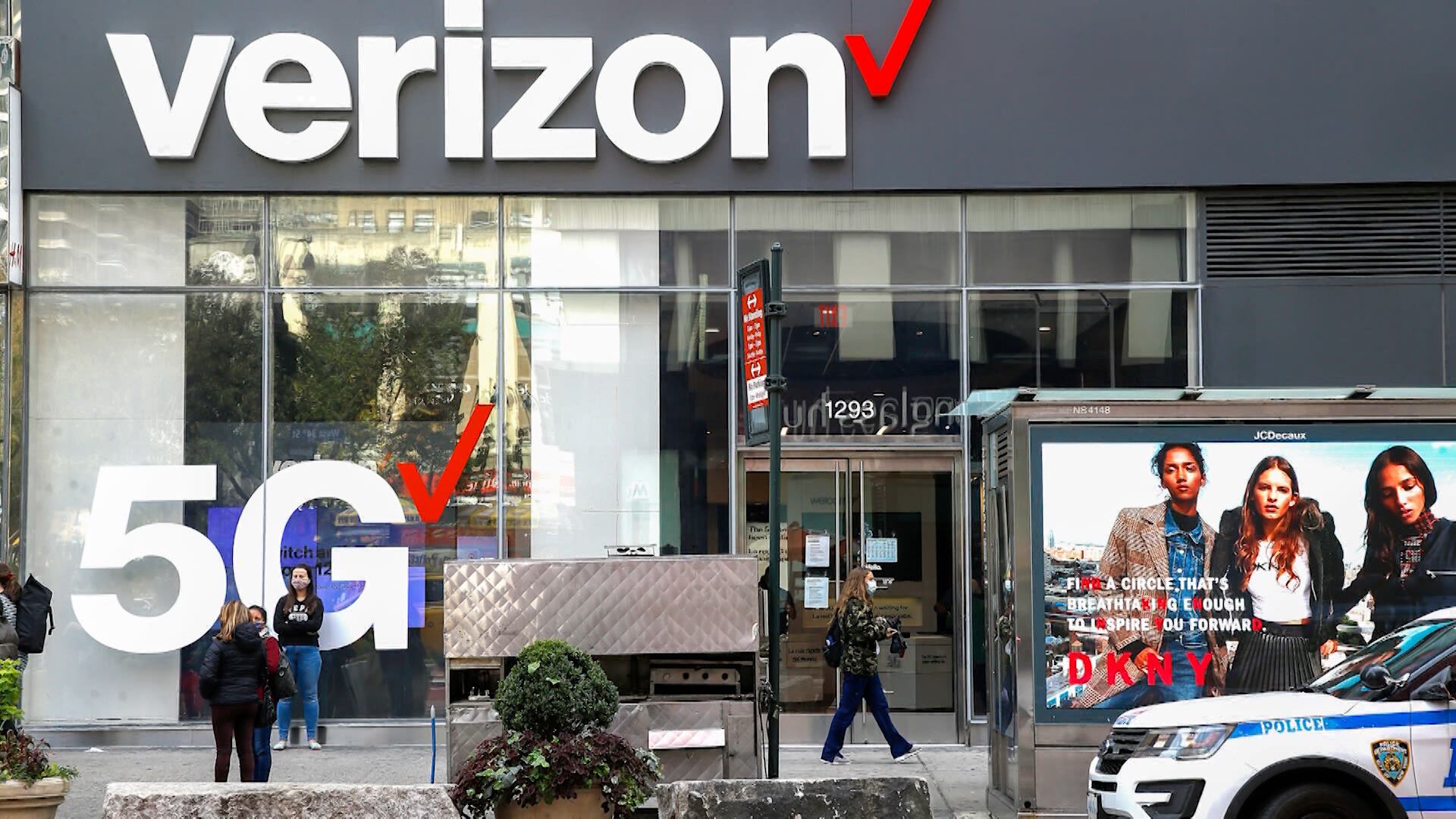
Hugh Odom, founder and president of Vertical Consultants, shared his expertise on telecommunications with Cheddar on the safety issue raised about 5G deployment by airlines. The installation was partially delayed again on Tuesday as the airlines warned of potentially catastrophic delays in a letter to the Biden administration. Later, both Verizon and AT&T relented and put a pause on some of the implementations. "The first thing the Biden administration needs to do is get everybody in the room and say, look, aviation industry, identify the problem — wireless industry, come up with a solution," said Odom.
Dave Levinthal, deputy Washington Bureau chief at Insider, joins Cheddar News to discuss Gallup's new survey that reveals more Americans leaned Republican by the end of 2021.
Women's March ATX rally, Saturday, Oct., 2, 2021, at the Texas State Capitol in Austin, Texas. An expected decision by the U.S. Supreme Court in the coming year to severely restrict abortion rights or overturn Roe v. Wade entirely is setting off a renewed round of abortion battles in state legislatures. (AP Photo/Stephen Spillman, File)