San Francisco's Prop C Homeless Measure Passed ー And Not Everyone in Tech is Happy
*By Chloe Aiello*
Voters in San Francisco gave overwhelming support on Tuesday to a measure that would tax big tech for the sake of the homeless.
And not everyone in the Silicon Valley stronghold is happy.
Proposition C, or the “Our City, Our Home” initiative, was easily the most controversial issue on the city's ballot. It proposed a tax on revenue over $50 million ー which would hit about the top 1 percent of corporations ー to help mitigate San Francisco's homeless problem. More than 7,000 people in San Francisco experience homelessness ー a stark contrast to the wealth the tech industry has generated for its own.
San Francisco has a "median home price \[of\] $1.6 million, the third most billionaires of any city in the world and one of the most dismaying homeless problems that a U.N. Special Rapporteur last year compared to Bangladesh," Scott Wilson, senior national correspondent at the Washington Post, who has covered the story, told Cheddar on Wednesday.
"I think there's a real disconnect between what the public wants to see and what the political class is willing to do especially in trying to avoid irritating tech leaders," he added.
The proposition's 10-point list includes efforts to provide more mental health and addiction treatment centers, place sanitation centers and mobile bathrooms on the streets, and expand homeless shelters, among other things.
Salesforce ($CRM) CEO Marc Benioff has been one of the initiative's most vocal cheerleaders ー although his company will surely be hit by the proposed tax.
"Prop C’s victory means the homeless will have a home & the help they truly need! Let the city come together in Love for those who need it most! There is no finish line when it come to helping the homeless. Thank you amazing supporters of Prop C," Benioff [gushed on Twitter](https://twitter.com/Benioff/status/1060060365193539584), following Prop C's victory.
He even reportedly poured about $7 million of his own and his company's money into the campaign, billing homelessness as the responsibility of technology companies that have brought jobs and wealth to the city, while also widening wage gaps and driving up property values.
But not all bigwigs in big tech seem to agree. Jack Dorsey, CEO of Twitter ($TWTR) and Square ($SQ), spoke out against the proposition ー much to Benioff's ire. The two tech elites exchanged arguments about the issue on social media in mid-October.
"I want to help fix the homeless problem in SF and California. I don’t believe this (Prop C) is the best way to do it," [Dorsey wrote](https://twitter.com/jack/status/1050780155524857856) on the platform he co-founded.
"I think that Benioff probably has his hand a little bit closer to the pulse of San Francisco and the people who live there than Jack Dorsey. I mean there is a real frustration, a real concern and a real compassion fatigue among San Francisco residents," Wilson said.
Dorsey wasn't alone. Legislators, including Mayor London Breed ー who has vowed to address homelessness ー spoke out against the proposition, which Wilson said just reinforces big tech's influence on the city.
"I think what it showed is that big tech still has a big sway over political power in San Francisco and that there's no coherent solution in city hall on how to solve the homeless problem ー and yet voters in approving it are demanding that something be done," he said.
For now, the proposition hangs in legal limbo. It did not pass with a full two-thirds legislative majority, which leaves it open to legal challenges from opponents.
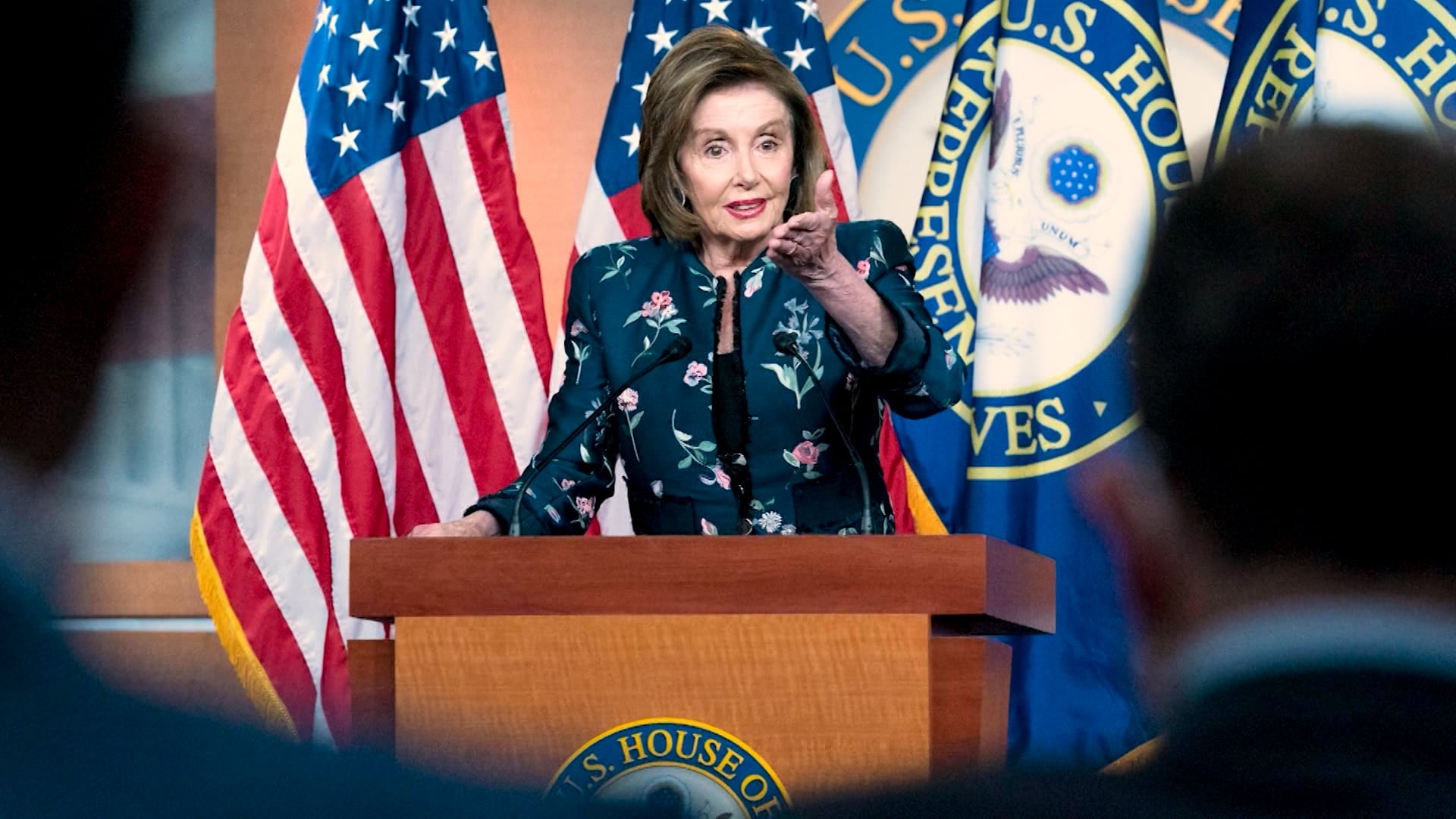
Nancy Pelosi and House Democratic leaders are now planning to amend the stop trading on congressional knowledge act, otherwise known as the 'Stock' Act. This 2012 law governs how members disclose the purchase or sale of stocks and amending it would close a loophole, eliminating the trading of individual stocks by members of congress. Pelosi has consistently opposed a ban on stock trading by lawmakers and congressional staff...so what's changed? Kedric Payne, Vice President of Campaign Legal Center, joins Cheddar News to discuss.
In a 5-4 vote, the U.S. Supreme Court allowed for a controversial new version of the Alabama congressional map to remain in place. The lower court had previously ordered that the state must redraw that congressional map because it violates the Voting Rights Act by diluting the political power of Black voters. Redistricting expert Yurij Rudensky joins Cheddar News to weigh in.
Florida lawmakers have introduced a controversial bill restricting some discussion of sexual orientation and gender identity in classrooms with young students. Supporters say the move empowers parents to have more of a say in what their children learn. Florida State Senator Shevrin Jones joins Cheddar News to discuss more.
Congress this week passed a bill that would end forced arbitration for workplace sexual assault and harassment, one of the most significant changes to employment law in years. Cheddar News speaks with Marjorie Mesidor, Sexual Harassment Attorney, who explains that arbitrators are often retired judges or attorneys who "tends to have a more conservative view both to law and rewards."
As the situation with Russia has grown more precarious, the White House urged Americans remaining in Ukraine to leave immediately. The Biden administration that it sees continuing signs of escalation but did not have specific information detailing a timetable for a potential invasion. Kristine Berzina, senior fellow and head of the geopolitics team at the Alliance for Securing Democracy, joined Cheddar News to provide her analysis. "There's talk of an impending phone call between President Putin, President Biden," Berzina said. "That is certainly a good sign to indicate that there would be significant cost."
Terrell Starr, host of 'Black Diplomats' podcast and senior nonresident fellow at the Eurasia Center for Atlantic Council, joins Cheddar News from Kyiv, Ukraine to discuss the mounting tension there.
The White House laid out plans for a $5 billion investment into a national network of charging stations to ease EV driving anxiety. Bruce Brimacombe, CEO of EV infrastructure GOe3 joined Cheddar News to discuss how much needs to be done for drivers to get over the fear of running out of energy. "People need to be able to do what they're doing now," he said. "But that is the way that if you're going to buy an electric car, you got to feel like you're not changing your world." Brimacombe noted that building out the infrastructure between cities was GOe3's own focus.
U.S. automakers are saying that the blockade of the Ambassador Bridge, a crucial border crossing between the U.S. and Canada, is affecting their production lines. Michelle Krebs of Cox Automotive warns that the disruption "couldn't come at a worst time," amid chip and labor shortages in Detroit.
AND DETROIT-BASED AUTO MAKERS SAY THEY ARE SHUTTING DOWN PLANTS OR SCALING BACK PRODUCTION BECAUSE OF PARTS SHORTAGES.
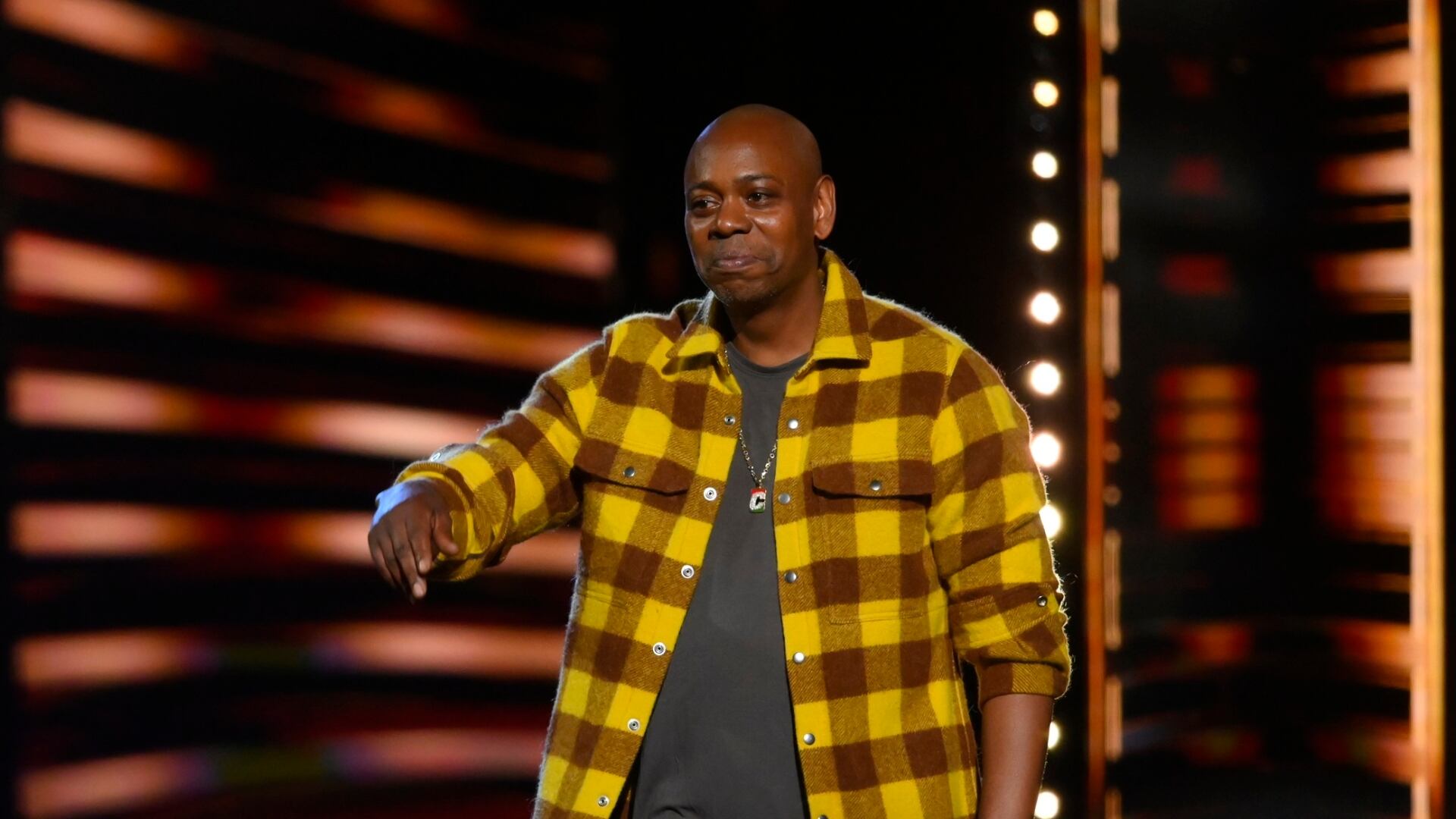
Plans to add affordable housing to a development in Yellow Springs, Ohio, were squashed after comedian Dave Chappelle and other community members spoke out against the project. Chappelle threatened to pull the plug on his local comedy club and restaurant projects if the development had been approved.