Black residents in San Francisco could receive a life-changing amount of money in the form of reparations if a plan backed by the city's Board of Supervisors gets enacted.
The board voiced support for the city's reparations committee's recommendation to pay eligible Black adult residents $5 million and also recommended eliminating personal debt, tax bills, and instituting guaranteed yearly incomes starting at $97,000 for the next 250 years, according to the Associated Press.
There are estimated less than 50,000 Black residents living in San Francisco, only 6 percent of the current population.
Like other such plans explored around the country to improve Black generational wealth, it received some pushback from the local community.
"Those of my constituents who lost their minds about this proposal, it's not something we're doing or we would do for other people. It's something we would do for our future, for everybody's collective future," said Rafael Mandelman, San Francisco supervisor.
While the board said it was open to the reparations proposal in an effort to atone for slavery and institutionalized racism, some supervisors have said the city cannot afford major reparations payments. Lee E. Ohanian, a professor with Stanford University's Hoover Institution, estimated that the plan could cost non-Black families at least $600,000 per household.
"This conversation we're having in San Francisco is completely unserious. They just threw a number up, there's no analysis," said John Dennis, chair of the San Francisco Republican Party.
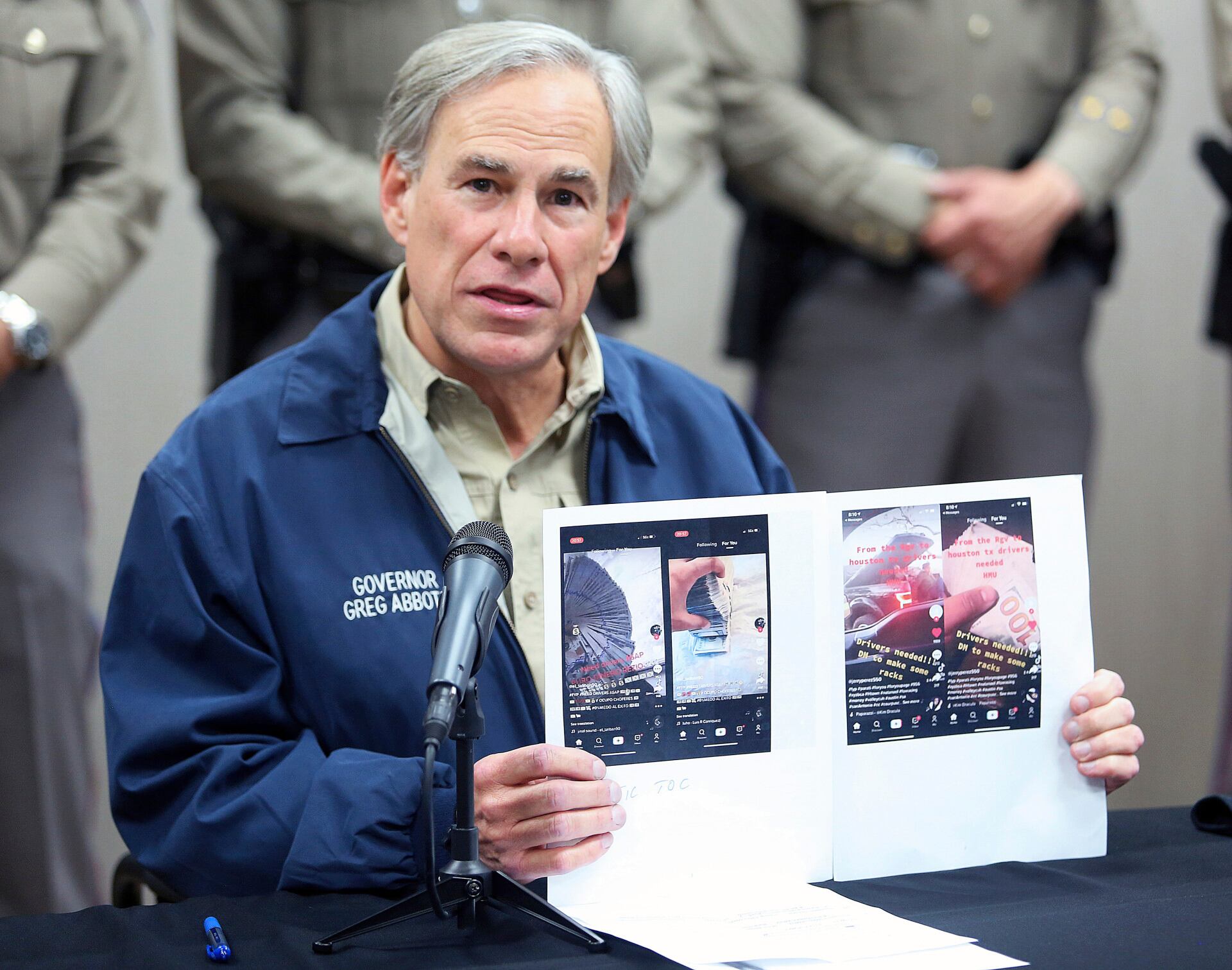
A First Amendment group sued Texas Governor Greg Abbott and others on Thursday over the state’s TikTok ban on official devices, arguing the prohibition – which extends to public universities – is unconstitutional and impedes academic freedom.
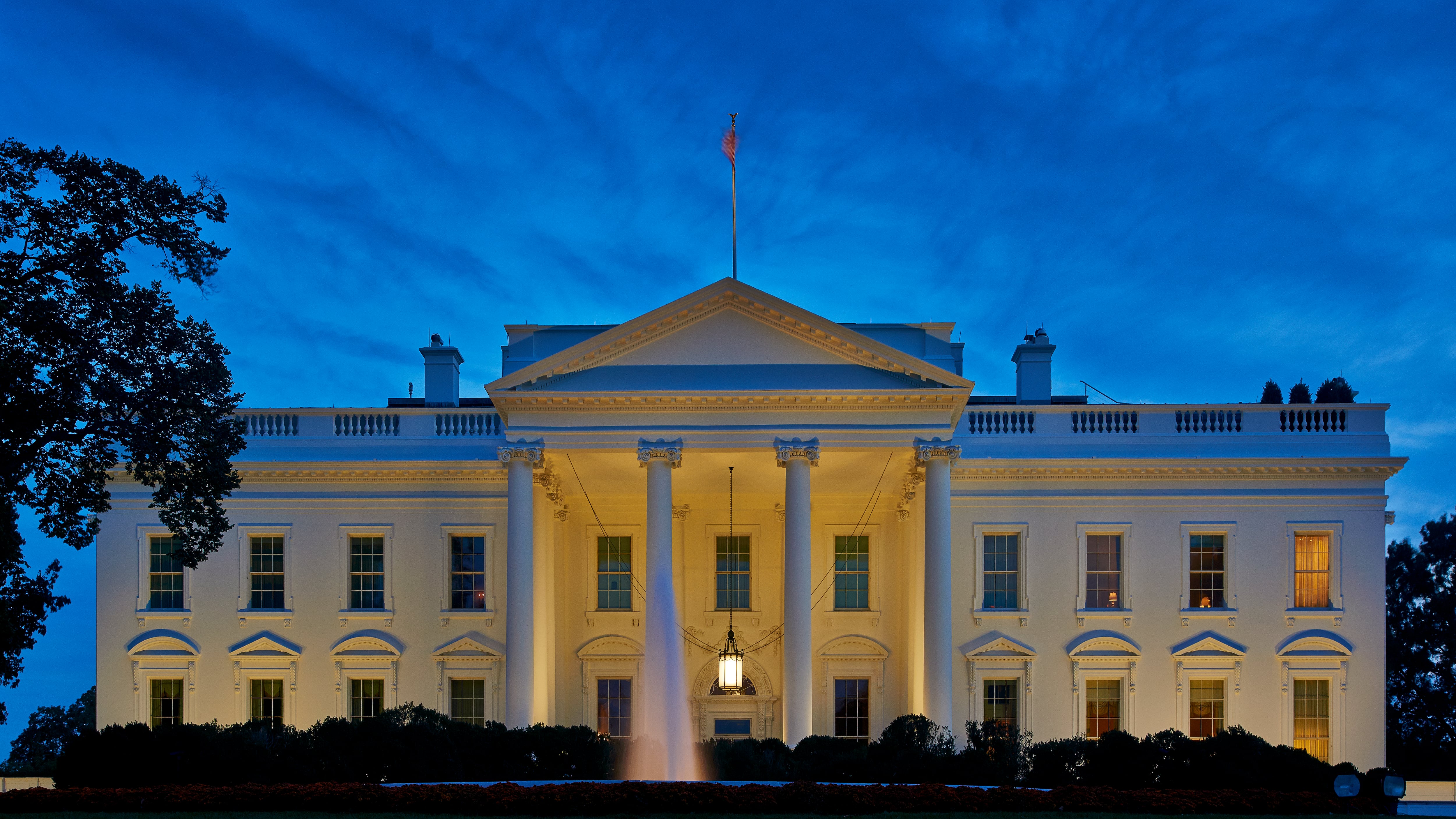
No fingerprints or DNA turned up on the baggie of cocaine found in a lobby at the White House last week despite a sophisticated FBI crime lab analysis, and surveillance footage of the area didn’t identify a suspect, according to a summary of the Secret Service investigation obtained by The Associated Press. There are no leads on who brought the drugs into the building.
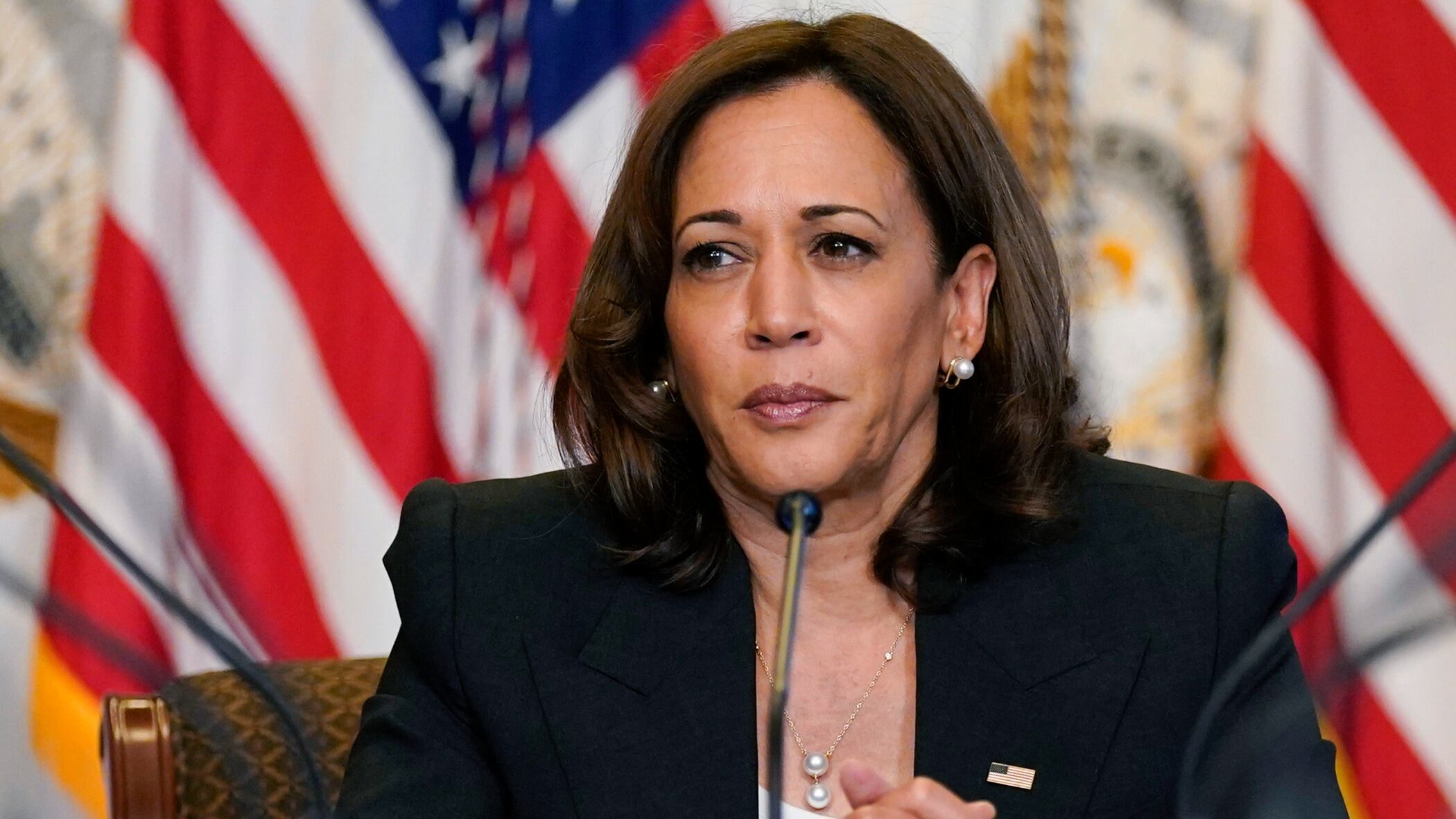
Kamala Harris, who made history as the first woman or person of color to serve as vice president, has made history again by matching the record for most tiebreaking votes in the Senate.
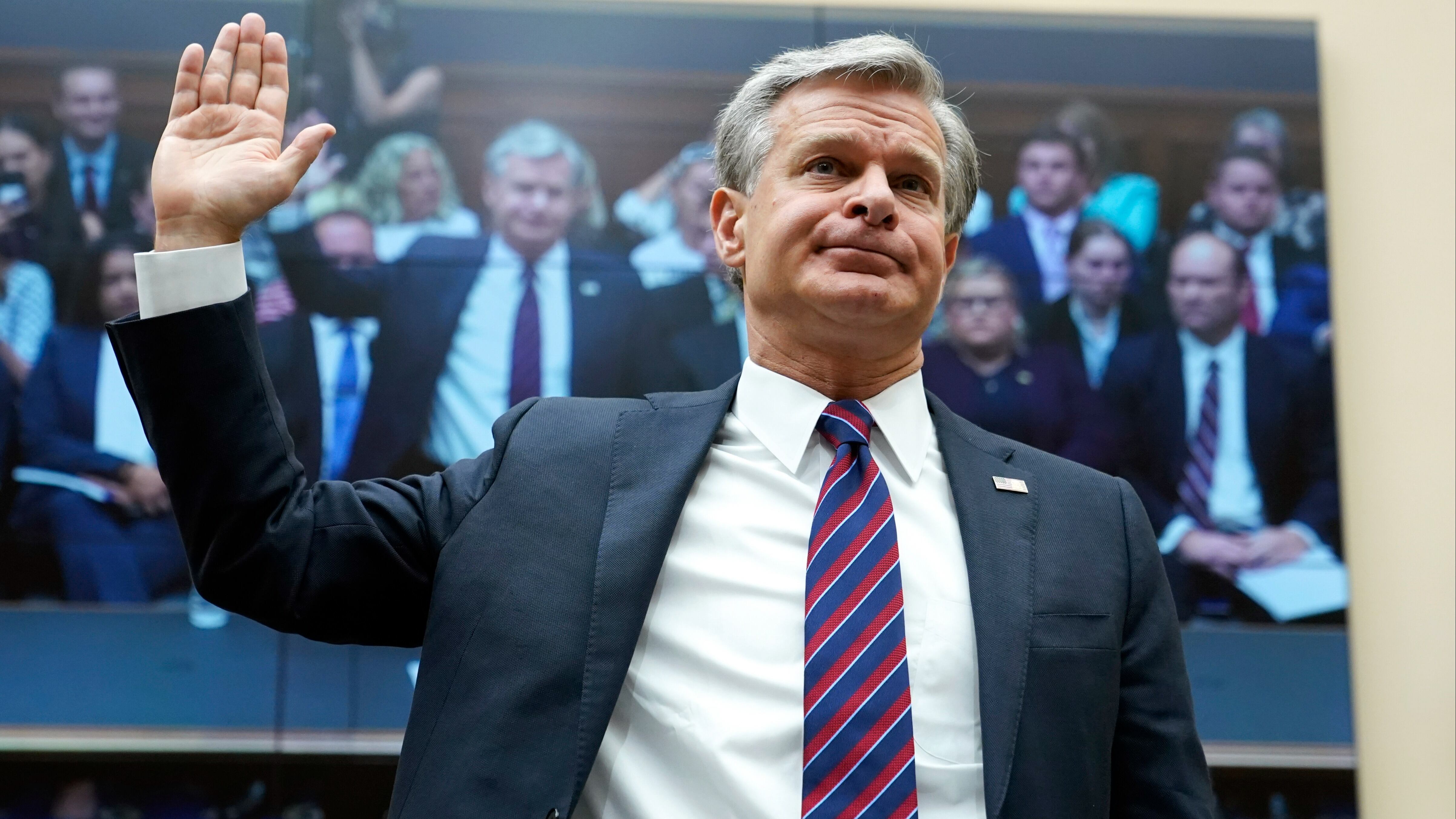
Republicans on the House Judiciary Committee accused the agency of targeting conservatives, suppressing evidence that Covid-19 came from a lab leak and abusing its surveillance powers.
The Biden administration calls it a “student loan safety net.” Opponents call it a backdoor attempt to make college free. And it could be the next battleground in the legal fight over student loan relief.
Nearly 30,000 people in Mississippi were dropped from the state's Medicaid program after an eligibility review that the government ended during the pandemic.