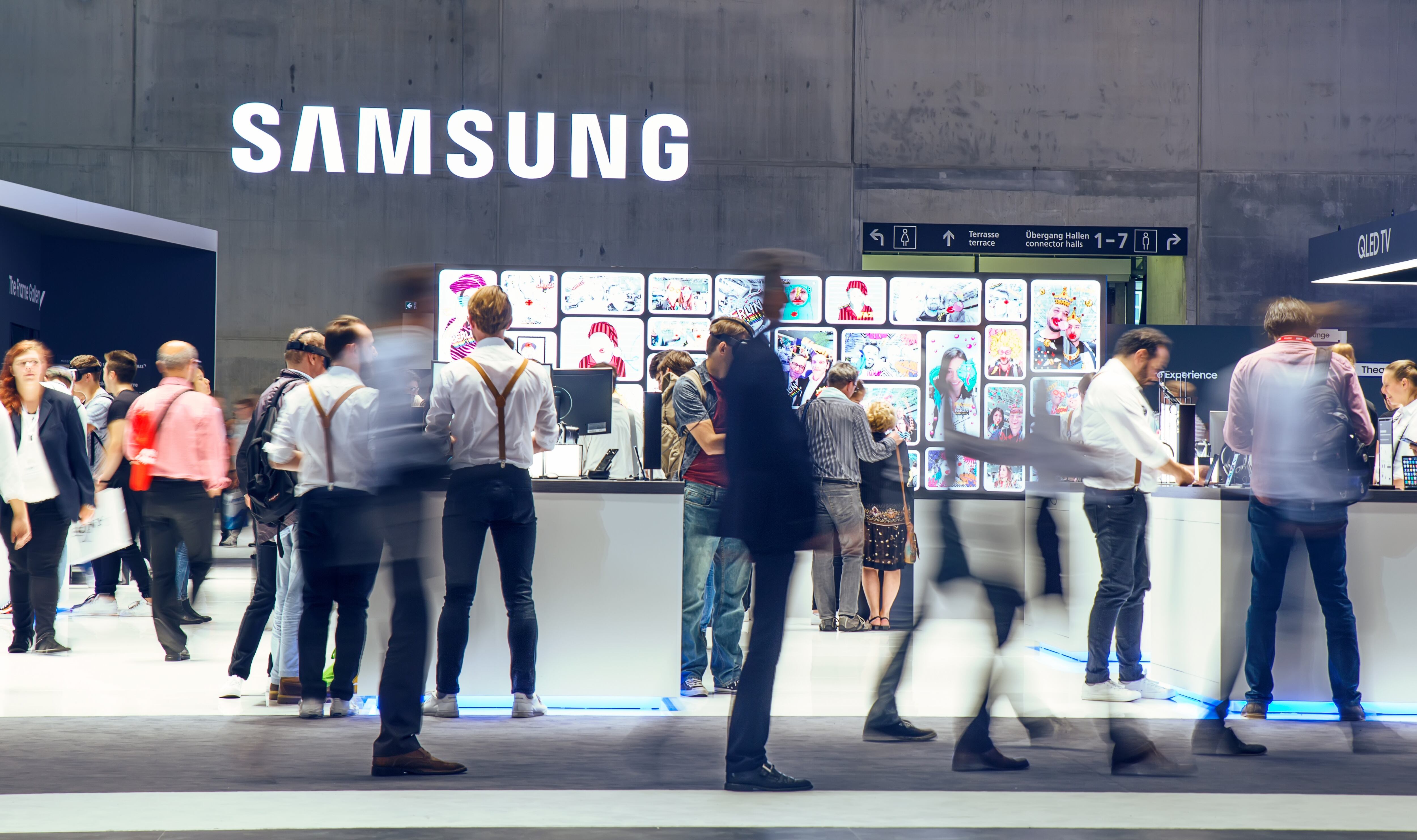
Samsung released a dismal preliminary earnings report Thursday night, which market-watchers are blaming on both U.S.-China trade tensions and internal missteps.
The South Korean company reports that profits are likely down more than half of what they were at the same time last year, with an anticipated operating profit now ranging between 6.4 and 6.6 trillion KRW ($5.5 to 5.6 billion USD).
While the Trump administration’s effective ban on telecom giant Huawei left the company’s chip supply business struggling, Samsung is also wrestling with issues in its smartphone division.
The rollout of the Galaxy Fold, the new smartphone in its flagship line, was less than stellar. After reviewers reported severe flaws with the near-$2,000 device, Samsung was forced to redesign the phone and delay its launch.
"That was expensive to innovate, and it didn’t work," John Jannarone, the editor-in-chief of IPO Edge, told Cheddar.
While the company has diversified across a wide range of electronic devices and hardware, Jannarone says he has particular concerns about Samsung’s deep investments in smartphones. "Unless you're Apple, these phones are all basically interchangeable. There’s a huge glut of supply."
One bright spot in Samsung’s mobile business is that Huawei’s exclusion from the American mobile phone market could make more room for Samsung’s products.
More welcome news in early reports is an $800 million reimbursement from Apple ($AAPL), after the Cupertino-based tech giant missed previously agreed-upon sales target, according to analysts that spoke to Reuters.
In the immediate fallout from the report, Samsung share prices were trading down nearly a percent on the Korea Futures Exchange.
Jason Moser, analyst and adviser at the Motley Fool, shares thoughts on recent tech earnings, including what’s behind Google’s share price drop and why A.I. could be Microsoft’s ‘iPhone moment.’
CEOs of social media platforms like Facebook, TikTok, and more meet with lawmakers Wednesday about how they are protecting children from sexual exploitation.
San Francisco 49ers president Al Guido discusses what goes into preparing for Super Bowl LVIII, building a championship-ready team, and how Taylor Swift and streaming are both bringing new fans to the NFL.
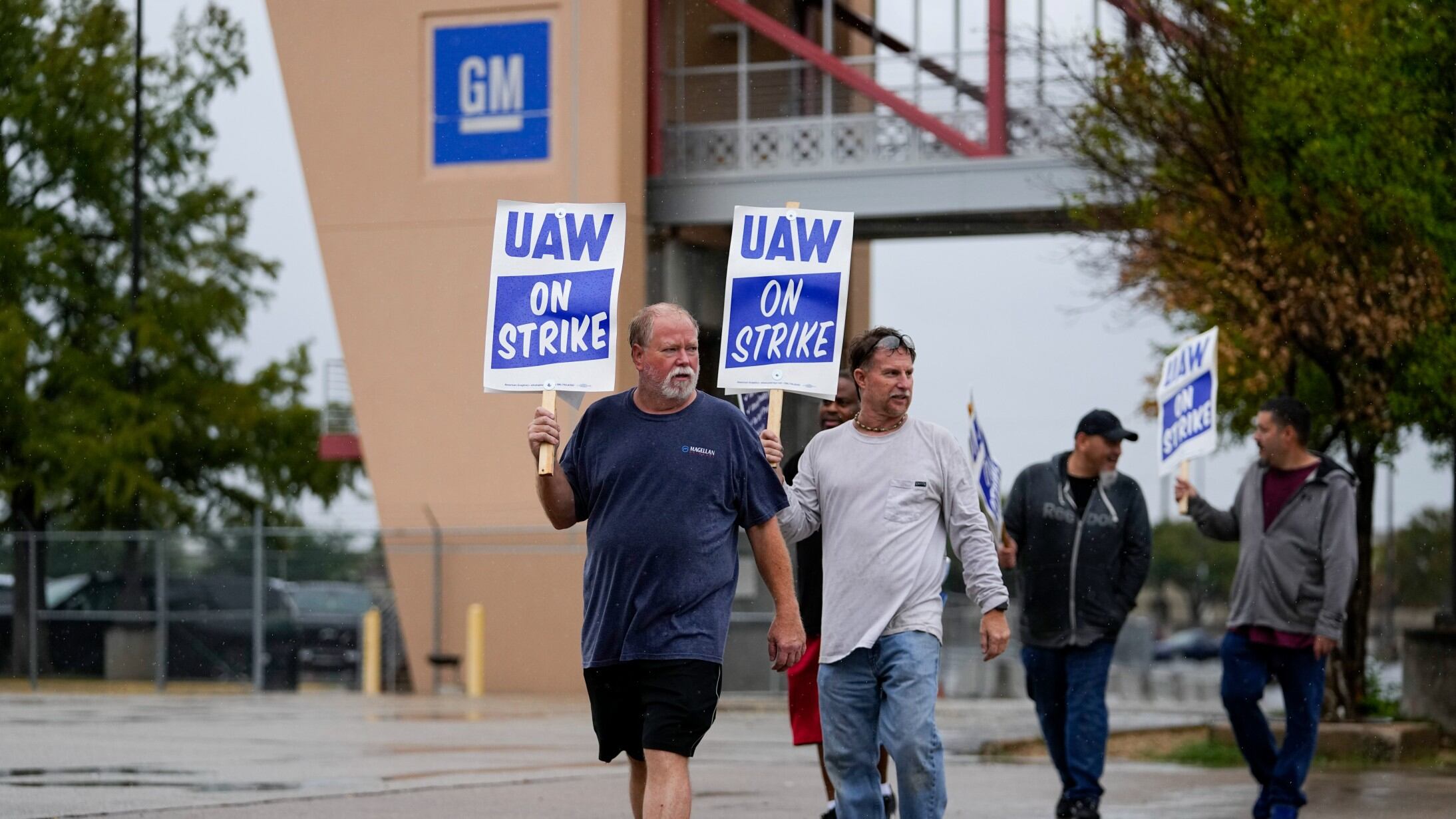
A $1 billion loss from a six-week strike did not crash GM's net income last year, which instead rose 12% — and the automaker expects improvement in 2024, too.
Accrue CEO and founder Michael Hershfield explains why Americans' credit card delinquencies are on the rise, advice on what can help, and the key difference between Boomers and Gen Z when it comes to money.
Senior Economist at Morning Consult Kayla Bruun shares thoughts on what to expect from the Fed's January meeting and where monetary policy is headed, as well as how consumers are faring.
Former Medtronic CEO and author of 'True North' Bill George explains the steps Boeing leadership must take to regain client and consumer trust after 737 Max 9 production was stopped.
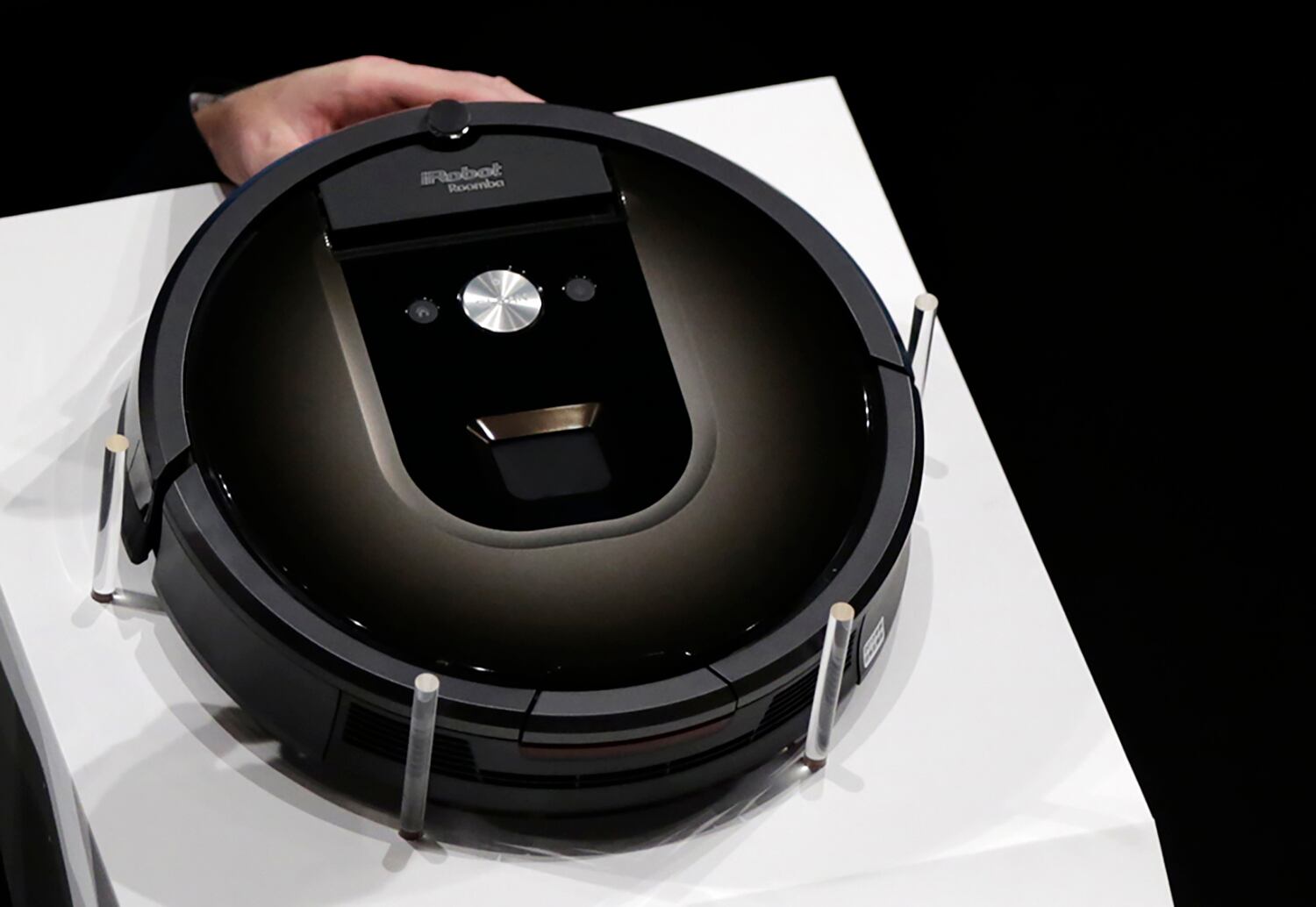
Amazon blamed "regulatory hurdles" for calling off its proposed acquisition of robot vacuum maker iRobot. Not even a Roomba could clean up the deal's antitrust scrutiny.