*By Jacqueline Corba*
Salesforce has saved a seat at its executive meetings for Einstein, an artificial intelligence-powered robot developed by the cloud computing company.
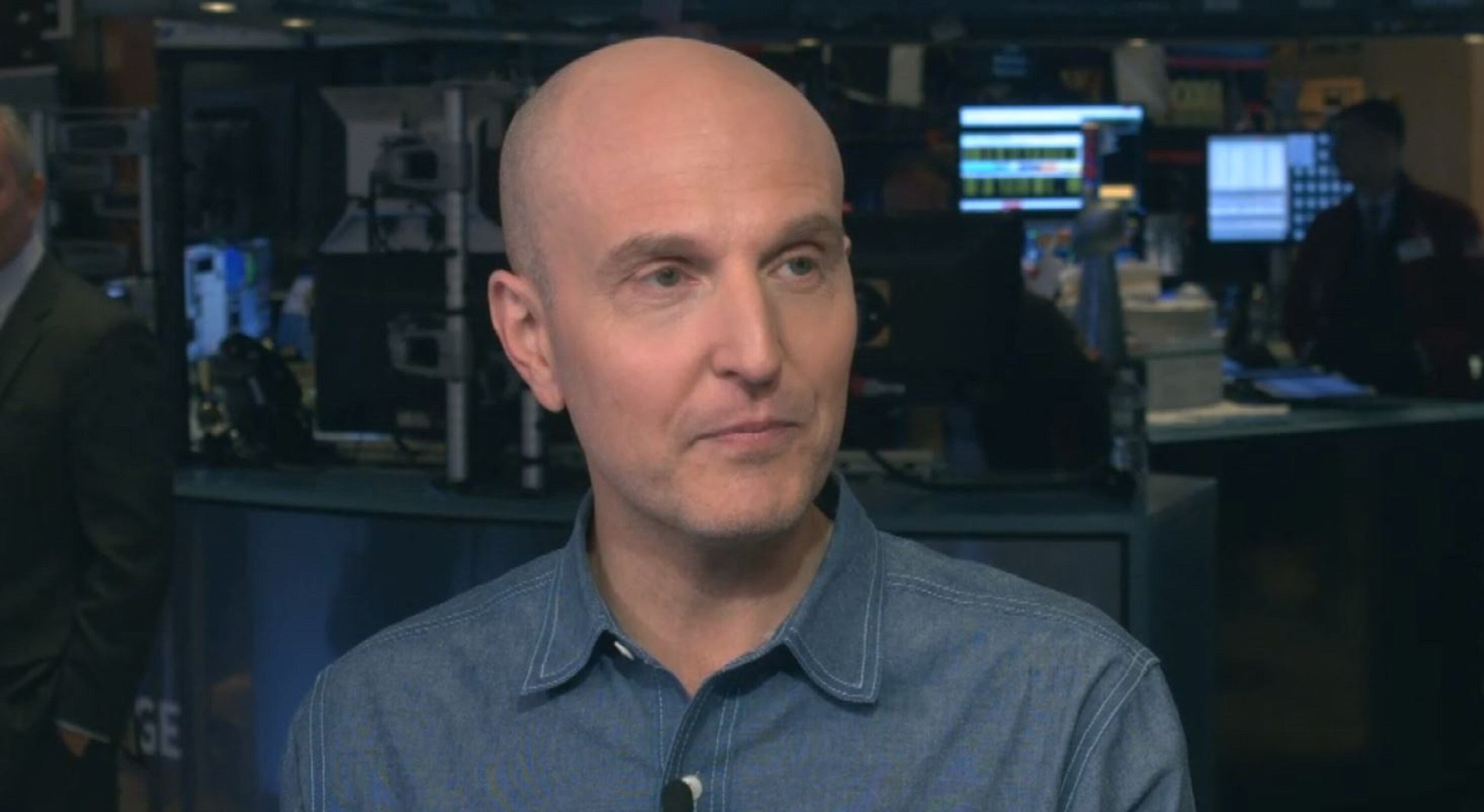
"The fact that we are using our own products to really drive our forecasting, it's pretty amazing," said Bob Stutz, CEO of Salesforce's Marketing Cloud. "It is really great to have that tool that you can use every single day to run your business."
Salesforce's chief executive, Marc Benioff, has been an outspoken proponent of the company's use of A.I., and said that Einstein has [been at every weekly senior staff meeting](http://fortune.com/2018/01/25/salesforce-benioff-einstein-davos-ai/) for the last year.
Stutz said Einstein pulls his weight on a team that has grown its quarterly revenue by 41 percent year over year.
"We are on an incredible tear right now," Stutz said in an interview with Cheddar. "It's really helping customers connect with their consumers across sales, marketing, service ー it's a real growth driver for us nowadays."
For the full interview, [click here](https://cheddar.com/videos/inside-salesforce-marketing-cloud-growth).
PopSockets, the company behind the massively successful grips attached to the back of mobile phones, is eyeing a potential initial public offering, CEO and Founder David Barnett told Cheddar Thursday. "We are considering an IPO. We're considering all options," Barnett said in an interview with Cheddar Thursday.
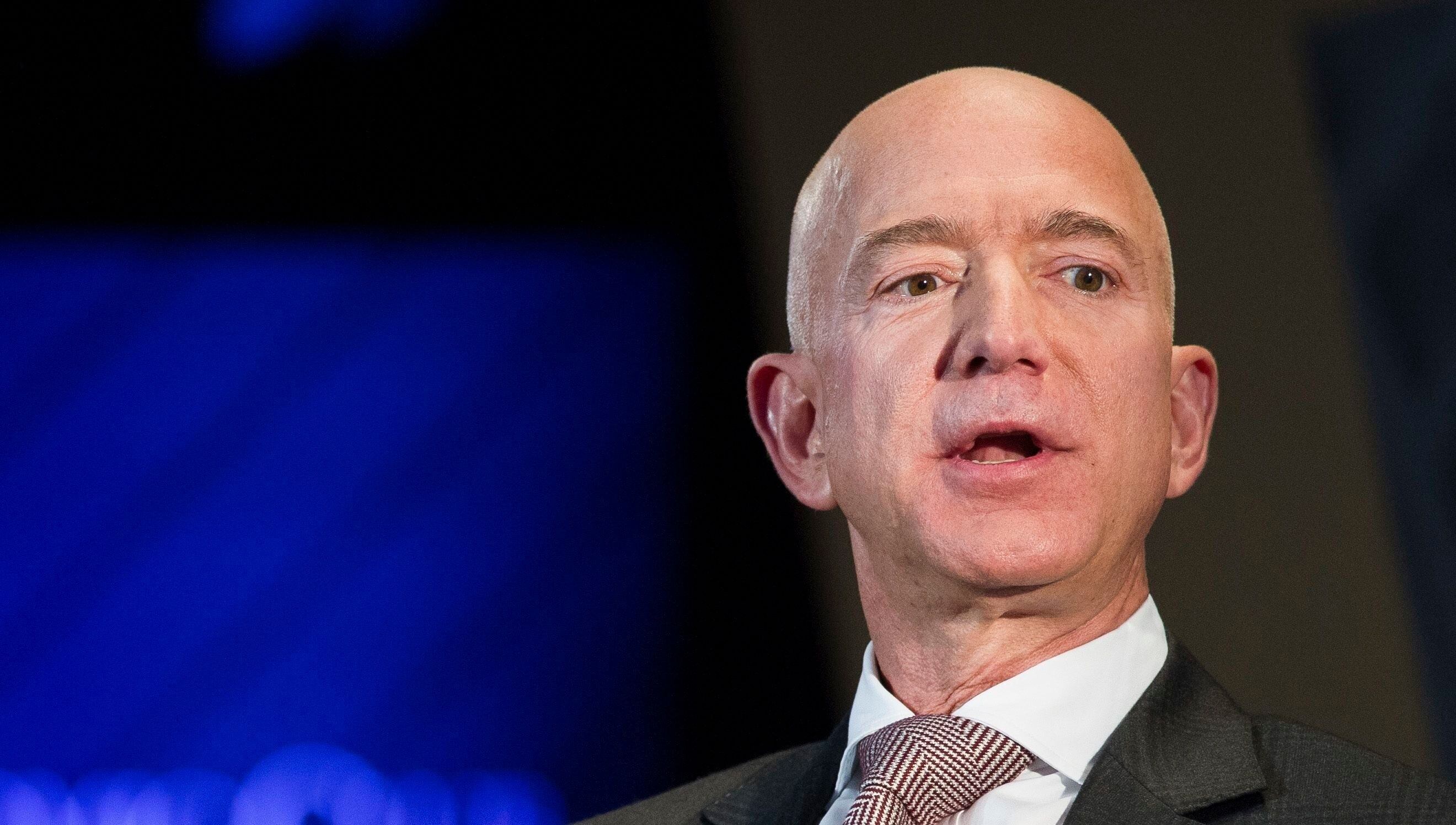
Amazon whipsawed after the bell, first surging and then erasing its earlier gains, after beating Wall Street expectations on its top and bottom lines, but reporting weak outlook.
The Swedish point-of-sale finance company quietly put up ads in the U.S. last year but made a splasher introduction earlier this month when Snoop Dogg became the face of its latest campaign.
That campaign, called Smoooth Dogg, featured the Afghan dogs from Klarna’s previous campaigns and coincided with the announcement that Snoop has become a minor shareholder in the fintech startup.
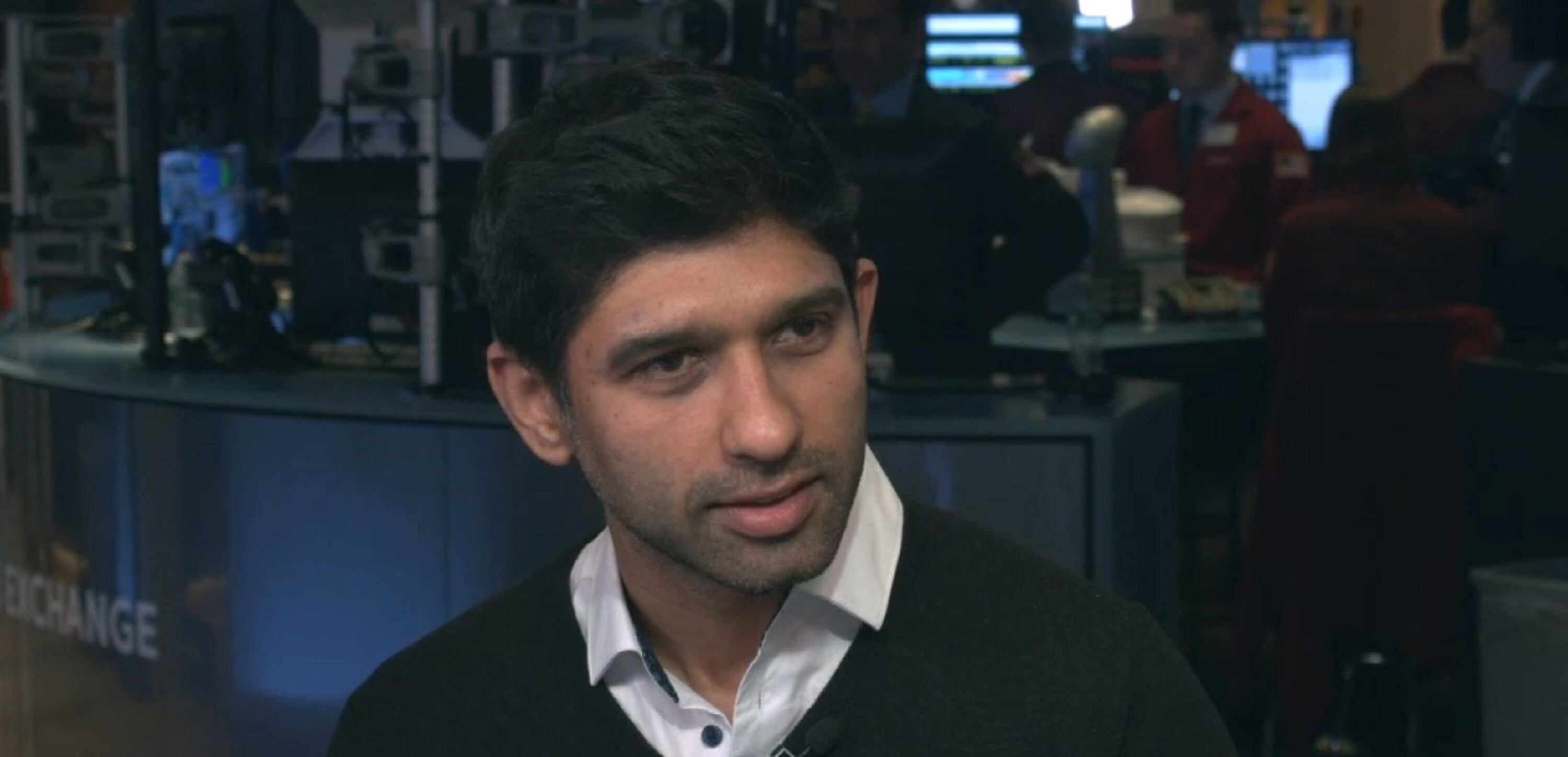
Food pickup app Ritual has big expansion plans. But its founder says the company's rapid growth can actually be traced back to a slower start. "Ritual's about your neighborhood, and I think what a lot of other companies did differently was they tried to go too broad too quickly, and they just lack the depth and coverage that Ritual has," Ray Reddy, co-founder and CEO of Ritual, told Cheddar Wednesday. "And we still approach the world neighborhood by neighborhood, and ensure that it's actually compelling."
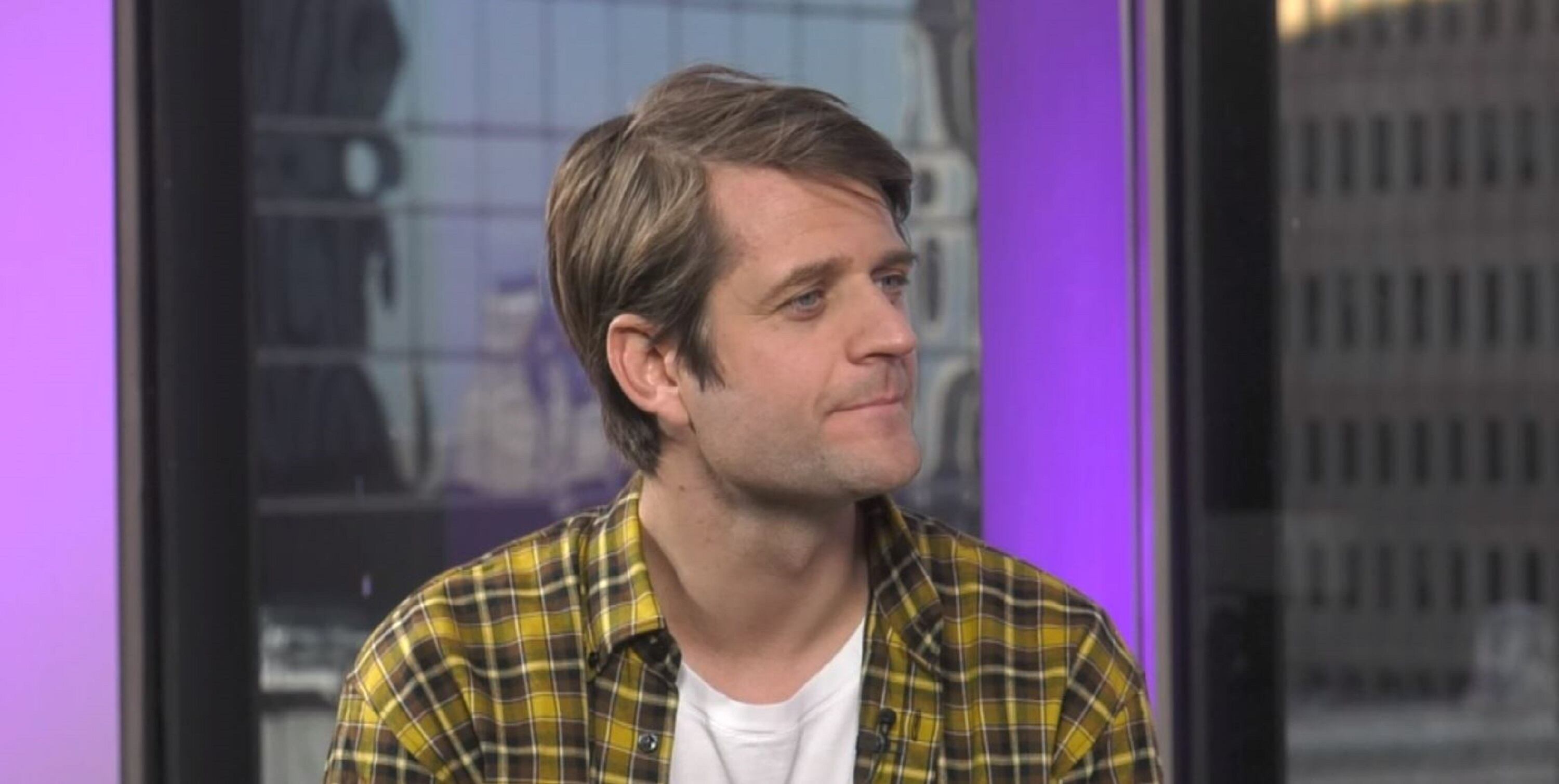
Step aside, Siri and Alexa. VR studio Fable is relaunching as a "virtual beings" company to bring the public its first A.I.-powered character with whom users can have a two-way relationship. According to co-founders Edward Saatchi and Pete Billington, the rebranding ー which the two announced at the 2019 Sundance Festival ー is partly an effort to educate consumers about machine learning.
Microsoft shares dropped in extended trading on Wednesday despite reporting better-than-expected quarterly earnings due to investor concerns about its crucial cloud business.
Tesla shares sank in extended trading on Wednesday after reporting mixed earnings and revenue. The electric carmaker reported earnings per share of $1.93 cents on revenue of $7.23 billion, just missing expectations on earnings, but beating on revenue. Analysts surveyed by Thomson Reuters anticipated earnings of $2.20 per share on $7.08 billion in revenue.
Facebook soared in extended trading on Wednesday after reporting fourth-quarter earnings and revenue that beat Wall Street forecasts. Facebook reported earnings per share of $2.38 on revenue of $16.91 billion. That topped analysts' expectations for $2.19 earnings per share on $16.4 billion in revenue, according to Thomson Reuters.
Visible wants to make signing up for a phone service as easy as calling a Lyft. The digital-only wireless carrier backed by Verizon offers unlimited text, talk, data, and hot-spot for $40 a month. CEO Miguel Quiroga, a telecom industry veteran, says that this is the phone service that consumers want.
As digital advertising is increasingly beholden to the Google/Facebook duopoly, Glamour is experimenting with what it sees as the future of the industry: a multi-faceted revenue model that uses a combination of traditional ads, metered or niche paywalls, events, audio and e-commerce, even as it kills off its one-time moneymaker, the monthly print edition. Samantha Barry, Glamour's editor-in-chief, told Cheddar in an interview Wednesday that she sees the 80-year-old iconic brand as a "service for women."