Purdue Pharma, the embattled maker of the drug OxyContin, finds itself close to settling some of the thousands of lawsuits filed against it for the company's role in fueling the ongoing opioid epidemic.
The settlement forces the Sackler family to give up control of the Stamford, Connecticut-based business, according to the Associated Press, while the company will pay up to $12 billion over time.
Arizona Attorney General Mark Brnovic stated that the deal was the fastest way to help communities hit hard by the crisis while also increasing the payout initially offered by the defendant.
The pharmaceutical giant had been facing lawsuits from thousands of state, local, and Native American tribal governments. About 2,000 governments have agreed to the tentative deal, but about half of the states have not signed on.
"The families who were hurt by Purdue and the Sacklers have spoken loud and clear that this case demands real accountability, and I will continue to fight for that," Massachusetts Attorney General Maura Healey, who did not agree to the terms, wrote in a statement according to WBUR. “It’s critical that all the facts come out about what this company and its executives and directors did, that they apologize for the harm they caused, and that no one profits from breaking the law."
New Jersey Attorney General Gurbir Grewal also refrained from endorsing the settlement saying on Twitter, “New Jersey will continue to pursue all available legal options against those responsible. And if Purdue cannot pay for the harm it inflicted, the Sacklers will.”
The potential settlement comes two weeks after Johnson & Johnson was ordered to pay Oklahoma $572 million for its part in spreading addictive painkillers, a landmark first court decision during the opioid crisis that still fell short of the $17.2 billion the state was pursuing.
In March, Purdue and the Sacklers settled with the Sooner State for $272 million to pay for treatment, addiction research, and the state's legal fees.
Not only is April Financial Literacy Month, it’s also the kickoff of the spring homebuying season. So now is the time to make sure you have a financial plan in place – and why it might not be wise for that to include buying your first home.
While the U.S. may slowly be on the path to lowering inflation (and therefore interest rates), Europe has thoroughly trounced America, putting it on the path to lower rates by this summer.
April's release of the monthly Housing Starts and Building Permits reports by the Census Bureau provides crucial insights into the construction activity in the housing market. These reports are an economic indicator, shedding light on the current state of the housing market and its broader economic impact.
Caitlin Clark is heading to the Indiana Fever, the number one draft pick and the highest-scoring college basketball player of all time. And while she may not be getting millions from the WNBA, there's a few ways she'll net compensation for her generational talents.
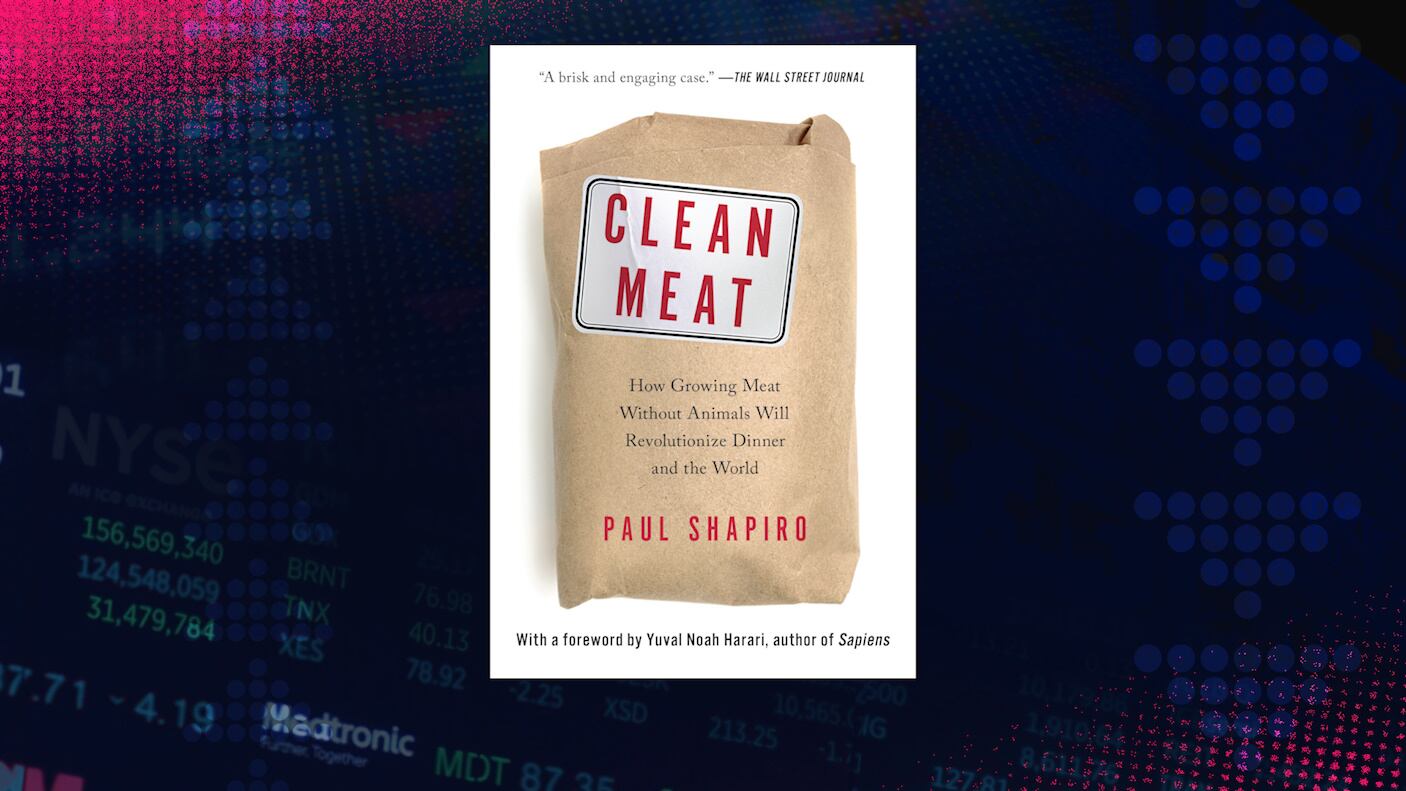
Author of 'Clean Meat,' Paul Shapiro joins Cheddar to discuss how the cellular agricultural revolution helps lower rates of foodborne illness and greatly improves environmental sustainability. Plus, how his company The Better Meat Co. is bringing healthier food options to the table.
Recent headlines might make it sound like World War III is imminent, but when it comes to your finances, it's not the time to panic. The market is coming off its longest winning streak since 2011.
You may have noticed fewer new venture capital-backed startups (like Airbnb or Uber) lately. The market slowed to a crawl after 2021, but things are expected to take off again in 2025.
Corporate earnings season is underway, that time when companies share their billions in sales or double-digit profits. But the data shows even companies are struggling with high inflation and interest rates.
Boeing continues their terrifying trend of having their planes fall apart mid-flight, inflation — checks notes — is still up and the future of AI looks terrifying. Cheery!
Food waste – uneaten scraps or leftovers sent to landfills – is responsible for 10% of global emissions. Mill, a new product from the co-founder of Nest, thinks technology can play a role in eliminating it.