Responsible for the most impressive IPO of 2020 so far, mobile-based insurance startup Lemonade will start offering customers coverage for their pets.
Tim Bixby, the chief financial officer at Lemonade, told Cheddar Friday that the company is focused on eventually providing its customers with a full suite of products.
"We're working our way through the total portfolio of what the customer is gonna want from us over time," Bixby said, adding that homeowner's insurance, as well as condo and renter's insurance, has been the primary focus to date.
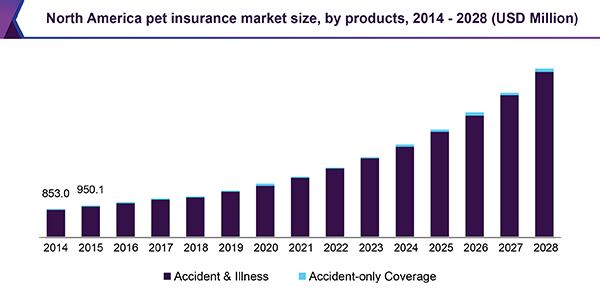
Why is pet insurance the next step for Lemonade? According to Grand View Research, the pet insurance market in North America is expected to climb from its current estimated value of $4.4 billion to $14.9 billion by 2028.
Source: Grand View Research
"Pet insurance has been dealt with in a fairly mechanical way," Bixby said. "We came at it with a different approach. It turns out pets are not really possessions. They're members of the family, and so we built the product with that in mind."
Rather than targeting corporate clients that want to offer pet insurance as an employment perk, Lemonade wants to focus on existing customers.
On July 2, Lemonade made major waves on Wall Street with a stellar public debut. Despite pricing the IPO at $29 a share, $LMND soared as high as 144 percent to finish its first day of trading just shy of $70 a share.
Lemonade raised $319 million in its IPO, capital that will be used to acquire new customers.
"The lifetime value of an insurance customer, we believe, is significant," Bixby said. "Most of our customers are first-time insurance buyers in many cases."
Throughout the pandemic, hanging onto those customers has been a priority for Lemonade. As millions of Americans face evictions stemming from job losses and being unable to pay rent, Lemonade has sought ways to accommodate those customers so they can remain covered.
"In many cases, [Lemonade] is more important than ever," Bixby said. "People are at home, and they want to do anything they can to protect the things that are important to them, whether it's belongings, whether it's their home itself, or even a pet."
Not only is April Financial Literacy Month, it’s also the kickoff of the spring homebuying season. So now is the time to make sure you have a financial plan in place – and why it might not be wise for that to include buying your first home.
While the U.S. may slowly be on the path to lowering inflation (and therefore interest rates), Europe has thoroughly trounced America, putting it on the path to lower rates by this summer.
April's release of the monthly Housing Starts and Building Permits reports by the Census Bureau provides crucial insights into the construction activity in the housing market. These reports are an economic indicator, shedding light on the current state of the housing market and its broader economic impact.
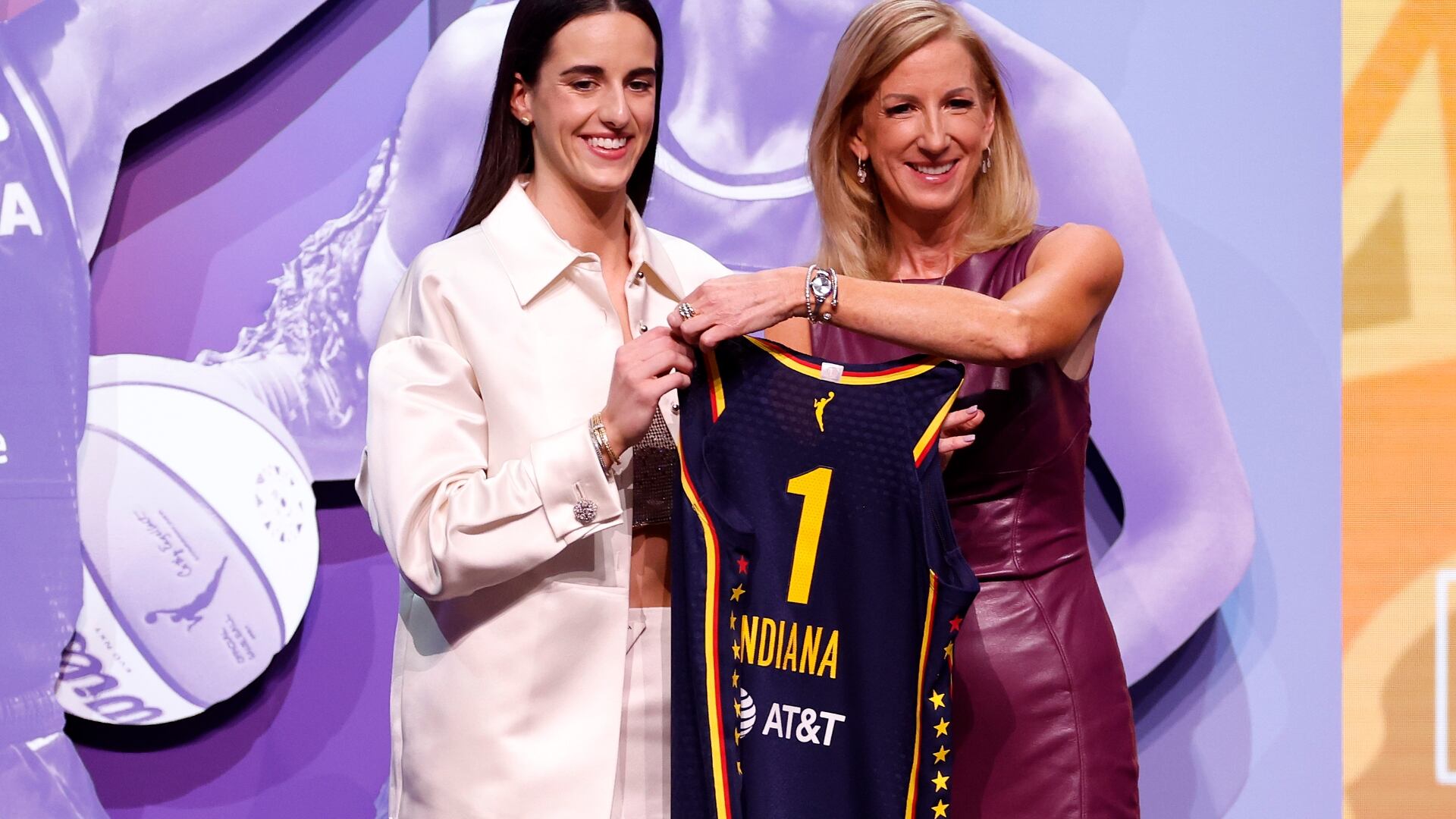
Caitlin Clark is heading to the Indiana Fever, the number one draft pick and the highest-scoring college basketball player of all time. And while she may not be getting millions from the WNBA, there's a few ways she'll net compensation for her generational talents.
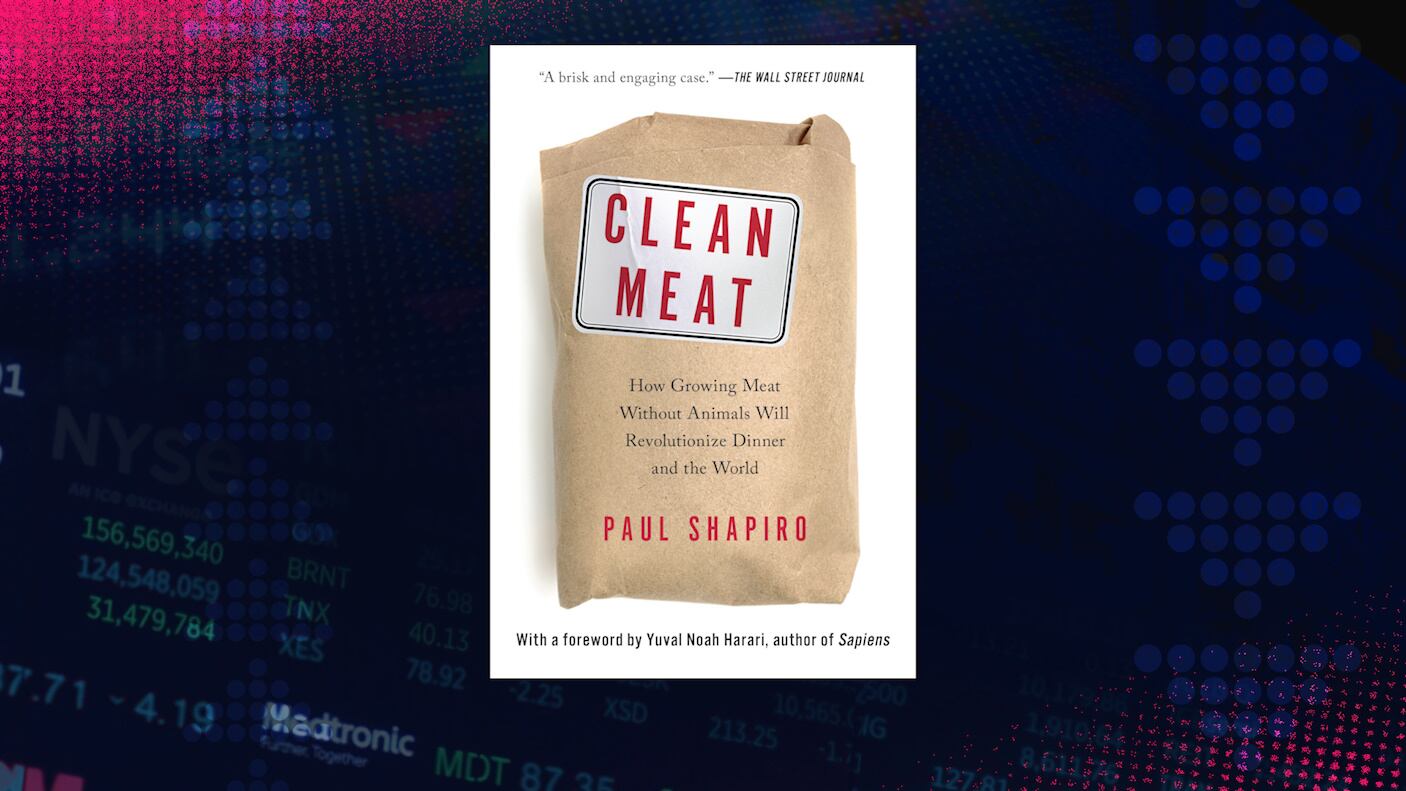
Author of 'Clean Meat,' Paul Shapiro joins Cheddar to discuss how the cellular agricultural revolution helps lower rates of foodborne illness and greatly improves environmental sustainability. Plus, how his company The Better Meat Co. is bringing healthier food options to the table.
Recent headlines might make it sound like World War III is imminent, but when it comes to your finances, it's not the time to panic. The market is coming off its longest winning streak since 2011.
You may have noticed fewer new venture capital-backed startups (like Airbnb or Uber) lately. The market slowed to a crawl after 2021, but things are expected to take off again in 2025.
Corporate earnings season is underway, that time when companies share their billions in sales or double-digit profits. But the data shows even companies are struggling with high inflation and interest rates.
Boeing continues their terrifying trend of having their planes fall apart mid-flight, inflation — checks notes — is still up and the future of AI looks terrifying. Cheery!
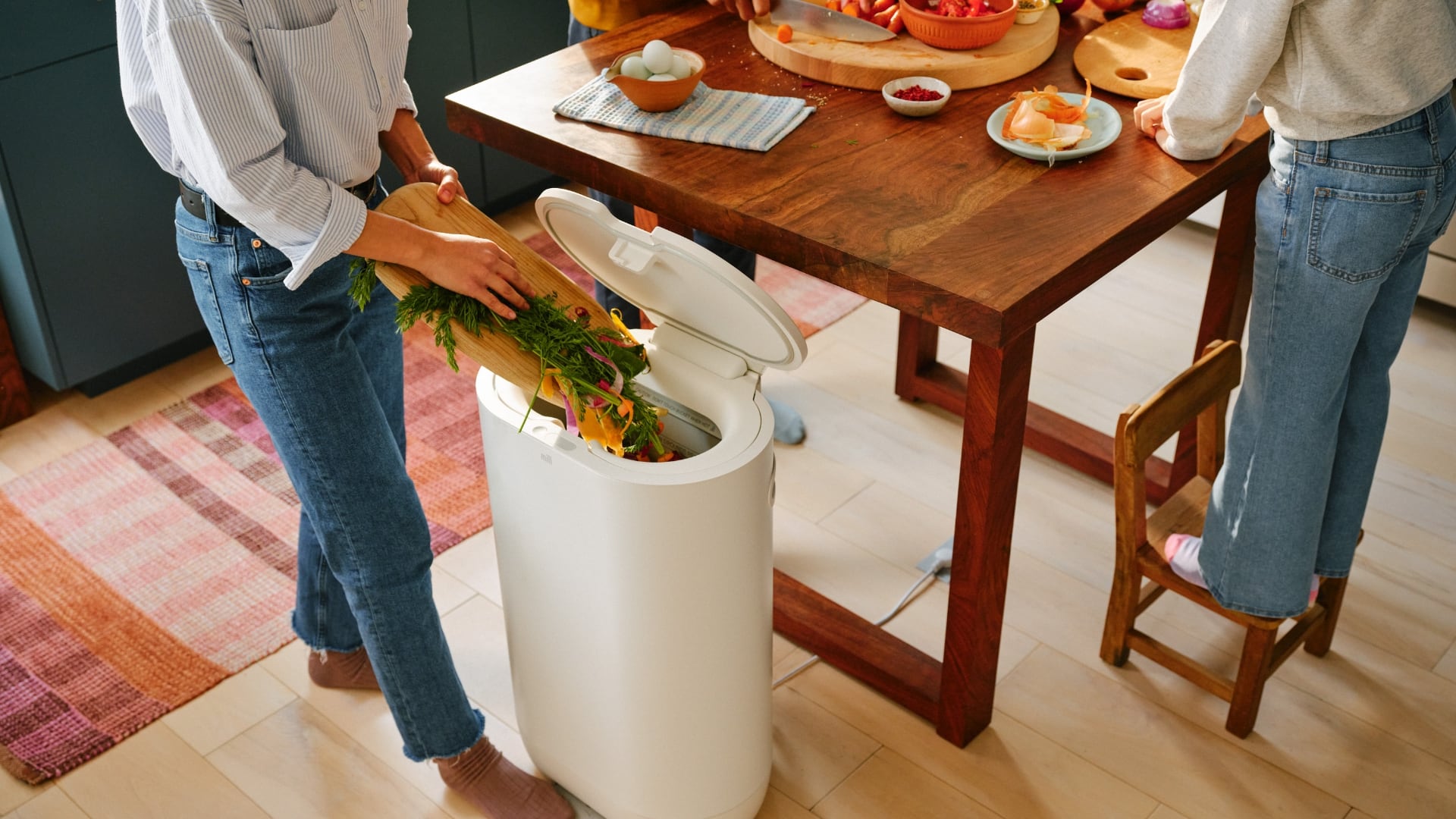
Food waste – uneaten scraps or leftovers sent to landfills – is responsible for 10% of global emissions. Mill, a new product from the co-founder of Nest, thinks technology can play a role in eliminating it.