*By Christian Smith*
Pressure continues to mount on President Donald Trump to walk back his tariff policy, with Russia becoming the seventh World Trade Organization member to officially challenge the White House's duties on steel and aluminum.
And while the organization will take up these cases, Politico trade reporter Megan Cassella said the process will likely take a long time to play out.
"The WTO doesn't tend to do anything quickly," Cassella said in an interview on Cheddar Tuesday.
Even if the WTO, an intergovernmental agency that overseas international trade, does eventually come to a conclusion, the U.S. could still avoid any repercussions.
"Given the Trump administration's sort of disdain for the WTO and its legal rulings, it's also possible that, even if they do eventually come to a conclusion, Trump might just say, 'Well you know, that's it then, that's the end of the U.S. membership in the WTO'," Cassella noted.
Russia's appeal filed last week cites "numerous violations of WTO rules by the United States in introducing this measure," said Russian Economic Development Minister Maksim Oreshkin in a [statement](https://www.rt.com/business/431256-russia-tariffs-us-good/).
The 25 percent tax on foreign steel and 10 percent tax on foreign aluminum took effect June 1. The Trump administration justified the tariffs using the 1962 Trade Expansion Act, which grants the president the power to restrict imports to protect national security.
But not everyone is buying into the White House's rationale. China, India, the European Union, Canada, Mexico, Norway, and now Russia have all filed complaints with the WTO.
For the full segment, [click here.](https://cheddar.com/videos/russia-challenges-trumps-tariffs-in-wto)
Driven by a rare urgency, Senate Republicans are poised to unveil an extensive package of policing changes that includes new restrictions on police chokeholds and other practices.
From Wall Street to Silicon Valley, these are the top stories that moved markets and had investors, business leaders, and entrepreneurs talking this week on Cheddar.
In its semi-annual monetary policy report to Congress, the central bank said that the COVID-19 outbreak was causing “tremendous human and economic hardship across the United States and around the world.”
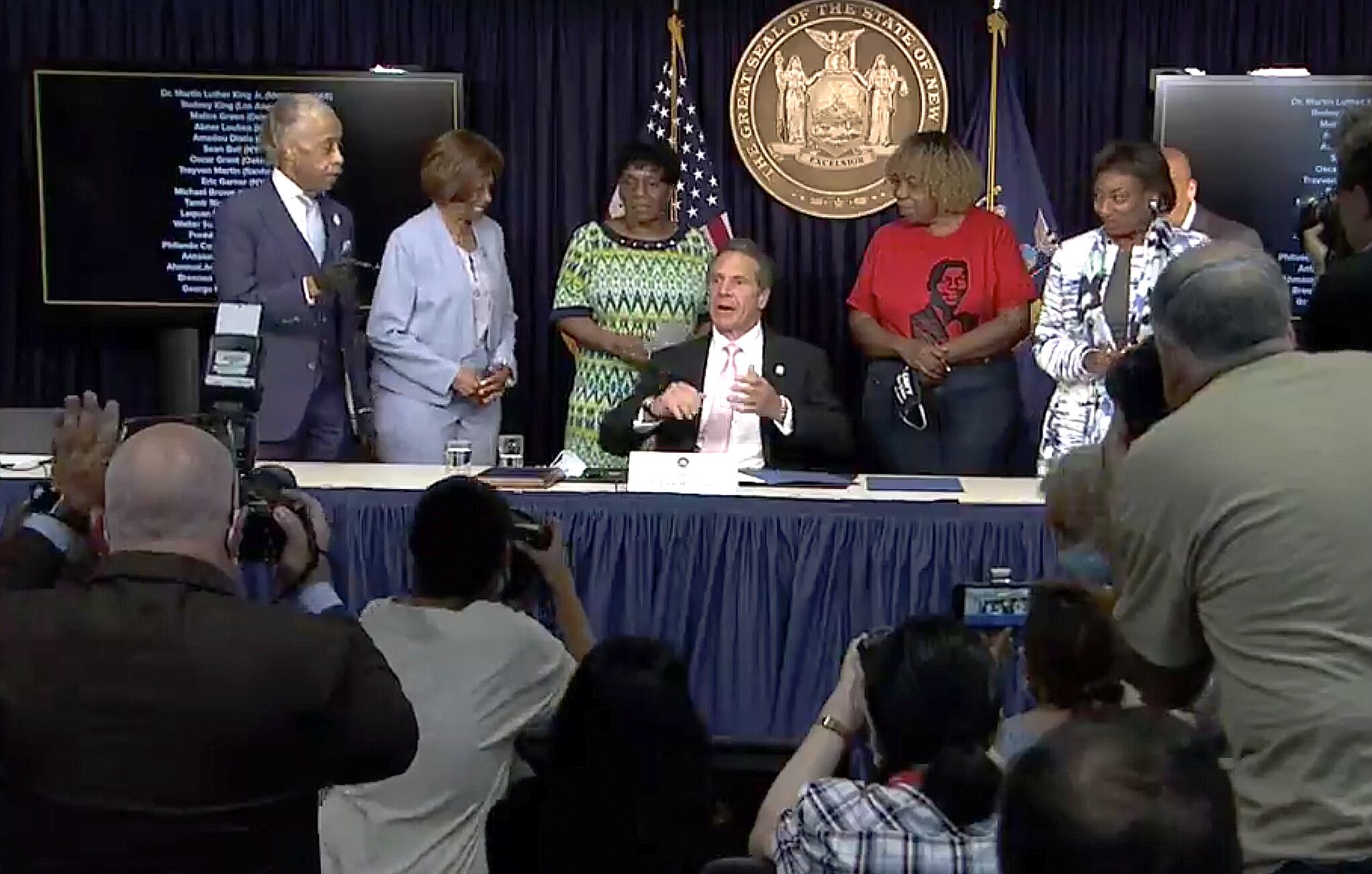
New York Gov. Andrew Cuomo has signed into law a sweeping package of police accountability measures that received new backing following protests of George Floyd's killing.
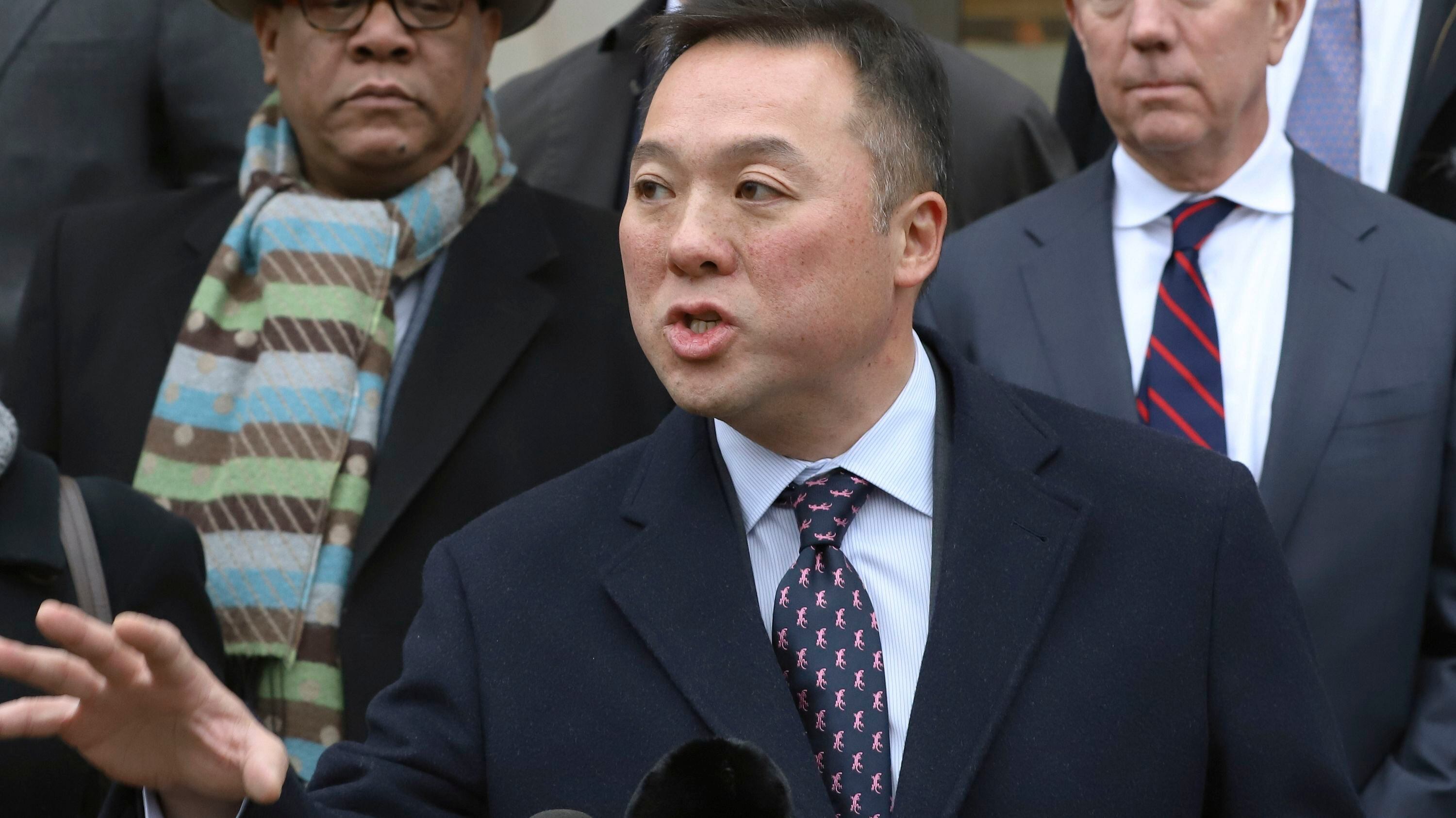
Connecticut Attorney General William Tong joined Cheddar to discuss the details of the investigation into the price-fixing of generic drugs.
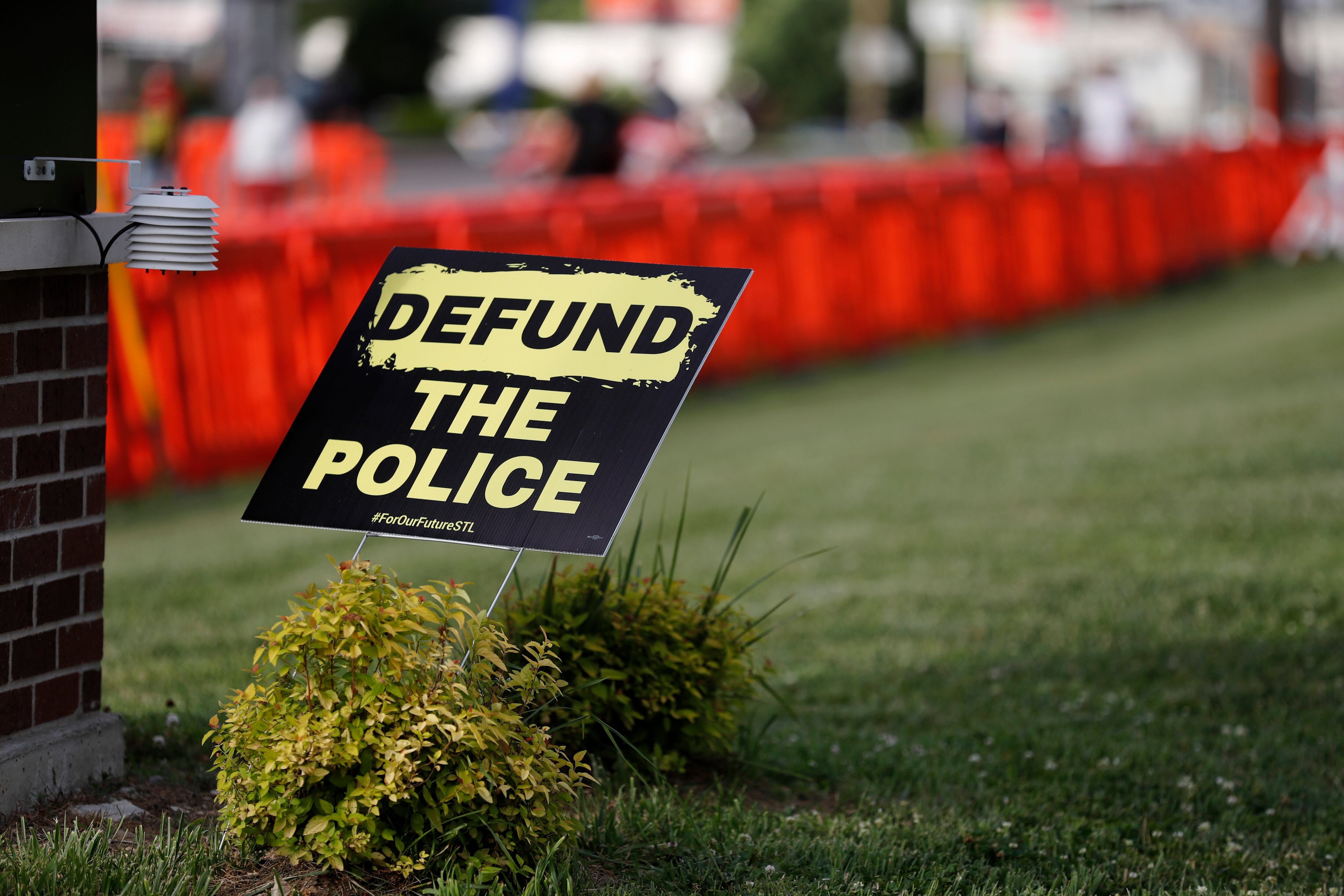
What exactly "defund" means in practice varies depending on who you're asking, but the broader goal is simple: funnel money away from law enforcement into other public programs.
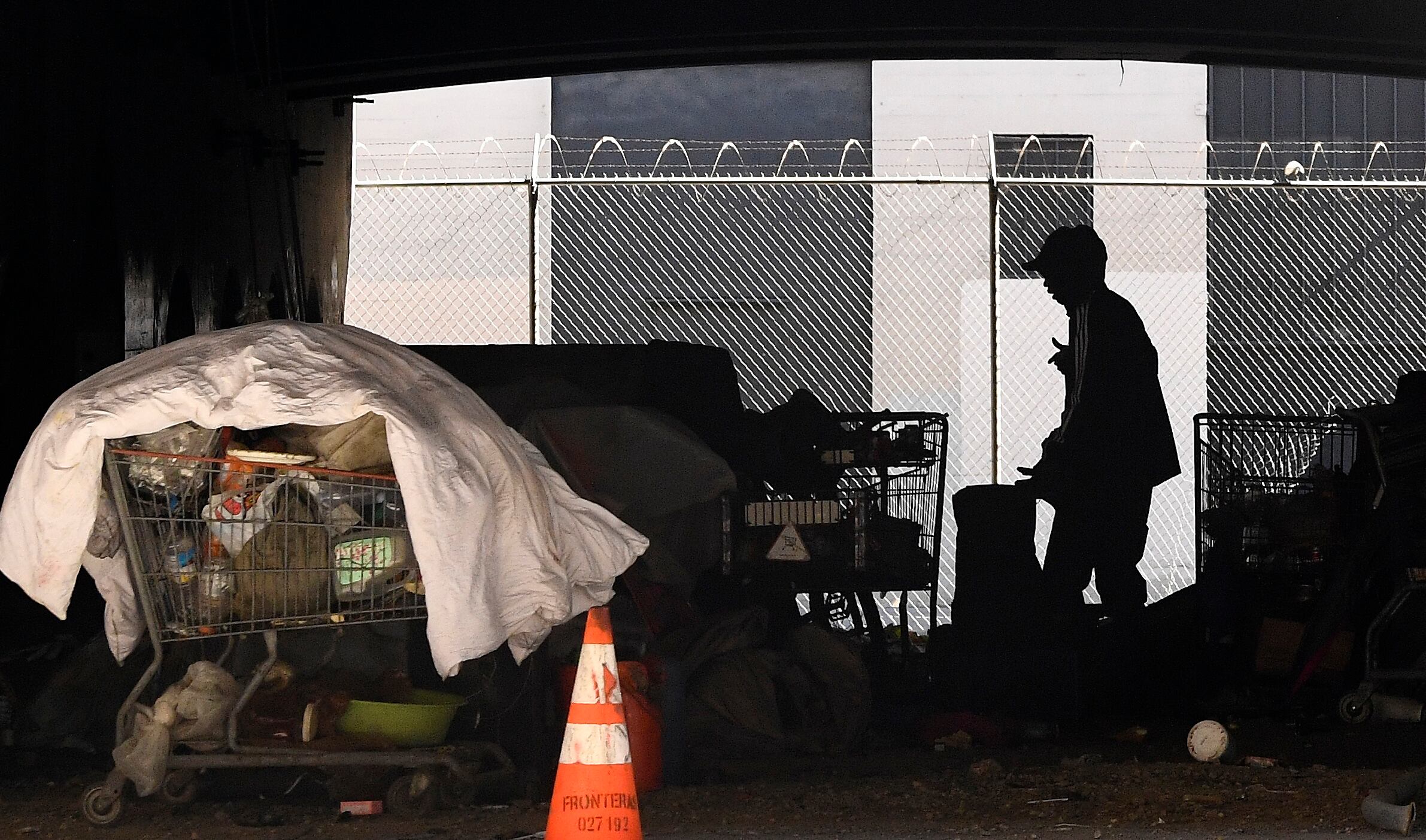
The problem of homelessness continues to get worse in Los Angeles County. The number of homeless people counted over the past year jumped nearly 13% to more than 66,000 and officials fear another spike due to the impact of the coronavirus pandemic.
As Twitter waded into controversy for taking steps to fight misinformation and controversial remarks from perhaps its most famous tweeter, President Donald Trump, Facebook has taken the opposite tack, but with no less backlash.
Will Jawando, Montgomery County, Maryland councilmember, has introduced a resolution deeming racism a public health crisis. Jawando explains how systemic racism negatively impacts the black community beyond policing.
he Dow Jones industrials lost more than 1,800 points, nearly 7%, as increases in coronavirus cases deflated optimism that the economy could recover quickly from its worst crisis in decades.