*By Christian Smith*
Pressure continues to mount on President Donald Trump to walk back his tariff policy, with Russia becoming the seventh World Trade Organization member to officially challenge the White House's duties on steel and aluminum.
And while the organization will take up these cases, Politico trade reporter Megan Cassella said the process will likely take a long time to play out.
"The WTO doesn't tend to do anything quickly," Cassella said in an interview on Cheddar Tuesday.
Even if the WTO, an intergovernmental agency that overseas international trade, does eventually come to a conclusion, the U.S. could still avoid any repercussions.
"Given the Trump administration's sort of disdain for the WTO and its legal rulings, it's also possible that, even if they do eventually come to a conclusion, Trump might just say, 'Well you know, that's it then, that's the end of the U.S. membership in the WTO'," Cassella noted.
Russia's appeal filed last week cites "numerous violations of WTO rules by the United States in introducing this measure," said Russian Economic Development Minister Maksim Oreshkin in a [statement](https://www.rt.com/business/431256-russia-tariffs-us-good/).
The 25 percent tax on foreign steel and 10 percent tax on foreign aluminum took effect June 1. The Trump administration justified the tariffs using the 1962 Trade Expansion Act, which grants the president the power to restrict imports to protect national security.
But not everyone is buying into the White House's rationale. China, India, the European Union, Canada, Mexico, Norway, and now Russia have all filed complaints with the WTO.
For the full segment, [click here.](https://cheddar.com/videos/russia-challenges-trumps-tariffs-in-wto)
From Wall Street to Silicon Valley, these are the top stories that moved markets and had investors, business leaders, and entrepreneurs talking this week on Cheddar.
It’s been Immigration Week on Capitol Hill but now it’s time to move on. So what will drive headlines in the week ahead? Here’s a look at the Washington Week Ahead.
The Secure and Fair Enforcement (SAFE) Banking Act is expected to pass the Democrat-controlled House, where it passed before in 2019 and 2020, but could face a tougher battle in the split Senate.
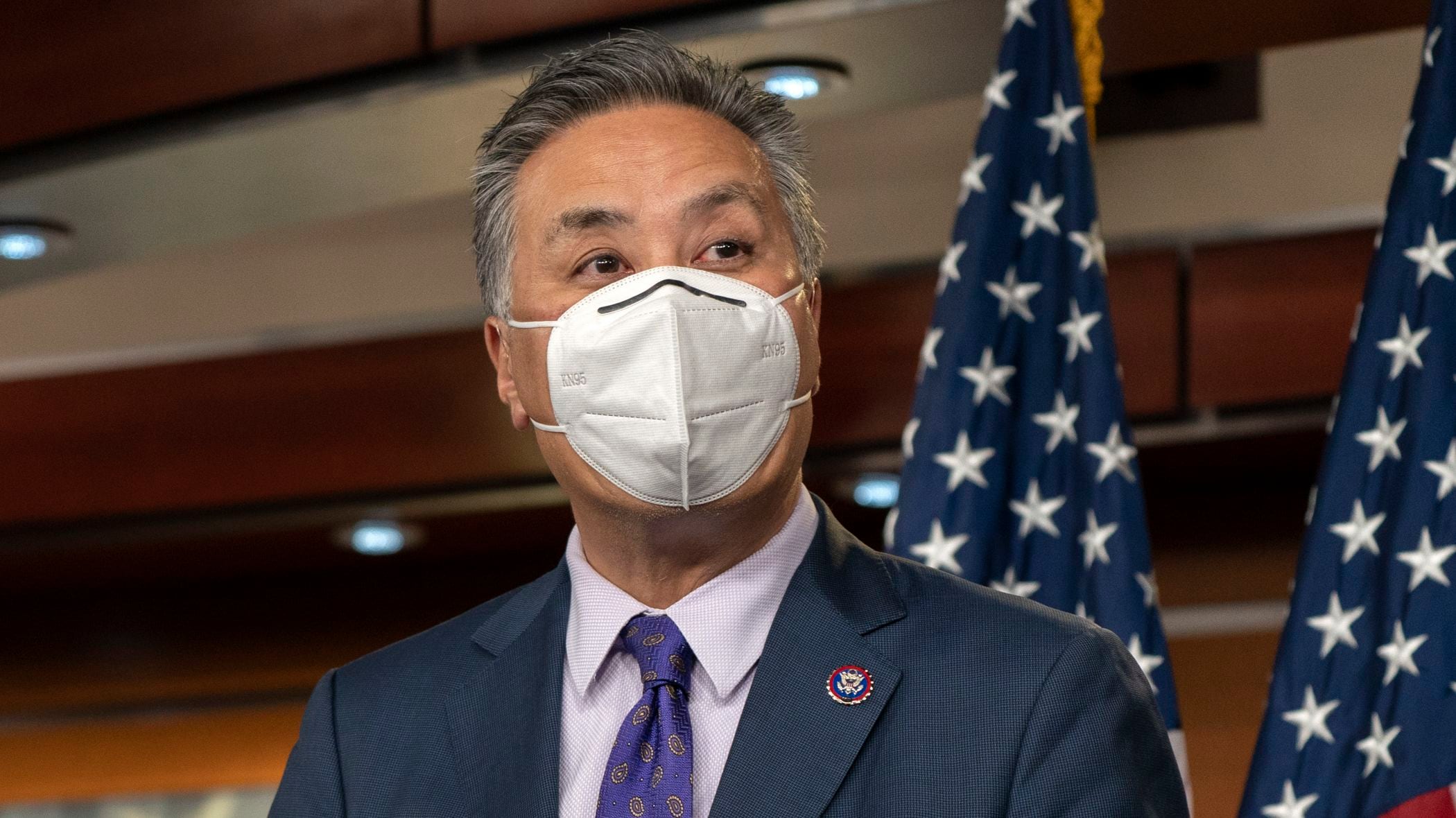
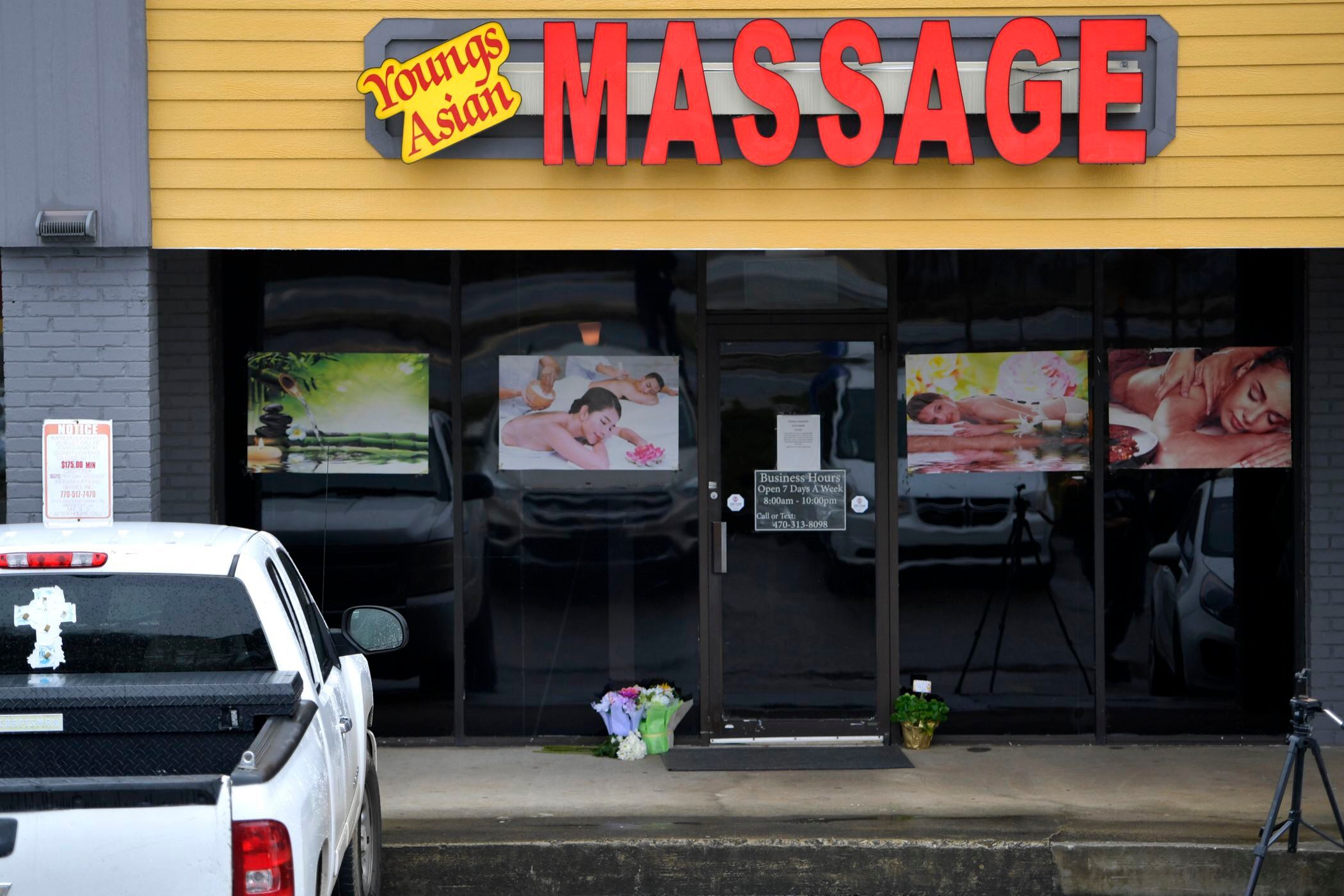
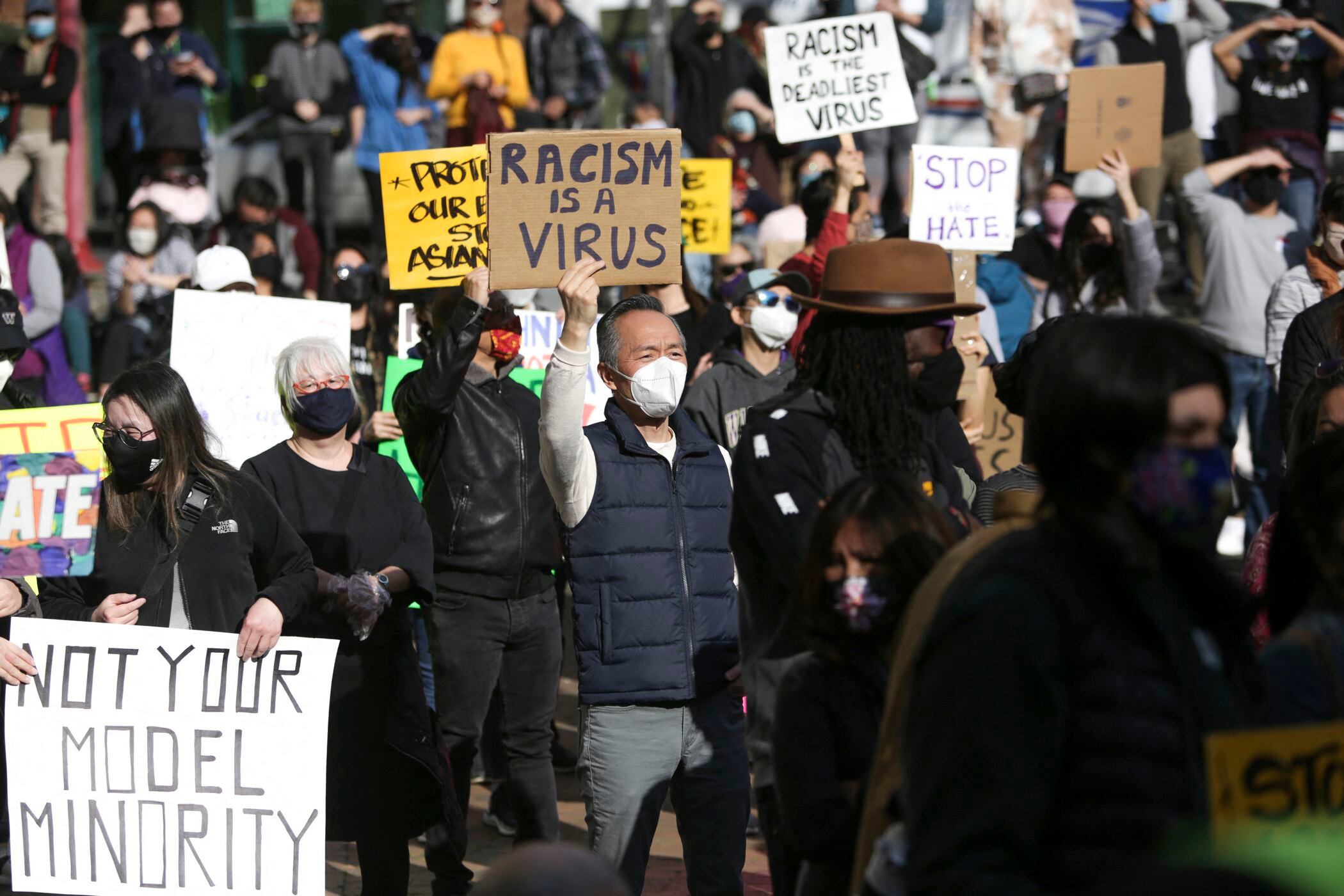
Rep. Mark Takano (D- Calif. 41st District) discusses the need to pass the COVID-19 Hate Crimes Act especially in the wake of the shooting deaths of eight people in Atlanta area spas, six of them being women of Asian descent.
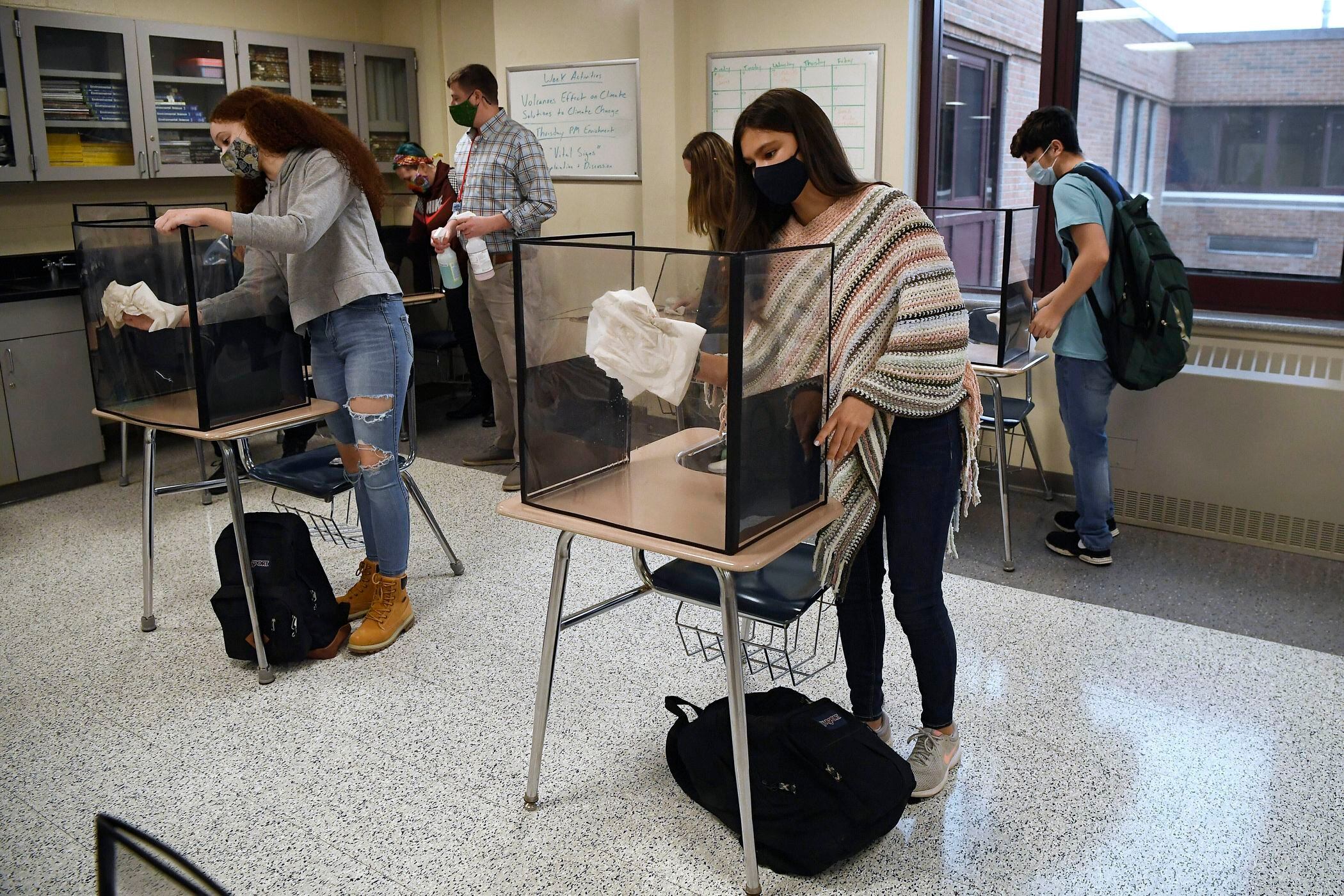
U.S. health officials are relaxing social distancing recommendations for schools, now saying students can sit as close as 3 feet to each other in classrooms.
The Federal Reserve says it will restore capital requirements for large banks that were relaxed as part of the Fed’s efforts to shore up the financial system during the early days of the pandemic.
Rep. Marilyn Strickland (D-Wash. 10th District), one of four Korean Americans to be elected to Congress, talked about the need for urgency and accountability following the killing of eight people, including six Asian women.
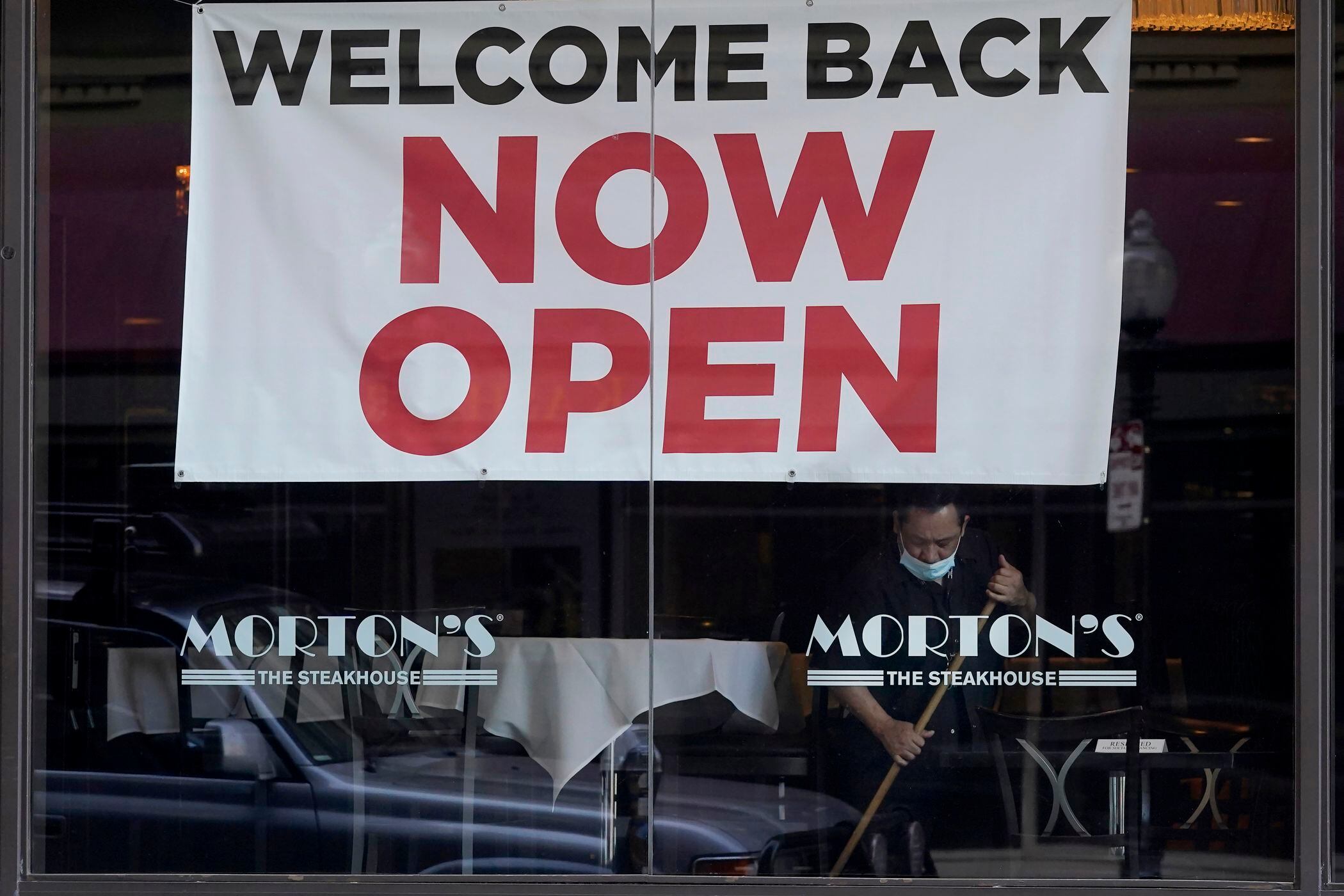
The number of Americans seeking unemployment benefits rose last week to 770,000, a sign that layoffs remain high even as much of the U.S. economy is steadily recovering from the coronavirus recession.
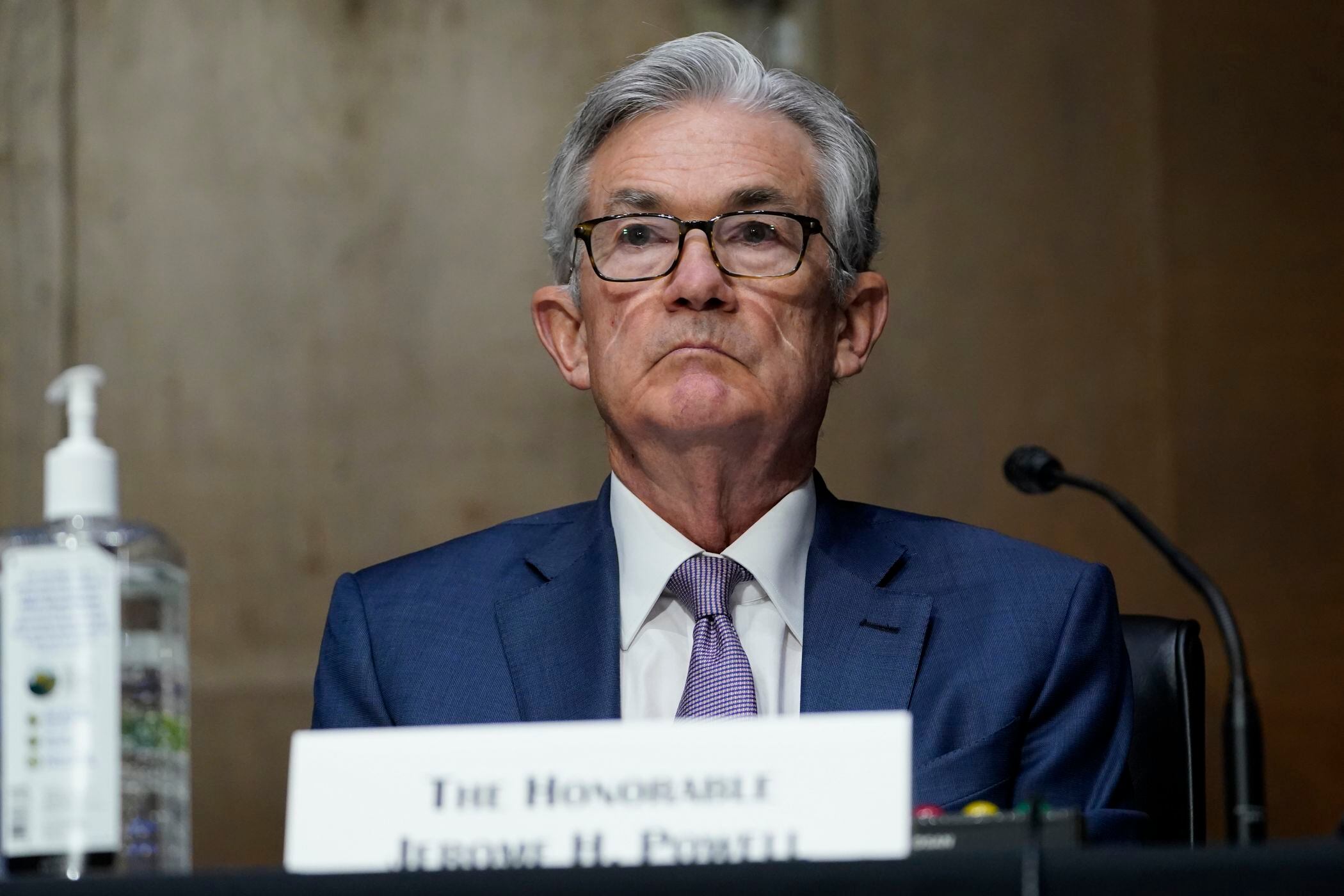
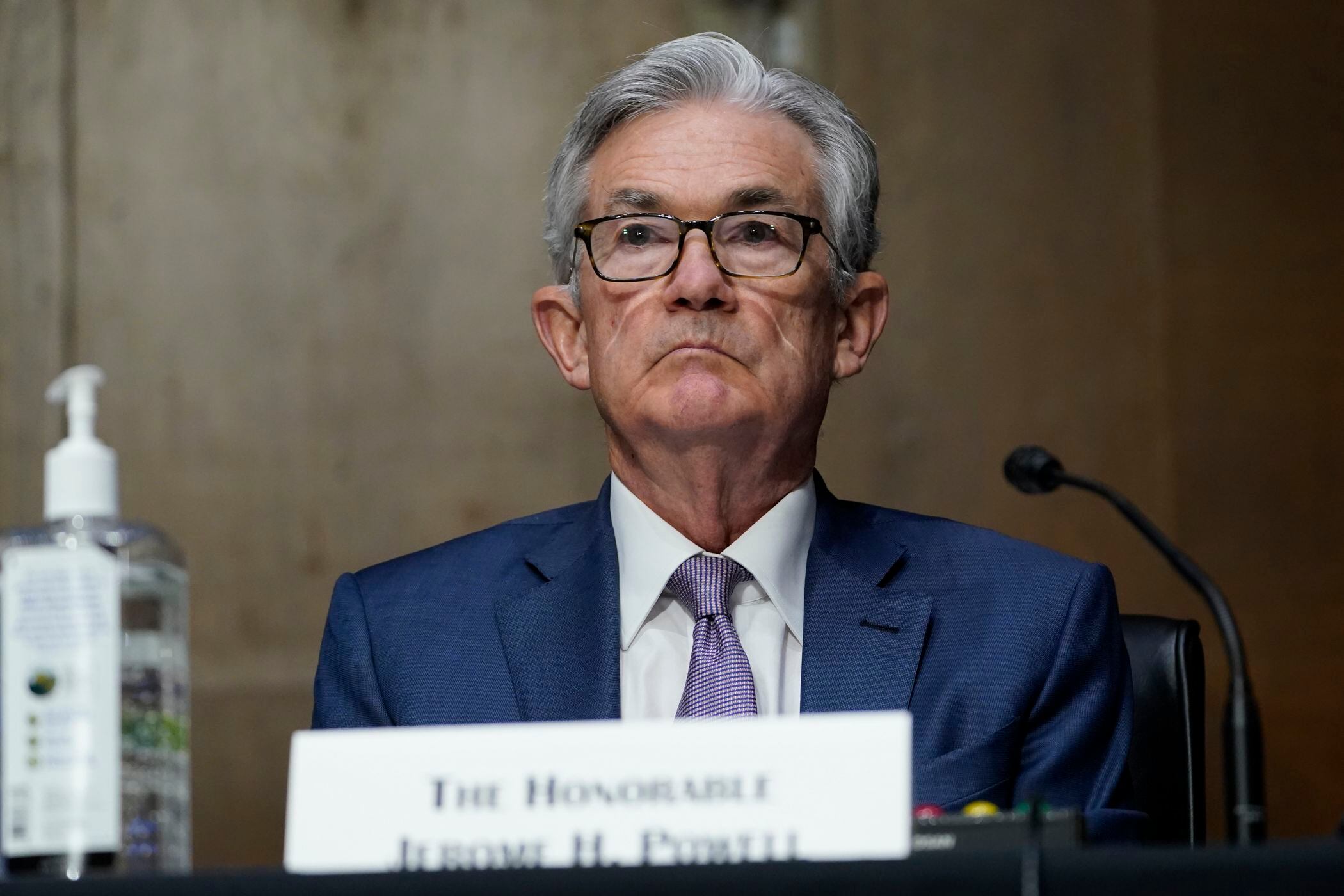
Federal Reserve Chairman Jerome Powell once again doubled down on the easy money policies that have defined the central bank's response to the pandemic-fueled economic downturn.
Stop AAPI Hate co-founder Cynthia Choi joined Cheddar to discuss anti-Asian hate crime reporting and what Americans can do to combat incidents of racial discrimination against Asian and Pacific Islander Americans.