Russia Challenges Trump Tariffs, But Will the White House Budge?
*By Christian Smith*
Pressure continues to mount on President Donald Trump to walk back his tariff policy, with Russia becoming the seventh World Trade Organization member to officially challenge the White House's duties on steel and aluminum.
And while the organization will take up these cases, Politico trade reporter Megan Cassella said the process will likely take a long time to play out.
"The WTO doesn't tend to do anything quickly," Cassella said in an interview on Cheddar Tuesday.
Even if the WTO, an intergovernmental agency that overseas international trade, does eventually come to a conclusion, the U.S. could still avoid any repercussions.
"Given the Trump administration's sort of disdain for the WTO and its legal rulings, it's also possible that, even if they do eventually come to a conclusion, Trump might just say, 'Well you know, that's it then, that's the end of the U.S. membership in the WTO'," Cassella noted.
Russia's appeal filed last week cites "numerous violations of WTO rules by the United States in introducing this measure," said Russian Economic Development Minister Maksim Oreshkin in a [statement](https://www.rt.com/business/431256-russia-tariffs-us-good/).
The 25 percent tax on foreign steel and 10 percent tax on foreign aluminum took effect June 1. The Trump administration justified the tariffs using the 1962 Trade Expansion Act, which grants the president the power to restrict imports to protect national security.
But not everyone is buying into the White House's rationale. China, India, the European Union, Canada, Mexico, Norway, and now Russia have all filed complaints with the WTO.
For the full segment, [click here.](https://cheddar.com/videos/russia-challenges-trumps-tariffs-in-wto)
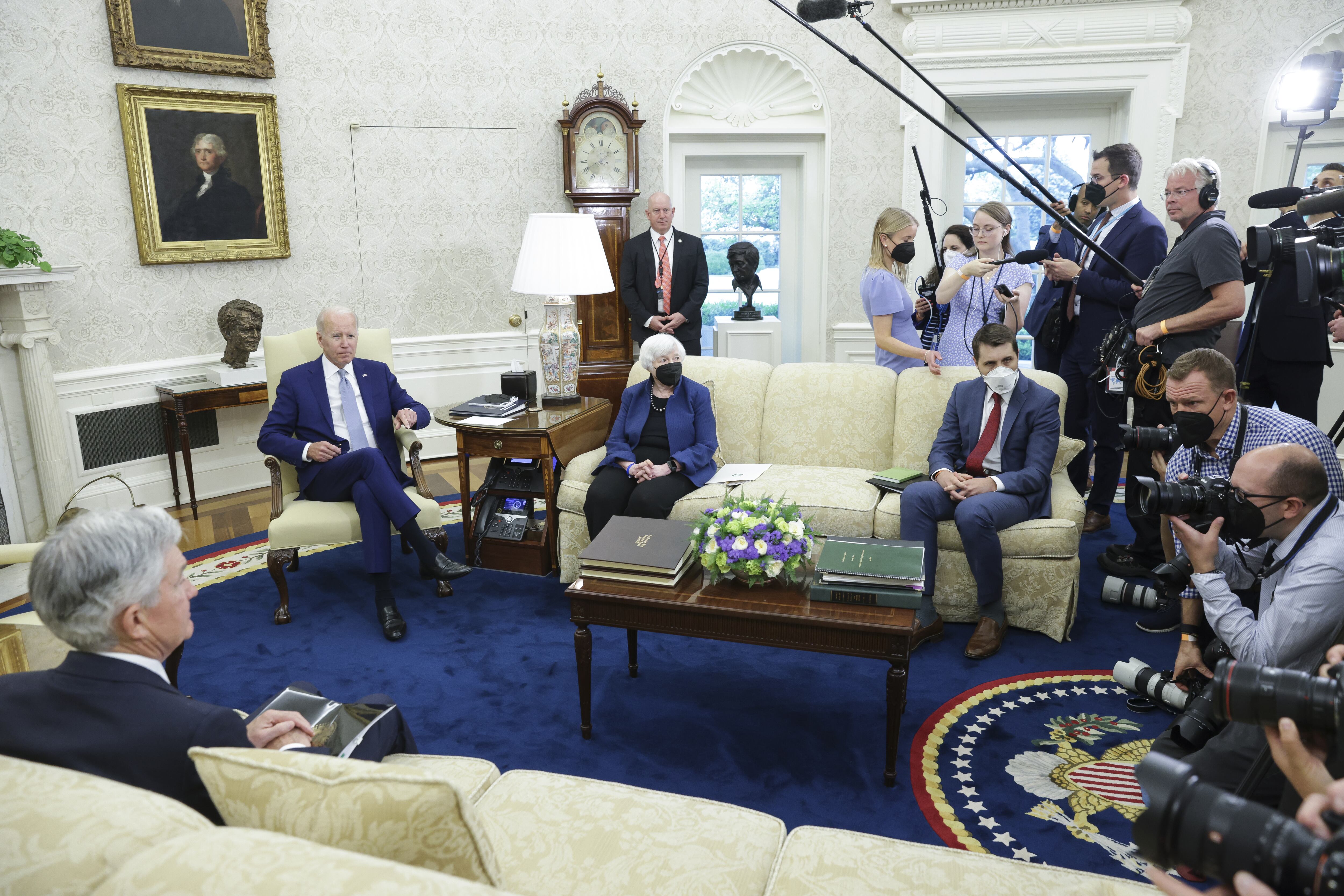
President Biden and Federal Reserve chair Jerome Powell meet at the White House today for the first time since Powell's renomination to the position. The President and the Fed Chair discussed the economy and historically high inflation, as new data shows inflation may be cooling slightly. Morning Consult economic analyst Jesse Wheeler joins Cheddar News' Closing Bell to discuss how the Biden administration at the U.S. central bank can work together to combat soaring prices for American consumers.
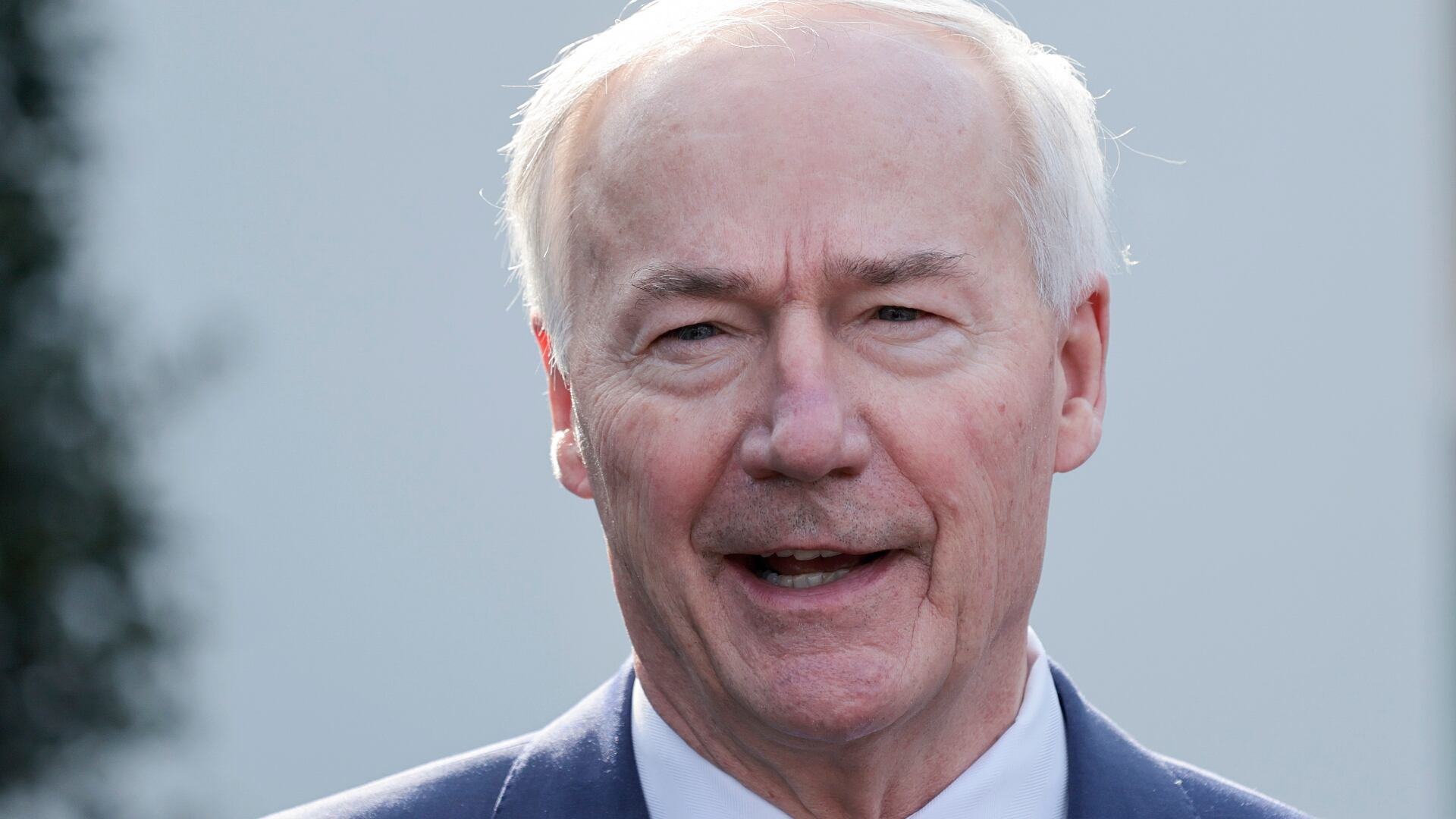
In the second part of Cheddar's talk with Governor Asa Hutchinson, the Republican from Arkansas discussed his state's abortion trigger law and the overturning of Roe v. Wade, the Texas law that would prevent social media platform moderation currently being held up by the U.S. Supreme Court, and rumors of his 2024 presidential run. "I did go to New Hampshire. I am testing the waters out there, so no decision at this point. But we're looking at it," he said, noting that if former President Donald Trump runs, it would not affect his own decision.
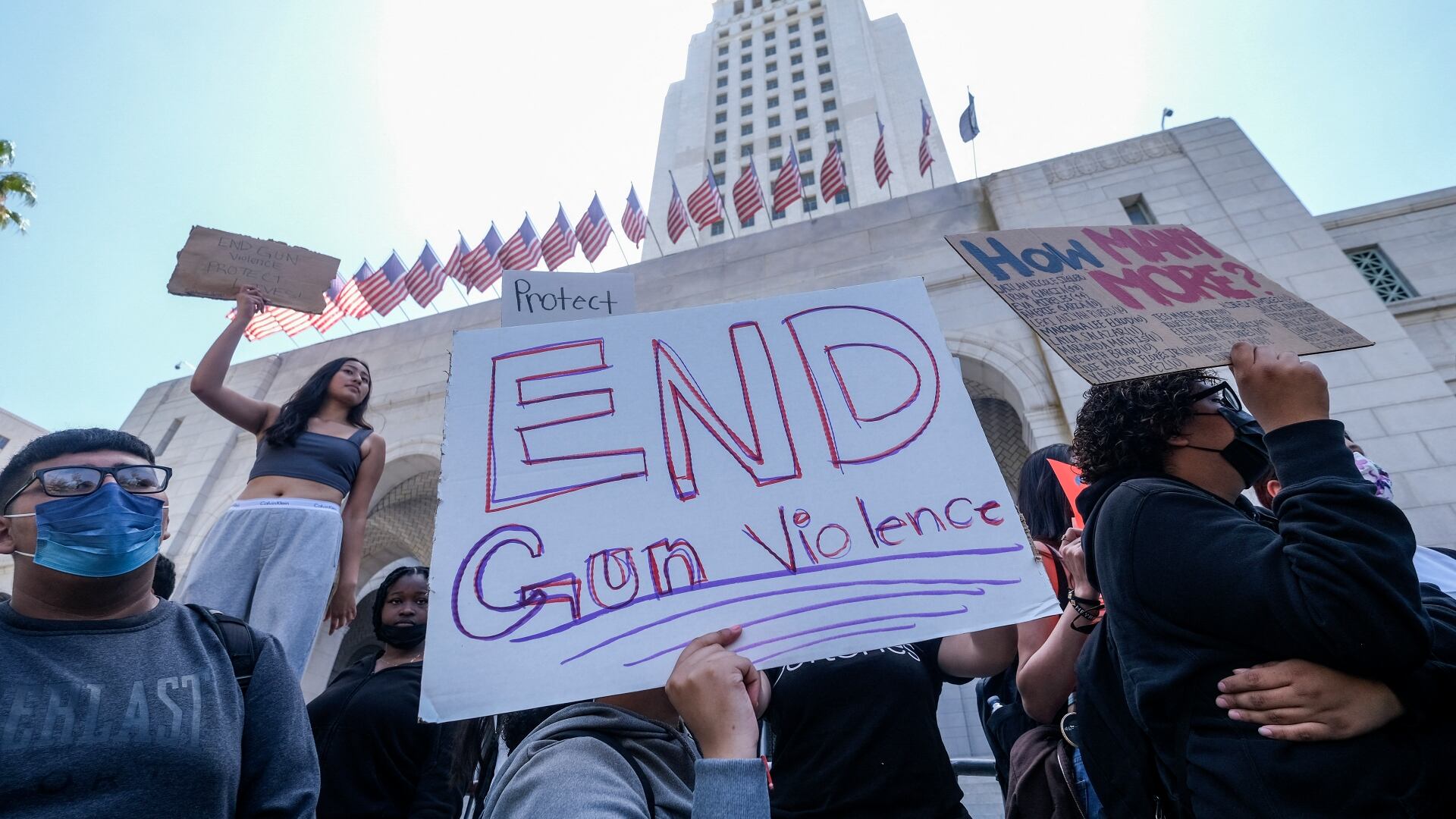
Cheddar Politics looks at the ongoing efforts to pass meaningful gun safety laws in both Chambers of Congress following multiple mass shootings. Lisa Hagen, senior political reporter for U.S. News and World Report, helps break down why Senators are hopeful that a modest bipartisan gun safety package might be able to overcome a filibuster.
Join Cheddar News as we break down the top headlines this morning including updates on the Tulsa medical center shooting, Johnny Depp V. Amber Heard verdict, and Democrats push for gun control reform.
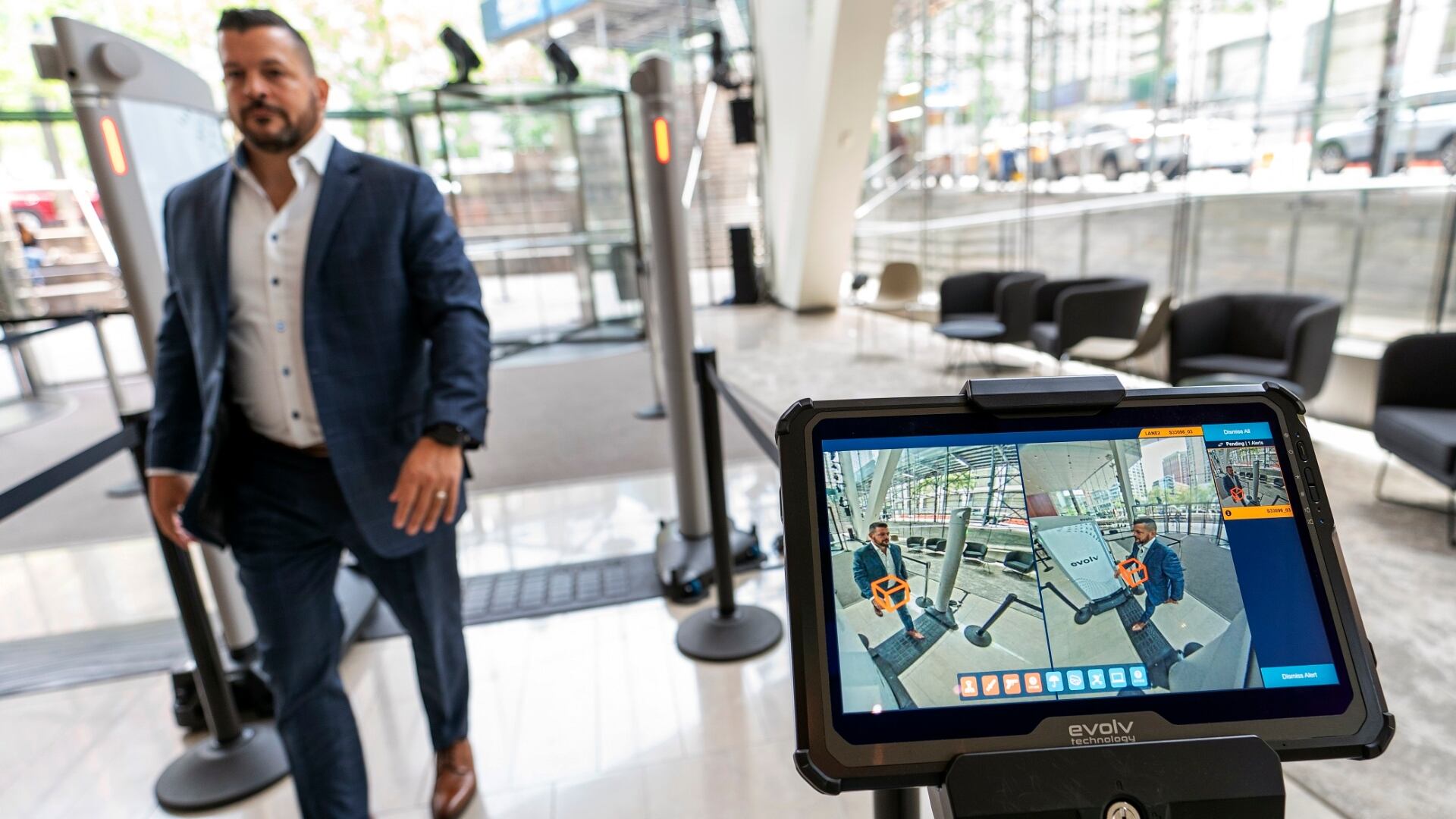
After two subway shootings in two months and the more recent mass shootings in Uvalde, Texas, and Buffalo, New York, Mayor Eric Adams is calling for gun detection scanners to be installed in New York City subways. The tech would be similar to that used in sporting arenas, however, experts note multiple difficulties with such a setup including the need for nearby human operators.
Catching you up on what you need to know on Wednesday, June 1, 2022, House lawmakers hold an emergency hearing on gun control measures in the wake of the Uvalde shooting, the Supreme Court temporarily blocks Texas' law stopping social media moderation, and the James Webb Space Telescope gets a new mission.
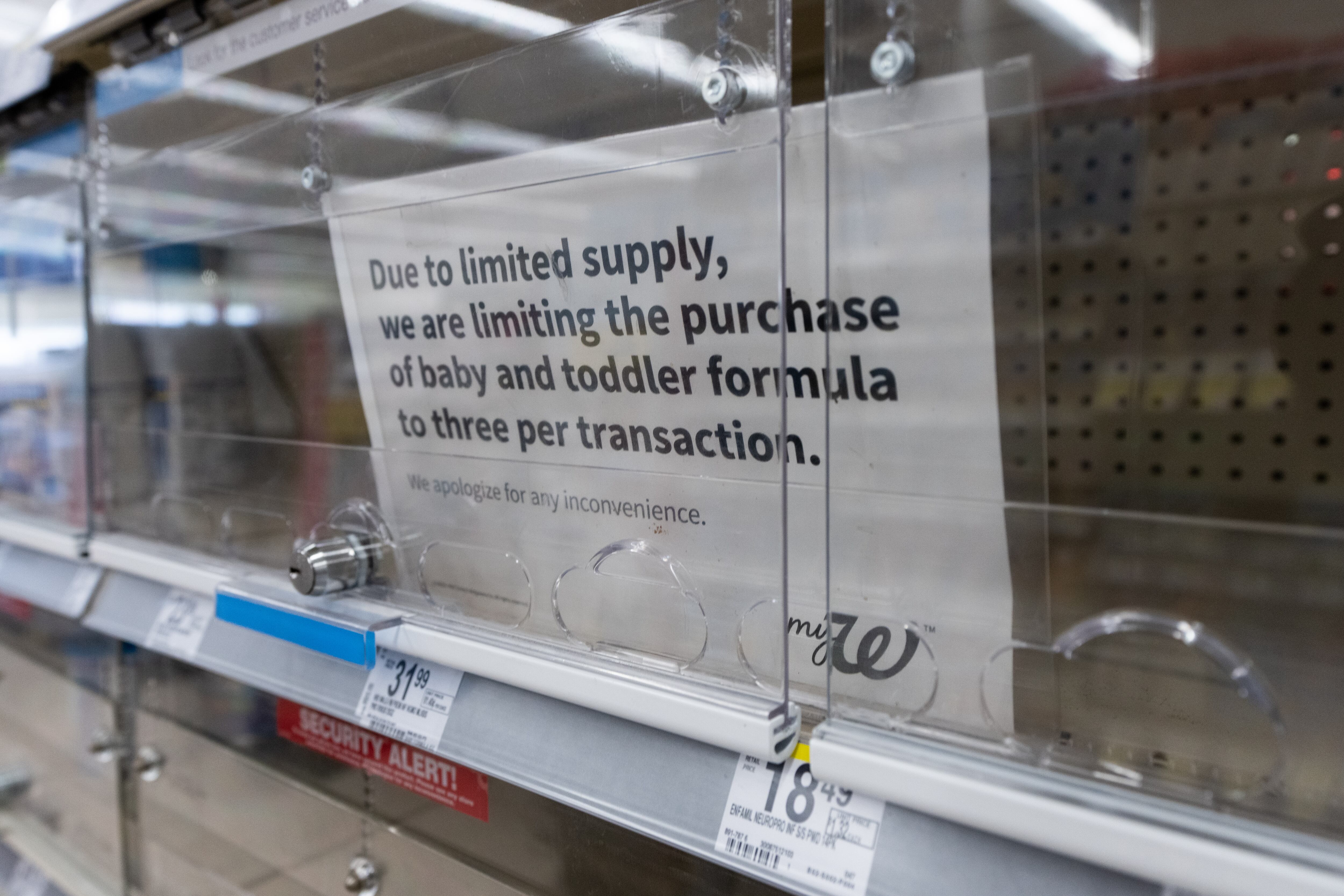
With the baby formula in the United States surging to an out-of-stock rate of 70 percent, the FDA has given Abbott permission to reopen its Michigan plant amid the crisis and authorized foreign imports. Professor Peter Pitts, a former FDA associate commissioner and current president of the Center for Medicine in the Public Interest, joined Cheddar News to discuss the ongoing shortage and its wide impact. “As difficult as things is in urban areas, they’re even worse in small communities and tribal areas where parents can't just go to the next store on the corner," he said. Pitts also noted that the Abbott factory was a "disaster" prior to its shutdown and that it would have been "regulatory malpractice" to have left it open.
Cheddar's Megan Pratz reports from the ground in Uvalde, Texas where the community's grief and frustration with lawmakers and police officers grows as more details emerge.