Russia Challenges Trump Tariffs, But Will the White House Budge?
*By Christian Smith*
Pressure continues to mount on President Donald Trump to walk back his tariff policy, with Russia becoming the seventh World Trade Organization member to officially challenge the White House's duties on steel and aluminum.
And while the organization will take up these cases, Politico trade reporter Megan Cassella said the process will likely take a long time to play out.
"The WTO doesn't tend to do anything quickly," Cassella said in an interview on Cheddar Tuesday.
Even if the WTO, an intergovernmental agency that overseas international trade, does eventually come to a conclusion, the U.S. could still avoid any repercussions.
"Given the Trump administration's sort of disdain for the WTO and its legal rulings, it's also possible that, even if they do eventually come to a conclusion, Trump might just say, 'Well you know, that's it then, that's the end of the U.S. membership in the WTO'," Cassella noted.
Russia's appeal filed last week cites "numerous violations of WTO rules by the United States in introducing this measure," said Russian Economic Development Minister Maksim Oreshkin in a [statement](https://www.rt.com/business/431256-russia-tariffs-us-good/).
The 25 percent tax on foreign steel and 10 percent tax on foreign aluminum took effect June 1. The Trump administration justified the tariffs using the 1962 Trade Expansion Act, which grants the president the power to restrict imports to protect national security.
But not everyone is buying into the White House's rationale. China, India, the European Union, Canada, Mexico, Norway, and now Russia have all filed complaints with the WTO.
For the full segment, [click here.](https://cheddar.com/videos/russia-challenges-trumps-tariffs-in-wto)
As negotiations drag on in Washington, DC over President Biden's social spending bills, Senate Democrats have introduced a new idea to fund Biden's plans: taxing the unrealized capital gains held by billionaires. Barron's reporter Sabrina Escobar joins Cheddar News' Closing Bell, where she explains what's in the billionaire tax proposal, who it will impact, and why it's on the table.
Hunter Walker joins Cheddar News to talk about his report in Rolling Stone that revealed how members of Congress and the White House helped plan the protest that turned violent on January 6.
Jill and Carlo discuss the pending approval for Pfizer's vaccine for kids, the state of anti-Semitism three years after Tree of Life, potential criminal charges in the 'Rust' prop gun shooting and more.
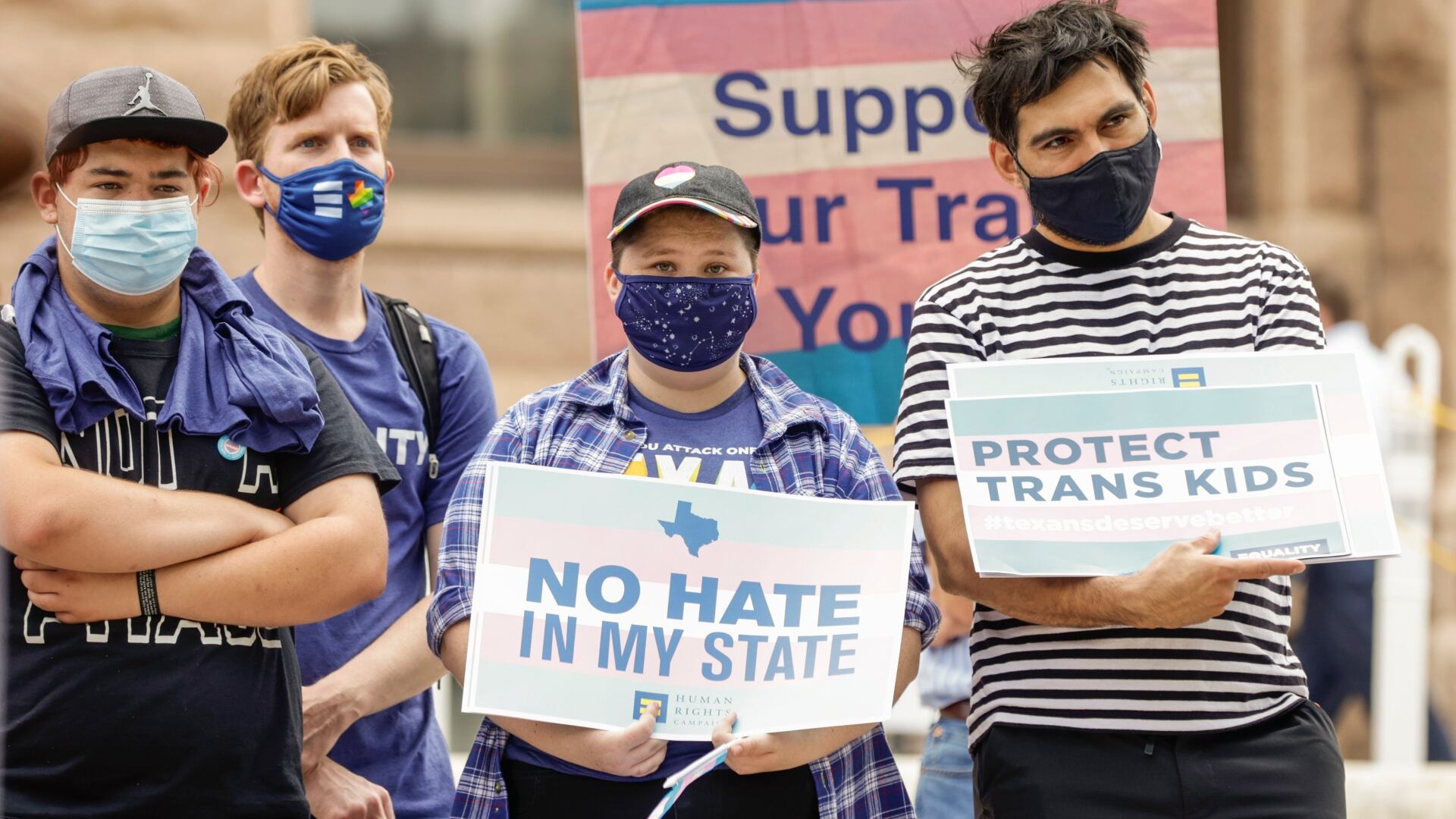
Texas Governor Greg Abbott, a Republican, signed a bill into law on Tuesday that restricts transgender students from playing on sports teams that correspond with their gender identity. Democratic State Representative Mary E. Gonzalez joined Cheddar to discuss the ramifications for transgender youth the new law represents. She also disputed the bill's proponents who argue that the measure is a matter of fairness for girls in sports, noting that various medical groups have affirmed that transgender athletes do not inherently hold an advantage over cisgender ones.
COP26 been dealt a blow as Chinese President Xi Jinping and Russian President Vladimir Putin, whose countries are responsible for a third of the world's annual greenhouse gas emissions, will not be in attendance. Bertrand Piccard, Chairman and Founder of the Solar Impulse Foundation, joins Cheddar Climate, where he discusses what he expects to see when the summit commences in Glasgow.
Social media platforms TikTok, Snapchat, and YouTube are facing questions in DC about consumer protections, data security, and product safety for young users. Emily Birnbaum, tech lobbying and influence reporter at Politico, joined Cheddar to provide some background into what led to the congressional hearing and the potential outcome. Birnbaum noted that social media platforms have been attempting to distance themselves from Facebook and the ongoing bad press it garnered in recent months.