Russia Challenges Trump Tariffs, But Will the White House Budge?
*By Christian Smith*
Pressure continues to mount on President Donald Trump to walk back his tariff policy, with Russia becoming the seventh World Trade Organization member to officially challenge the White House's duties on steel and aluminum.
And while the organization will take up these cases, Politico trade reporter Megan Cassella said the process will likely take a long time to play out.
"The WTO doesn't tend to do anything quickly," Cassella said in an interview on Cheddar Tuesday.
Even if the WTO, an intergovernmental agency that overseas international trade, does eventually come to a conclusion, the U.S. could still avoid any repercussions.
"Given the Trump administration's sort of disdain for the WTO and its legal rulings, it's also possible that, even if they do eventually come to a conclusion, Trump might just say, 'Well you know, that's it then, that's the end of the U.S. membership in the WTO'," Cassella noted.
Russia's appeal filed last week cites "numerous violations of WTO rules by the United States in introducing this measure," said Russian Economic Development Minister Maksim Oreshkin in a [statement](https://www.rt.com/business/431256-russia-tariffs-us-good/).
The 25 percent tax on foreign steel and 10 percent tax on foreign aluminum took effect June 1. The Trump administration justified the tariffs using the 1962 Trade Expansion Act, which grants the president the power to restrict imports to protect national security.
But not everyone is buying into the White House's rationale. China, India, the European Union, Canada, Mexico, Norway, and now Russia have all filed complaints with the WTO.
For the full segment, [click here.](https://cheddar.com/videos/russia-challenges-trumps-tariffs-in-wto)
Jill and Carlo discuss what appears to be the beginning of the end of Roe v. Wade, another victim dies following the school shooting in Michigan, Omicron in the U.S., Trump's Covid chronology and more.
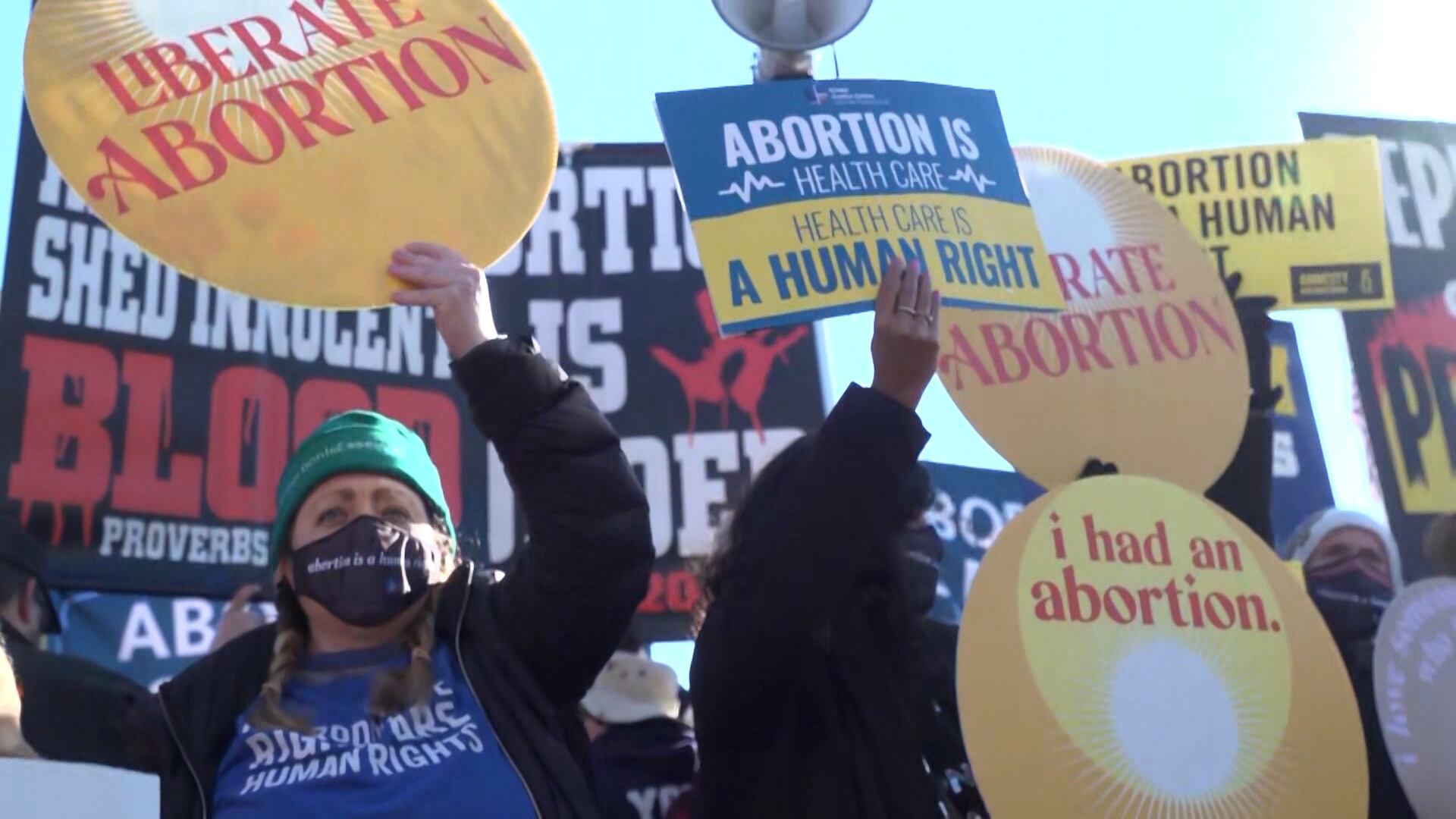
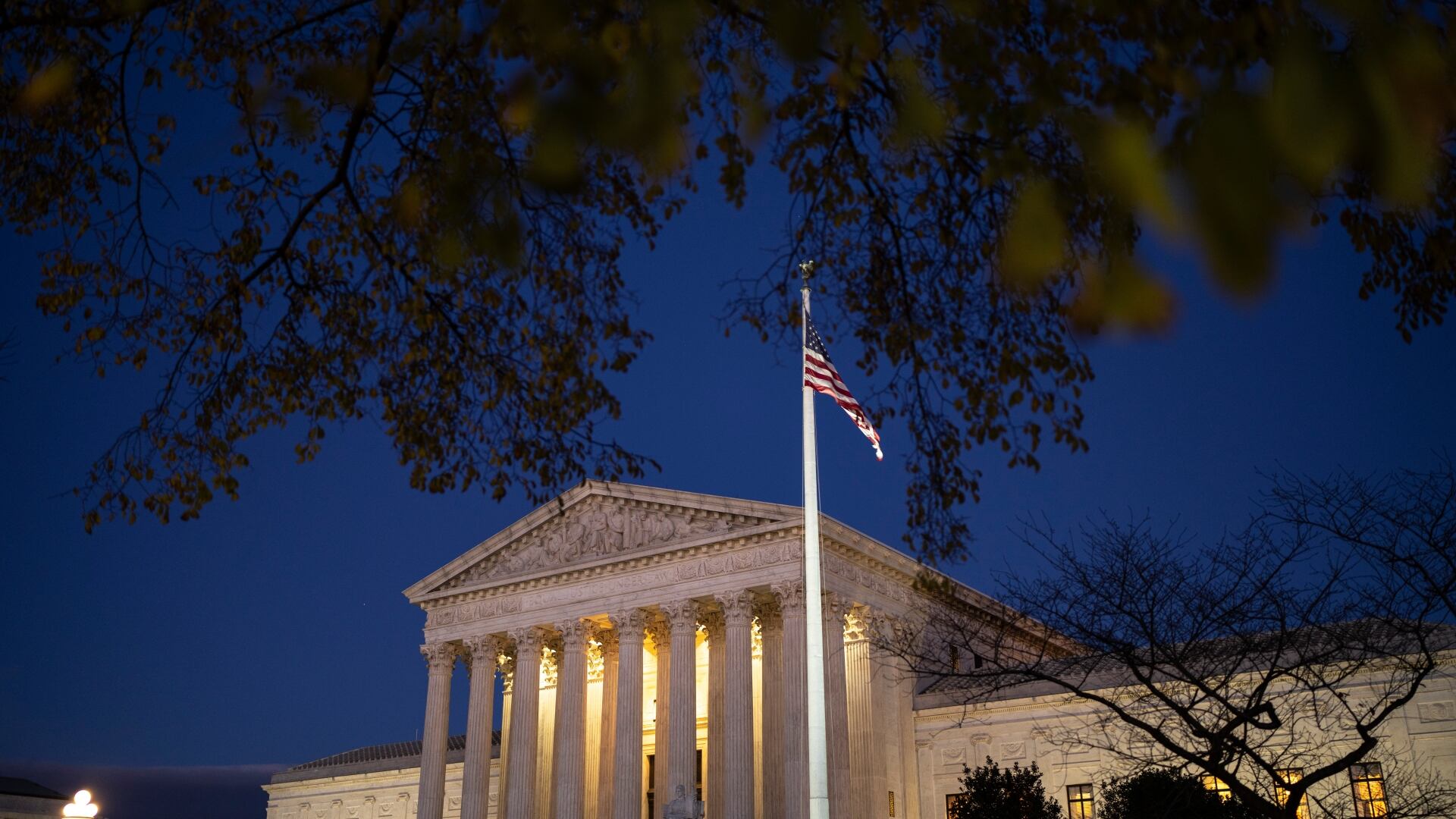
The Supreme Court appeared prepared Wednesday to uphold a Mississippi law that would ban almost all abortions after 15 weeks of pregnancy. The ruling is far from over, with Roe V. Wade at risk. Susan Rinkunas, senior reporter at Jezebel, joins Cheddar News to share the developments of the hearing.
The nine justices heard arguments Wednesday, around a Mississippi abortion law that bans the procedure after 15 weeks and appeared to lean toward upholding the law, while leaving uncertainty about the landmark precedent, Roe v. Wade. Kristin Ford, vice president of communications and research at NARAL Pro-Choice America joins Cheddar News to discuss.
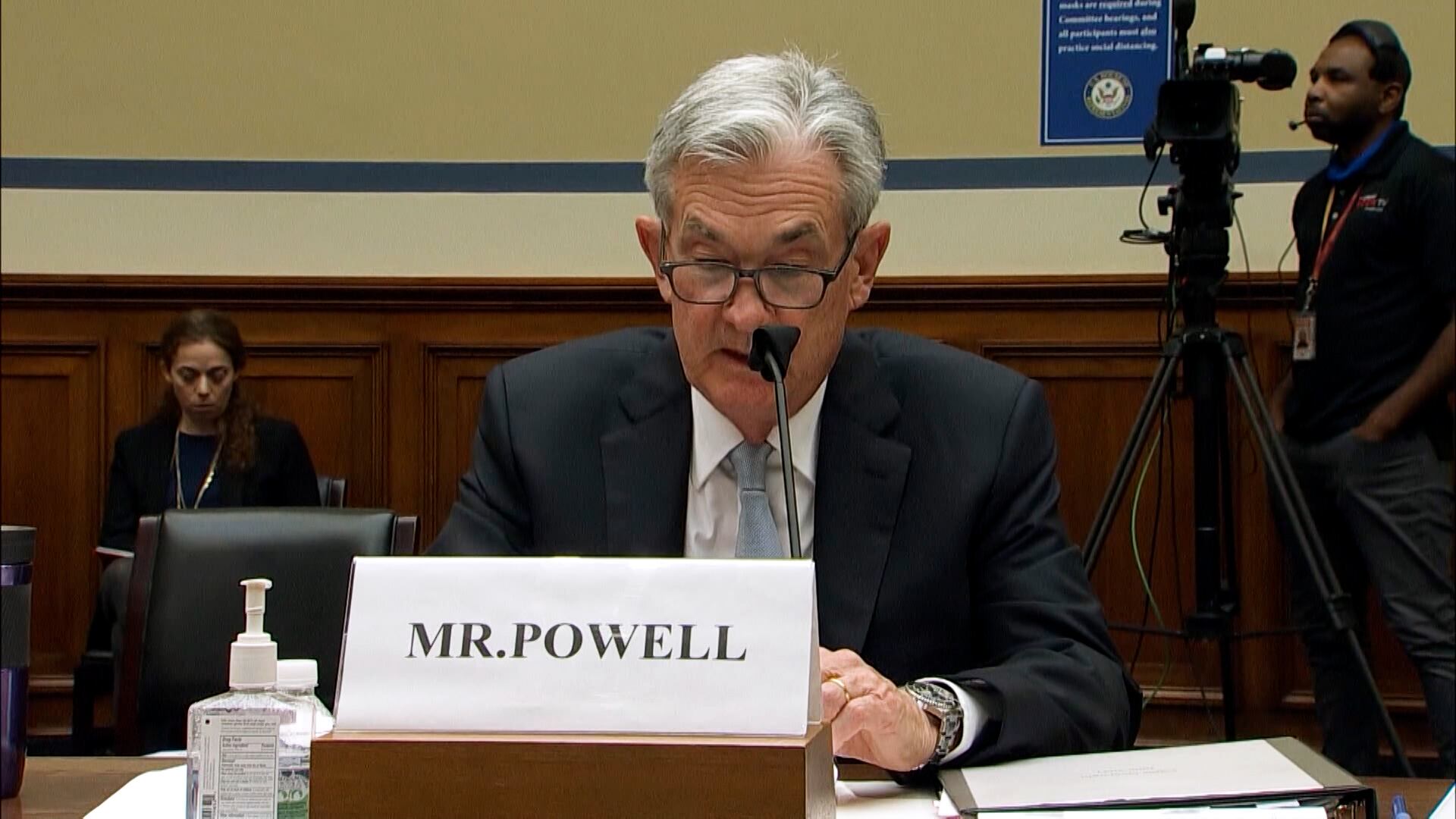
Just about a week after being re-nominated, Federal Reserve Chair Jermone Powell is changing his tune. After nearly a year of referring to inflation as 'transitory,' Powell said he will retire the 'T' word as inflation remains elevated. Christopher Russo, Post-Graduate Research Fellow, Mercatus Center joined Cheddar's Opening Bell to discuss.
Airbnb has come under fire after an Axios report found that the rental company has properties available in China's Xinjiang region where the nation has been accused of committing genocide against Uyghur Muslims, demolishing their homes, and replacing them with tourist attractions.
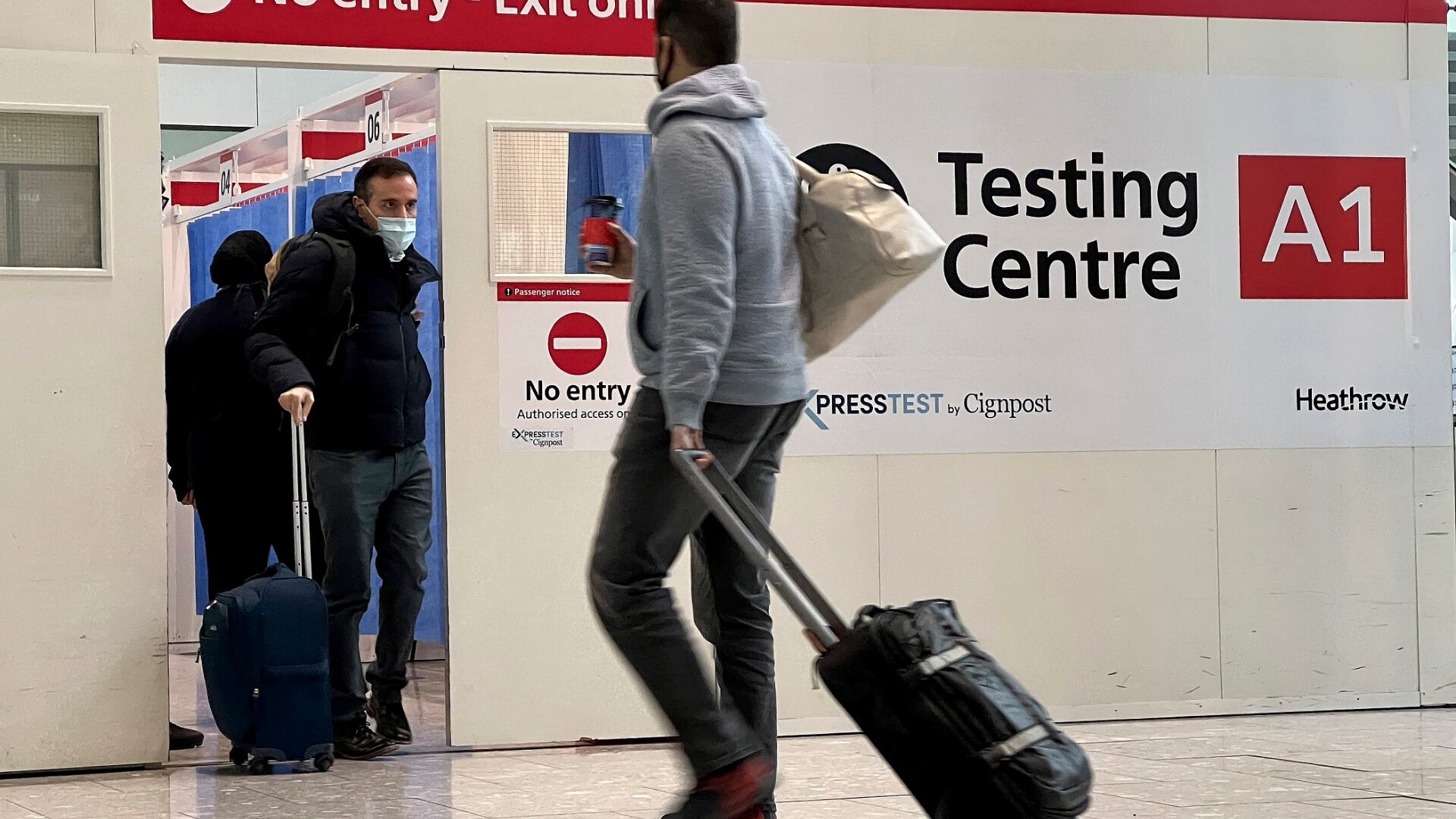
With the emergence of the omicron variant, the U.S. is considering tightening international travel guidelines. The CDC said it might reduce the window for foreign travelers to submit a negative COVID-19 test from three days prior to one day before allowing entry.
Jill and Carlo cover the latest on Omicron, another school shooting in America and more. Plus, bidding farewell to 'transitory' inflation, and the controversy surrounding 'Lovely Bones' author Alice Sebold.