A Russian space official on Friday blamed a software problem on a newly docked science lab that briefly knocked the International Space Station out of position.
The space station lost control of its orientation for 47 minutes on Thursday, when Russia's Nauka science lab accidentally fired its thrusters a few hours after docking, pushing the orbiting complex from its normal configuration. The station’s position is key for getting power from solar panels and or communications. Communications with ground controllers also blipped out twice for a few minutes.
Vladimir Solovyov, flight director of the space station's Russian segment, blamed the incident on a “short-term software failure.” In a statement released by the Russian space agency Roscosmos on Friday, Solovyov said that because of the failure, a direct command to turn on the lab's engines was mistakenly implemented.
He added that the incident was “quickly countered by the propulsion system” of another Russian component at the station and “at the moment, the station is in its normal orientation” and all its systems “are operating normally.”
NASA said Thursday that the incident moved 45 degrees out of attitude, about one-eighth of a complete circle, but the complex was never spinning, there was no immediate damage or danger to the crew.
The incident caused NASA to postpone a repeat test flight for Boeing’s crew capsule that had been set for Friday afternoon from Florida. It will be Boeing’s second attempt to reach the 250-mile-high (400-kilomter-high) station before putting astronauts on board. Software problems botched the first test.
Russia’s long-delayed 22-ton (20-metric-ton) lab called Nauka arrived earlier Thursday, eight days after it launched from the Russian launch facility in Baikonur, Kazakhstan.
The launch of Nauka, which will provide more room for scientific experiments and space for the crew, had been repeatedly delayed because of technical problems. It was initially scheduled to go up in 2007.
In 2013, experts found contamination in its fuel system, resulting in a long and costly replacement. Other Nauka systems also underwent modernization or repairs.
Stretching 43 feet (13 meters) long, Nauka became the first new compartment for the Russian segment of the outpost since 2010. On Monday, one of the older Russian units, the Pirs spacewalking compartment, undocked from the station to free up room for the new lab.
Nauka will require many maneuvers, including up to 11 spacewalks beginning in early September, to prepare it for operation.
According to Solovyov, on Friday the crew was busy equalizing the pressure in Nauka and planned to open the hatch to the lab later in the day.
The space station is currently operated by NASA astronauts Mark Vande Hei, Shane Kimbrough and Megan McArthur; Oleg Novitsky and Pyotr Dubrov of Russia’s Roscosmos space corporation; Japan Aerospace Exploration Agency astronaut Akihiko Hoshide and European Space Agency astronaut Thomas Pesquet.
In 1998, Russia launched the station’s first compartment, Zarya, which was followed in 2000 by another big piece, Zvezda, and three smaller modules in the following years. The last of them, Rassvet, arrived at the station in 2010.
___
Seth Borenstein in Kensington, Maryland, and Vladimir Isachenkov in Moscow, contributed to this report.
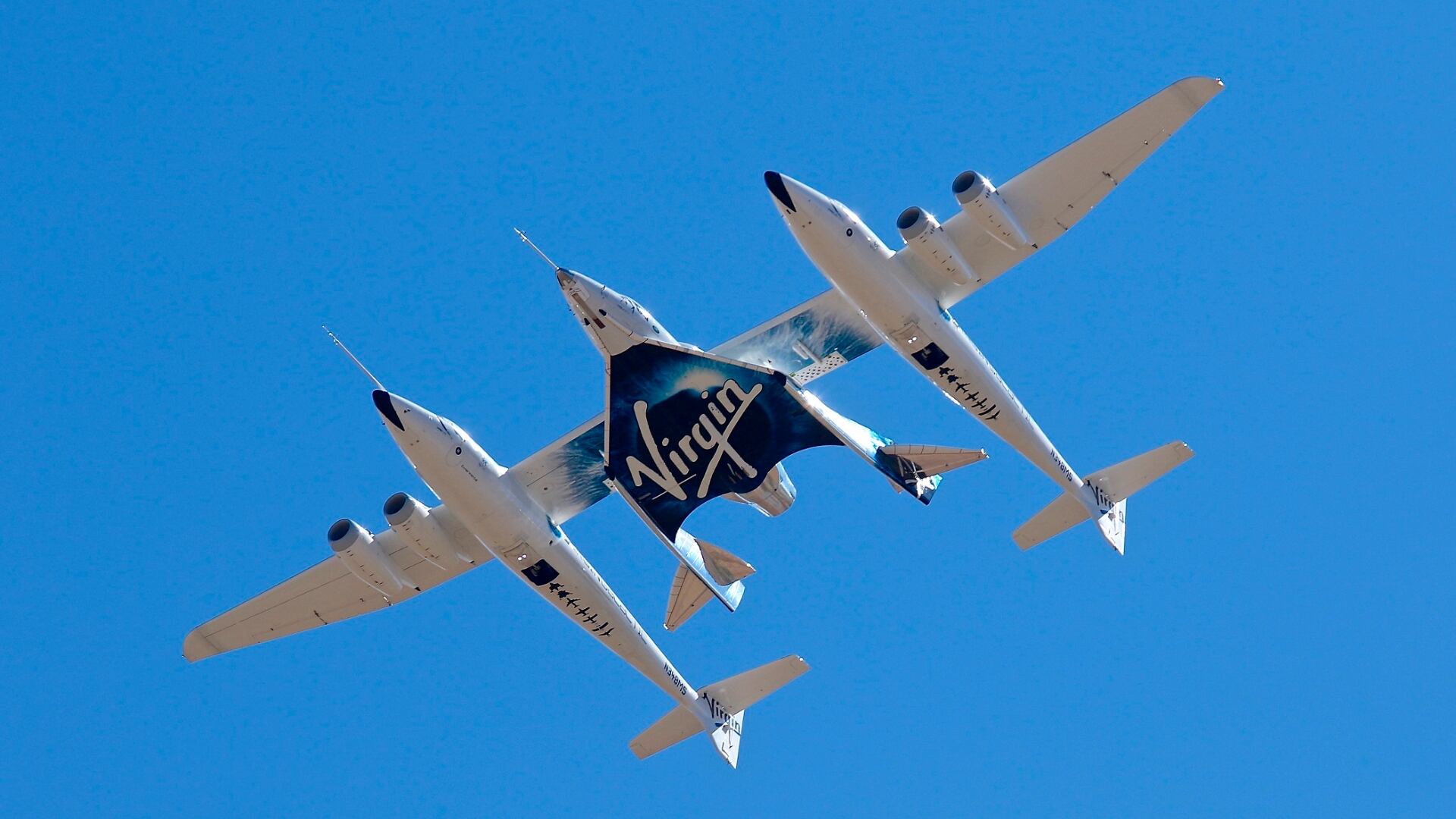
Virgin Galactic is reporting an increase in demand for commercial space flights after seeing a boost in ticket sales, raising the price for a seat on a shuttle to $450,000. The company said they now have 700 customers.
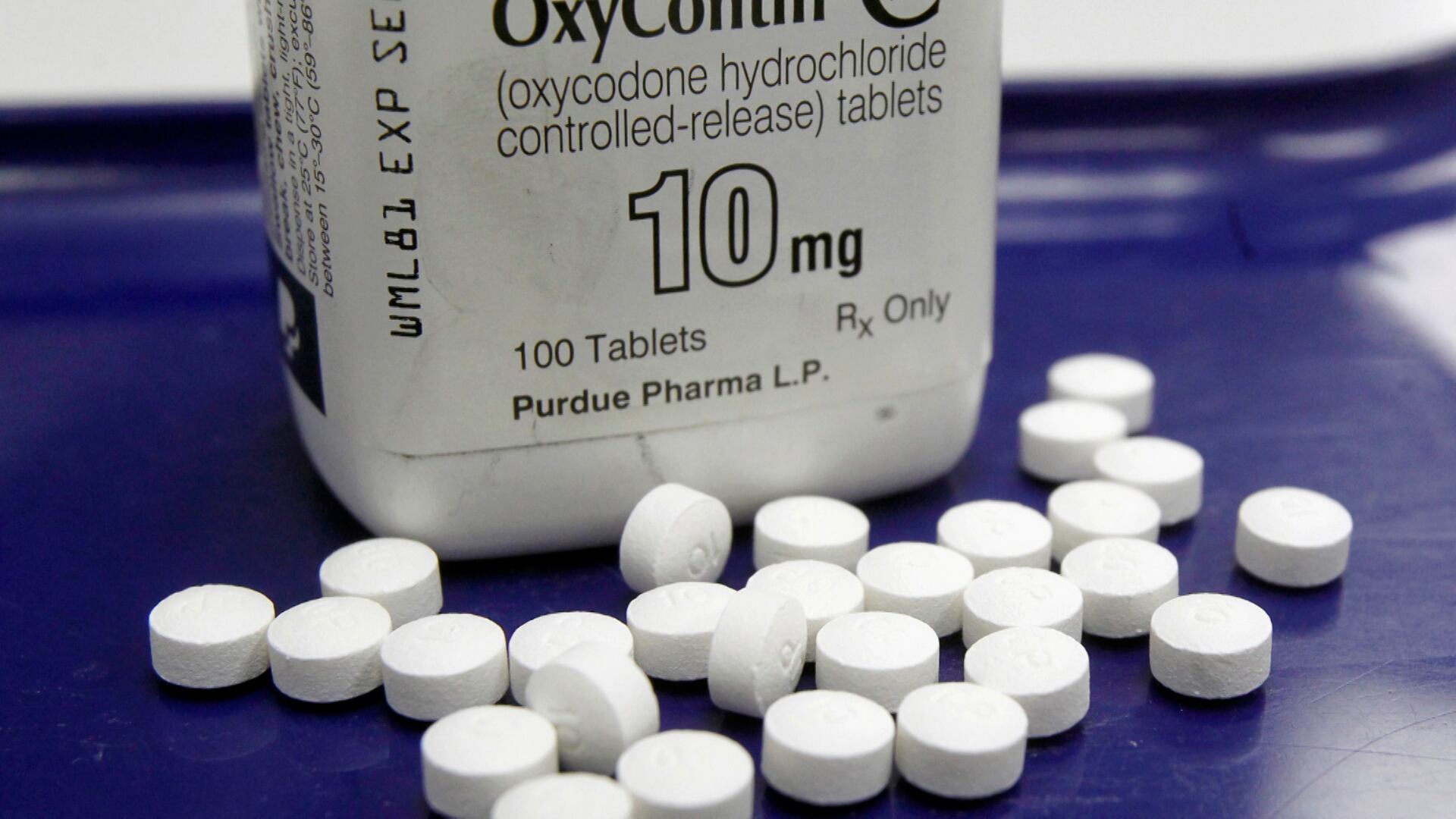
Jill Wagner and Baker Machado break down the state of the Opioid Crisis in the U.S. The CDC reported a 30% increase in overdose deaths from 2020 to 2021, but in recent months pharmaceutical companies have drastically raised the price of Naloxone or 'Narcan,' affecting the response of community harm prevention groups.
The world hit a grim milestone on Monday, with COVID-19 cases surpassing a quarter of a billion worldwide. As cases increase, the fight to beat the virus continues as well, with a number of medical breakthroughs coming out over the last few months in the form of pills from Pfizer and Merck. Regeneron is now the latest company to join the fight, recently releasing new data on a covid antibody cocktail. Professor Peter Pitts, former FDA Associate Commissioner and the founder of the Center for Medicine in the Public Interest breaks down the differences between the 3 treatments and why vaccines are still among the fire line of defense.
Jill and Carlo discuss the scenes of joy at American airports as borders reopen, another tool in the Covid toolbox, the latest in the Astroworld crowd crush tragedy and more.
The Biden Administration's mandate for COVID vaccinations by large employers has been put on hold by federal courts as GOP-led states and some businesses push back on the order's legality. Jonathan Adler, a law professor at Case Western Reserve University, joined Cheddar to discuss the legal challenges to implementing such mandates through OSHA (Occupational Safety and Health Administration). "Certainly expanding vaccinations is a good thing, and as vaccination rates go up that's better for all of us," Adler said. "But there are some legal questions about whether or not it's appropriate to use a law about occupational safety and health as the means to do that."
Dr. Nasia Safdar, Doctor at UW Madison, joined Wake Up With Cheddar to discuss the implications of Merck sharing its antiviral pill, which has been shown in early trials to cut hospitalizations and deaths by half, with poorer nations around the globe.
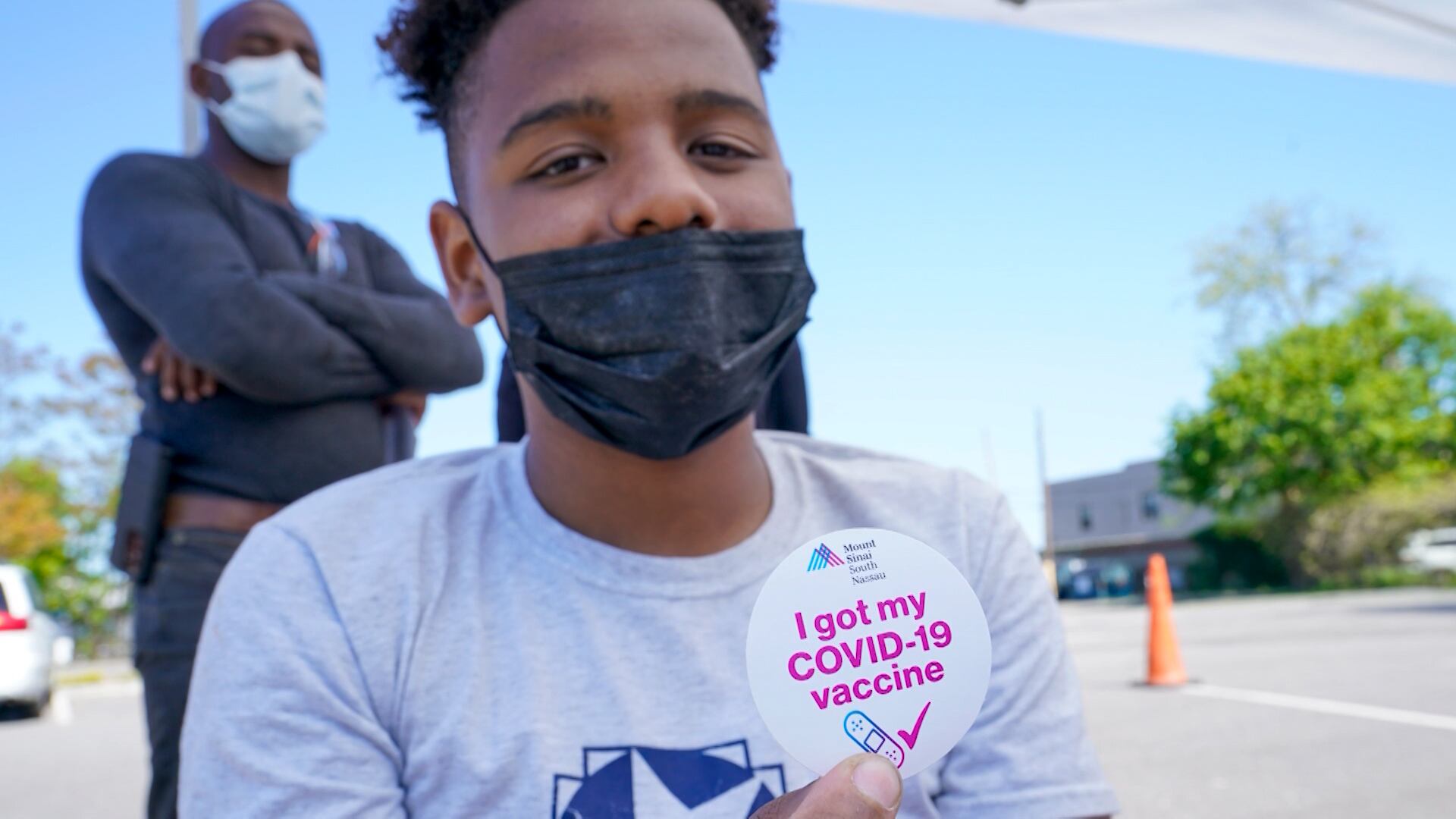
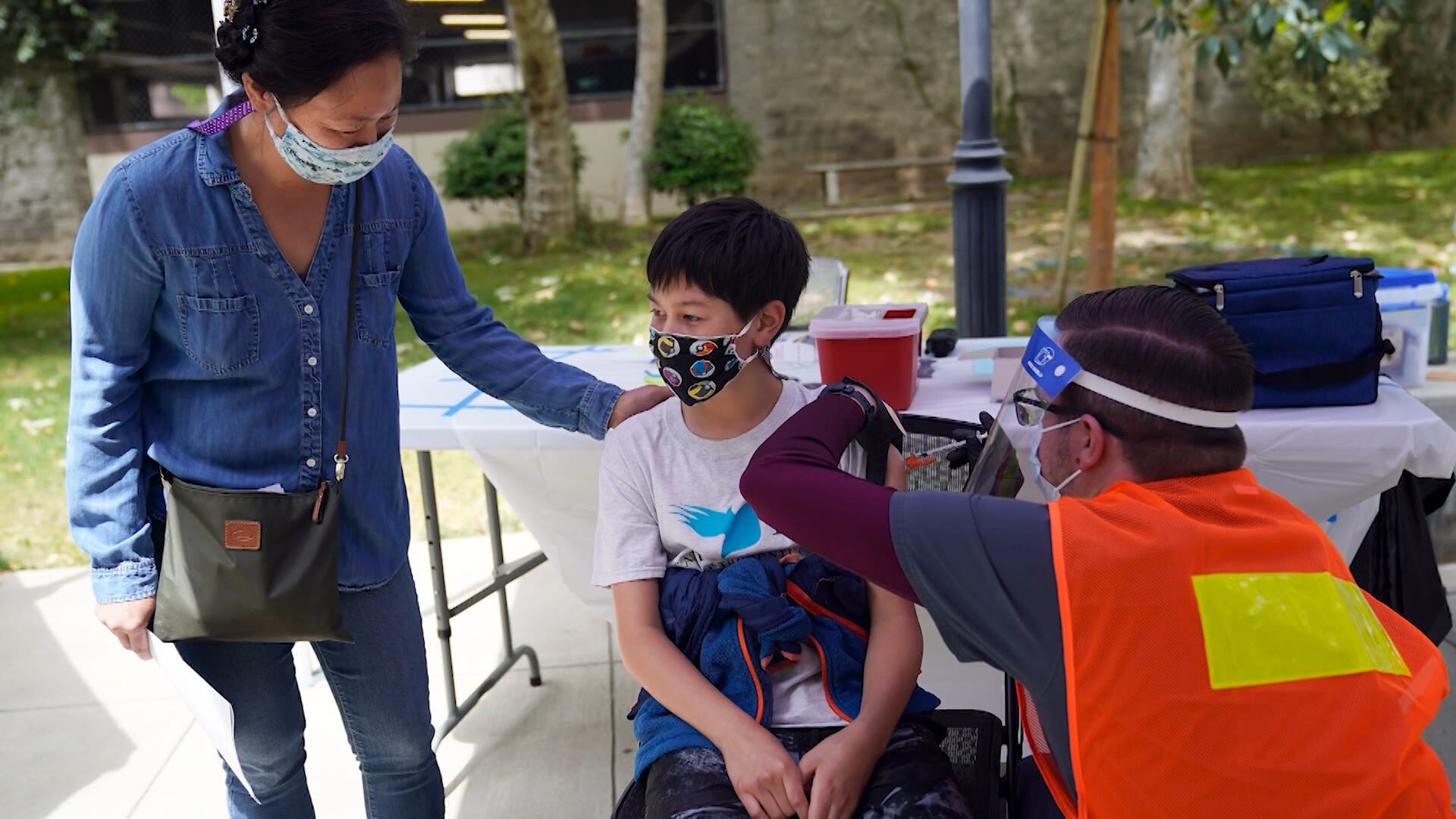
Dr. Robert Frenck, an infectious disease specialist at Cincinnati Children's Hospital, joined Cheddar to talk about the significance of children ages 5-11 being authorized to receive COVID-19 vaccinations. He also discussed schools being cleared to administer vaccines and noted the importance of meeting people where they are rather than forcing them to find the shots. Frenck also said he expects that children under 5 years old will begin getting vaccinations sometime in spring.
A CDC advisory committee as unanimously voted to recommend the Pfizer Covid-19 vaccine in children ages 5 to 11. Dr. Amesh Adalja, Infectious Disease Specialist and Senior Scholar at Johns Hopkins Center for Health Security, joined Cheddar News to discuss.
A Freitag pod with Carlo and Baker, talking about the upcoming federal vax-or-test deadline, the most shocking upset of this week's elections, an incredible story of selflessness and Love, Hate, Ate.