A Russian space official on Friday blamed a software problem on a newly docked science lab that briefly knocked the International Space Station out of position.
The space station lost control of its orientation for 47 minutes on Thursday, when Russia's Nauka science lab accidentally fired its thrusters a few hours after docking, pushing the orbiting complex from its normal configuration. The station’s position is key for getting power from solar panels and or communications. Communications with ground controllers also blipped out twice for a few minutes.
Vladimir Solovyov, flight director of the space station's Russian segment, blamed the incident on a “short-term software failure.” In a statement released by the Russian space agency Roscosmos on Friday, Solovyov said that because of the failure, a direct command to turn on the lab's engines was mistakenly implemented.
He added that the incident was “quickly countered by the propulsion system” of another Russian component at the station and “at the moment, the station is in its normal orientation” and all its systems “are operating normally.”
NASA said Thursday that the incident moved 45 degrees out of attitude, about one-eighth of a complete circle, but the complex was never spinning, there was no immediate damage or danger to the crew.
The incident caused NASA to postpone a repeat test flight for Boeing’s crew capsule that had been set for Friday afternoon from Florida. It will be Boeing’s second attempt to reach the 250-mile-high (400-kilomter-high) station before putting astronauts on board. Software problems botched the first test.
Russia’s long-delayed 22-ton (20-metric-ton) lab called Nauka arrived earlier Thursday, eight days after it launched from the Russian launch facility in Baikonur, Kazakhstan.
The launch of Nauka, which will provide more room for scientific experiments and space for the crew, had been repeatedly delayed because of technical problems. It was initially scheduled to go up in 2007.
In 2013, experts found contamination in its fuel system, resulting in a long and costly replacement. Other Nauka systems also underwent modernization or repairs.
Stretching 43 feet (13 meters) long, Nauka became the first new compartment for the Russian segment of the outpost since 2010. On Monday, one of the older Russian units, the Pirs spacewalking compartment, undocked from the station to free up room for the new lab.
Nauka will require many maneuvers, including up to 11 spacewalks beginning in early September, to prepare it for operation.
According to Solovyov, on Friday the crew was busy equalizing the pressure in Nauka and planned to open the hatch to the lab later in the day.
The space station is currently operated by NASA astronauts Mark Vande Hei, Shane Kimbrough and Megan McArthur; Oleg Novitsky and Pyotr Dubrov of Russia’s Roscosmos space corporation; Japan Aerospace Exploration Agency astronaut Akihiko Hoshide and European Space Agency astronaut Thomas Pesquet.
In 1998, Russia launched the station’s first compartment, Zarya, which was followed in 2000 by another big piece, Zvezda, and three smaller modules in the following years. The last of them, Rassvet, arrived at the station in 2010.
___
Seth Borenstein in Kensington, Maryland, and Vladimir Isachenkov in Moscow, contributed to this report.
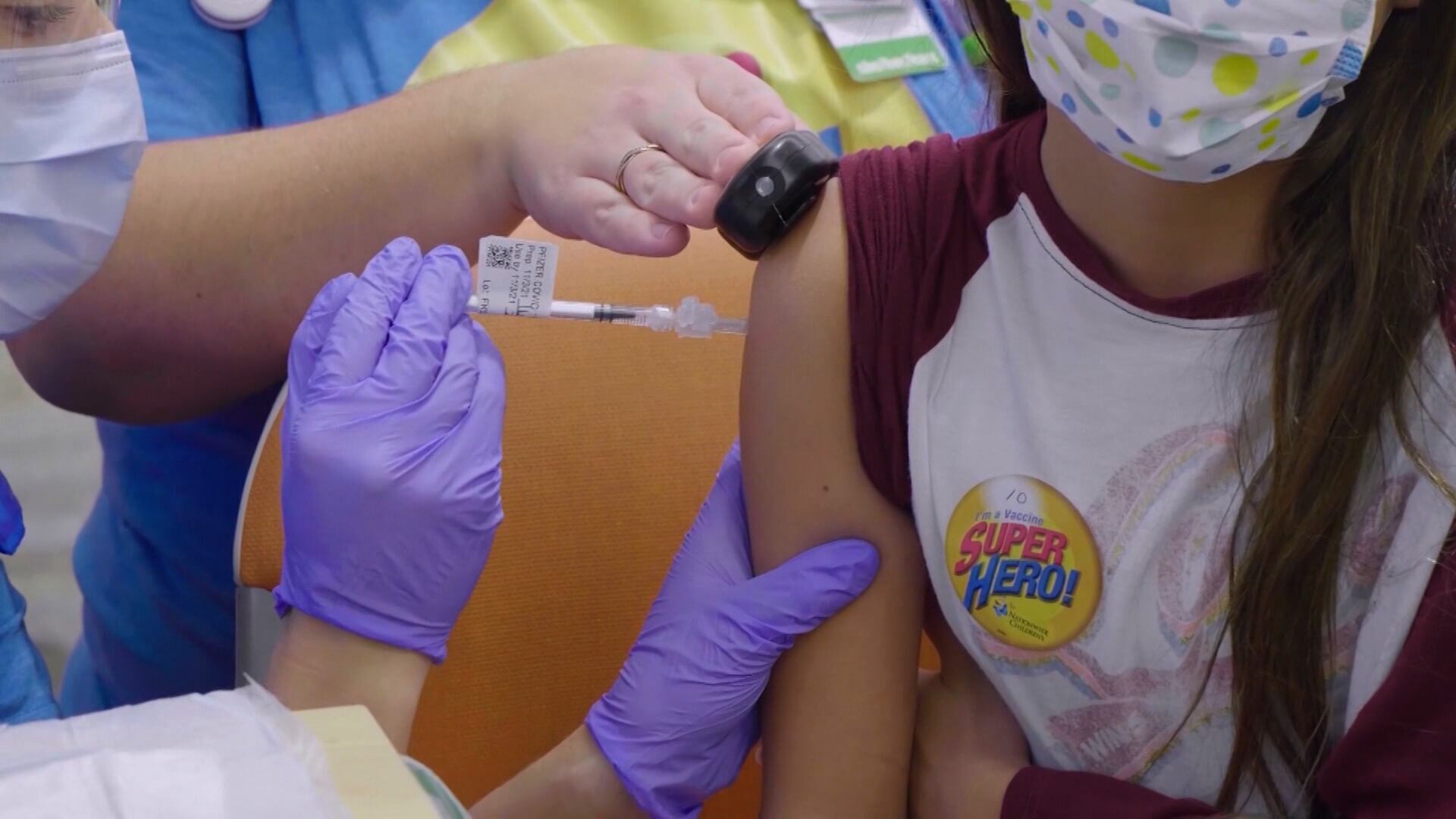
With a rising number of COVID-19 cases due to the omicron variant, the FDA is making big moves. First, Pfizer's COVID-19 booster has been authorized for those ages 12 to 15. The agency also reduced the amount of time to wait between receiving a second vaccine dose and booster from six months to five. Finally, a third primary series dose of Pfizer's shot is approved for immunocompromised children five to 11 years old. Professor Peter Pitts joins Cheddar News to discuss.
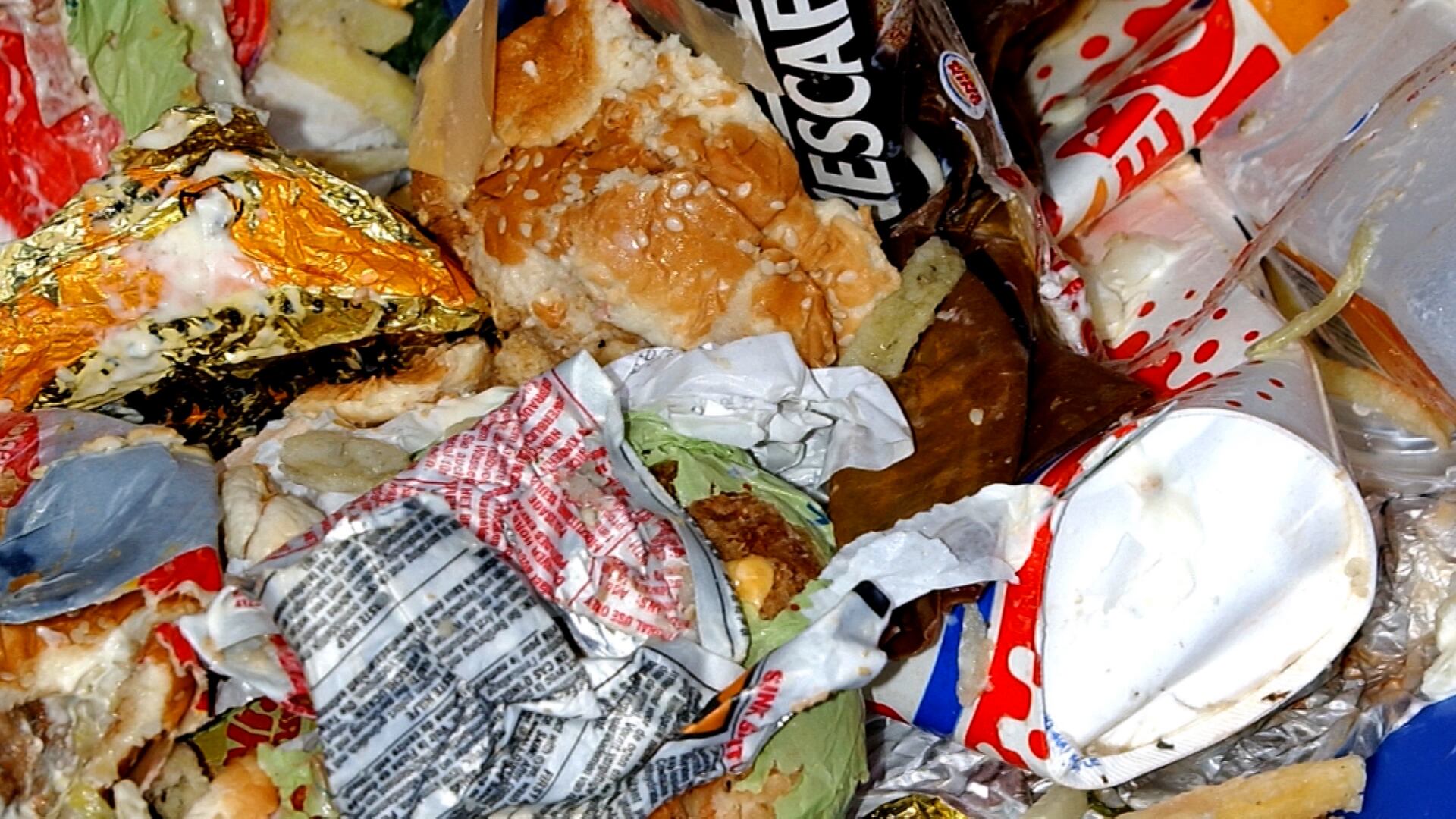
California's new composting law will affect what residents do in their kitchens. As of this week, Californians will have to recycle excess food in an effort to reduce emissions caused by food waste. Cities and counties will turn recycled food into compost or use it as a renewable energy source. California's new law is the largest mandatory residential food waste recycling program in the country. Rachel Wagoner, Director of the California Department of Resources, Recycling and Recovery called the law 'the biggest change to trash' since recycling started in the 1980s. She joined Cheddar Climate to discuss.
Deborah Brosnan, President of Deborah Brosnan & Associates, joins Cheddar Climate, where she explains why global warming brought about 'a year of reckoning' in 2021 and why previously unprecedented weather events could become the norm going forward.
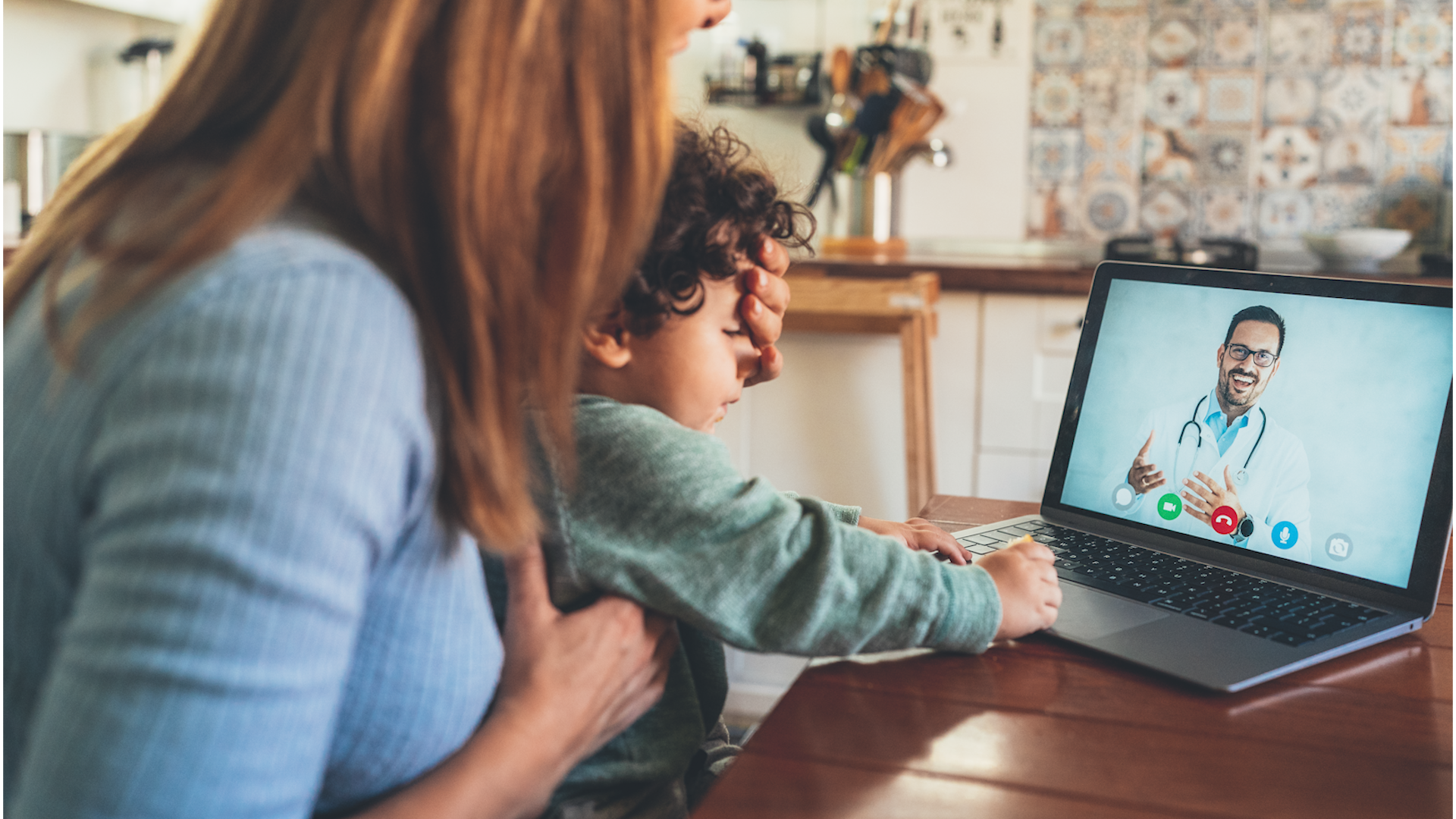
On this episode of Cheddar Reveals, Dr. Anita Gupta, Adjunct assistant professor of anesthesiology and critical care medicine at the Johns Hopkins University School of Medicine, shares her forecast for the healthcare industry in 2022; Waseem Asghar, Ph.D., Associate Professor, Department of Computer & Electrical Engineering and Computer Science, Florida Atlantic University, breaks down the latest progress, trends, and innovations in wearable health tech; Cheddar gets a look at Curiosity Stream's 'Hacking our Biome.'
Dr. Anita Gupta, Adjunct assistant professor of anesthesiology and critical care medicine at the Johns Hopkins University School of Medicine, joins Cheddar Reveals to share her forecast for the healthcare industry in 2022.
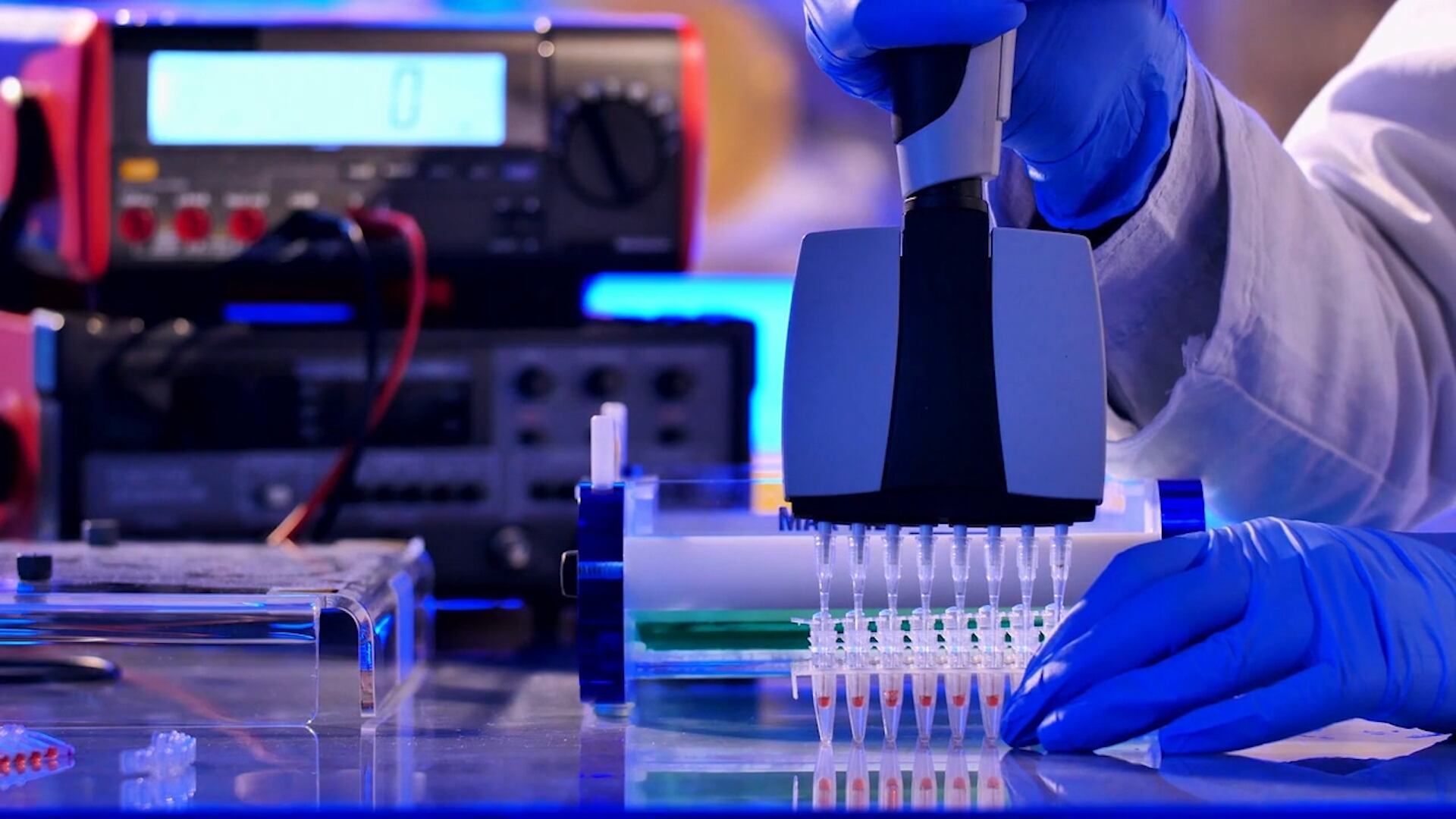
Waseem Asghar, Ph.D., Associate Professor, Department of Computer & Electrical Engineering and Computer Science, Florida Atlantic University, joins Cheddar Reveals to break down the latest progress, trends, and innovations in wearable health tech.
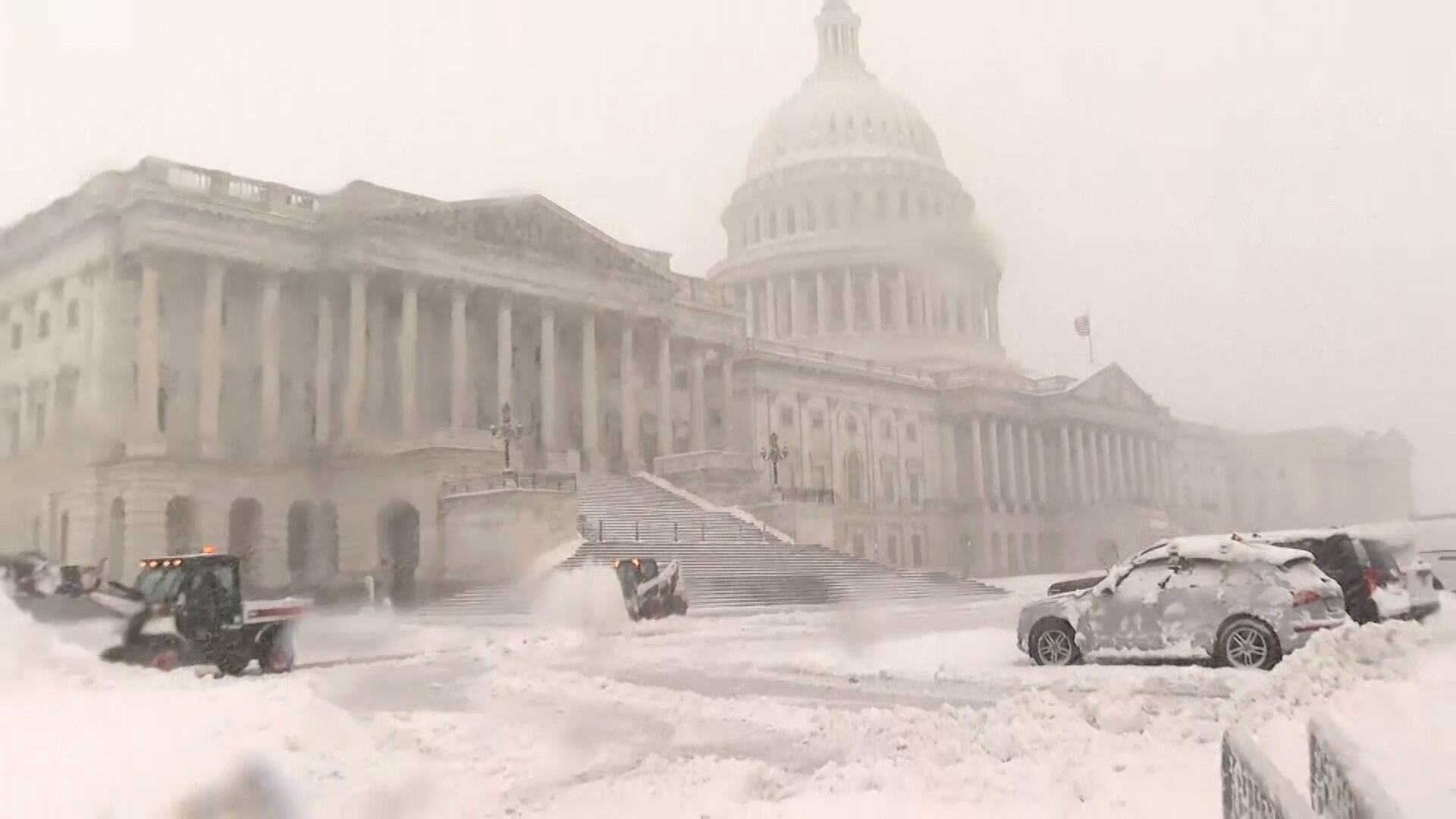
Washington DC and the surrounding areas saw a record breaking snow storm Monday as a strong storm system works its way across the eastern U.S. The extreme weather event caused extensive damage in the greater Washington area, leaving thousands in the region without power. Jonathan Porter, Chief Meteorologist, AccuWeather, joined Wake Up with Cheddar to discuss the fierce storm.
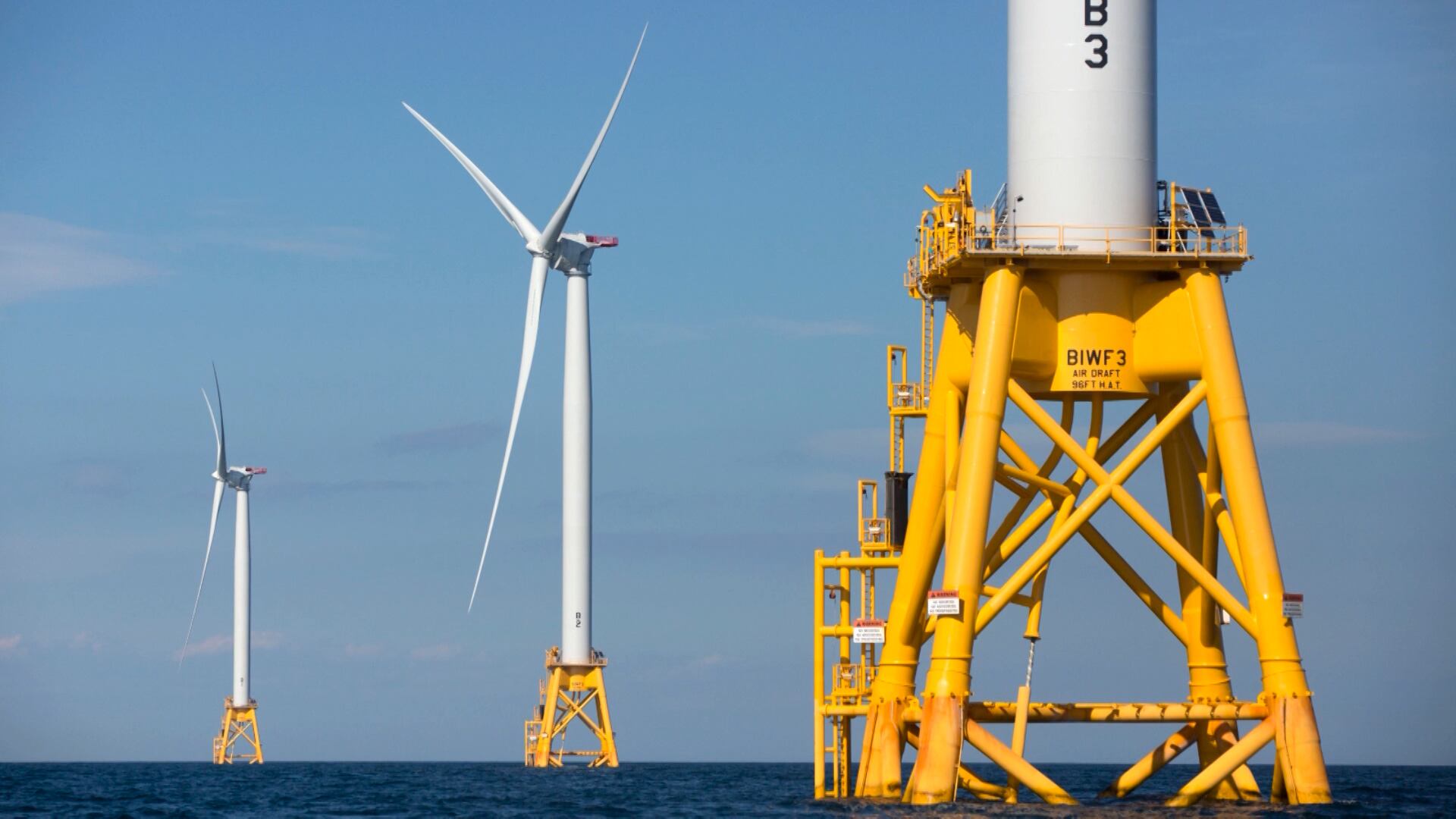
Sweta Chakraborty, U.S. President of We Don't Have Time and climate change expert, joins Cheddar News to discuss how mining the proper resources for the clean energy sector is crucial.
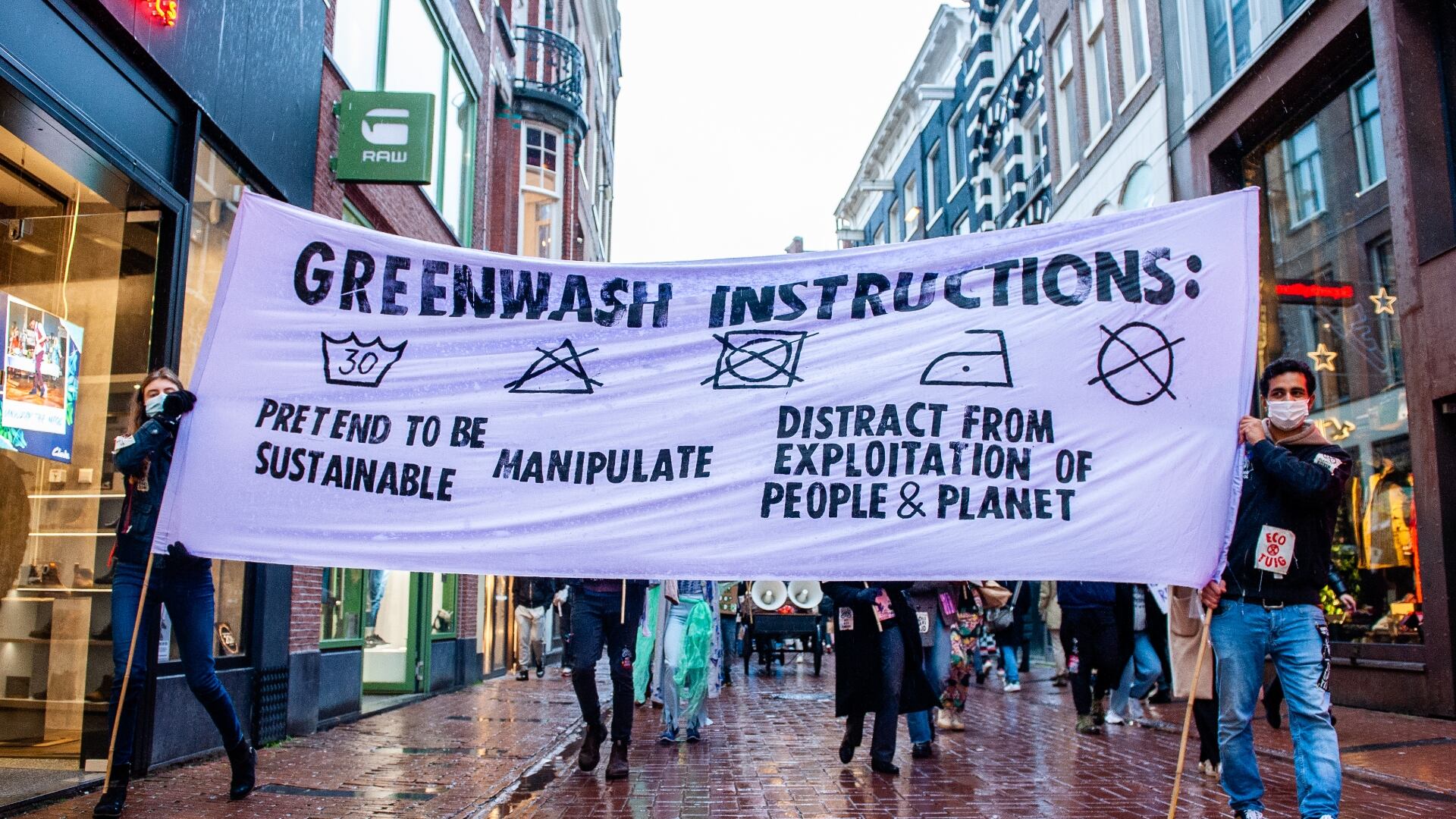
Over the past year alone, we've seen an increasing push-back on fossil fuels, legislation to reduce plastic pollution, greater protection over our worlds' forests, and a growing number of companies working to reduce total carbon footprint. To discuss the sustainability trends that defined 2021 and the changes individuals can make in 2022, J.D. Durkin is joined by Ashlee Piper, a sustainability expert and author of 'Give a Sh*t: Do Good. Live Better. Save the Planet,' joins Cheddar News.