A Russian space official on Friday blamed a software problem on a newly docked science lab that briefly knocked the International Space Station out of position.
The space station lost control of its orientation for 47 minutes on Thursday, when Russia's Nauka science lab accidentally fired its thrusters a few hours after docking, pushing the orbiting complex from its normal configuration. The station’s position is key for getting power from solar panels and or communications. Communications with ground controllers also blipped out twice for a few minutes.
Vladimir Solovyov, flight director of the space station's Russian segment, blamed the incident on a “short-term software failure.” In a statement released by the Russian space agency Roscosmos on Friday, Solovyov said that because of the failure, a direct command to turn on the lab's engines was mistakenly implemented.
He added that the incident was “quickly countered by the propulsion system” of another Russian component at the station and “at the moment, the station is in its normal orientation” and all its systems “are operating normally.”
NASA said Thursday that the incident moved 45 degrees out of attitude, about one-eighth of a complete circle, but the complex was never spinning, there was no immediate damage or danger to the crew.
The incident caused NASA to postpone a repeat test flight for Boeing’s crew capsule that had been set for Friday afternoon from Florida. It will be Boeing’s second attempt to reach the 250-mile-high (400-kilomter-high) station before putting astronauts on board. Software problems botched the first test.
Russia’s long-delayed 22-ton (20-metric-ton) lab called Nauka arrived earlier Thursday, eight days after it launched from the Russian launch facility in Baikonur, Kazakhstan.
The launch of Nauka, which will provide more room for scientific experiments and space for the crew, had been repeatedly delayed because of technical problems. It was initially scheduled to go up in 2007.
In 2013, experts found contamination in its fuel system, resulting in a long and costly replacement. Other Nauka systems also underwent modernization or repairs.
Stretching 43 feet (13 meters) long, Nauka became the first new compartment for the Russian segment of the outpost since 2010. On Monday, one of the older Russian units, the Pirs spacewalking compartment, undocked from the station to free up room for the new lab.
Nauka will require many maneuvers, including up to 11 spacewalks beginning in early September, to prepare it for operation.
According to Solovyov, on Friday the crew was busy equalizing the pressure in Nauka and planned to open the hatch to the lab later in the day.
The space station is currently operated by NASA astronauts Mark Vande Hei, Shane Kimbrough and Megan McArthur; Oleg Novitsky and Pyotr Dubrov of Russia’s Roscosmos space corporation; Japan Aerospace Exploration Agency astronaut Akihiko Hoshide and European Space Agency astronaut Thomas Pesquet.
In 1998, Russia launched the station’s first compartment, Zarya, which was followed in 2000 by another big piece, Zvezda, and three smaller modules in the following years. The last of them, Rassvet, arrived at the station in 2010.
___
Seth Borenstein in Kensington, Maryland, and Vladimir Isachenkov in Moscow, contributed to this report.
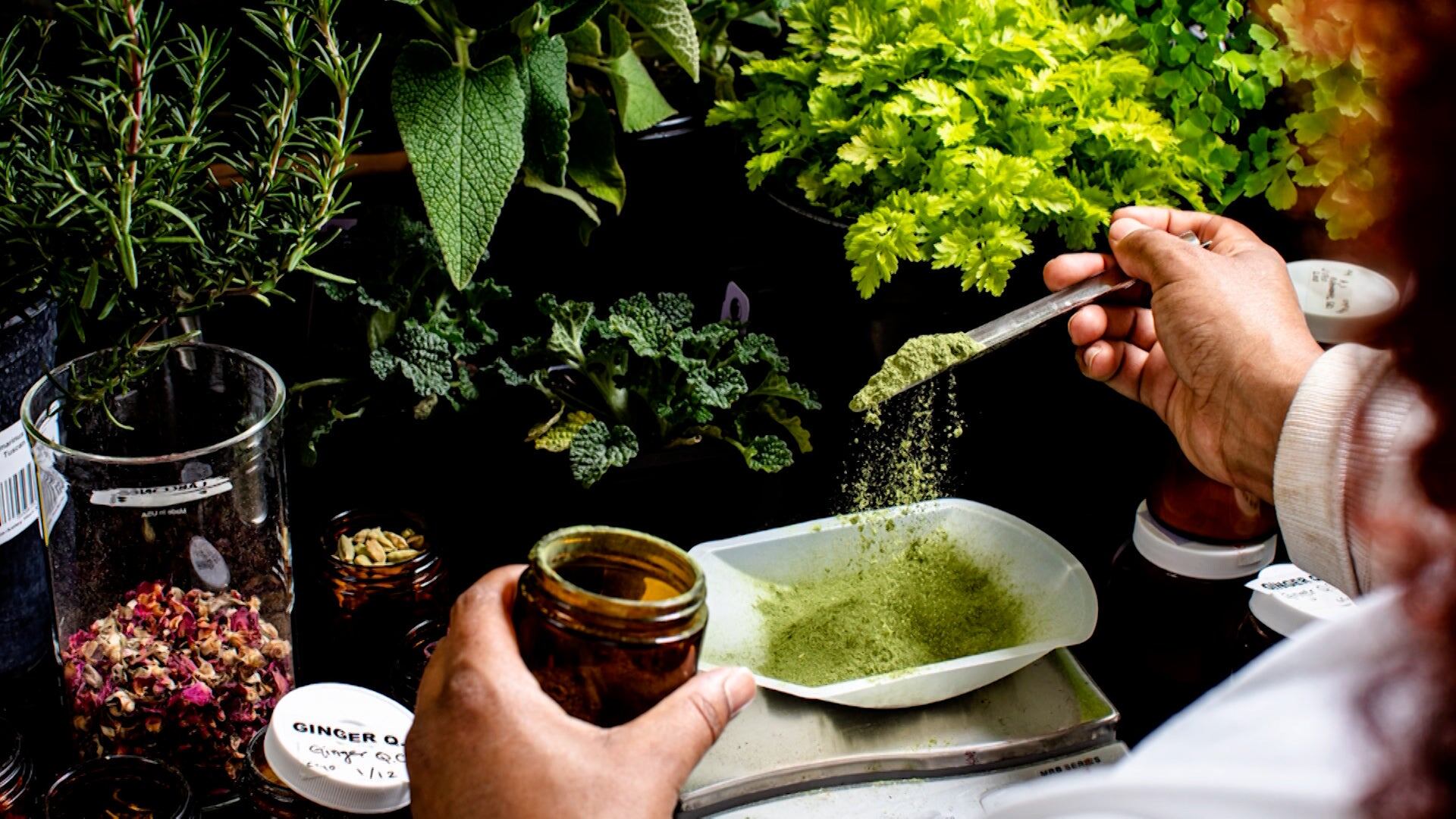
Brightseed Co-Founder Sofia Elizondo breaks down what plant bioactives are, and how they're using the latest technology to study human's biological connections with plants.
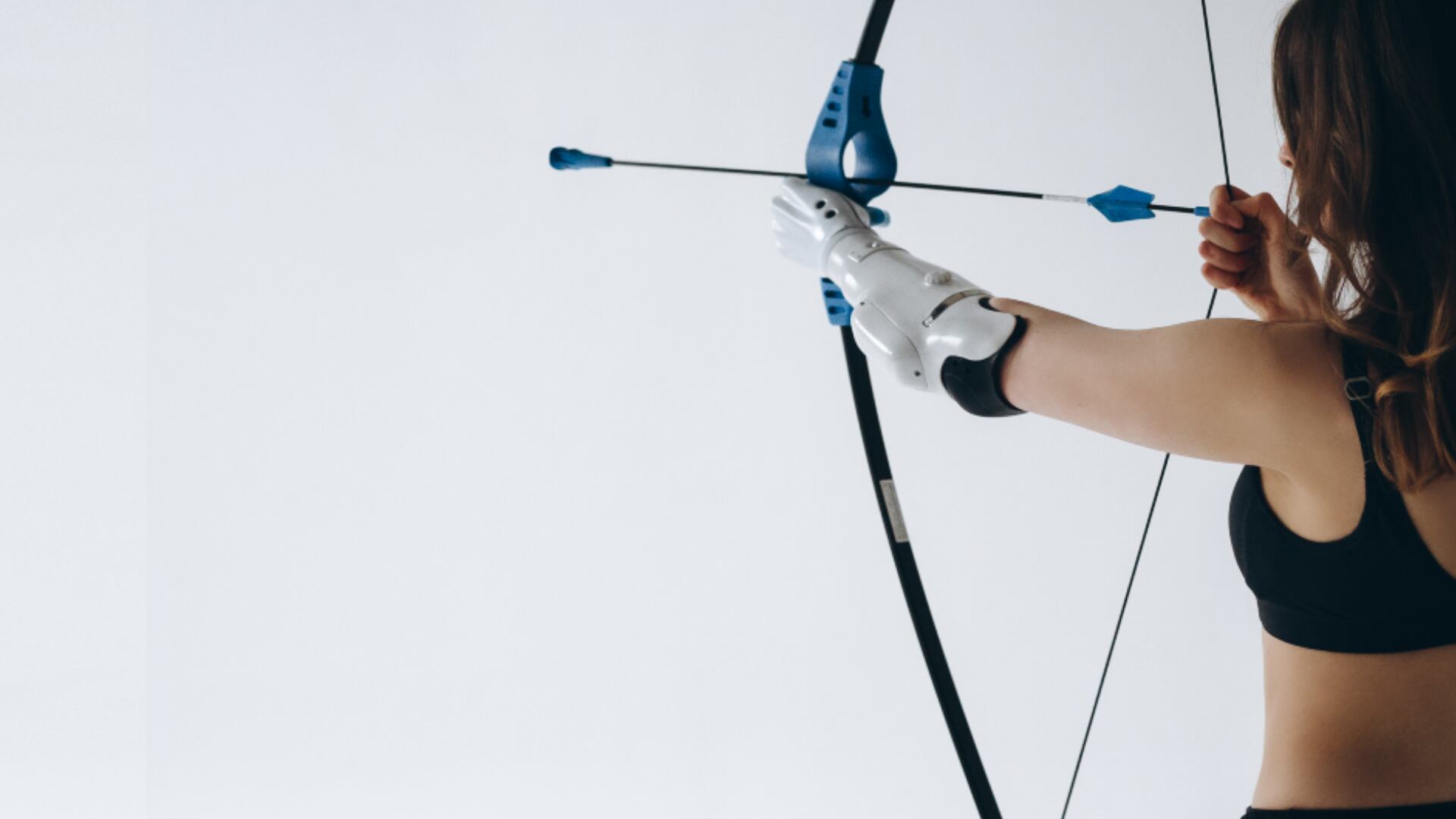
On this episode of Cheddar Innovates: Brightseed Co-Founder breaks down what plant bioactives are, and how they're using the latest technology to study human's biological connections with plants; Esper Bionics CEO breaks down how they re creating a mind-controlled bionic hand that guest smarter the more you use it; Cheddar gets a look at Curiosity Stream's 'Capturing A Black Hole In Our Milky Way.'
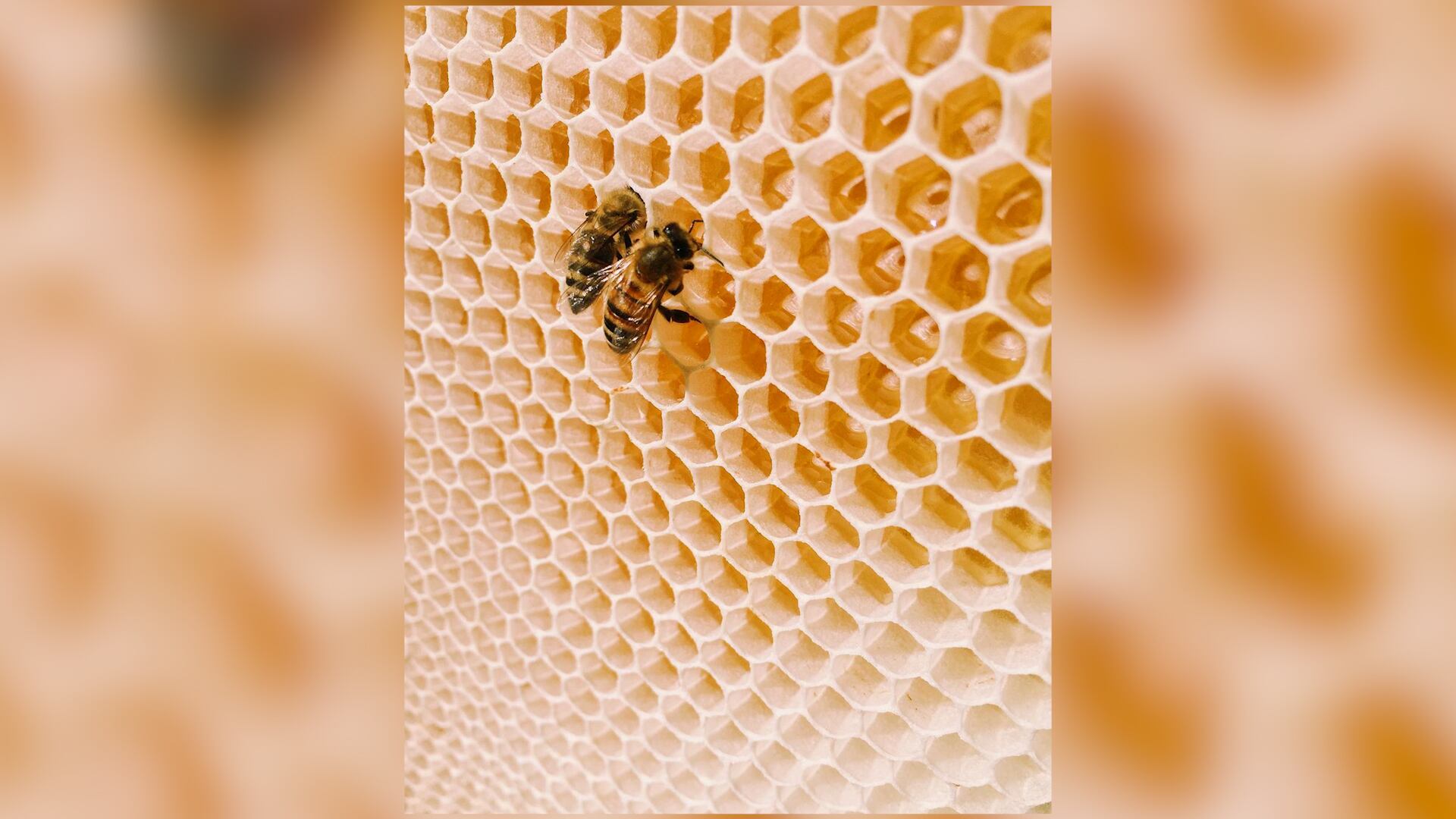
Hilary Kearney, Founder of Girl Next Door Honey, joined Closing Bell to discuss her partnership with Comvita to save the important pollinators, as bee colonies are on the decline across the United States.
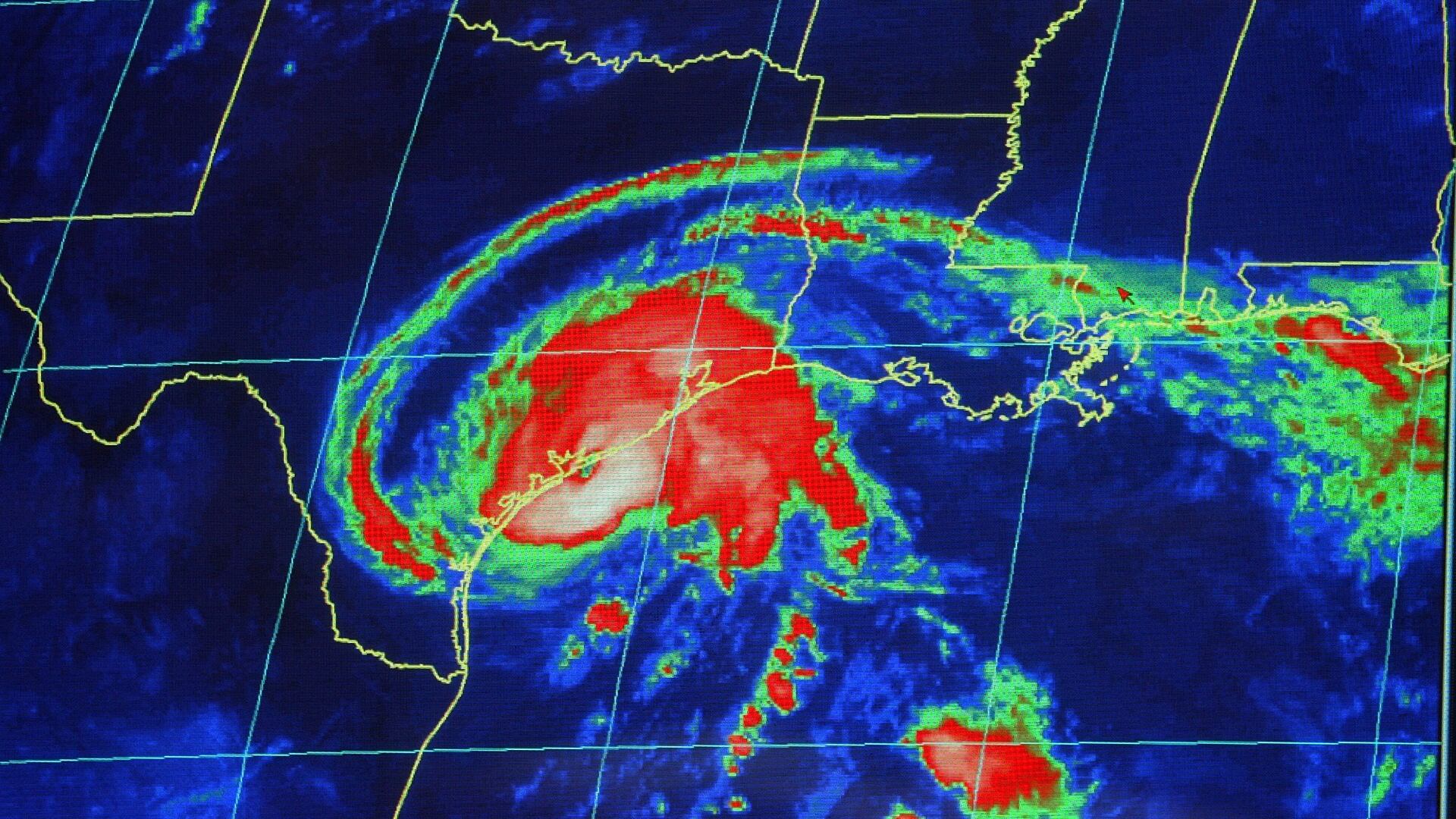
Hurricane climatologist Jill Trepanier joined Cheddar News to discuss NOAA's announced prediction for an above-normal hurricane season and what it might mean for people in the United States. "I think it's important that people who maybe haven't been used to having extreme weather events related to say tropical cycles and tropical systems, like thinking New Jersey, Northeastern seaboard, that area may get more action than they're used to in the past," she said.
Dr. Jarrad Aguirre, Co-Founder and CEO of Miga Health, joins Cheddar News' Closing Bell, where he says his company is looking to establish the future of heart health and points to how 80% of premature heart attacks and strokes are preventable.
On this episode of Cheddar Reveals, David Keith, Professor of Applied Physics at the Harvard School of Engineering and Applied Sciences and Professor of Public Policy at the Harvard Kennedy School, and founder of Carbon Engineering outlines the viability of solar geoengineering as a solution to help reverse the effects of global warming; Lena Geraghty, Sustainability & Urban Innovation Director at National League of Cities, discusses which U.S. cities are safest from global warming and how the real estate market will be impacted from the effects of climate change; Cheddar gets a look at Curiosity Stream's 'Changing Ocean Asia.'
David Keith, Professor of Applied Physics at the Harvard School of Engineering and Applied Sciences and Professor of Public Policy at the Harvard Kennedy School, and founder of Carbon Engineering joins Cheddar Reveals to outline the viability of solar geoengineering as a solution to help reverse the effects of global warming.
Lena Geraghty, Sustainability & Urban Innovation Director at National League of Cities, joins Cheddar News to discuss which U.S. cities are safest from global warming and how the real estate market will be impacted from the effects of climate change.
Peggy Whitson, Director of Human Space Flight, Axiom Space, joins Cheddar Innovates to discuss Axiom's involvement in the first fully-private mission to the ISS, and her experience spending 665 days in space.
On this episode of Cheddar Innovates, Peggy Whitson, Director of Human Space Flight, Axiom Space, breaks down Axiom's involvement in the first fully-private mission to the ISS, and her experience spending 665 days in space; William Li and Danielle Chang, co-founders of The Hao Life, discuss how they're shaking up the $71 billion supplement industry by putting a modern spin on traditional natural Chinese remedies; Cheddar gets a look at Curiosity Stream's 'Sagrada Familia: Gaudi's Challenge.'