Roman Polanski Blasts #MeToo and Threatens to Sue Academy
*By Max Godnick*
Movie fans are used to hearing stars thank the Academy of Motion Picture Arts and Sciences, but it's rare for an Oscar winner to say he wants to sue it.
The Academy-award winning director Roman Polanski threatened to take legal action against the Academy after it voted May 3 to expel him from its ranks.
The expulsion comes more than 40 years after Polanski, the filmmaker behind "Rosemary's Baby" and "Chinatown," pleaded guilty to unlawful sex with a 13-year-old girl, and 16 years since the Academy honored him as best director for "The Pianist."
Polanski's lawyer, Harland Braun, said in a letter to the Academy obtained by the [Hollywood Reporter] (https://www.hollywoodreporter.com/race/roman-polanskis-attorney-threatens-sue-academy-directors-expulsion-1109821) that the Academy did not give his client a chance to argue his case.
The Academy revised its rules in January, with new guidelines for membership and standards of conduct after accusations of sexual assault and harassment against the Academy member Harvey Weinstein. The revelations about Weinstein's conduct led to the widespread #MeToo movement, which Polanski called "collective hysteria" and "total hypocrisy."
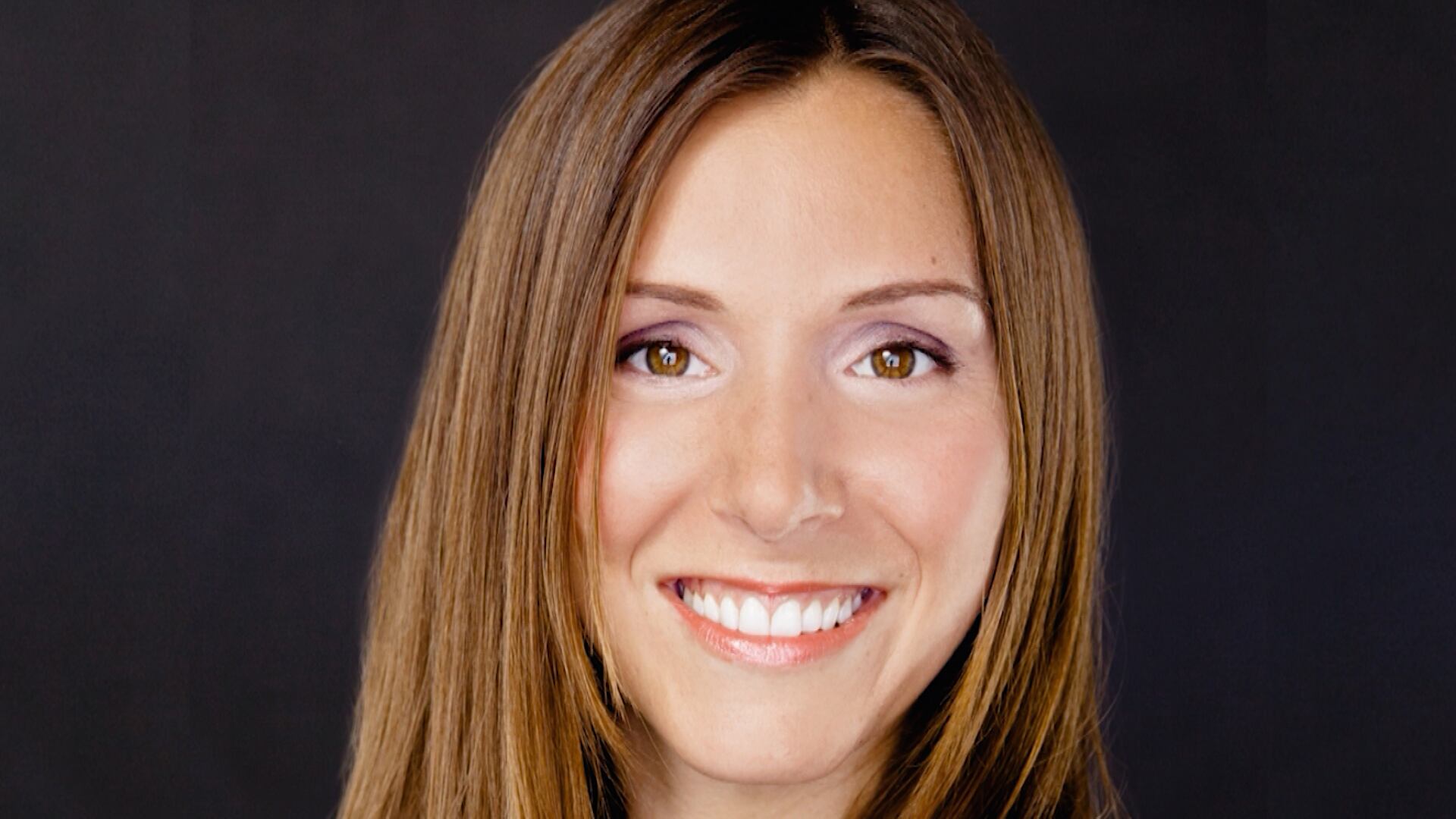
"I think that it's the height of hypocrisy for a known pedophile and a sex offender to disparage and criticize people that have come forward after being sexually abused by powerful people in the media and Hollywood," said Jennifer Cunningham, senior editor at the African-American-focused entertainment news site Bossip.
So why did it take the Academy so many years to take action?
"I think they did not have a choice at this point," said Cunningham, in an interview with Cheddar. "Especially with Bill Cosby's conviction, maybe they were just trying to clean house and really distance themselves from these individuals."
The Academy of Motion Picture Arts and Sciences expelled Cosby and Polanski on the same day.
For the full interview, [click here](https://cheddar.com/videos/bill-and-ted-reunite-for-a-threequel).
Tameka Raymond, Author of 'Here I Stand' and Designer of Cult De Jour, joins ChedHER to discuss how she's supporting veterans through her fashion brand and the different ways that she's giving back to the community.
Jenn Graham, Founder and CEO of Inclusivv, joins ChedHER to discuss how to navigate challenging topics in the workplace and have conversations on race, mental health, and allyship, and why leaders should keep empathy at the top of mind.
Alina Villasante, Founder and Designer of Peace Love World, joins ChedHER to discuss how she launched her lifestyle brand after a 17-year career in the aviation industry, what it's like growing her business alongside her daughter, and trends to keep an eye out for this holiday season.
A jam-packed Freitag pod with Carlo and Baker: new Covid hotspots, Kyle Rittenhouse trial, Belarus making trouble for Europe, red-hot housing market, and how to manage a PR crisis the right way.
On this episode of Cheddar Innovates: Yat Labs Co-Founder breaks down how a 'Yat' is changing the way people think about their online identities; Scythe Robotics CEO explains how it's bringing innovation to the landscaping industry with its autonomous, all-electric mowers; Founder of California Cowboy discusses how its creating clothing designed for creating in-person connections with others with features like a beverage pocket, bottle opener, and conversation cards; Cheddar gets a look at Curiosity Stream's 'Beyond the Spotlight' biography series.
Drew Clark, CEO and Founder of California Cowboy, joins 'Cheddar Innovates' to discuss how it is creating clothing designed for creating in-person connections with others with features like a beverage pocket, bottle opener, and conversation cards.
Cheddar gets a look at Curiosity Stream's 'Beyond the Spotlight,' a biography series about the intriguing people who capture our attention, fill our social feeds, and shape pop culture.
Naveen Jain, Co-Founder of Yat Labs, joins 'Cheddar Innovates' to discuss how a 'Yat' is changing the way people think about their online identities, and why artists like Questlove and G-Eazy are backing this idea.