Roman Polanski Blasts #MeToo and Threatens to Sue Academy
*By Max Godnick*
Movie fans are used to hearing stars thank the Academy of Motion Picture Arts and Sciences, but it's rare for an Oscar winner to say he wants to sue it.
The Academy-award winning director Roman Polanski threatened to take legal action against the Academy after it voted May 3 to expel him from its ranks.
The expulsion comes more than 40 years after Polanski, the filmmaker behind "Rosemary's Baby" and "Chinatown," pleaded guilty to unlawful sex with a 13-year-old girl, and 16 years since the Academy honored him as best director for "The Pianist."
Polanski's lawyer, Harland Braun, said in a letter to the Academy obtained by the [Hollywood Reporter] (https://www.hollywoodreporter.com/race/roman-polanskis-attorney-threatens-sue-academy-directors-expulsion-1109821) that the Academy did not give his client a chance to argue his case.
The Academy revised its rules in January, with new guidelines for membership and standards of conduct after accusations of sexual assault and harassment against the Academy member Harvey Weinstein. The revelations about Weinstein's conduct led to the widespread #MeToo movement, which Polanski called "collective hysteria" and "total hypocrisy."
"I think that it's the height of hypocrisy for a known pedophile and a sex offender to disparage and criticize people that have come forward after being sexually abused by powerful people in the media and Hollywood," said Jennifer Cunningham, senior editor at the African-American-focused entertainment news site Bossip.
So why did it take the Academy so many years to take action?
"I think they did not have a choice at this point," said Cunningham, in an interview with Cheddar. "Especially with Bill Cosby's conviction, maybe they were just trying to clean house and really distance themselves from these individuals."
The Academy of Motion Picture Arts and Sciences expelled Cosby and Polanski on the same day.
For the full interview, [click here](https://cheddar.com/videos/bill-and-ted-reunite-for-a-threequel).
Kendra Bracken-Ferguson, founder of BrainTrust Founders Studio joins Cheddar News to talk about the importance of supporting Black beauty and wellness founders.
Damali Peterman, founder and CEO of Breakthrough ADR, joins Cheddar News to discuss what Black professionals are up against in the workplace this year.
David Malott, founder and chief architect at AI PlanetWorks joins Cheddar News to discuss the release of its augmented reality NFTs for the metaverse called 'TERA.'
Jess Hunichen and Emily Ward, co-founder of Shine Talent Group join Cheddar News to talk about The BodCon conference and how it empowers men and women to feel confident.
Alia Kemet, vice president of creative and digital at McCormick, joins Cheddar News to discuss Frank's RedHot releasing an edible NFT ahead of the Super Bowl.
Xiaohua Yang, professor of international business and director of the China Business Studies Initiative at the University of San Francisco, joins Cheddar News to talk about the history of Lunar New Year.
After a number of tragic subway incidents, the MTA is facing increased pressure to install subway platform screens to help prevent injury or death. However, according to an earlier report from the MTA, installing these prevented measures isn't feasible. New York City Council Member Keith Powers, joined Cheddar to discuss more.
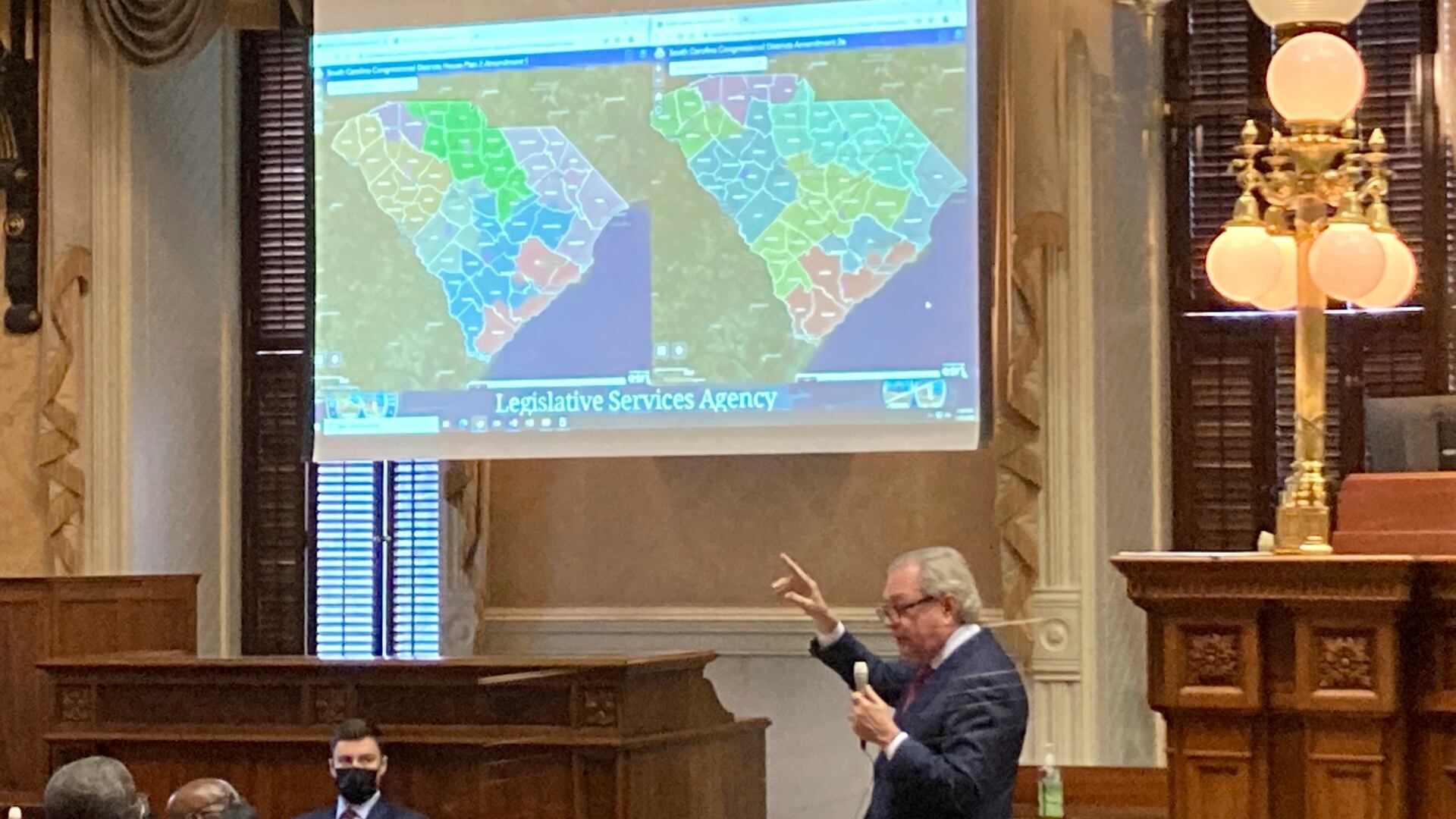
Across the country, states are working to redraw their congressional lines in what is often known as gerrymandering. These news lines are expected to determine the balance of power between Democrats and Republicans within the next decade. Senior Counsel for the Brennan Center's Democracy Program, Michael Li, joined Cheddar to discuss more.
AT&T announced earlier today it is spinning off its media properties in WarnerMedia in a merger with Discovery in a $43 billion deal.Scott Rostan, founder and CEO at Training The Street, joined Cheddar to talk about what the unwinding of the telecom giant's Time Warner media properties means for investors. "I think the investor sentiment is they're digesting the new information, and they're looking into the dividend, especially the reduction of the dividend," said Rostan, noting the transaction allows AT&T to focus on its core telecommunications business.