Roku reported its second quarterly earnings report ever, since becoming a publicly traded company. Andre Swanston, CEO of Tru Optik, an audience measurement and data management platform for OTT, was with us to share why he thinks Roku is positioned for success.
Swanston said the OTT space is "so wild" in terms of the growth in penetration and time spent. On top of that, he said most of that growth is on ad supported platforms, not services like Netflix. This bodes well for Roku because they are the only pure-play OTT company on the street, Swanston said.
Roku debuted a licensing program for smart audio devices and expects the first to ship this fall. They're going up against Amazon, Google, and Apple. Swanston said Roku has no strategic advantage for a smart speaker and does not anticipate it being a significant revenue generator.
Frances Stacy, Optimal Capital Director of Strategy, breaks down why the latest data indicates the economy may be struggling more than expected, plus some sectors she’s watching.
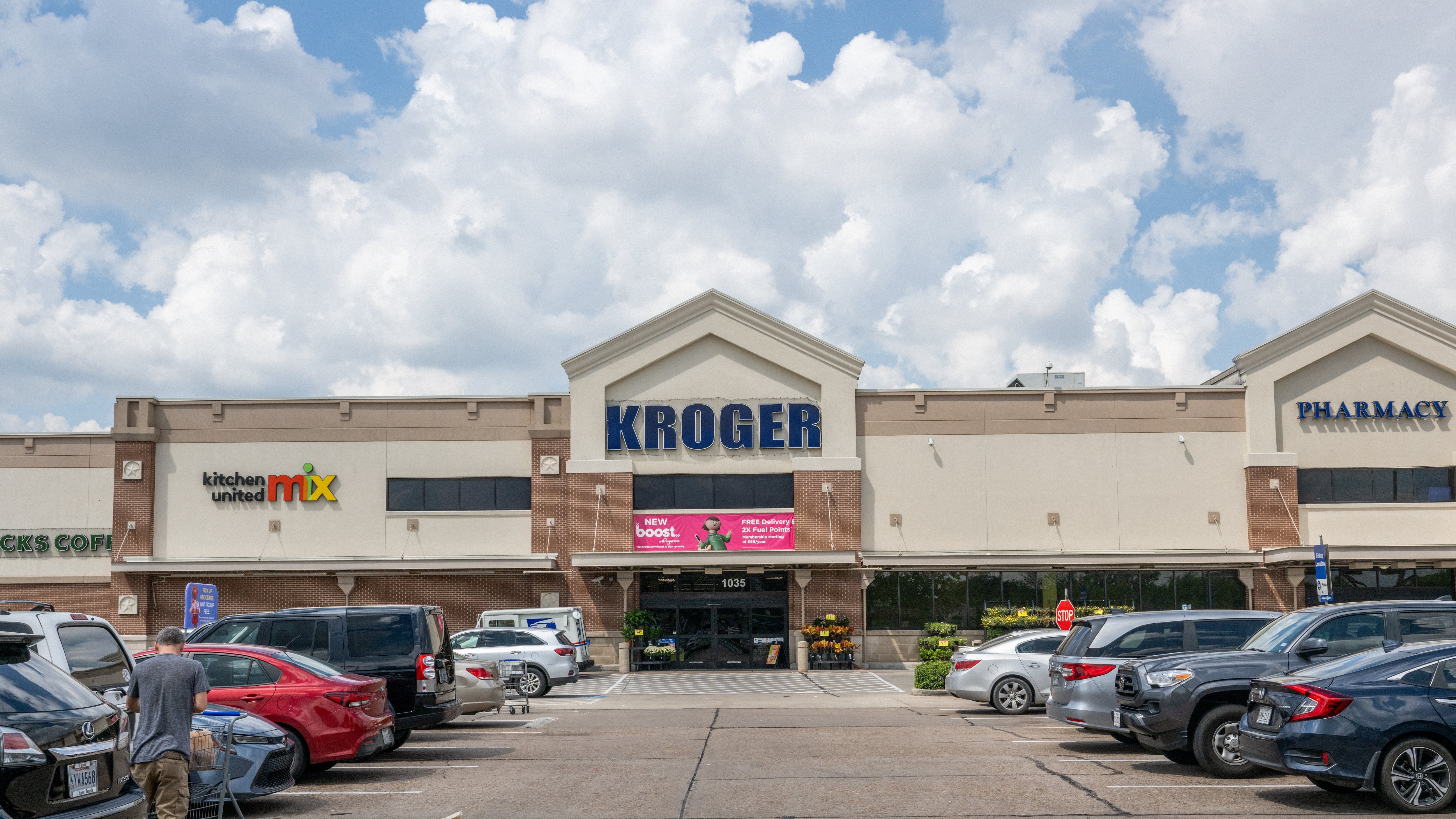
The Federal Trade Commission is suing to block a proposed merger between the two grocery stores. The FTC says the $24.6 billion deal would eliminate competition and lead to higher prices for millions of Americans.
Terecircuits CEO Wayne Rickard explains some of the other companies set to benefit from the Nvidia-led chipmaking rally, including manufacturing and toolmaking companies.
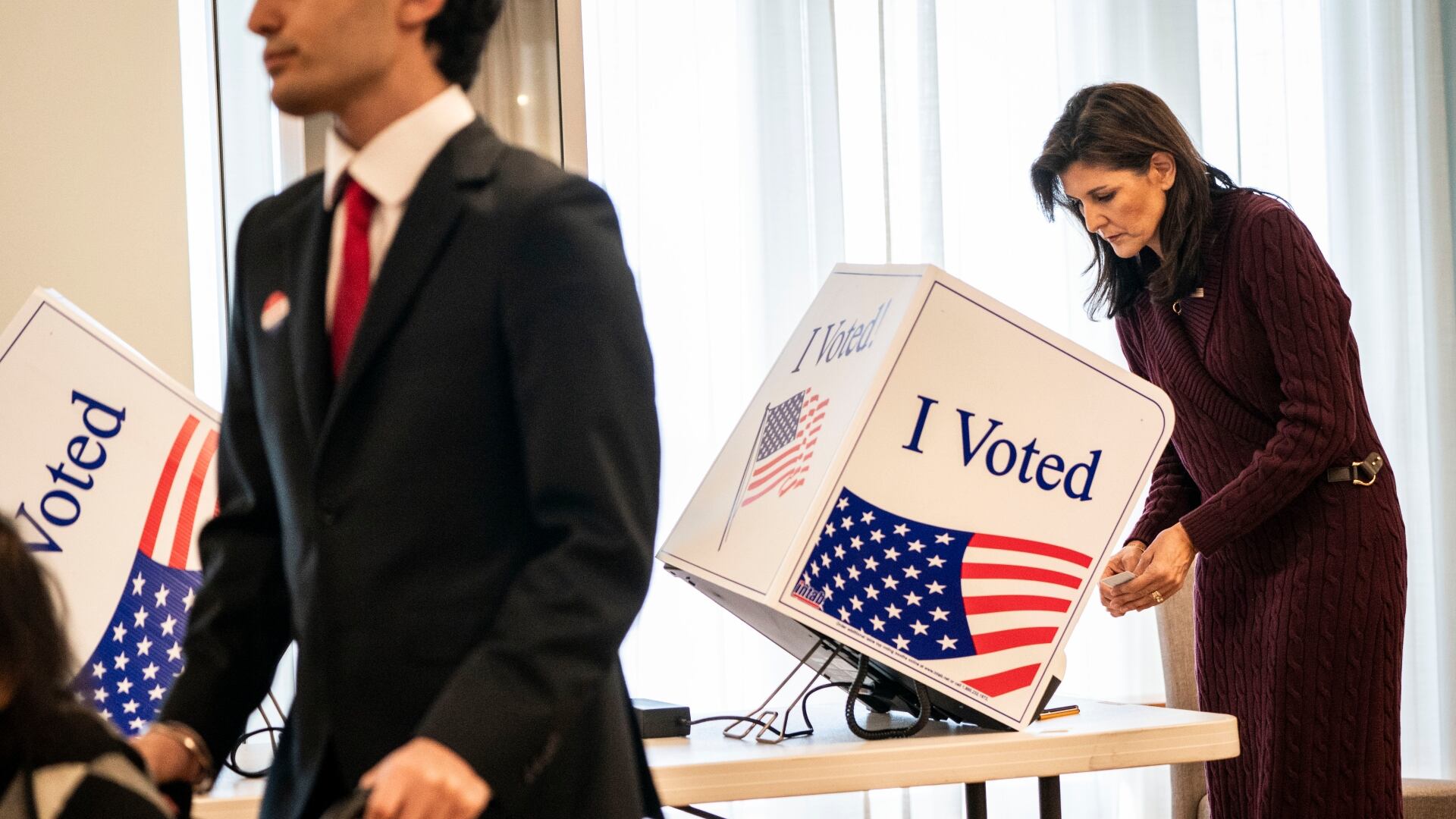
Axios reporter Erin Doherty breaks down the results from the South Carolina primary as former President Trump gets closer to winning the GOP nomination.
Jay Woods of Freedom Capital Markets shares thoughts on how the latest inflation report will impact the market, and why he expects a ‘cascade’ of IPOs if Reddit’s public debut goes well.
During AT&T's widespread outage Thursday, landline phones were a working alternative — which most of the U.S. does not have. Over half of Americans are estimated to have ditched landlines altogether.