*By Britt Terrell*
Roku, the leading provider of over-the-top hardware, has shifted its focus from selling TV boxes to providing access to streaming content through its platform on others' devices.
The company is happy to trade the margins it makes on selling OTT hardware for growing its users, said Steve Louden, Roku's chief financial officer.
"We focus on two things: driving active account growth ー that's the scale of the platform ー and then monetizing the platform," Louden said in an interview Wednesday with Cheddar. "Players are important to us, but they are just one of three ways we grow active accounts," he added.
Roku sells players to plug into TVs; it licenses its platform to TV manufacturers, and licenses its operating system to streaming and telecommunications companies like Sky in Britain and Telstra in Australia.
Hardware sales are becoming less important to the company's bottom line, Louden said, and focus has shifted to its platform business, which has more potential users. The company has 21 million active users, most of them in the U.S., and the company is looking to grow internationally. It's already in 23 countries.
"Roku historically has been primarily focused on being and maintaining our leadership position as the number one streaming platform in the U.S.," Louden said. "But increasingly we are looking to the international markets as well."
For the full interview, [click here](https://cheddar.com/videos/roku-cfo-talks-stock-performance-and-national-streaming-day).
This year's worldwide semiconductor shortage limited the supply of everything from new cars to smartphones; and now, many in the chip industry expect the shortage to continue deep into 2022, and maybe even 2023. Semiconductor senior research analyst for Robert W. Baird & Co., Tristan Gerra, joins Cheddar News' Closing Bell to discuss.
Pavel Bains, the Executive Producer of MixMob and CEO of Bluzelle, joins Cheddar News' Closing Bell to elaborate on an opinion piece he wrote for CoinDesk in which he compares the cultural significance of crypto to hip hop in the 1990s.
Direct health care company Nomi Health recently raised $110 million in a Series A round. Nomi Health lets public and private organizations directly purchase healthcare at reduced costs, and pay providers in real-time. It also delivers healthcare directly to under-served communities via its fleet of mobile care units, which the company says is the largest in the country. Nomi Health says its mission is to improve the health care experience for all Americans. Nomi Health CEO Mark Newman joined Cheddar News' Closing Bell to discuss.
Bitcoin's rise to the mainstream has been a wild ride this year. The cryptocurrency is trading a little under $49,000 Wednesday morning and is set to finish the year sharply higher than where it began earlier this year. Ether prices also soared this year, rising from $730 per coin to nearly $4,000. Ben Armstrong, founder of Bitboy Crypto, joins us to discuss what's in store for crypto in 2022.
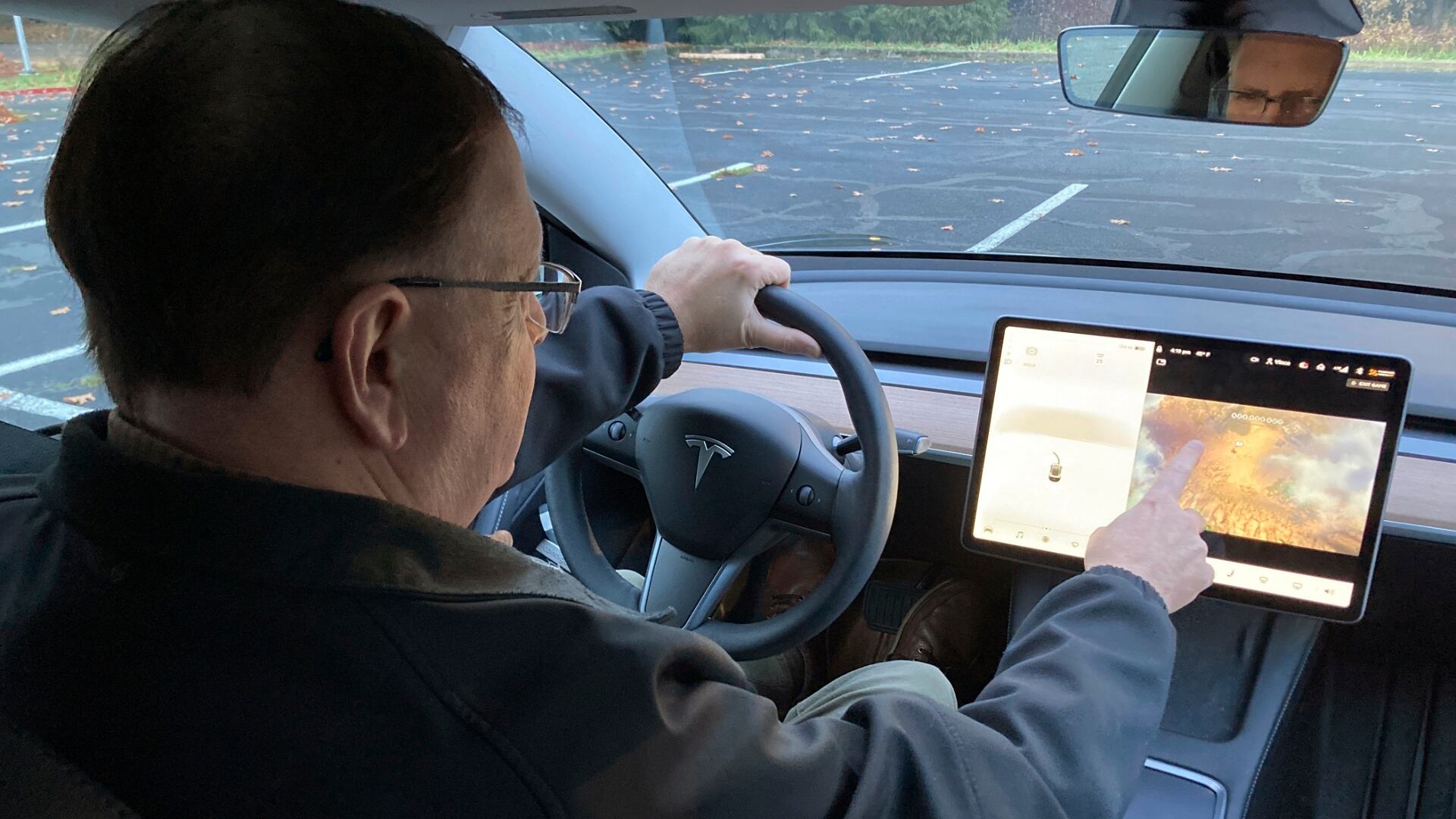
The NHTSA is investigating Tesla over the potential for crashes and distracted driving due to its front touch screen "Passenger Play" game option. The probe covers 580,000 vehicles for all four models from 2017 to 2022.
Google CEO Sundar Pichai addressed staff about workplace culture concerns after they expressed issues with what they perceived as a lack of honesty, candor, and humility from their executives. Pichai attributed some of the challenges to remote communication during the ongoing pandemic.
The boys discuss President Biden's plans to send out free rapid tests as the testing supply chain starts to buckle ahead of the holidays. Also, why aren't Americans having more babies, and The Matrix returns.