*By Britt Terrell*
Roku, the leading provider of over-the-top hardware, has shifted its focus from selling TV boxes to providing access to streaming content through its platform on others' devices.
The company is happy to trade the margins it makes on selling OTT hardware for growing its users, said Steve Louden, Roku's chief financial officer.
"We focus on two things: driving active account growth ー that's the scale of the platform ー and then monetizing the platform," Louden said in an interview Wednesday with Cheddar. "Players are important to us, but they are just one of three ways we grow active accounts," he added.
Roku sells players to plug into TVs; it licenses its platform to TV manufacturers, and licenses its operating system to streaming and telecommunications companies like Sky in Britain and Telstra in Australia.
Hardware sales are becoming less important to the company's bottom line, Louden said, and focus has shifted to its platform business, which has more potential users. The company has 21 million active users, most of them in the U.S., and the company is looking to grow internationally. It's already in 23 countries.
"Roku historically has been primarily focused on being and maintaining our leadership position as the number one streaming platform in the U.S.," Louden said. "But increasingly we are looking to the international markets as well."
For the full interview, [click here](https://cheddar.com/videos/roku-cfo-talks-stock-performance-and-national-streaming-day).
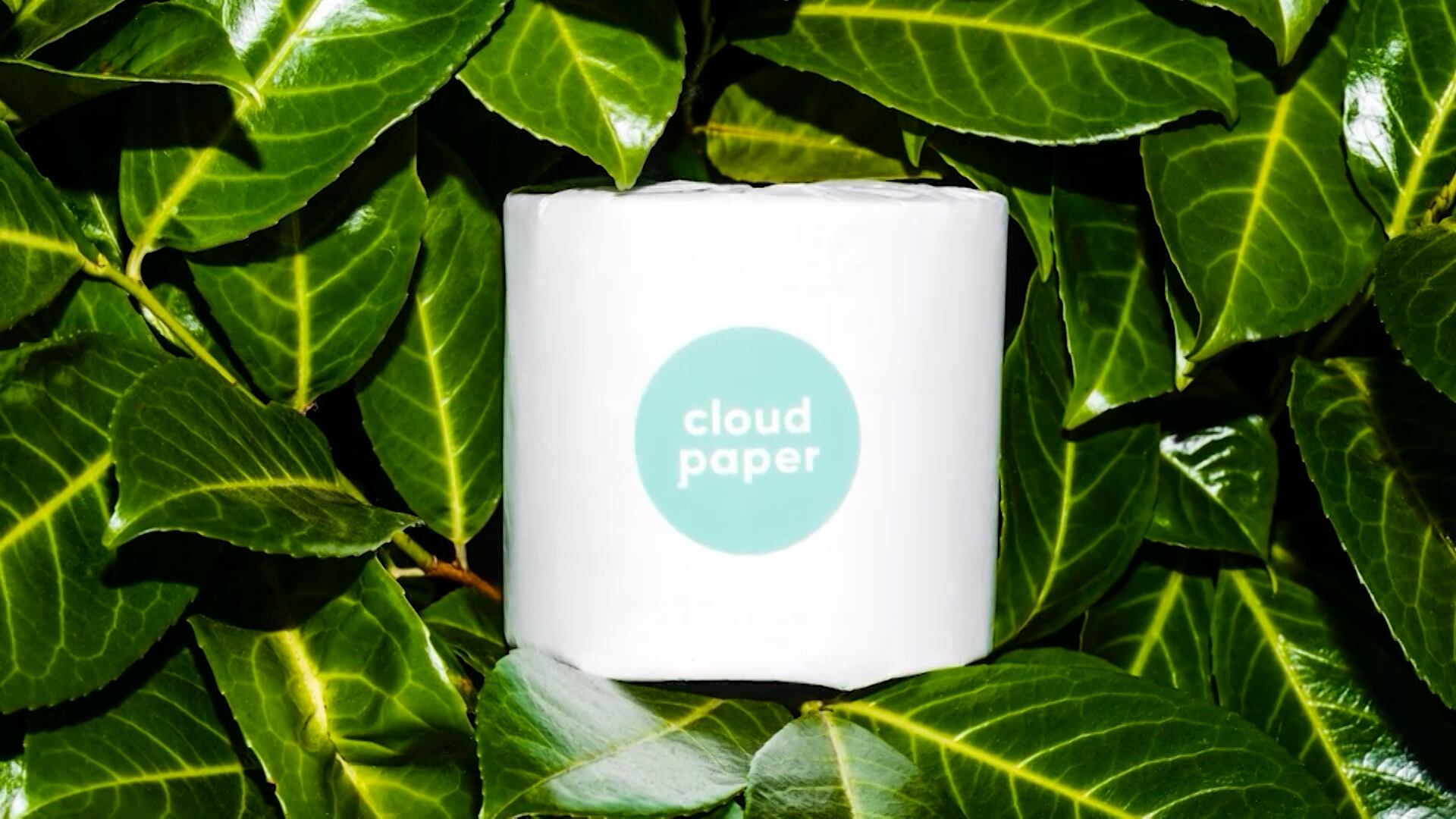
Bamboo-based toilet paper company Cloud Paper raised $5 million in a recent funding round. Its product is a bamboo-based alternative to traditional toilet paper made from trees, and its mission is to end the deforestation caused by traditional paper products. Cloud Paper says the raise will allow it to make significant investments in its supply chain, product development, and hiring. Ryan Fritsch, a co-founder of Cloud Paper, joined Cheddar News' Closing Bell to discuss.
The Biden Administration has now issued new guidelines when it comes to carbon capture. The new guidelines handed down this week encouraged the widespread use of climate attacks that traps and stores carbon emissions. The goal here is the process would help keep carbon out of the atmosphere without requiring a whole lot of change by big companies and manufacturing plants. Several scientists say that this method would be crucial to help us decrease the use of carbon emissions by the year 2050. Professor of Civil and Environmental Engineering at Stanford University, Mark Jacobson, joined Cheddar to discuss more.
Ellen Goodwin, Co-Founder and Chief Solutions Officer of Artifcts, joins ChedHER to discuss how she's creating a platform to preserve the history of your belongings, and her experience succeeding in male-dominated industries.