Fallout from Silicon Valley Bank (SVB) collapse so far seems to be contained but the bank failure has had some ramifications for businesses with deposits at the financial institution.
Roku was among those impacted, having around 26 percent of its cash and cash equivalents deposited at the bank. Around $487 million of its total $1.9 billion was in limbo before the government stepped in and said that the bank's clients would be able to recover their deposits in full.
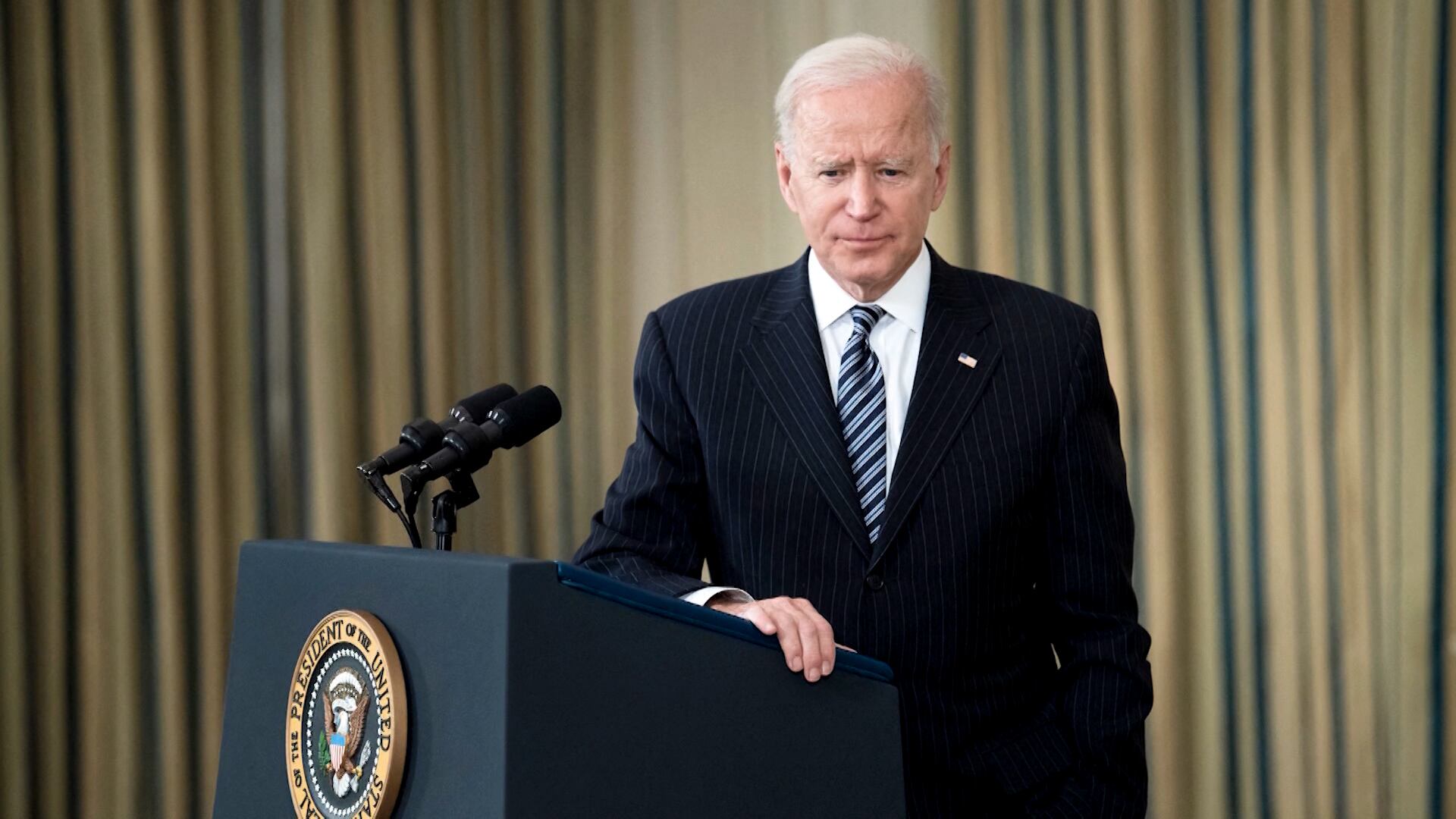
News of the collapse initially plunged Roku's stock by as much as 9.2 percent on Monday, but it rebounded after President Joe Biden said the FDIC would protect impacted customers.
"First, all customers who had deposits in these banks can rest assured … they'll be protected and they'll have access to their money as of today," Biden said in a statement. "No losses will be borne by the taxpayers. Instead the money will come from the fees that banks pay into the Deposit Insurance Fund."
Even without the FDIC backing, Roku indicated to Cheddar News from SXSW that it had enough cash on hand to stay afloat.
"So we filed an 8-K and that's really the totality of our public statement right now. In it, we did say that we're confident that we have the cash balances to meet all of our obligations. That's our public statement right now," Julian Mintz, co-head of U.S. brand sales at Roku, said.
In an effort to avoid a potential financial crisis, global banking leader HSBC acquired SVB in the UK in order to protect a swath of British tech companies.
Meanwhile, the Federal Reserve announced on Monday that it is currently reviewing its own part in overseeing the failure of Silicon Valley Bank and it would have a report by May 1.
Democratic lawmakers are now calling on Bitcoin mining companies in the U.S. to assess how much electricity they use and how it could all potentially impact residents and the environment in the near future. Since its conception, crypto mining has been at the center of a debate. The question is: Is crypto mining playing a key role in renewable energy or could it totally derail U.S. climate goals? Host of The Wendy O show Wendy O, joined Cheddar to discuss more.
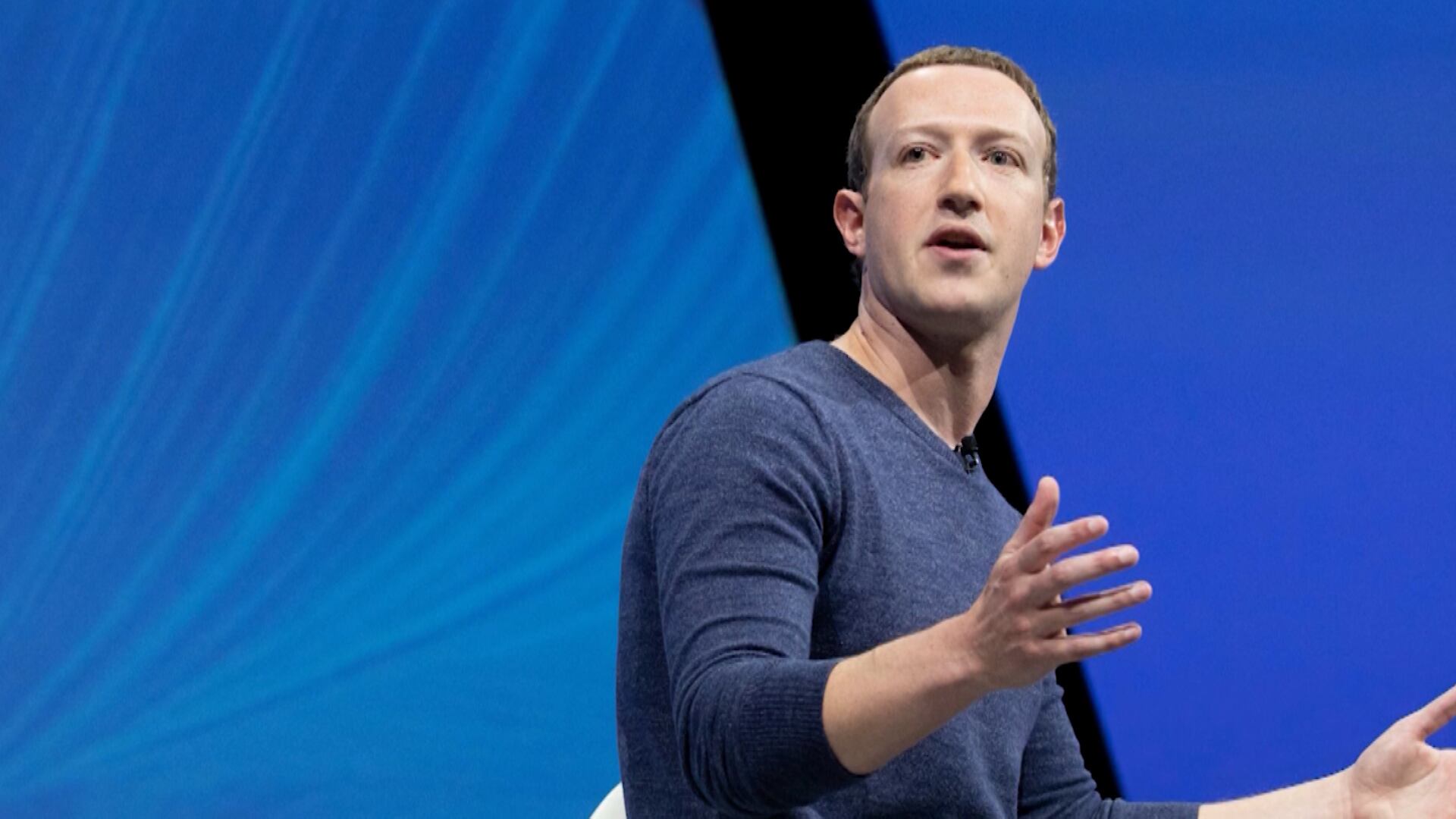
Rene Ritchie, independent tech analyst and co-founder of the Nebula Podcast, joins Cheddar News' Closing Bell, where he breaks down what investors will be looking for from Mark Zuckerberg this week and how the tech giants stack up when it comes to augmented reality and virtual reality products going forward.
According to multiple reports, President Biden's upcoming executive order for the crypto marke would assign some government entities to study cryptocurrencies, stablecoins and NFT's with the goal of developing a workable regulatory framework. Douglas Borthwick, Chief Business Officer at INX, joins Cheddar News' Closing Bell, where he elaborates on what role the Biden administration would play under this order.
Nutritional supplement beverage company Athletic Greens has achieved unicorn status. The company announced a new $115 million funding round, bringing its valuation to $1.2 billion. The company's flagship product AG1 combines 75 different vitamins, minerals, and other nutrients into one daily serving. Athletic Greens says it is poised to reach the millions of consumers who are currently driving the health and wellness market's exponential growth. Athletic Greens founder and CEO Chris Ashenden joins Cheddar News' Closing Bell to discuss.
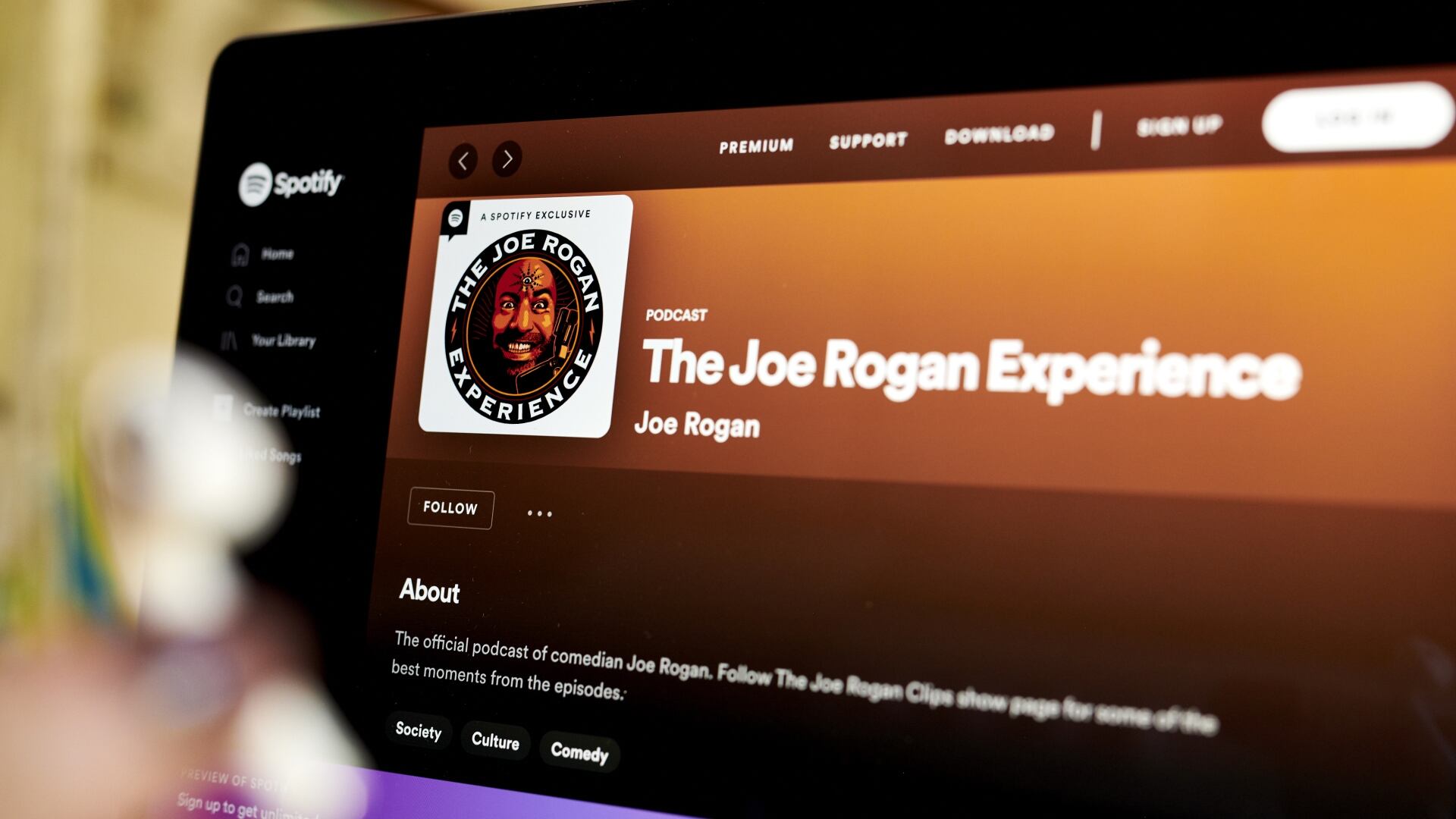
Is Spotify a platform for content creators, or is it a media company? The streaming giant may have to find an answer sooner rather than later amid a controversy involving its most popular podcast host, Joe Rogan. Rogan has hosted guests who have made false claims about COVID-19 vaccines, and in turn, some musicians like Neil Young and Joni Mitchell have removed their discographies from Spotify in protest. Rogan says he welcomes content advisories, and will balance out his guests going forward, but is it enough? And is Spotify liable in any way? John Freeman, Vice President of CFRA Research, joins Closing Bell to discuss Rogan's response to the controversy, whether Spotify should be considered a media company with responsibility for its content, and more.