Fallout from Silicon Valley Bank (SVB) collapse so far seems to be contained but the bank failure has had some ramifications for businesses with deposits at the financial institution.
Roku was among those impacted, having around 26 percent of its cash and cash equivalents deposited at the bank. Around $487 million of its total $1.9 billion was in limbo before the government stepped in and said that the bank's clients would be able to recover their deposits in full.
News of the collapse initially plunged Roku's stock by as much as 9.2 percent on Monday, but it rebounded after President Joe Biden said the FDIC would protect impacted customers.
"First, all customers who had deposits in these banks can rest assured … they'll be protected and they'll have access to their money as of today," Biden said in a statement. "No losses will be borne by the taxpayers. Instead the money will come from the fees that banks pay into the Deposit Insurance Fund."
Even without the FDIC backing, Roku indicated to Cheddar News from SXSW that it had enough cash on hand to stay afloat.
"So we filed an 8-K and that's really the totality of our public statement right now. In it, we did say that we're confident that we have the cash balances to meet all of our obligations. That's our public statement right now," Julian Mintz, co-head of U.S. brand sales at Roku, said.
In an effort to avoid a potential financial crisis, global banking leader HSBC acquired SVB in the UK in order to protect a swath of British tech companies.
Meanwhile, the Federal Reserve announced on Monday that it is currently reviewing its own part in overseeing the failure of Silicon Valley Bank and it would have a report by May 1.
Senators Richard Blumenthal (D-Conn.) and Marsha Blackburn (R-Tenn.) have introduced a new bill to afford greater protection to minors on social media. The genesis of the Kids Online Safety Act came from a Facebook whistleblower case exposing the harm apps can have on the mental health of young girls.
Ride share competitors Uber and Lyft both posted their fourth quarter earnings days apart from each other. Both companies have been trying to get back on their feet after taking some pandemic-related hits, but the Omicron variant had other ideas as the year came to a close, with each company taking a hit in ridership in December. Lance Ippolito, head trader at The Future of Wealth explains how Uber and Lyft measured up this earnings period and why Uber may still have an edge over the competition.
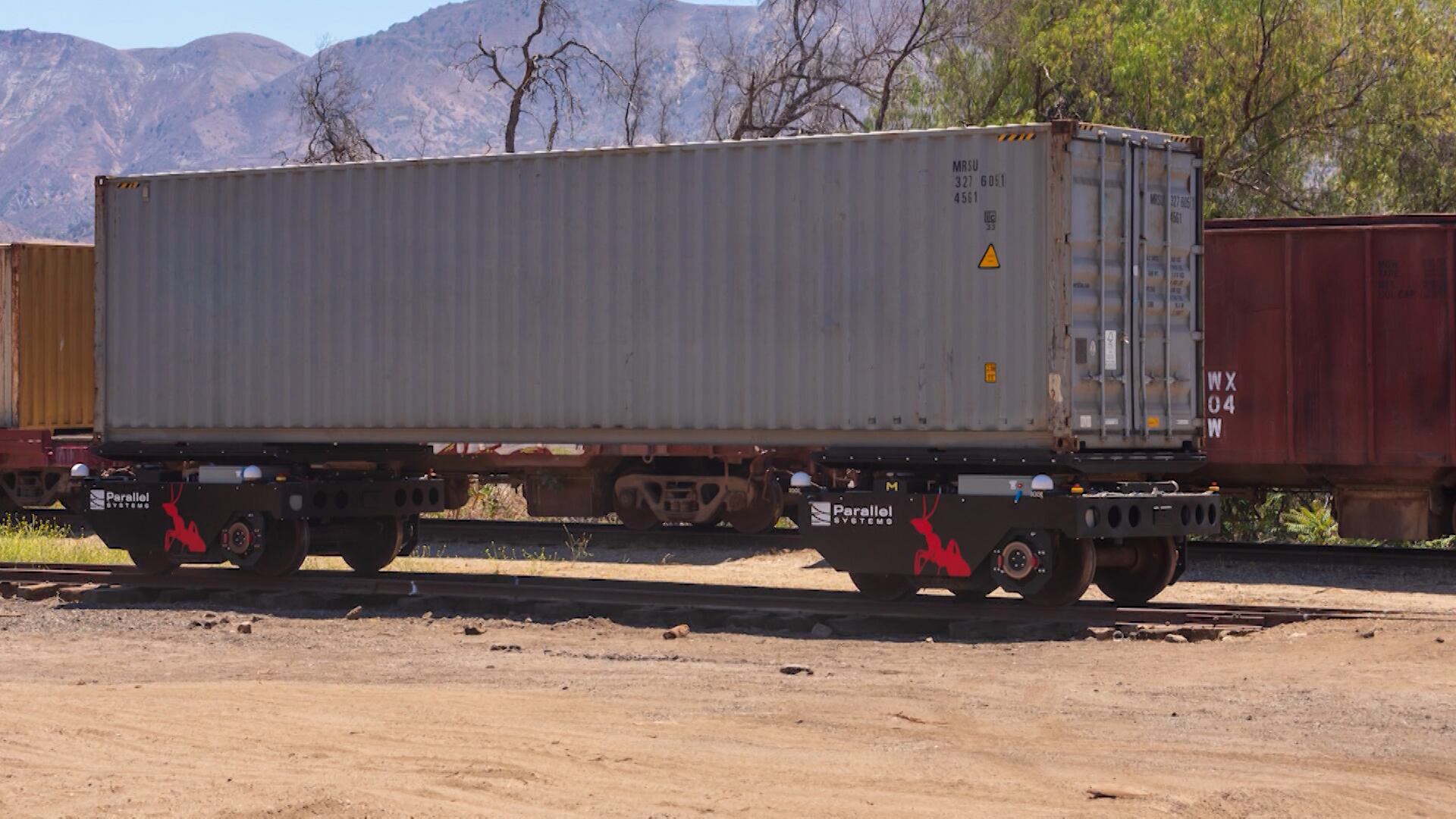
Parallel Systems has been selected to receive $4.5 million from the Department of Energy for an advanced testing program of its autonomous, battery-electric rail vehicles. The startup, which has raised more than $53 million to date, was founded by former SpaceX engineers to reimagine the rail system by creating a more efficient, decarbonized freight network. Matt Soule, Co-founder & CEO of Parallel Systems, joined Cheddar's Opening Bell to discuss what the company hopes to achieve.