Fallout from Silicon Valley Bank (SVB) collapse so far seems to be contained but the bank failure has had some ramifications for businesses with deposits at the financial institution.
Roku was among those impacted, having around 26 percent of its cash and cash equivalents deposited at the bank. Around $487 million of its total $1.9 billion was in limbo before the government stepped in and said that the bank's clients would be able to recover their deposits in full.
News of the collapse initially plunged Roku's stock by as much as 9.2 percent on Monday, but it rebounded after President Joe Biden said the FDIC would protect impacted customers.
"First, all customers who had deposits in these banks can rest assured … they'll be protected and they'll have access to their money as of today," Biden said in a statement. "No losses will be borne by the taxpayers. Instead the money will come from the fees that banks pay into the Deposit Insurance Fund."
Even without the FDIC backing, Roku indicated to Cheddar News from SXSW that it had enough cash on hand to stay afloat.
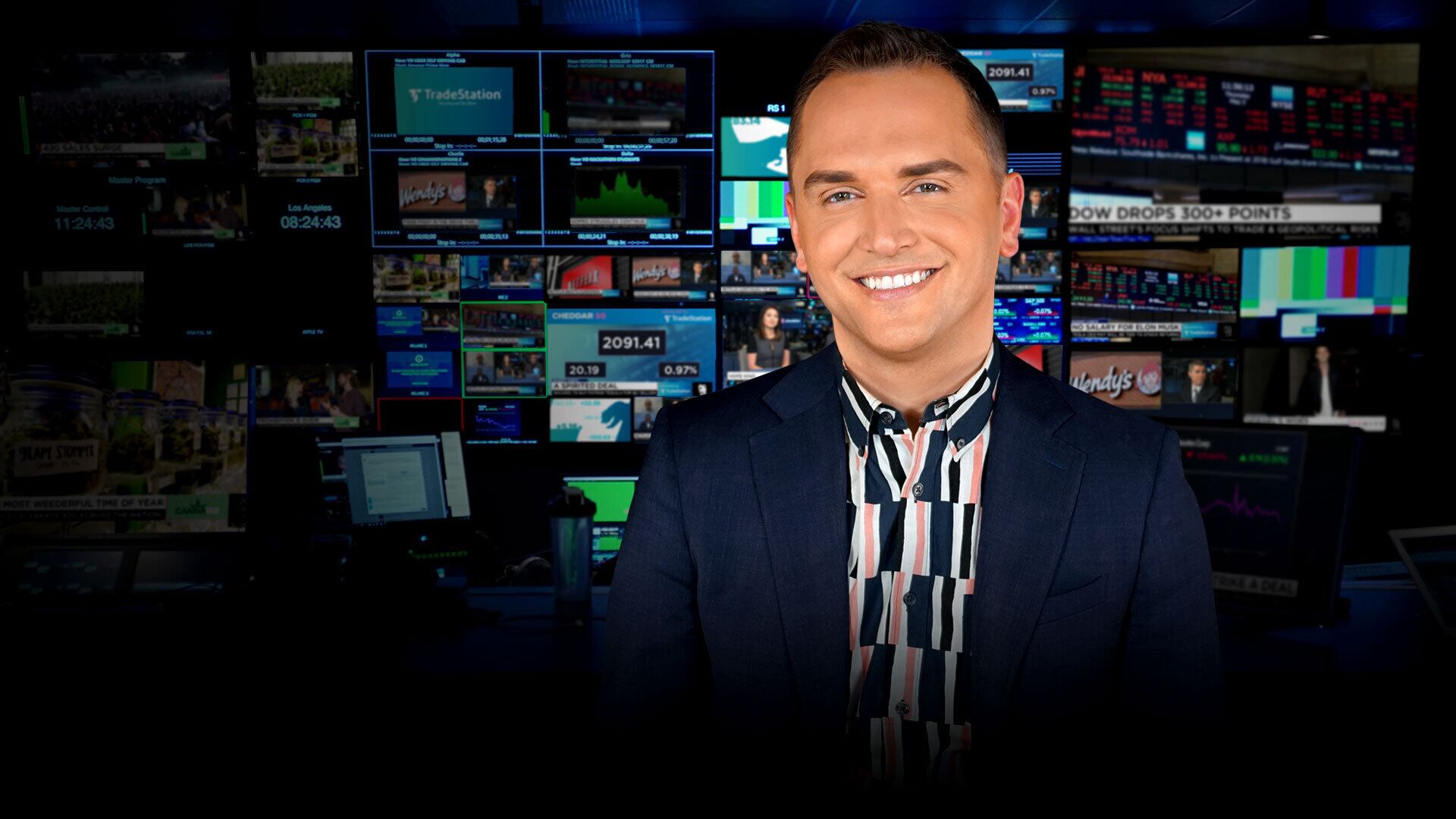
"So we filed an 8-K and that's really the totality of our public statement right now. In it, we did say that we're confident that we have the cash balances to meet all of our obligations. That's our public statement right now," Julian Mintz, co-head of U.S. brand sales at Roku, said.
In an effort to avoid a potential financial crisis, global banking leader HSBC acquired SVB in the UK in order to protect a swath of British tech companies.
Meanwhile, the Federal Reserve announced on Monday that it is currently reviewing its own part in overseeing the failure of Silicon Valley Bank and it would have a report by May 1.
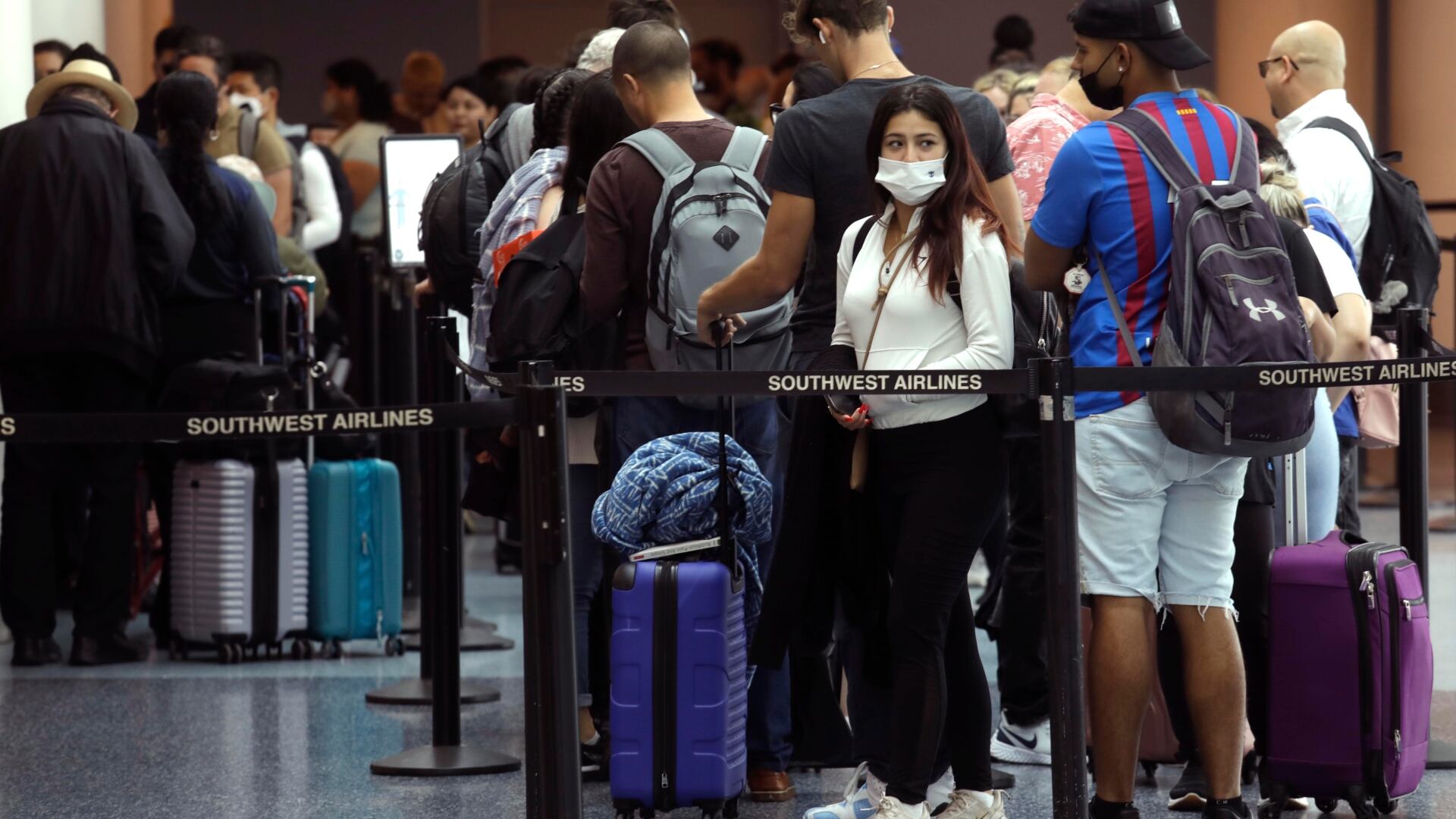
Memorial Day rang in the unofficial start of summer here in the United States -- and with it, the unofficial start of summer travel. Whether consumers traveled by air or by land, they probably experienced some form of frustration over the weekend. Flyers faced delays and cancellations, and drivers faced the most expensive gas prices ever recorded on Memorial Day. Zach Griff, Senior Aviation Reporter for the Points Guy, joins Cheddar News' Closing Bell to discuss.
Next-generation gaming ecosystem Joystick recently raised $8 million in a seed round and is in the process of raising a $110 million Series A funding round. Gaming ecosystems are a relatively new type of platform in the Web3 space, allowing users to maximize their play-to-earn gaming opportunities, exchange crypto-currencies, and sell their digital assets. Joystick says its platform is flipping the current model on its head by giving players the opportunity to keep 100% of the revenue they earn. Robin Defay, co-founder and CEO of Joystick, and Michael Le, co-founder of Joystick and TikTok content creator, join Cheddar News' Closing Bell to discuss.
The dating app Bumble has sponsored bills and pushed lawmakers to criminalize the online practice of sending unsolicited nudes or “cyberflashing." Payton Iheme, Bumble's head of public policy for the Americas, joined Cheddar News to discuss why the app was going after the harassing behavior beyond its own platform. "Now, while we went to work internally in the company, and we created something called private detector to automatically blur those images so the user can decide if they want to see them, there's nothing for the rest of the internet," she said. "And so that's why we went to work with these laws."
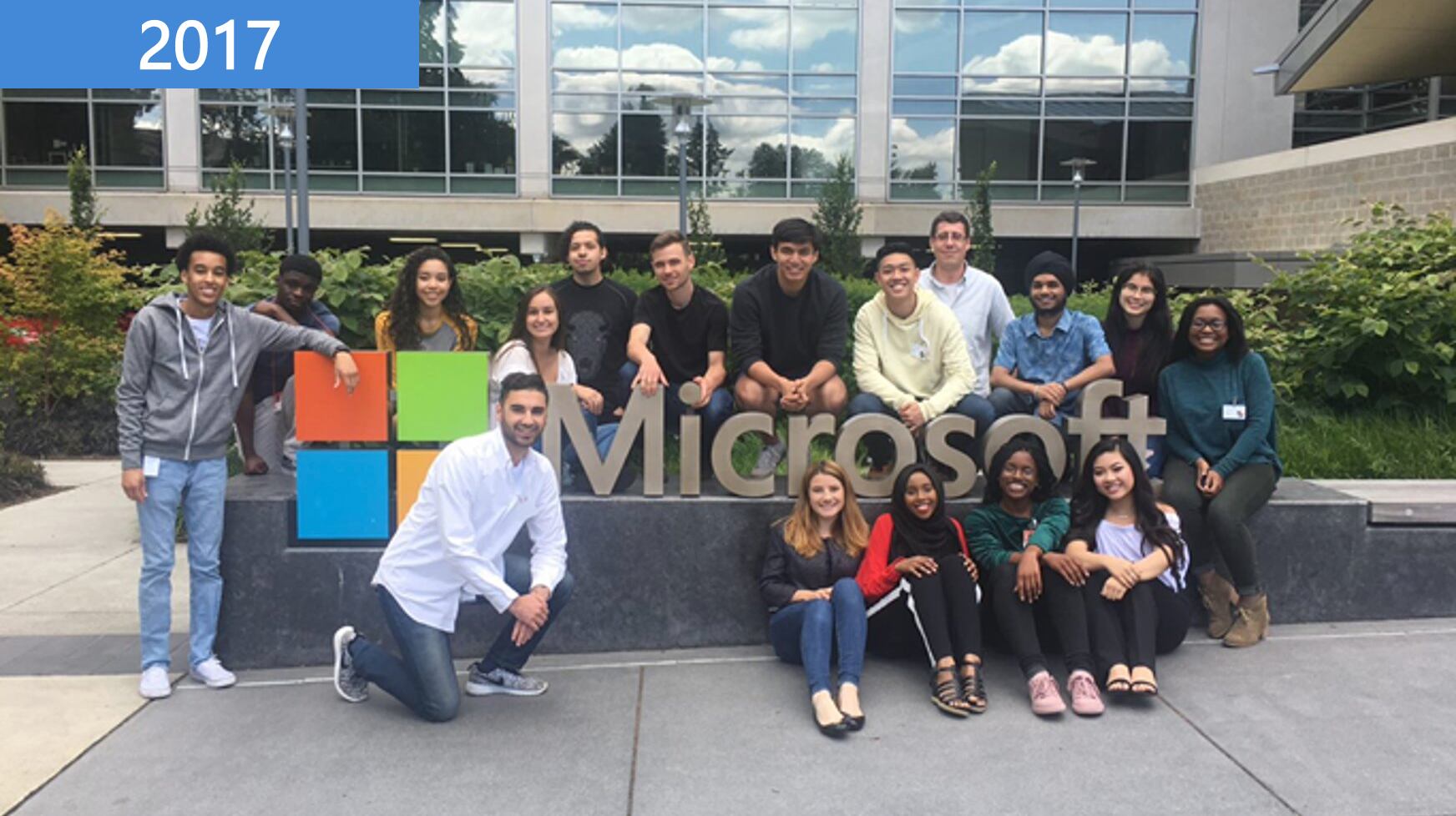
The founder and president of Cyborg Mobile Kobie Hatcher has been on a strong trajectory to disrupt his industry with a program called The New Technologists. It's not only meant to address the diversity gap within large tech companies but also help pave the way to transform the lives of young BIPOC students. He joined Cheddar News to talk about how he's working to make a difference with the lack of diversity in tech. “There's truly no lack of talent out there. It's just identifying them and letting them know that, hey, I've been in the tech sector for over 20 years. I see you. I know what you can bring, bring it, we need it," Hatcher said.