RoboBurger Promises Robot-Made Burgers in 7 Minutes or Less
While vending machines can dispense warm food items, RoboBurger is taking the concept one step further. This all-in-one fridge, griddle and cleaning device will take your order, cook your burger from scratch and deliver it in about 7 minutes -- all without a human to take your order, man the grill or serve it to you.
"We're not we're not here to really replace the service industry," CEO Audley Wilson said. "We're really here to supplement its needs, and we provide a hot, high protein burger in places where no one else can. So it's not really here to replace the lunch rush. It's here to just get you a burger at convenient locations when you need it."
RoboBurger has been in development for 17 years. Its latest prototype has found a home in Newport Centre Mall in Jersey City, N.J. The current burger uses a Pat LaFrieda beef patty and Martin's potato roll. It can dispense melted cheese, ketchup or mustard on request. The device is certified by the National Sanitary Foundation (NSF) according to U.S. food safety regulations.
WIlson sees it as an opportunity to help the service industry which has been struggling with staffing issues since the pandemic began, as well as provide other higher-paying jobs in the area, including robotics-based jobs. In addition, it needs maintenance staff to run the machines.
"We have our manufacturing arm which is based in New York. and what we do is we build our units," he said. "We source locally, and we hire great employees here in the New York area and teach them how to build robots and be on our operations team."
In the future, it hopes to add more condiments as well as other kinds of proteins, including plant-based meat and chicken burgers. It is aiming for 100 units in use by the end of the year, expanding to thousands starting in 2023.
"We really hope to be one of the largest burger chains in the country," he said.
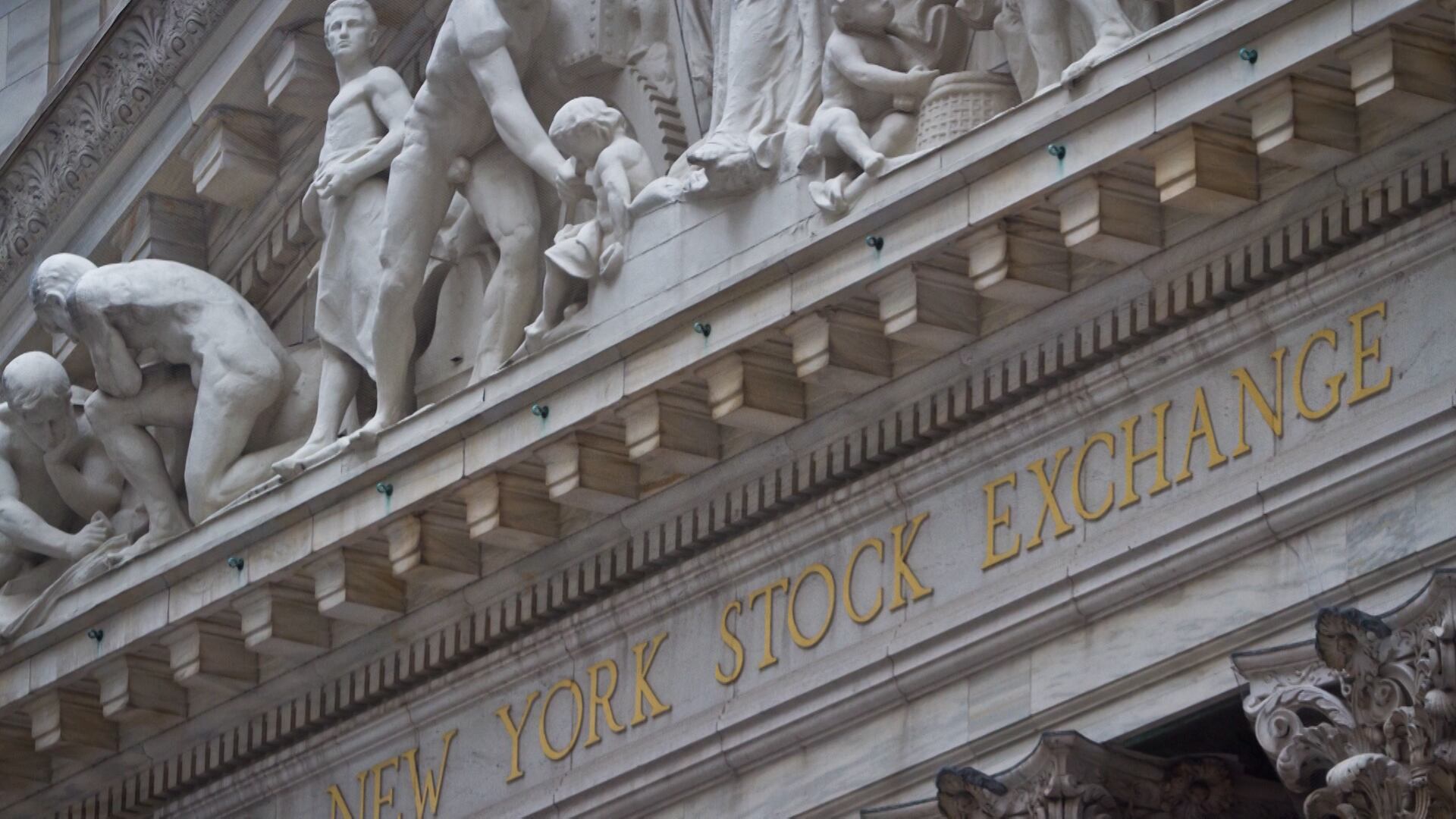
U.S. stocks closed Thursday at their lowest levels of the trading day, as investors continue to eye inflation ahead of the May CPI report out Friday. Art Hogan, Chief Market Strategist for National Holdings, joins Cheddar News' Closing Bell to discuss.
U.S. markets opened sharply lower on Friday on hotter-than-expected inflation data. The May CPI showed an 8.6% jump in consumer prices year-over-year, higher the expected 8.3%. Mark Howard, Senior Multi-Asset Specialist at BNP Paribas joined Cheddar's Opening Bell to discuss.
U.S. stocks closed Friday at session lows after May CPI data showed inflation in the U.S. has not peaked and is still rising rapidly. For the week, the S&P fell 5.06%, the Dow lost 4.58%, and the Nasdaq dropped 5.60%, marking the worst week since January for all three major indexes. Mike Zigmont, Head of Trading and Research at Harvest Volatility Management, joins Cheddar News' Closing Bell to discuss.
Benefits brokerage, Nava Benefits, raised $40 million in a Series B round. Nava says it's on a mission to fix healthcare, one benefits plan at a time. The startup is working to bring benefits to small business that are normally available to only Fortune 500 companies. Brandon Weber, Co-Founder and CEO of Nava Benefits, joined Cheddar News' Closing Bell to discuss.
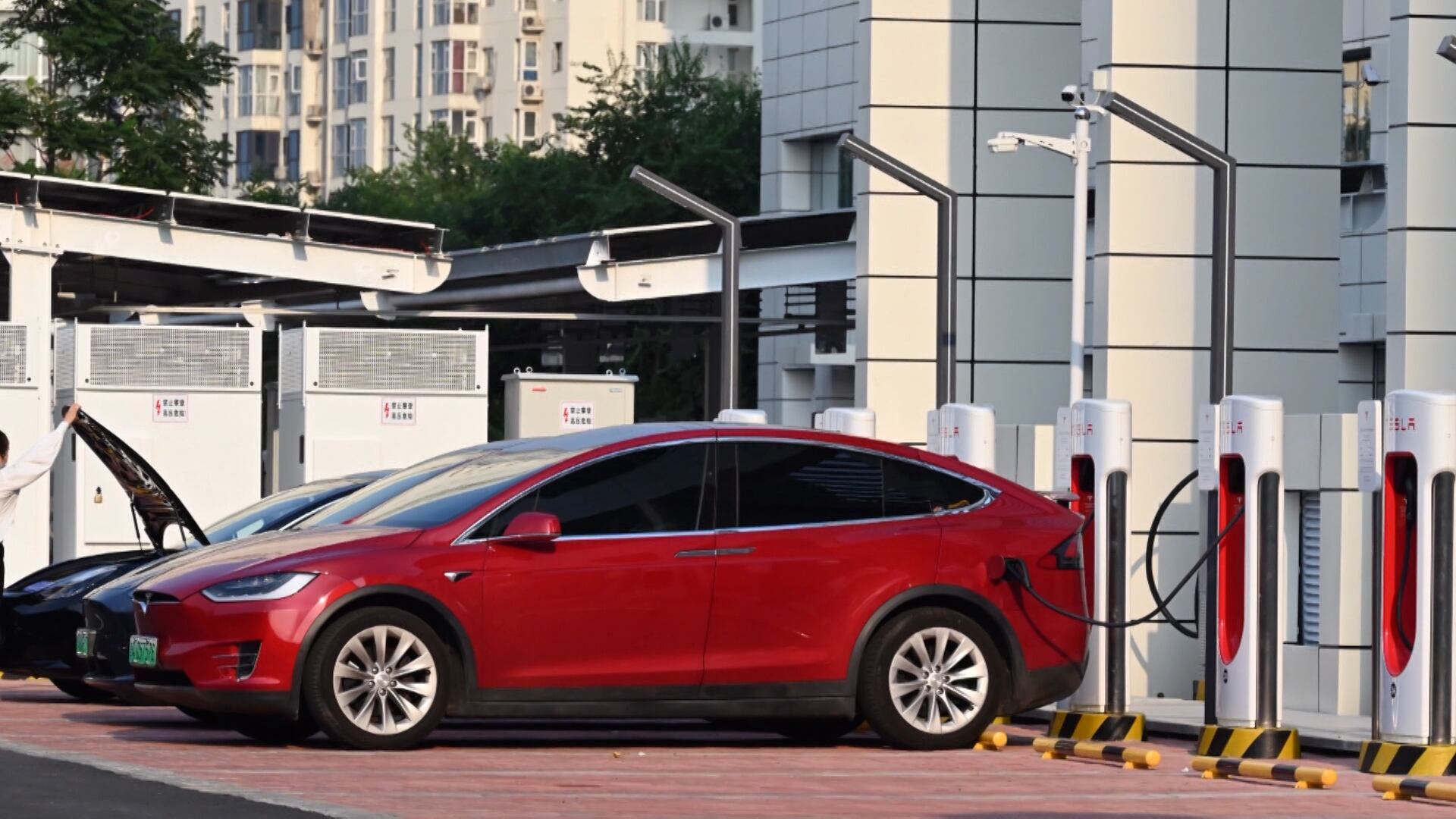
The electric vehicle maker filed a proposal for a three-for-one stock split, increasing the accessibility of shares for investors for a stock trading at around $700 a share. The move comes not long after tech giant Amazon announced a 20-for-one split. The number of authorized shares rises from two billion to six billion. It was also revealed that board member Larry Ellison does not intend to stand for reelection as it pertains to Tesla.
President Biden proposed a new rule that would add 500,000 chargers for electric vehicles nationwide. The proposal comes amid the rapid shift to EVs with dozens of automakers announcing plans for all-electric fleets within the next decade. But with the new surge will the U.S. have the proper infrastructure to keep up? Scott Painter, founder and CEO of Autonomy.com joined Cheddar's Opening Bell to discuss. "I really think the idea of standardization is a big deal. Standardization certainly makes it much better for everybody to be able to get a charge when they need one," he said.