By Michelle Chapman
Robinhood, the online brokerage that found itself embroiled in this year's meme stock phenomenon, will go public seeking a market valuation of up to $35 billion.
The company said in a regulatory filing on Monday that it hopes to price 55 million shares in its initial public offering in a range of $38 to $42 per share. It could raise approximately $2.3 billion if shares are sold at the high end of the range.
Robinhood is offering approximately 52.4 million shares. The company's founders Baiju Bhatt and Vladimir Tenev, and Chief Financial Officer Jason Warnick, are offering about 2.6 million shares. The company won't receive any proceeds from shares sold by its officers and founders.
The underwriters have an option to buy 5.5 million shares to cover any overallotments.
Robinhood’s IPO will give investors a chance to own part of a fast-growing company that has rocked the traditionally staid brokerage business. Since its launch in 2014, Robinhood’s popularity has forced rivals to get rid of commissions and to offer apps that make trading easy and maybe even fun.
The company said in its filing that it had 17.7 million monthly active users as of March and more than half of its customers are first-time investors.
Many of those first-time investors have started trading on Robinhood due to the popularity of meme stocks like GameStop. The trading frenzy that followed forced Robinhood to limit some trades because of the massive volume and it faced some government scrutiny.
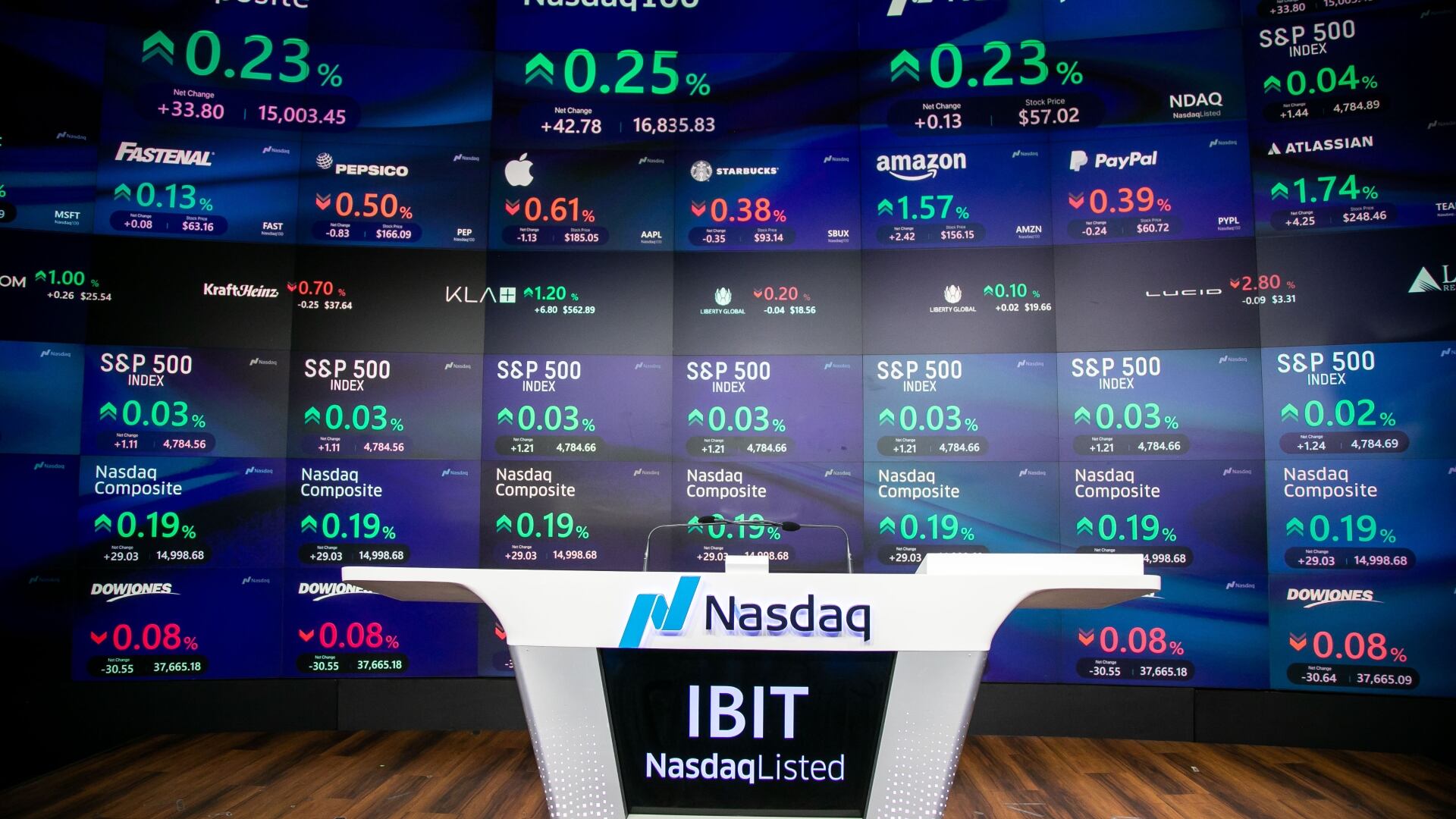
The California company will list on the Nasdaq under the “HOOD" ticker symbol.
Updated on July 19, 2021, at 1:07 p.m. ET with the latest details.