Robinhood, the online brokerage that found itself embroiled in this year's meme stock phenomenon, will go public seeking a market valuation of up to $35 billion.
The company said in a regulatory filing on Monday that it hopes to price 55 million shares in its initial public offering in a range of $38 to $42 per share. It could raise approximately $2.3 billion if shares are sold at the high end of the range.
Robinhood is offering approximately 52.4 million shares. The company's founders Baiju Bhatt and Vladimir Tenev, and Chief Financial Officer Jason Warnick, are offering about 2.6 million shares. The company won't receive any proceeds from shares sold by its officers and founders.
The underwriters have an option to buy 5.5 million shares to cover any overallotments.
Robinhood’s IPO will give investors a chance to own part of a fast-growing company that has rocked the traditionally staid brokerage business. Since its launch in 2014, Robinhood’s popularity has forced rivals to get rid of commissions and to offer apps that make trading easy and maybe even fun.
The company said in its filing that it had 17.7 million monthly active users as of March and more than half of its customers are first-time investors.
Many of those first-time investors have started trading on Robinhood due to the popularity of meme stocks like GameStop. The trading frenzy that followed forced Robinhood to limit some trades because of the massive volume and it faced some government scrutiny.
The California company will list on the Nasdaq under the “HOOD" ticker symbol.
Updated on July 19, 2021, at 1:07 p.m. ET with the latest details.
Jason Moser, analyst and adviser at the Motley Fool, shares thoughts on recent tech earnings, including what’s behind Google’s share price drop and why A.I. could be Microsoft’s ‘iPhone moment.’
CEOs of social media platforms like Facebook, TikTok, and more meet with lawmakers Wednesday about how they are protecting children from sexual exploitation.
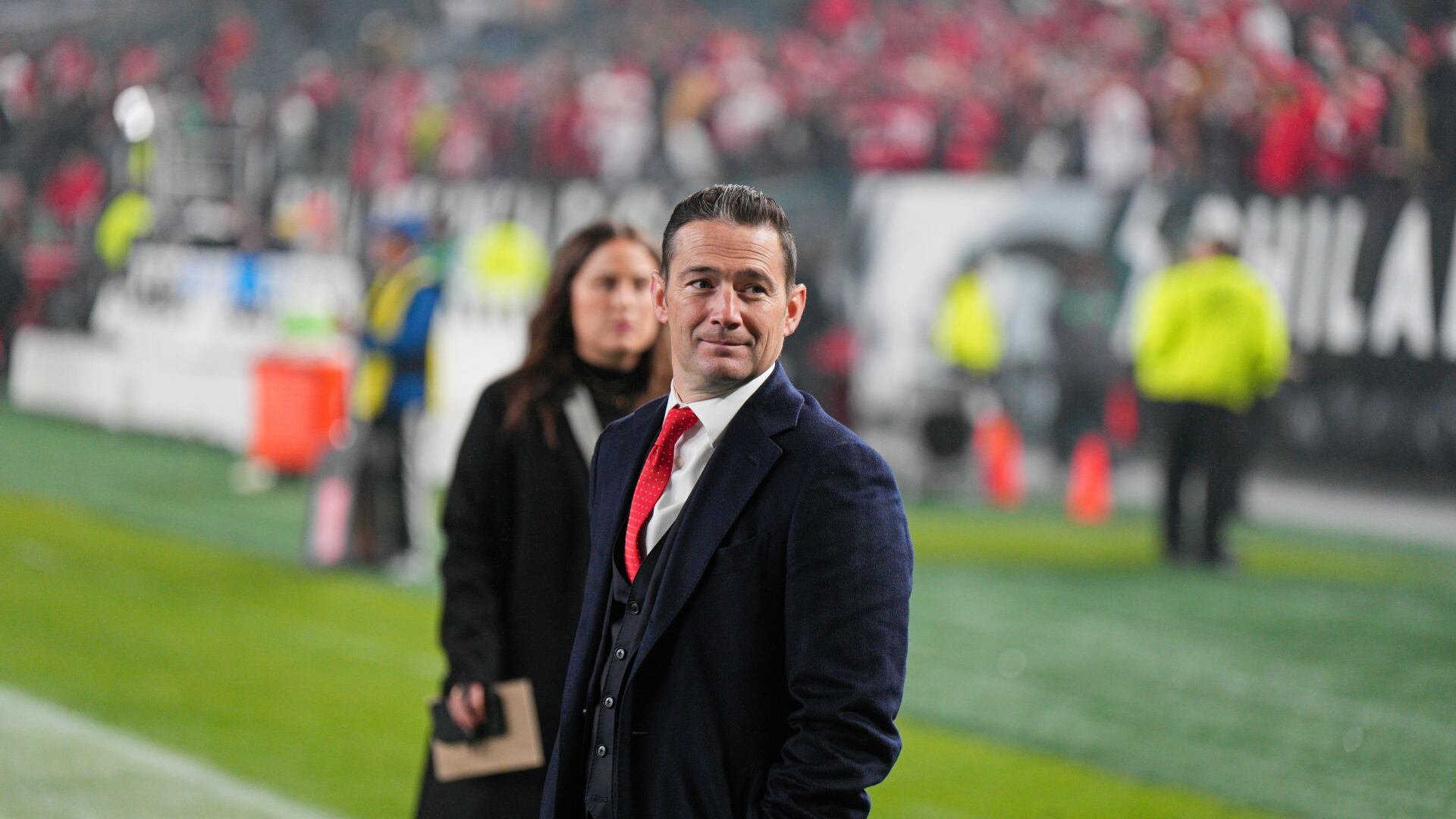
San Francisco 49ers president Al Guido discusses what goes into preparing for Super Bowl LVIII, building a championship-ready team, and how Taylor Swift and streaming are both bringing new fans to the NFL.
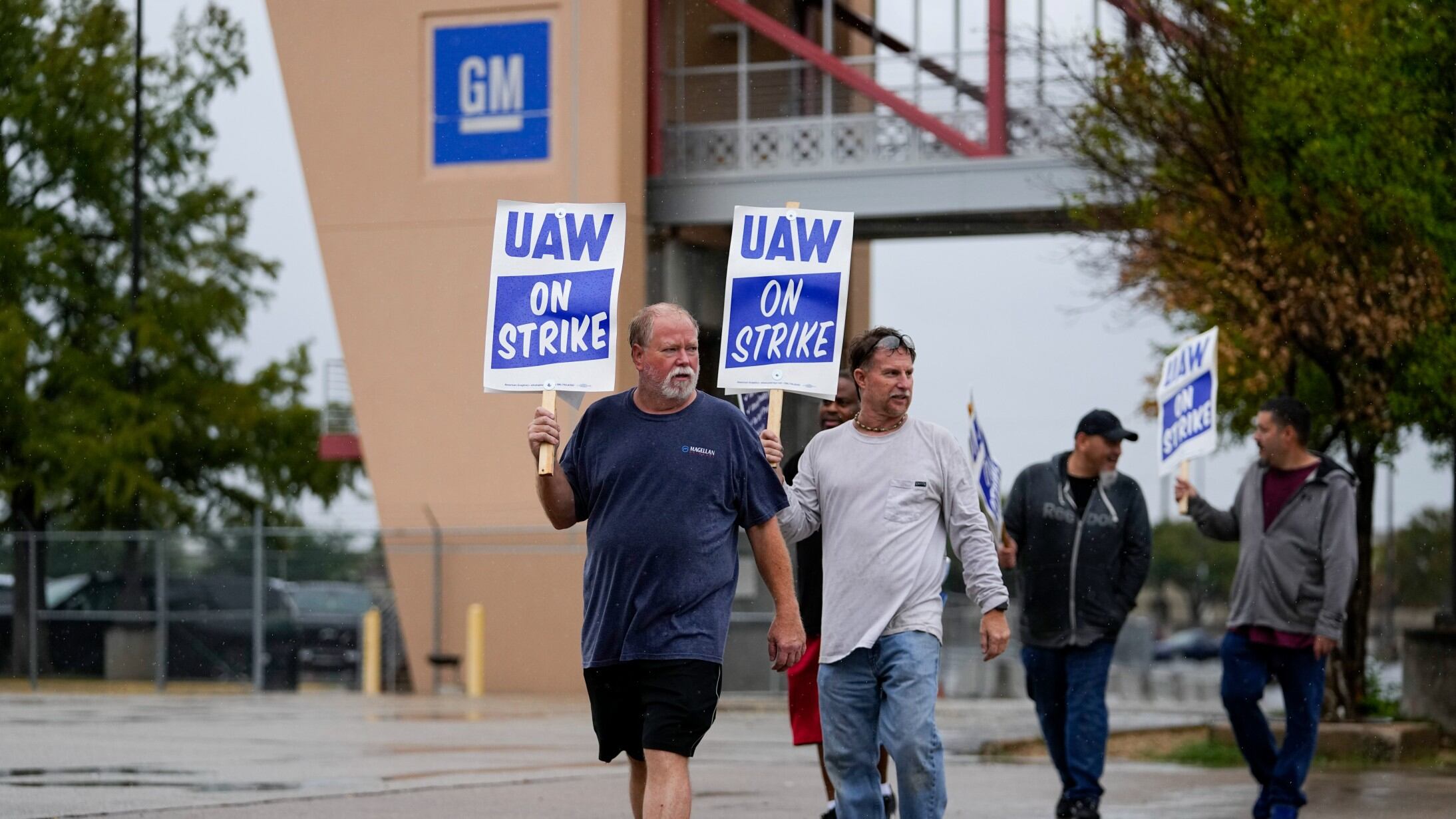
A $1 billion loss from a six-week strike did not crash GM's net income last year, which instead rose 12% — and the automaker expects improvement in 2024, too.
Accrue CEO and founder Michael Hershfield explains why Americans' credit card delinquencies are on the rise, advice on what can help, and the key difference between Boomers and Gen Z when it comes to money.
Senior Economist at Morning Consult Kayla Bruun shares thoughts on what to expect from the Fed's January meeting and where monetary policy is headed, as well as how consumers are faring.
Former Medtronic CEO and author of 'True North' Bill George explains the steps Boeing leadership must take to regain client and consumer trust after 737 Max 9 production was stopped.
Amazon blamed "regulatory hurdles" for calling off its proposed acquisition of robot vacuum maker iRobot. Not even a Roomba could clean up the deal's antitrust scrutiny.