Robinhood, the online brokerage that found itself embroiled in this year's meme stock phenomenon, will go public seeking a market valuation of up to $35 billion.
The company said in a regulatory filing on Monday that it hopes to price 55 million shares in its initial public offering in a range of $38 to $42 per share. It could raise approximately $2.3 billion if shares are sold at the high end of the range.
Robinhood is offering approximately 52.4 million shares. The company's founders Baiju Bhatt and Vladimir Tenev, and Chief Financial Officer Jason Warnick, are offering about 2.6 million shares. The company won't receive any proceeds from shares sold by its officers and founders.
The underwriters have an option to buy 5.5 million shares to cover any overallotments.
Robinhood’s IPO will give investors a chance to own part of a fast-growing company that has rocked the traditionally staid brokerage business. Since its launch in 2014, Robinhood’s popularity has forced rivals to get rid of commissions and to offer apps that make trading easy and maybe even fun.
The company said in its filing that it had 17.7 million monthly active users as of March and more than half of its customers are first-time investors.
Many of those first-time investors have started trading on Robinhood due to the popularity of meme stocks like GameStop. The trading frenzy that followed forced Robinhood to limit some trades because of the massive volume and it faced some government scrutiny.
The California company will list on the Nasdaq under the “HOOD" ticker symbol.
Updated on July 19, 2021, at 1:07 p.m. ET with the latest details.
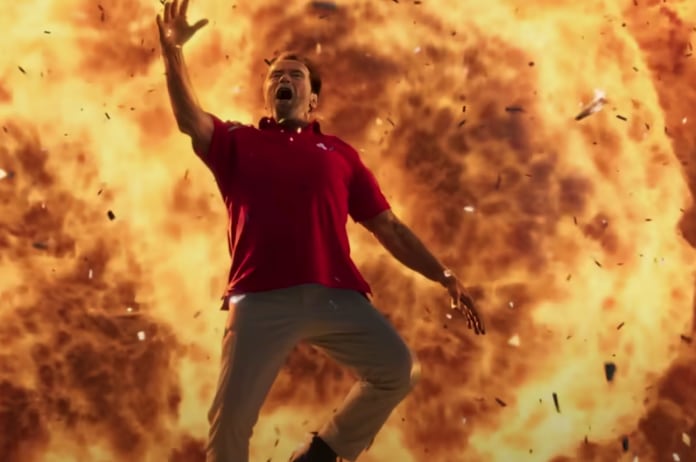
What do Arnold Schwarzenegger, Aubrey Plaza, and Tom Brady all have in common? You'll see them on Super Bowl Sunday, but not on the field. If you only watch the Super Bowl for the ads, here's a sneak peek.
The Federal Communications Commission knows (to loosely quote Drake) "when that [AI robocall] hotline bling, that can only mean one thing" — deception. The agency says bad actors have been using these voices to misinform voters.
David Stryzewski, CEO of Sound Planning Group, breaks down Disney’s latest results, from adding Taylor Swift to building out ESPN, and why Bob Iger’s leadership is crucial.
Kevin Cohee, CEO and chairman of OneUnited Bank, discusses the power of financial literacy and how education and technology can help bridge the racial wealth gap.
Alex McGrath, Chief Investment Officer at NorthEnd Private Wealth, discusses why the A.I. hype can’t power the market forever and how to position investments in the current market.
Paul Verna of Insider Intelligence breaks down how the company is positioned, whether they can make their streaming service profitable, and the upper limit of streaming bundle prices.
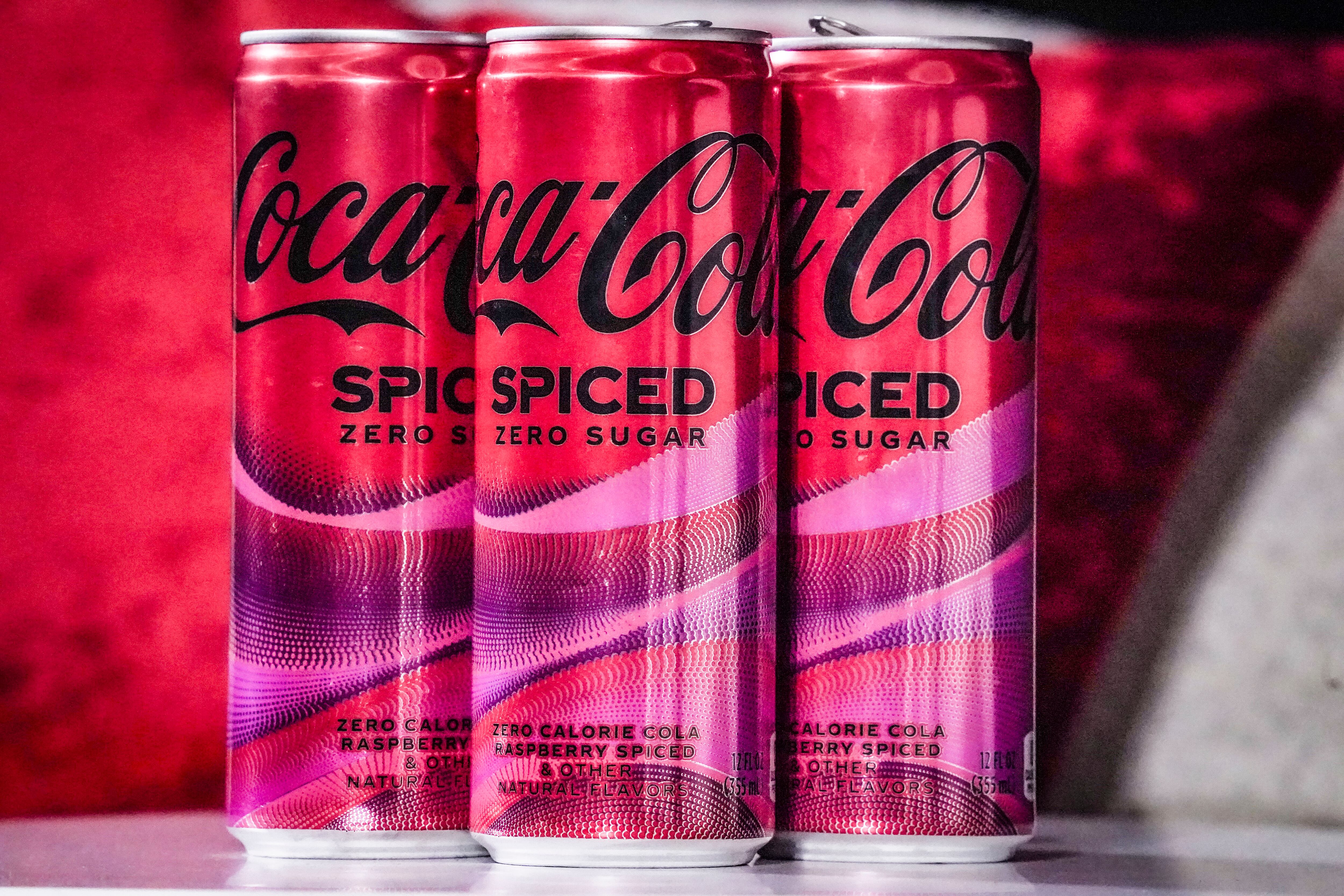
From Flamin’ Hot Cheetos to Sweet Heat Starburst, America’s snacks are getting spicier. Now, Coca-Cola wants in on the trend. The beverage giant introduced Coca-Cola Spiced, the first new permanent offering to its North American portfolio in three years.
Taylor Swift’s camp is hitting Jack Sweeney, a junior at the University of Central Florida, with a cease-and-desist letter that blamed his automated tracking of her private jet for tipping off stalkers as to her location.