Robinhood has confirmed it's withdrawing its federal banking charter application with the U.S Office of the Comptroller of the Currency.
The fintech unicorn, known for its zero-commission stock trading service, has no plans to resubmit the application. Its approval would have allowed Robinhood to offer consumers its own banking services, rather than doing so in partnership with a smaller but fully regulated bank on the backend. CNBC first reported the news on Wednesday.
"We are voluntarily withdrawing our OCC application for a national bank charter," a Robinhood spokesman told Cheddar in an emailed statement Wednesday. "Robinhood will continue to focus on increasing participation in the financial system and challenging the industry to better serve everyone."
The withdrawal highlights a fast-growing industry of startups whose collective agile development strategy tends to be at odds with the highly regulated and slow-moving banking industry they're trying to shake up. But it isn't the first to pull its application: In 2017 SoFi halted the process of its application for an ILC, or industrial loan company license, from the Federal Deposit Insurance Corporation; and Square withdrew an ILC application last year, though it has resubmitted it and is currently awaiting a decision.
Being a bank can be a sustainable business model, allow a company to control its own destiny and scale within the regulated environment. But when a bank surpasses $10 billion in assets, it becomes subject to heightened regulatory requirements like stress tests and caps on interchange fees, which merchants pay whenever a customer uses a credit or debit card to make a purchase.
Robinhood doesn't disclose its assets under management. It currently has six million users, and in July it raised $323 million in a funding round valuing the startup at $7.6 billion.
Challenger banks, or fully-regulated, digital-first banks, have been popular in the UK and Europe, with Revolut, Monzo, and N26 soon expanding into the U.S. But American digital banks — like Chime, SoFi, MoneyLion, and Varo — have so far opted to partner with established banks in order to provide insured deposit services rather than become regulated entities themselves.
The Biden administration has enacted a new labor rule that aims to prevent the misclassification of workers as independent contractors. The labor department rule going into effect Tuesday replaces a scrapped Trump-era standard that lowered the bar for classifying employees as contractors
The KC-46 was to be the ideal candidate for a fixed-price development program. Instead, it has cost Boeing billions, and made industry wary of such deals.
Dave Long, CEO and Co-Founder of Orangetheory Fitness joins Cheddar to chat trends in the industry for 2024. He updates us on the company's plans to expand and what the state of the economy has meant for business.
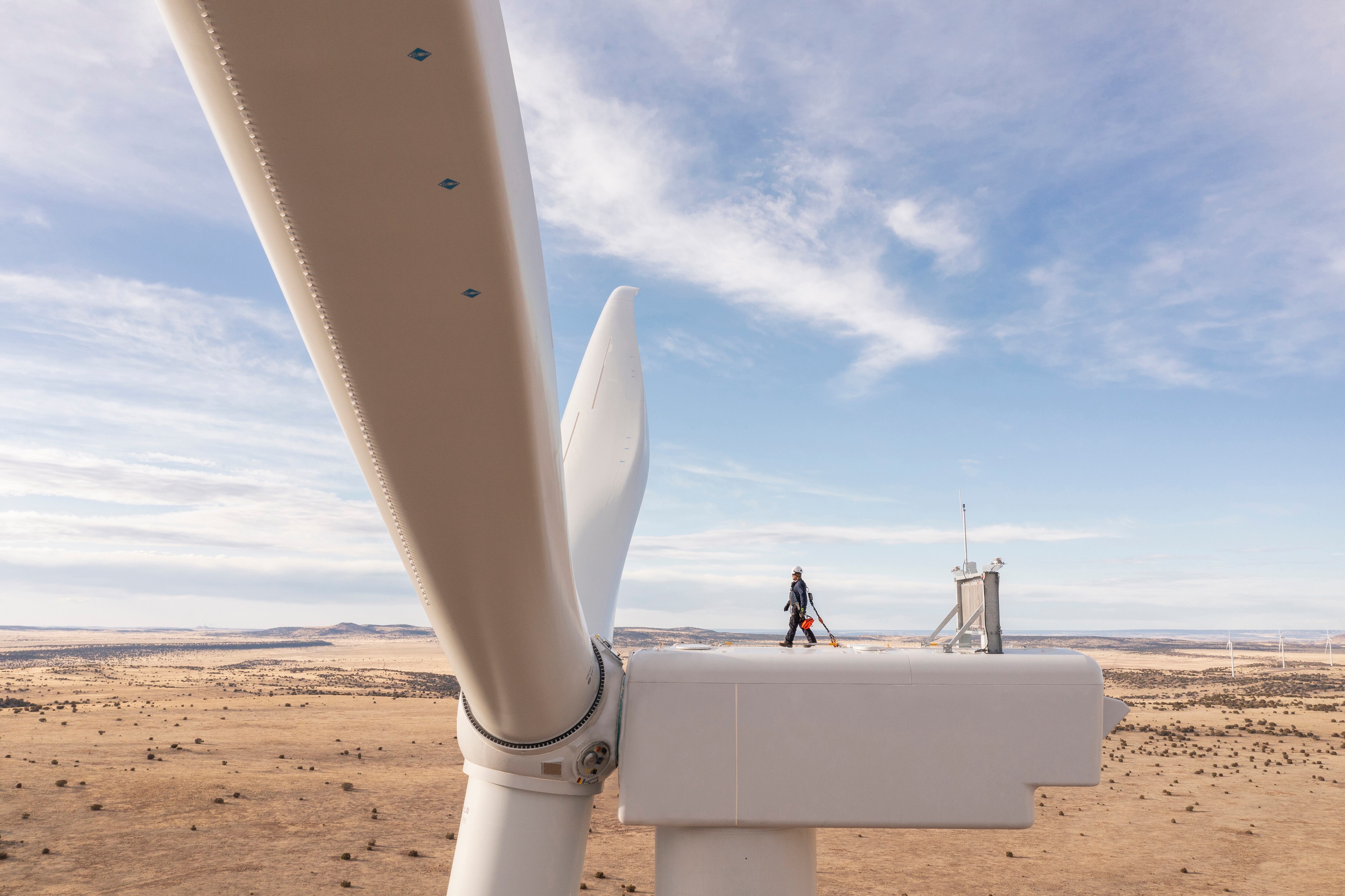
One of the world's largest renewable energy developers will be getting hundreds of wind turbines from General Electric spinoff GE Vernova as part of a record equipment order and long-term service deal.
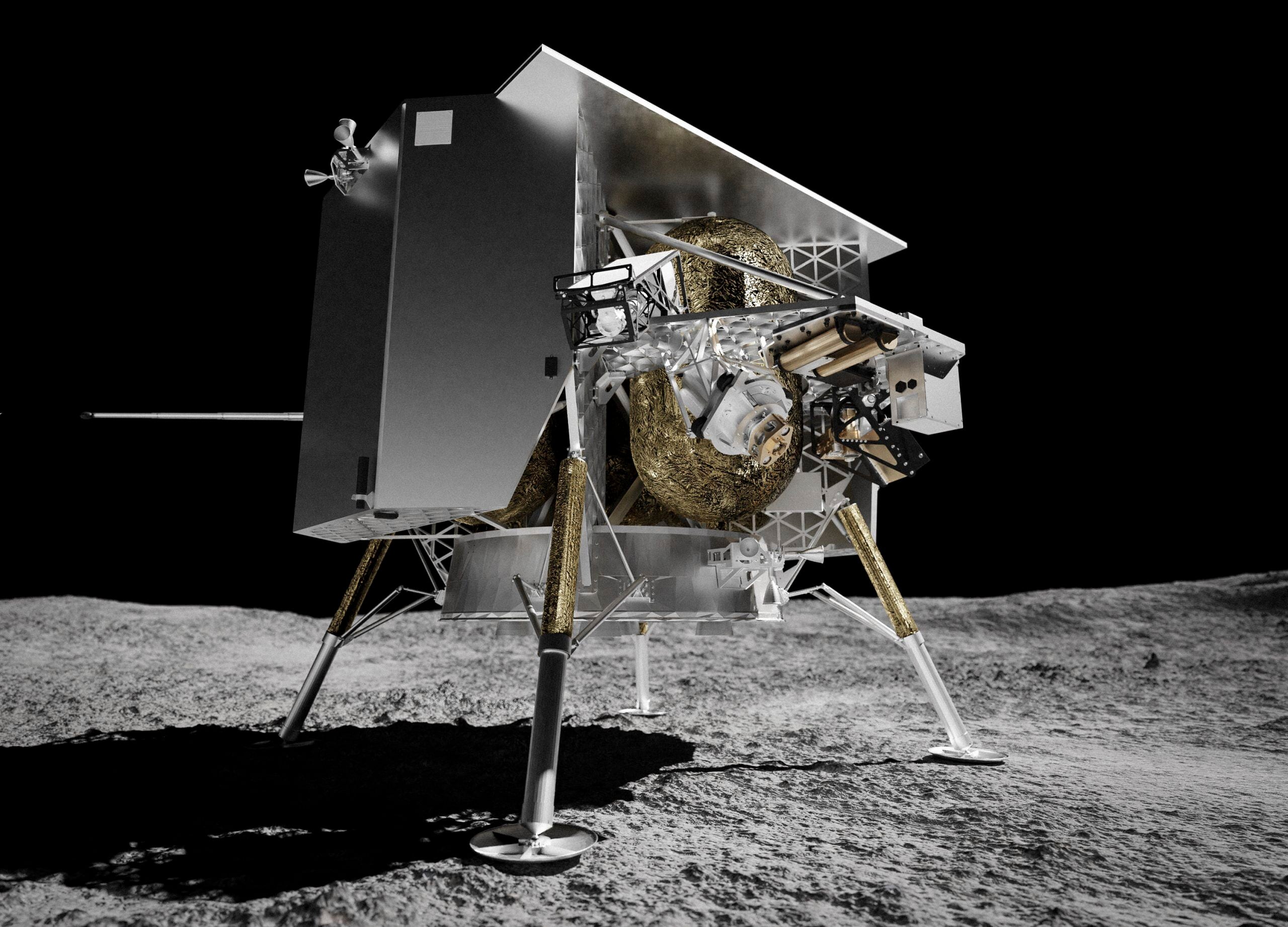
A moon landing attempt by a private US company appears doomed because of a fuel leak on the newly launched spacecraft. Astrobotic Technology managed to orient the lander toward the sun Monday so its solar panel could capture sunlight and charge its onboard battery.
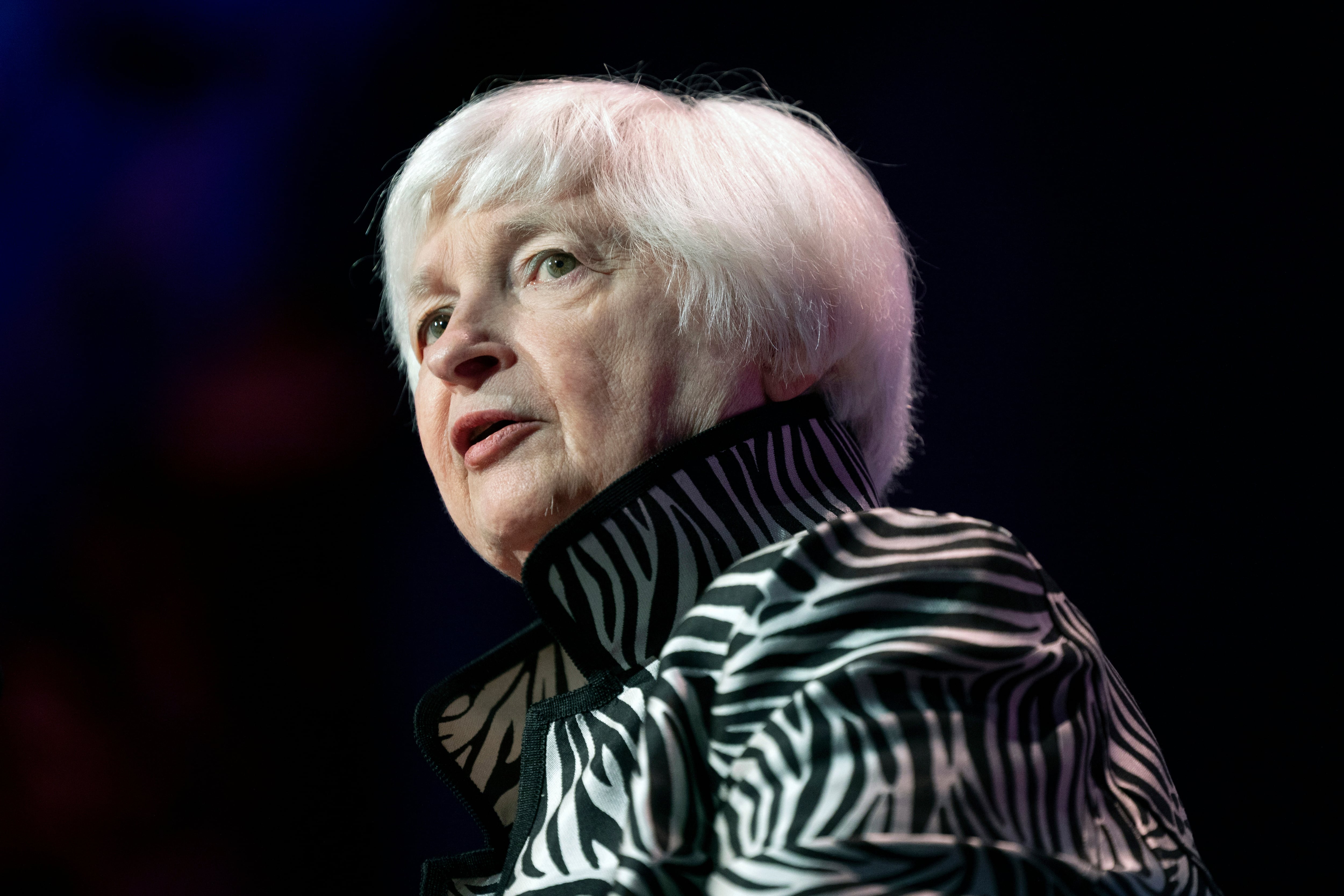
Treasury Secretary Janet Yellen has announced that 100,000 businesses have signed up for a new database that collects ownership information intended to help unmask shell company owners. Yellen says the database will send the message that “the United States is not a haven for dirty money.”
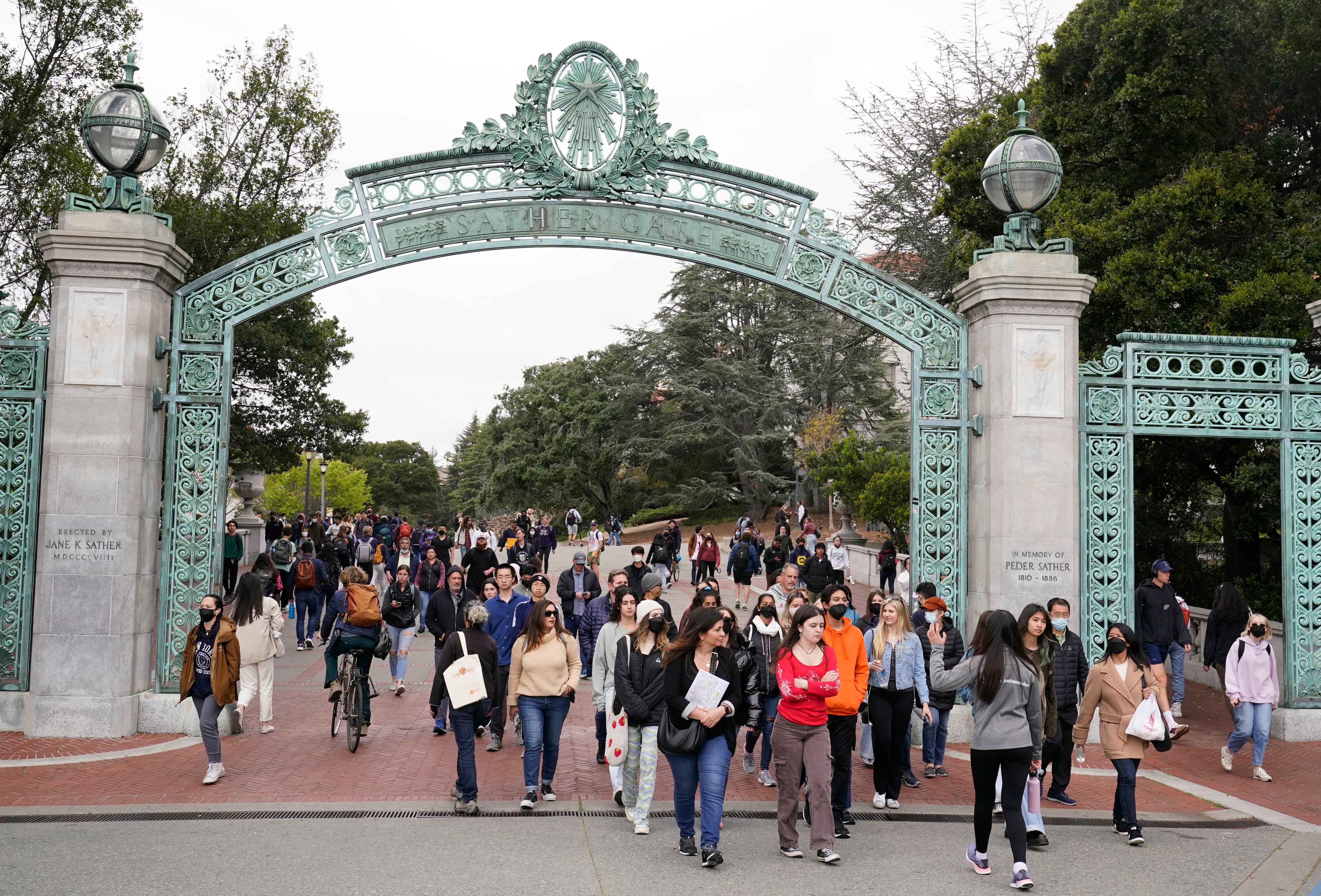
A new version of the federal student aid application known as the FAFSA is available for the 2024-2025 school year, but only on a limited basis as the U.S. Department of Education works on a redesign meant to make it easier to apply.
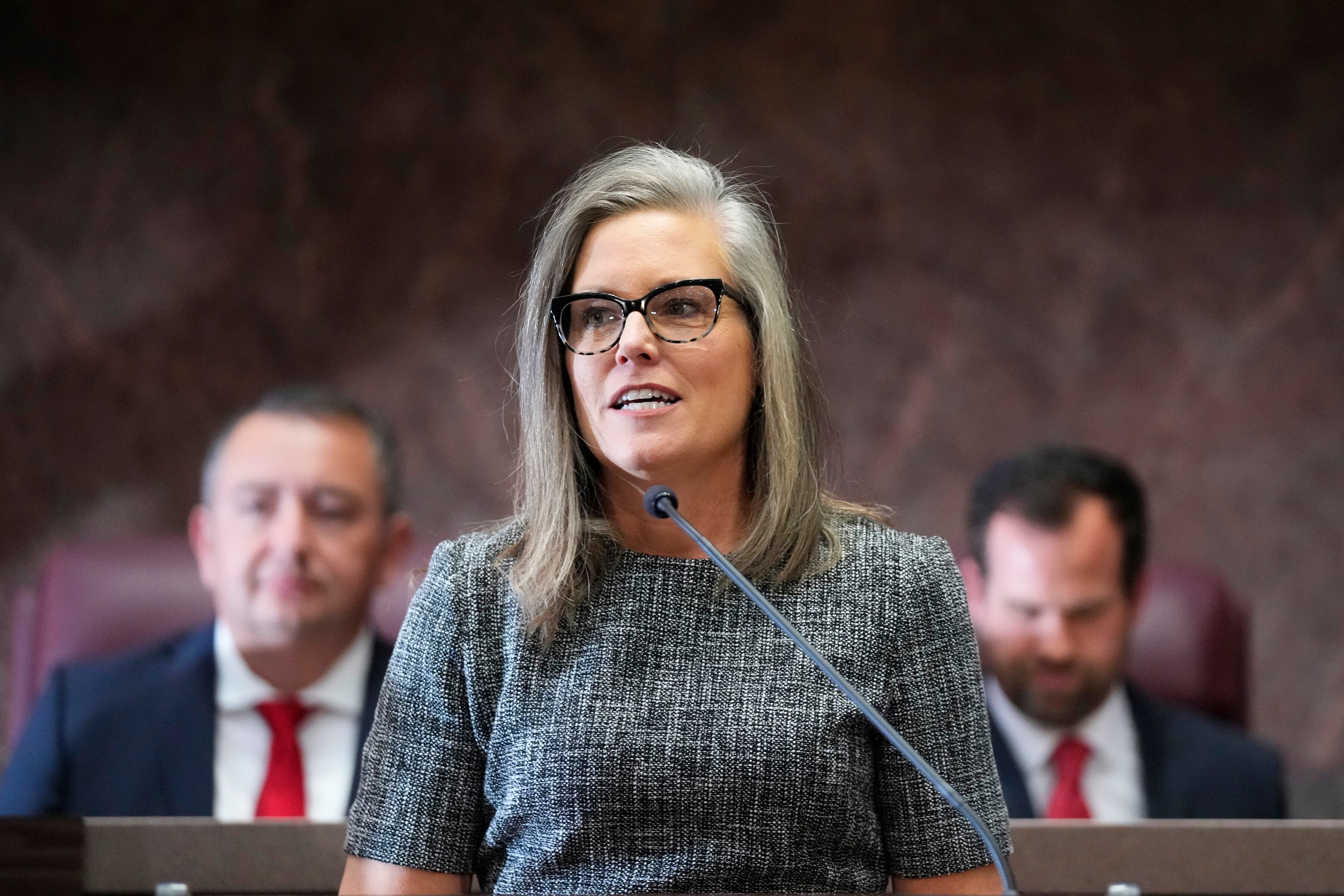
A steep budget deficit caused by plummeting tax revenues and escalating school voucher costs will be in focus Monday as Democratic Gov. Katie Hobbs and the Republican-controlled Arizona Legislature return for a new session at the state Capitol.
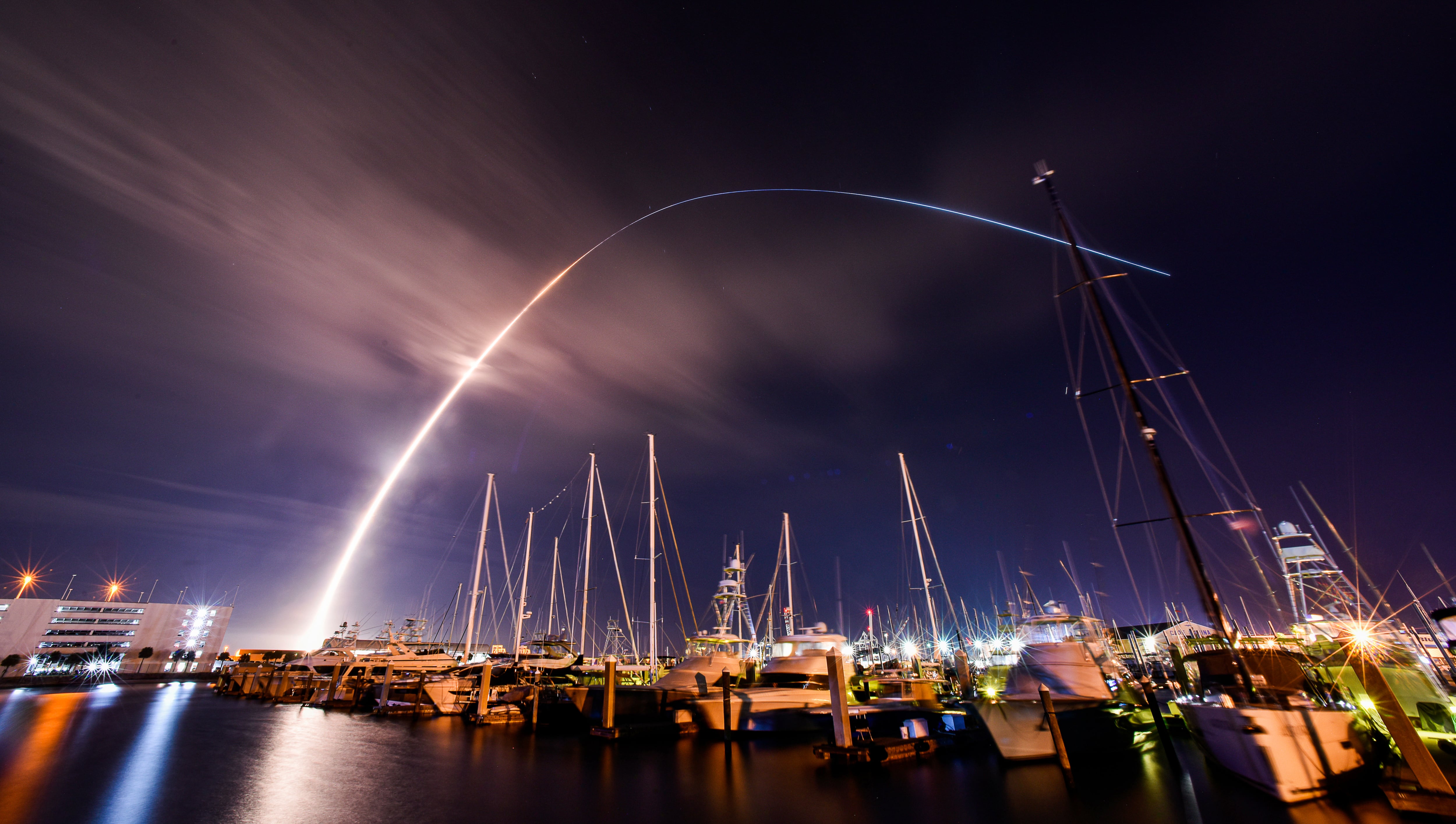
The first U.S. lunar lander in more than 50 years is on its way to the moon. The private lander from Astrobotic Technology blasted off Monday from Cape Canaveral, Florida, catching a ride on United Launch Alliance's brand new rocket Vulcan.