This Dec. 17, 2020 file photo shows the logo for the Robinhood app on a smartphone in New York. (AP Photo/Patrick Sison, File)
Robinhood CEO Vlad Tenev called for real-time settlement of trades in a letter posted on the trading app's website on Tuesday.
"The existing two-day period to settle trades exposes investors and the industry to unnecessary risk and is ripe for change," he wrote.
Tenev said the current settlement period was part of the reason Robinhood curbed the buying of certain stocks last week amid a social media-fueled trading frenzy that pushed up the value of GameStop shares to meteoric heights.
The executive offered a similar explanation to Tesla CEO Elon Musk in a much-watched interview on the social media platform Clubhouse. Musk, who showed support for the Reddit community /WallStreetBets throughout the buying binge, grilled the executive about the restrictions.
In Tenev's view, what happened is that the clearinghouse deposit requirements skyrocketed as trading activity surged, creating a liquidity issue for the trading platform.
"The clearinghouse deposit requirements are designed to mitigate risk, but last week’s wild market activity showed that these requirements, coupled with an unnecessarily long settlement cycle, can have unintended consequences that introduce new risks," he wrote.
The settlement period was previously three days, meaning traders had that long to settle payments until the Securities and Exchange Commission shortened the period to two days back in 2017.
This likely won't be the end of Robinhood's attempts to reframe the narrative around last week's trade restrictions, which garnered widespread criticism from both lawmakers and internet personalities. Barstool Sports founder Dave Portnoy, for instance, has said he lost $700,000 because of the trading restrictions.
Tenev is expected to testify before a House committee on February 18 about the incident.
"Technology is the answer, not the oft-cited impediment," he wrote. "We believe it is important for all relevant stakeholders to convene in the near term to discuss the urgency and necessity of this issue."
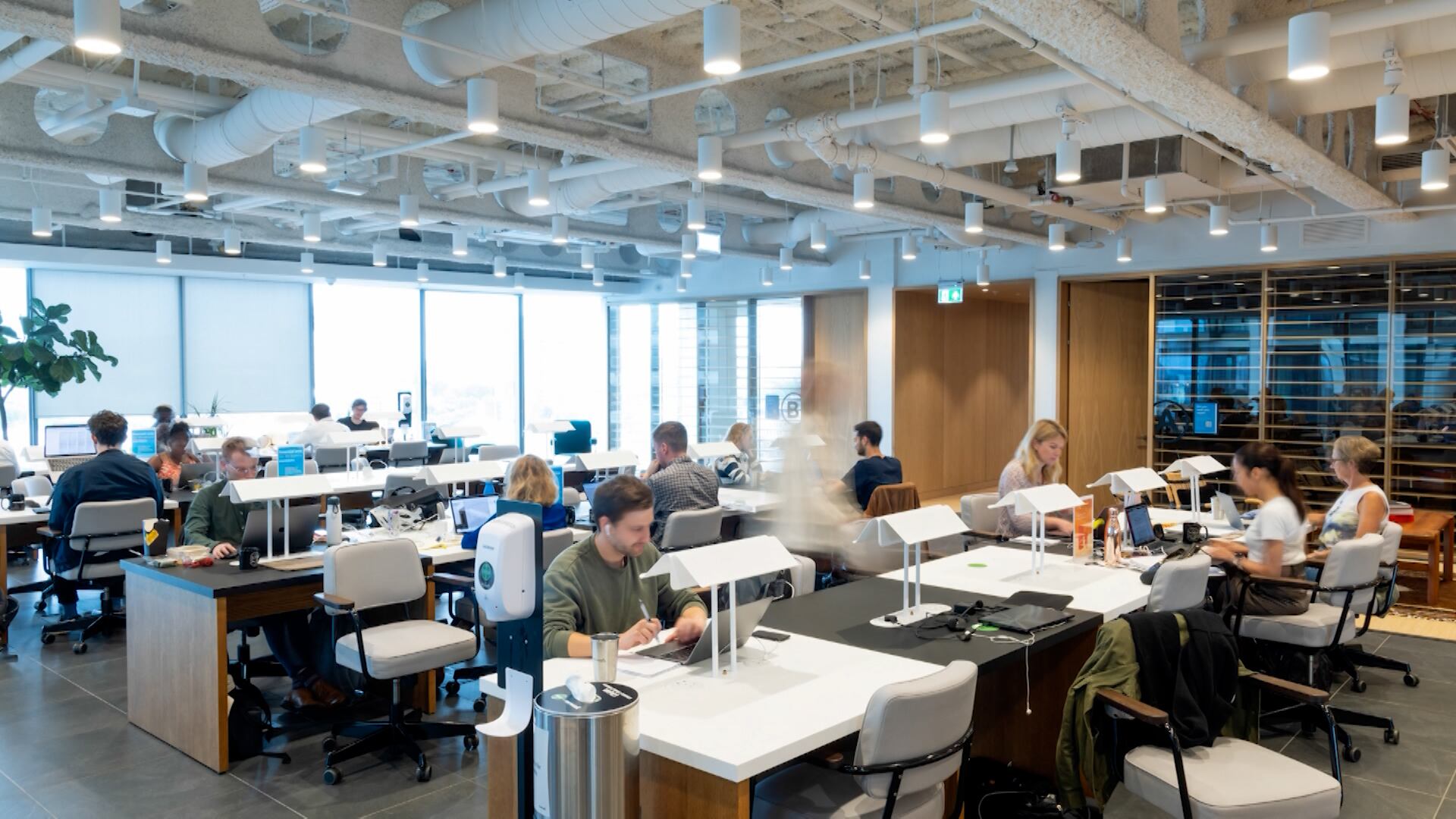
Businesses face more challenges for building a positive work environment as offices reopen. Workplace tech platform Envoy's At Work Report showed that hybrid work is currently in vogue, featuring focused work in both the office and at home. Annette Reavis, chief people officer for Envoy, joined Cheddar to discuss how employers can smooth the rough edges for their returning employees. "It is about hybrid though, it's really important for the future that we change our mindset from five days a week," she said. "Those are days of the past to working hybrids. So when you're in the office, you're focused, you're working cross-functionally."
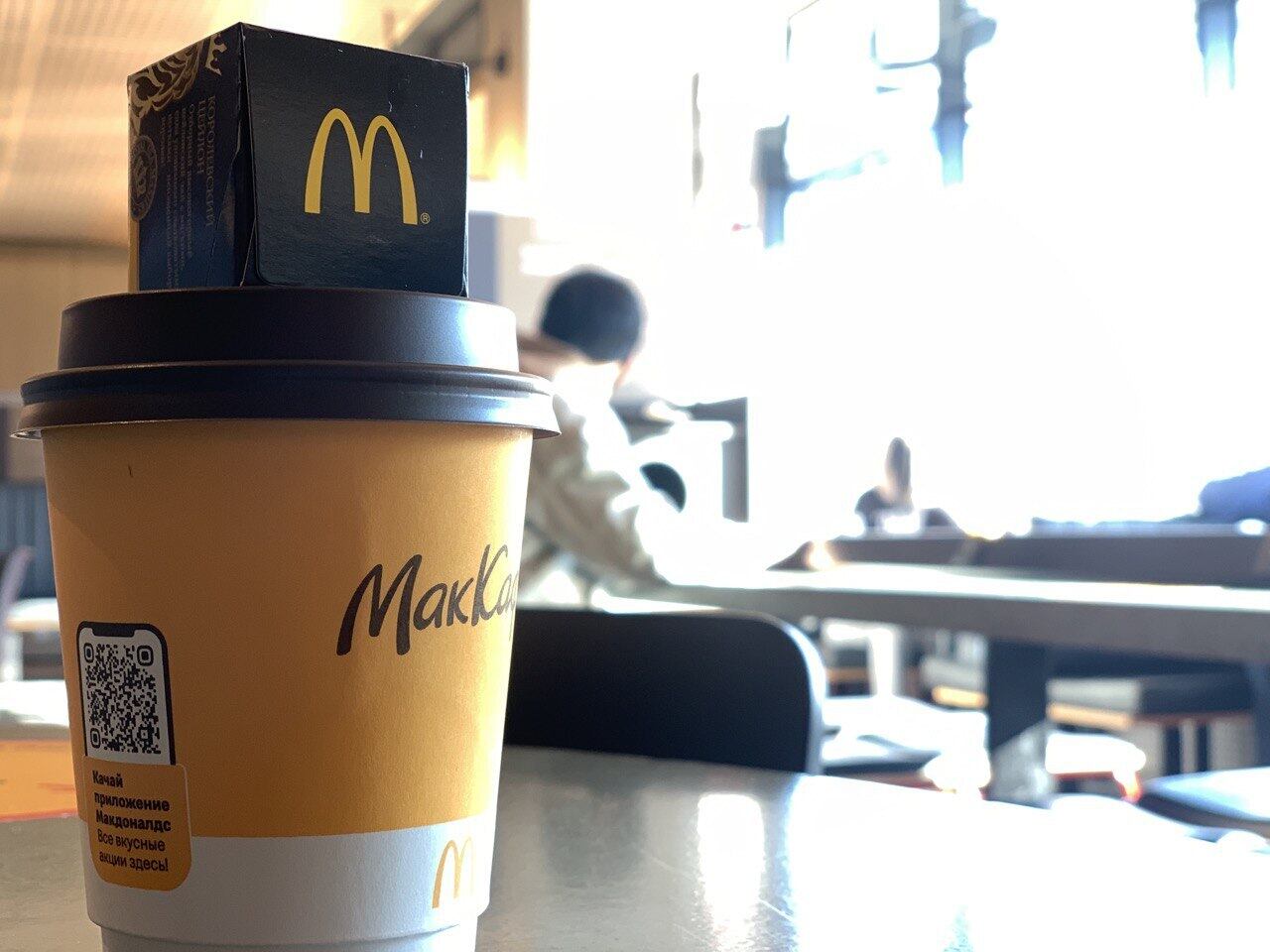
Following the invasion of Ukraine, a multitude of Western companies have paused doing business with Russia. PepsiCo, Coca-Cola, McDonald's, and Starbucks are the most recent companies to temporarily cease operations in Russia. Dean of Miami Herbert Business School at the University of Miami, John Quelch, joined Cheddar News to discuss what message this sends to Russia and the Russian consumer. “I would not underestimate the collective strength of all of these multinational companies, essentially coming together to make their collective statement in support of the political statements that have come out of Washington," he said.
Cristyl Kimbrough, real estate attorney and star of 'Ladies Who List: Atlanta,' joins Cheddar News to discuss her new show on OWN and breaking into Atlanta's luxury real estate space.
Carl Tobias, professor of law at the University of Richmond, joins Cheddar News to talk about how Johnson & Johnson funded experiments on mostly Black men comparing the effects of talc and asbestos on their skin.
Amazon unveiled its new mobile app called Amp as a direct competitor to Clubhouse, allowing people to host live radio shows. Although it is still in beta, users can join the waitlist from the iOS store.
President Biden announced a ban on Russian oil and natural gas imports to the U.S. in response to its invasion of Ukraine, a move he warned could lead to an even greater surge in gas prices. The ban is prompting a conversation about the current oil production levels in the U.S. and whether or not the industry can ramp up production to soften the blow to American families at the gas pump. Clark Williams-Derry, Energy Finance Analyst with the Institute for Energy Economics and Financial Analysis, breaks down the state of the U.S. oil industry and how the ban might impact production levels here at home.
PepsiCo, Coca-Cola, McDonald’s, and Starbucks are the latest American food brands to have halted business operations in Russia after having faced scrutiny and criticism for originally failing to do so amid the country's invasion of Ukraine.