RNC Spokeswoman Kayleigh McEnany: Republicans Are Pro-Second Amendment, Anti-tragedy
In the aftermath of the Parkland mass shooting that left 17 dead and many more wounded, lawmakers are seeking solutions to prevent further tragedies. Cheddar spoke with RNC spokeswoman Kayleigh McEnany about how Republicans plan to handle the controversial issue.
There is bipartisan support for a Senate bill that improves the National Instant Criminal Background Check System, further strengthening laws that are already in place. McEnany said the party supports the move, and will rely heavily on the states to report information about people who may be a danger to society to the correct authorities. "Just because you're pro-second amendment, just because you're with the NRA or see money from the NRA, that doesn't mean you don't want to do everything possible to prevent tragedies like this," said McEnany.
On the latest indictments in Special Counselor Mueller's investigation into Russian interference in the 2016 election, McEnany believes the news is a sign the "democratic collusion conspiracy theory is unraveling."
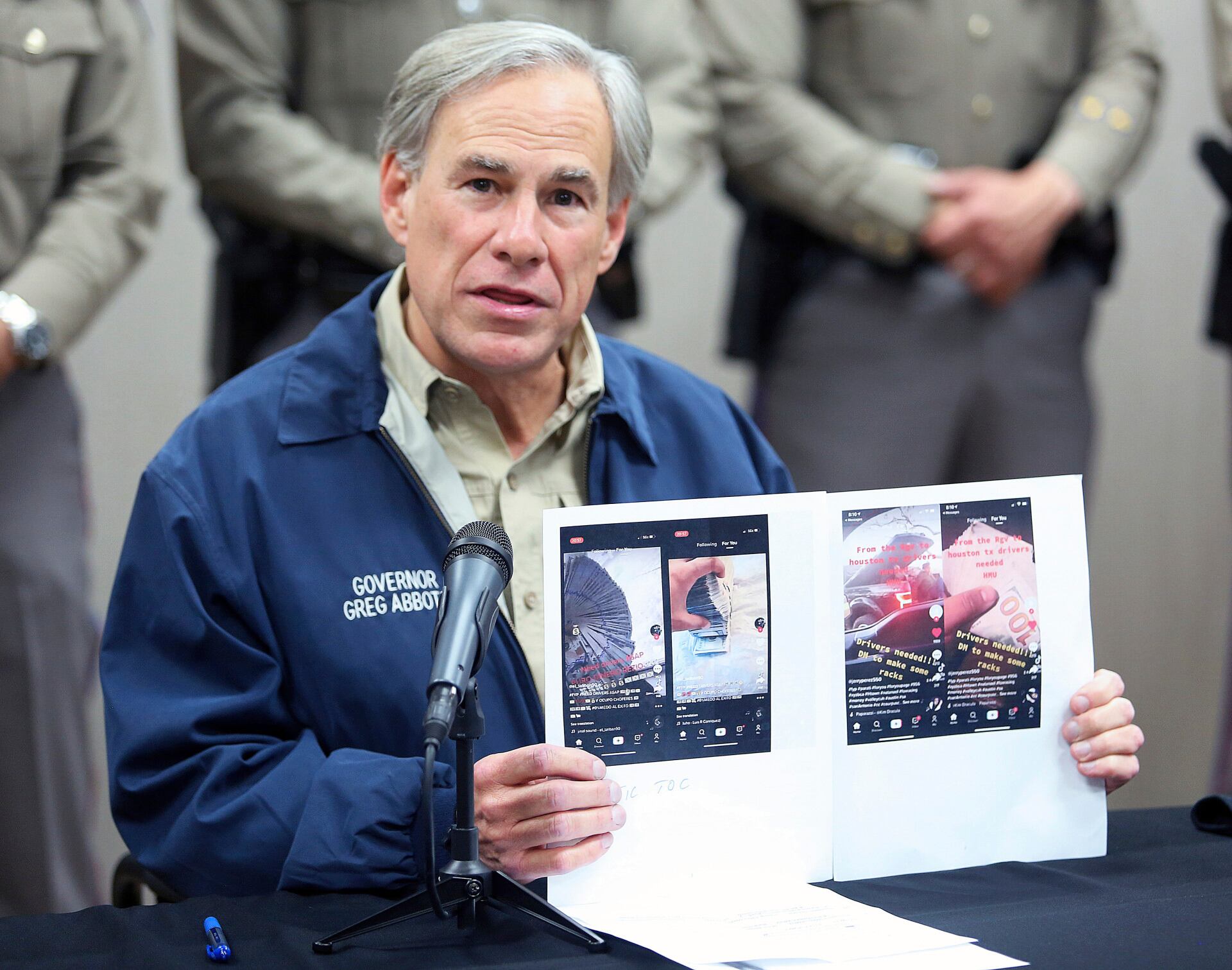
A First Amendment group sued Texas Governor Greg Abbott and others on Thursday over the state’s TikTok ban on official devices, arguing the prohibition – which extends to public universities – is unconstitutional and impedes academic freedom.
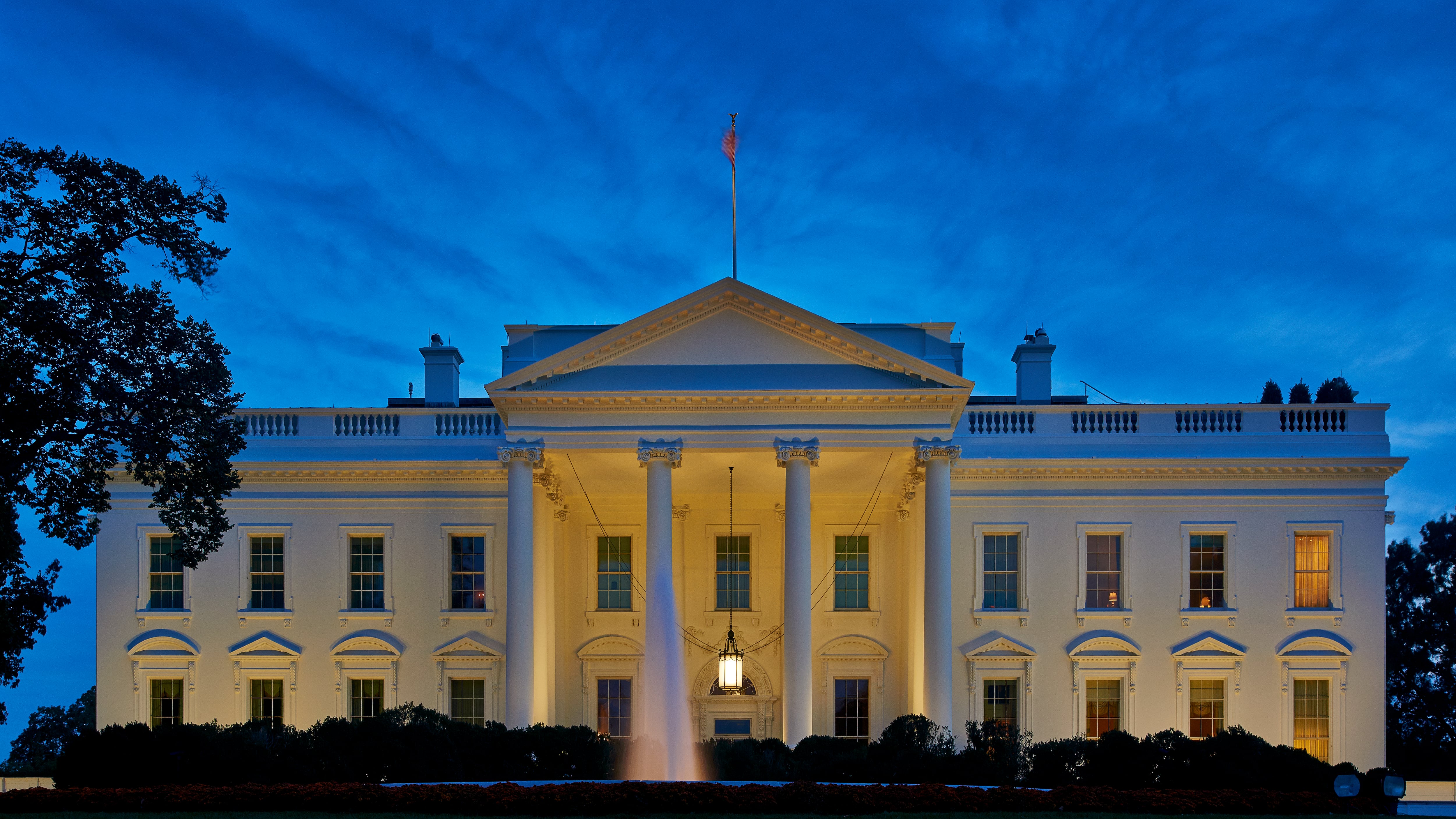
No fingerprints or DNA turned up on the baggie of cocaine found in a lobby at the White House last week despite a sophisticated FBI crime lab analysis, and surveillance footage of the area didn’t identify a suspect, according to a summary of the Secret Service investigation obtained by The Associated Press. There are no leads on who brought the drugs into the building.
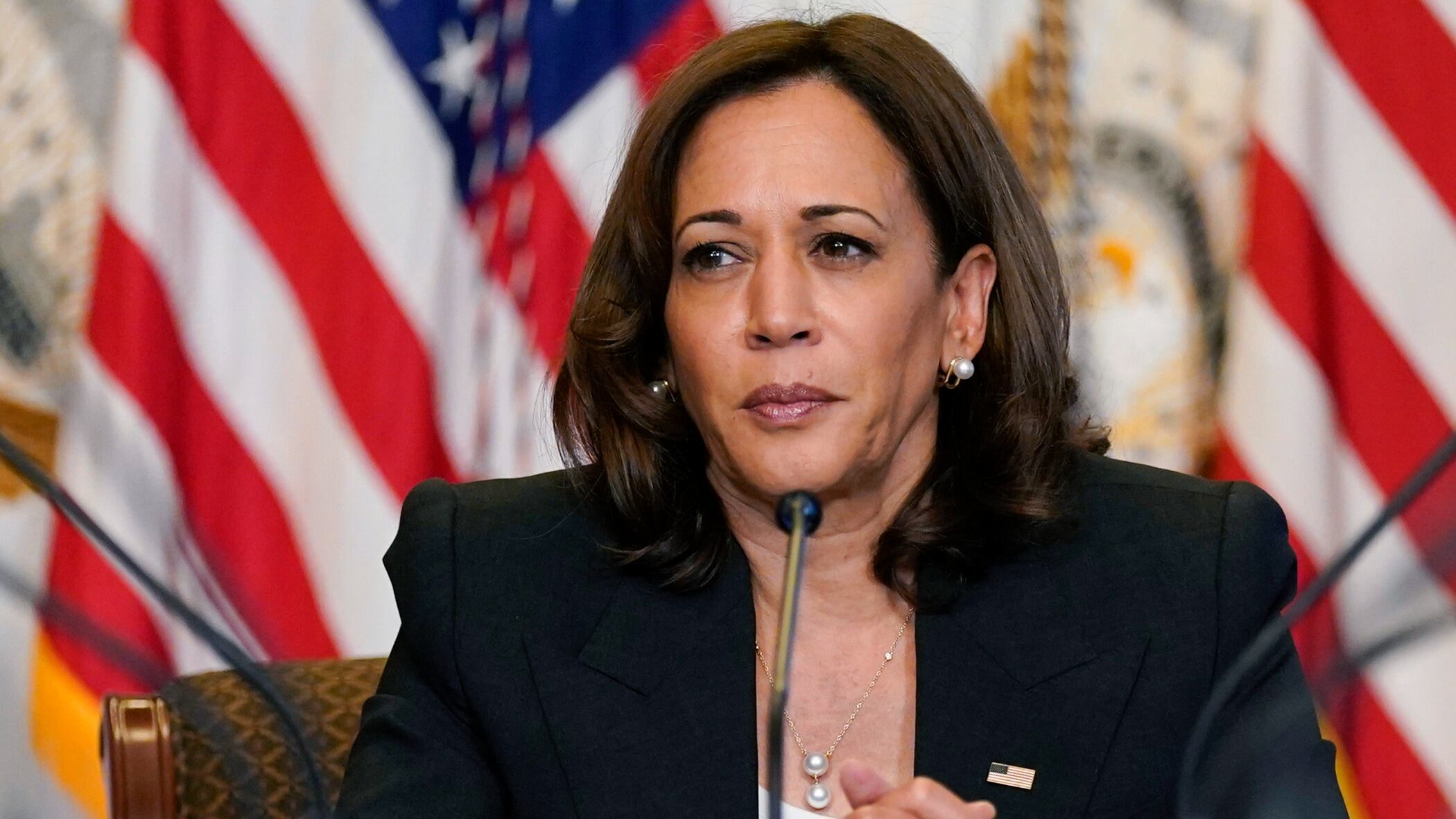
Kamala Harris, who made history as the first woman or person of color to serve as vice president, has made history again by matching the record for most tiebreaking votes in the Senate.
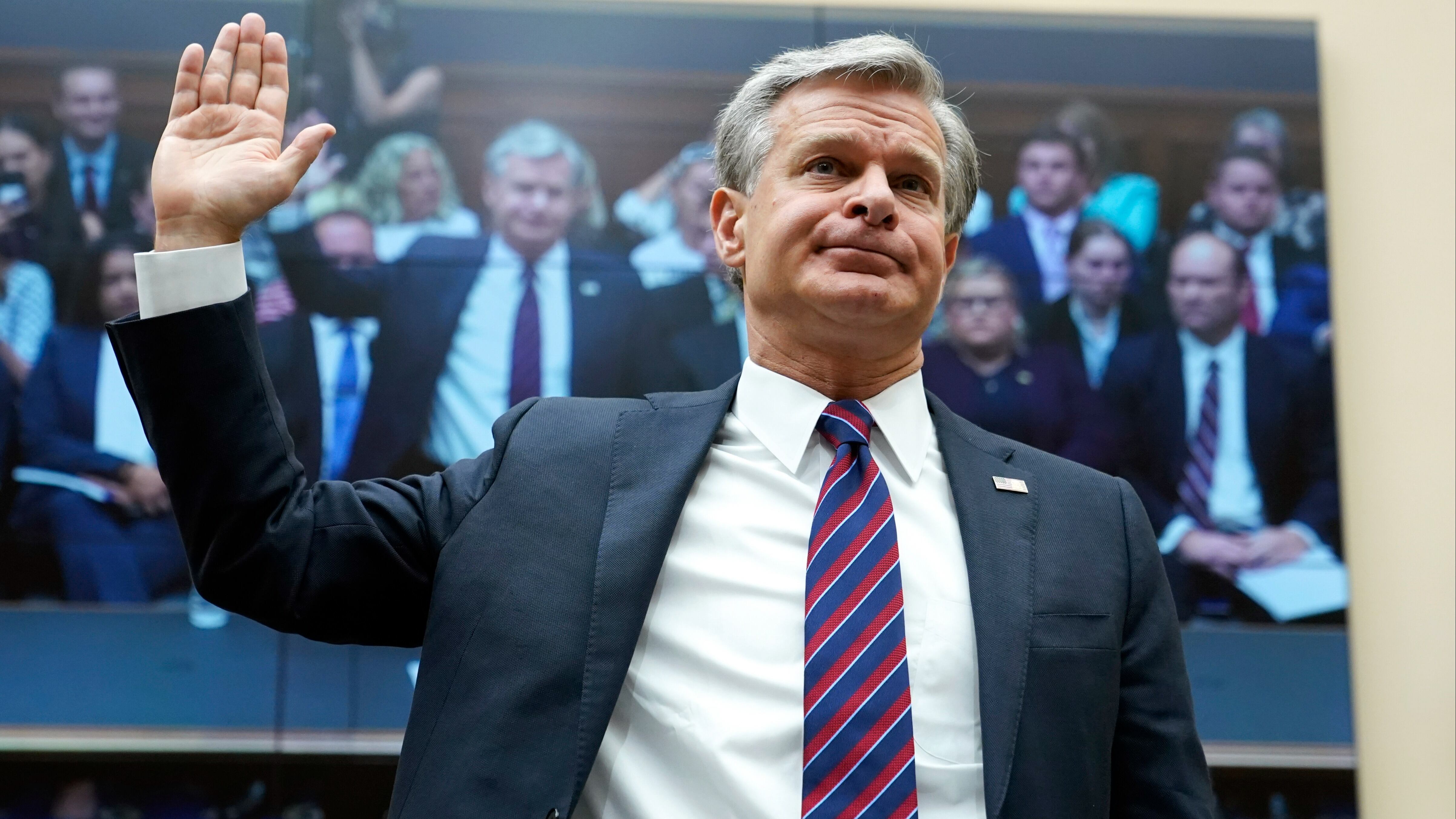
Republicans on the House Judiciary Committee accused the agency of targeting conservatives, suppressing evidence that Covid-19 came from a lab leak and abusing its surveillance powers.
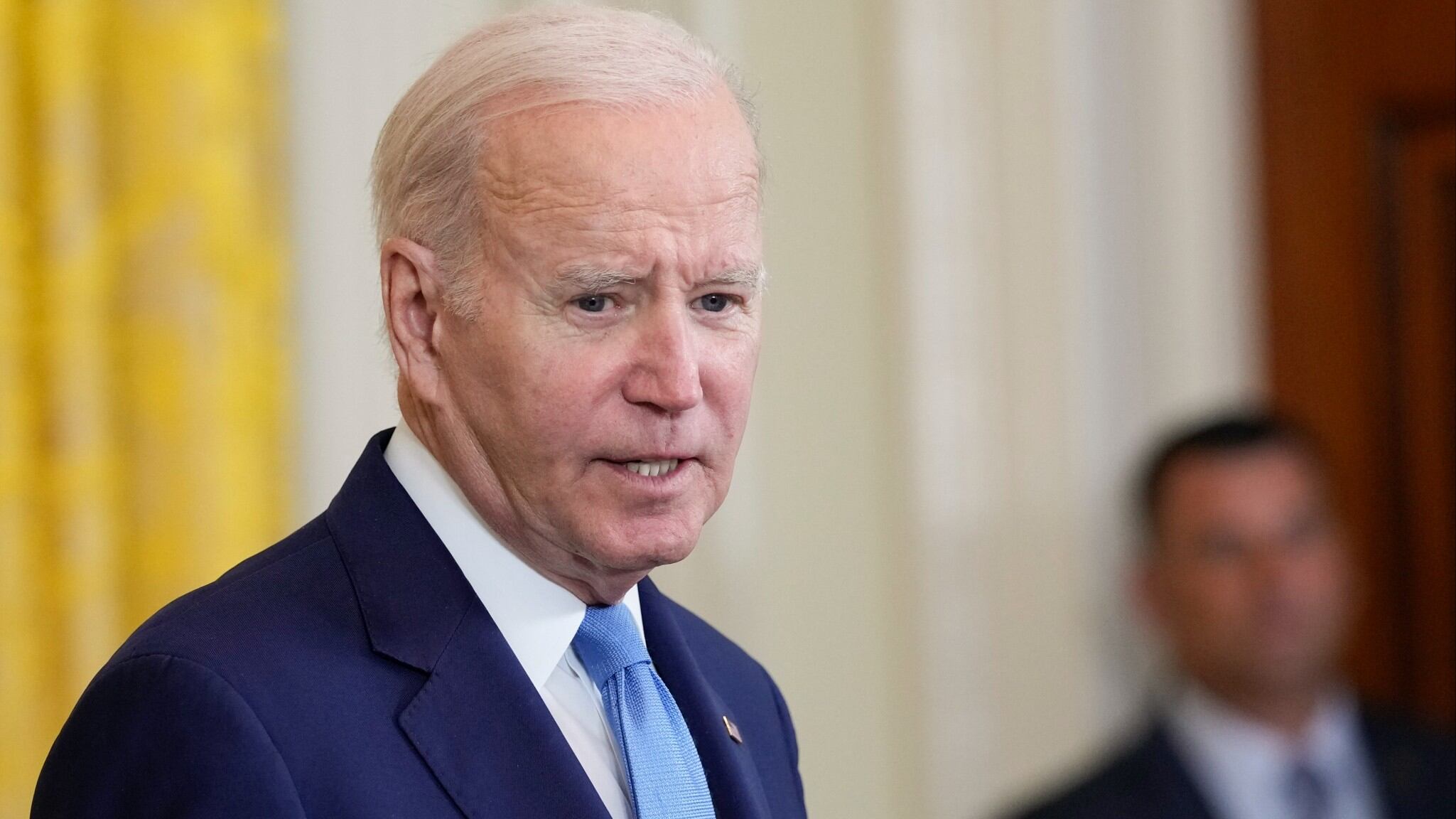
The Biden administration calls it a “student loan safety net.” Opponents call it a backdoor attempt to make college free. And it could be the next battleground in the legal fight over student loan relief.
Nearly 30,000 people in Mississippi were dropped from the state's Medicaid program after an eligibility review that the government ended during the pandemic.