The Republican National Committee is ardently defending President Trump against unified condemnation from Democrats over a Twitter thread the president posted Sunday attacking four freshman Congresswomen of color that was widely lambasted as racist, xenophobic, and nativist.
"I think it's really inappropriate," Liz Harrington, a spokesperson for the RNC, told Cheddar Tuesday regarding the calls that the President is a racist. "This is a debate that has nothing to do with race, it has nothing to do with gender, it has nothing to do with religion, it has everything to do with ideas."
President Trump also pushed back Tuesday morning, writing in a tweet "I don't have a Racist bone in my body!"
The GOP leadership is largely behind the president. Sen. Mitch McConnell (R-Ky.) told reporters, clearly, "the president is not a racist." At a separate press conference, when asked if he thought Trump was racist, House Minority Leader Kevin McCarthy (R-Calif.) said "No."
"I believe this is about ideology," McCarthy told reporters. "It's about socialism versus freedom."
Harrington rebuked the anger coming from the Democrats, denouncing them as "socialists" who trash the country.
"I think it's very inappropriate to categorize the President's tweets as racist, it has nothing to do with that, it has everything to do with what we want our country to be, and we want to keep it America," she added.
Only a handful of Republican members of Congress have condemned Trump for his tweets, which came as the 2020 election approaches and the president appears to be increasingly willing to push boundaries in an effort to mobilize his loyal base.
The RNC spokesperson was quick to pounce on the ideological differences between Trump and the 2020 Democratic front-runners, saying this is a great time for "contrast."
"It's a perfect opportunity to show the contrast because we've seen over the past two and a half years, the president has delivered for this economy, we've restored freedom and prosperity." Harrington claimed.
"It is the entire democratic 2020 field calling for open borders, calling for socialized medicine, calling to get rid of the electoral college, pack the Supreme Court, very radical ideas that are antithetical to our founding," Harrington added. "So we're gonna keep showing that contrast."
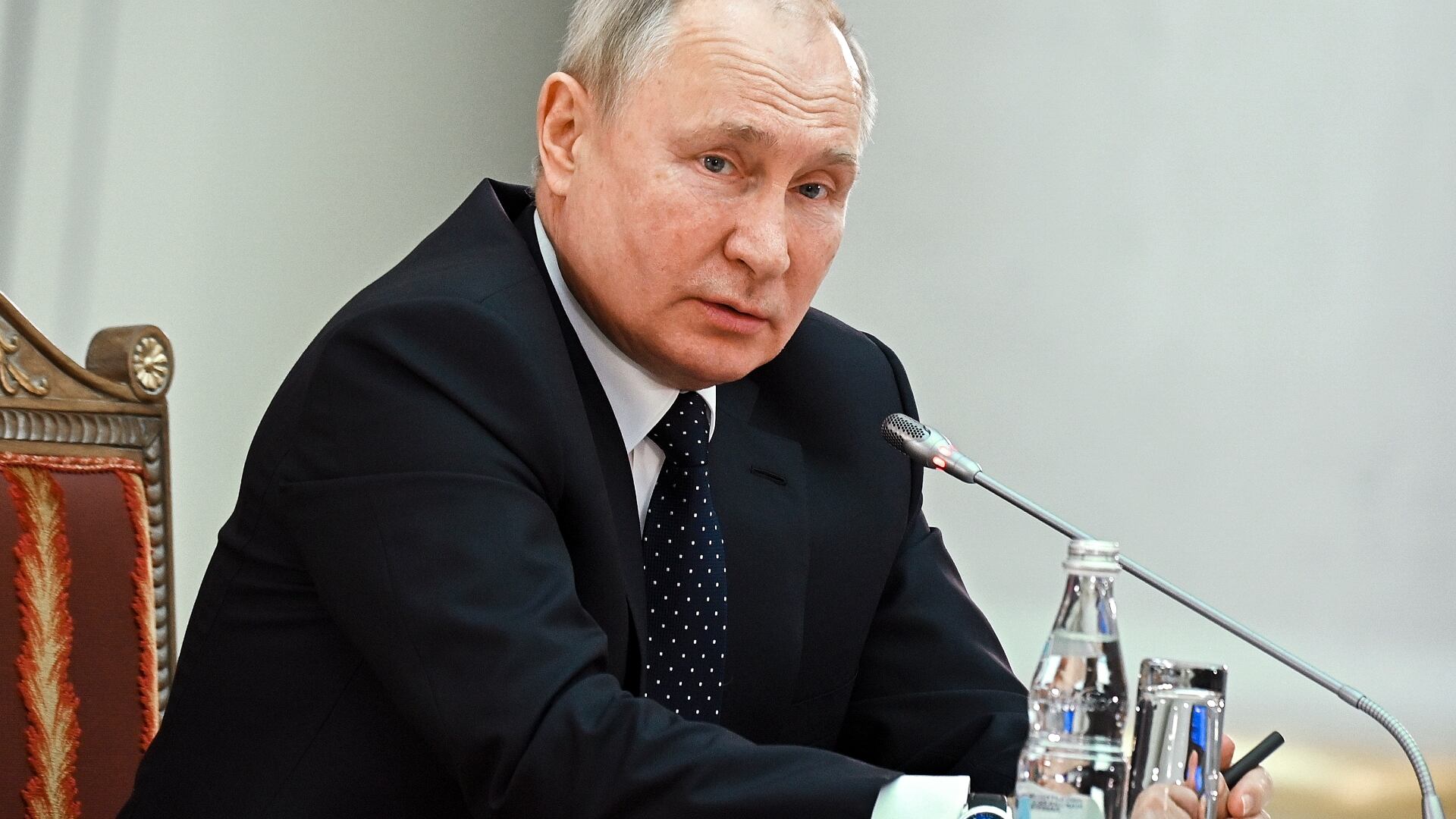
Matt Hayden, vice president of govtech solutions at Exiger and a former assistant secretary of cyber at Department of Homeland Security, joined Cheddar to discuss the surprise phone call initiated by Russian President Vladimir Putin to President Joe Biden, ahead of January security talks about the rising tensions over Ukraine. "We're hoping to hear that we're able to talk about the aggression and the leadup of the Ukrainian militarization," Hayden said. "But we're also looking to hear is how the Kremlin leveraged their talking points to try to test their negotiation stance with the United States leading into this January 10th meeting."
The No Surprises Act begins implementation on January 1, 2022. The legislation is meant to curb the practice of unexpected billing for care from providers the patient was unaware were out-of-network from their insurance. Patricia Kelmar, director of health care campaigns for U.S. PIRG joined Cheddar to describe the hundreds, sometimes thousands, of dollars charged to unsuspecting patients and how things will change under the new law. "If we are picking an in-network doctor and an in-network hospital, we should not see those added costs from anesthesiologists, radiologists, scrub-in surgeons," she said. "The other area it protects you is in air ambulances — not ground ambulances, unfortunately — but the helicopters or the airplanes you might need to transport you in an emergency situation."
President Joe Biden and Russian President Vladmir Putin are expected to have another conversation surrounding escalating tensions between Russia and Ukraine. Ariel Cohen, senior fellow at the Atlantic Council, joined Cheddar's Ken Buffa to discuss the ongoing tensions and why Putin's request for a conversation with Biden comes now. "This is very serious. This is the worst security crisis we had since the collapse of the Soviet Union," Cohen told Cheddar.
Stocks closed mixed on Wednesday, but two indexes - the Dow and the S&P 500 - ended the session with a new record. Akshata Bailkeri, Equity Analyst at Bruderman Asset Management, joins Cheddar News' Closing Bell, where she says there is a consensus for robust consumer spreading in 2022, especially as the Omicron variant is proving to be milder than other COVID-19 strains.
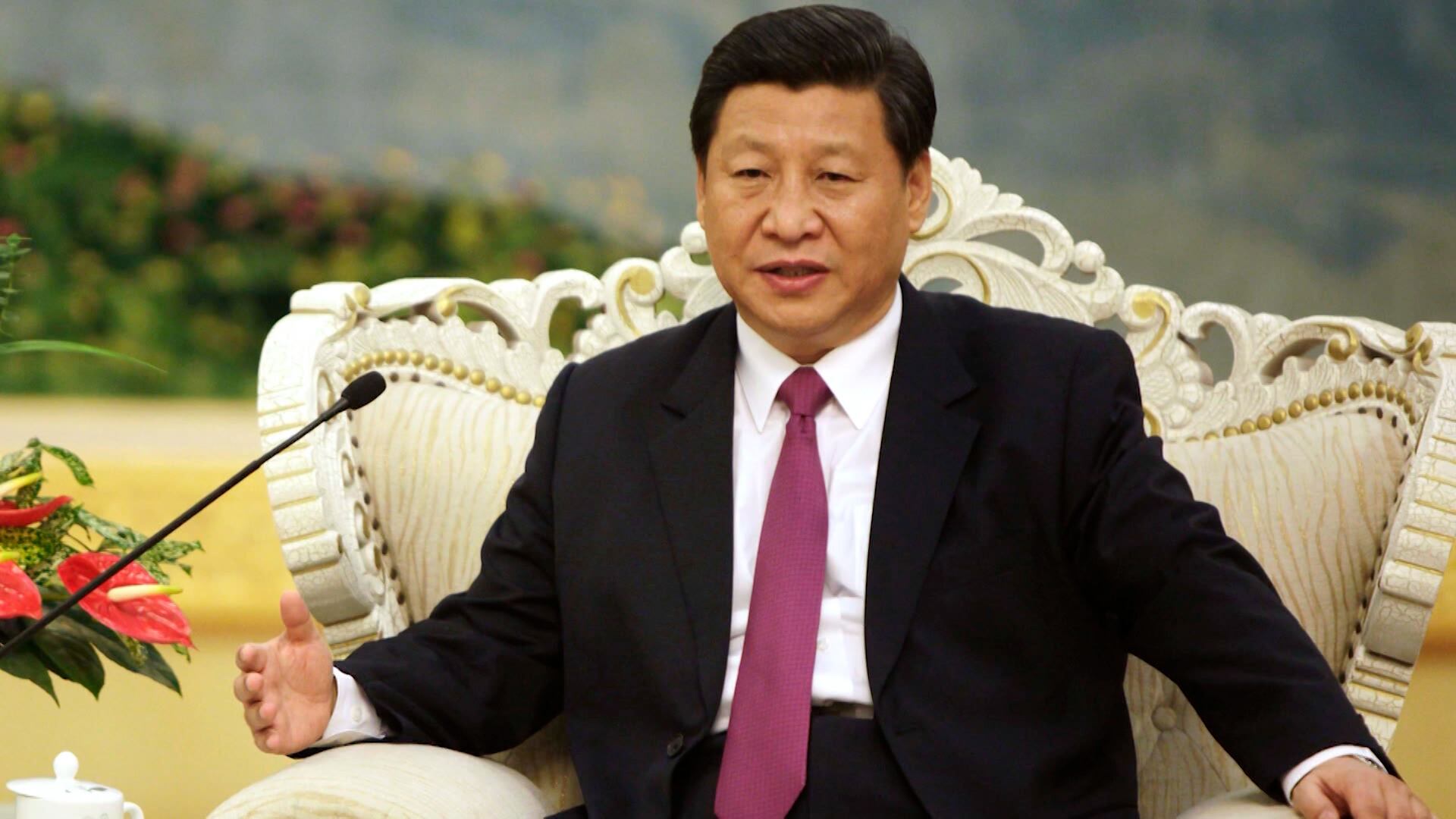
John Quelch, Dean of Miami Herbert Business School, joins Cheddar News' Closing Bell, where he says the retail giant is acting in accordance to President Biden's new law banning goods from China's Xinjiang region. Quelch also elaborates on the importance of China in Walmart's overall strategy.