Rick Steves: U.S. Should Learn From Europe's Marijuana Laws
Author and travel expert Rick Steves has long studied drug and marijuana policies around the world, and he told Cheddar that the United States should take a page from Europe’s rulebook.
“In our society, especially with the way our administration is approaching the drug problem, it’s just ‘moralize and lock them up’, and it’s just not productive,” he said Tuesday. “In Europe, the word for addicted is ‘enslaved.’ People aren’t criminals, they’re sick … they need help to get over this problem.”
This White House has taken a harsher stance on drugs than its predecessor, with Attorney General Jeff Sessions scrapping Obama-era rules stopping the federal government from interfering with states’ cannabis laws, and President Donald Trump even suggesting the death penalty for dealers.
Steves, who co-sponsored a bill legalizing weed in Washington state, champions a more empathetic approach. He’s studied European drug laws for 15 years and says that, on the continent where “a joint is about as exciting as a can of beer,” effective policies keep incarceration rates low.
“Learn about Europe’s challenges with marijuana and its opioid problem, bring it home, and our society can learn.”
While Steves says he isn’t necessarily “pro-marijuana”, he is a strong advocate of ending “stupid” bans on its use.
“I’m just interested in [ending] incarceration and racist drug laws,” he said.
Currently, adult recreational marijuana use is legal in nine states and Washington, D.C.
For the full interview, [click here](https://cheddar.com/videos/travel-as-a-political-act).
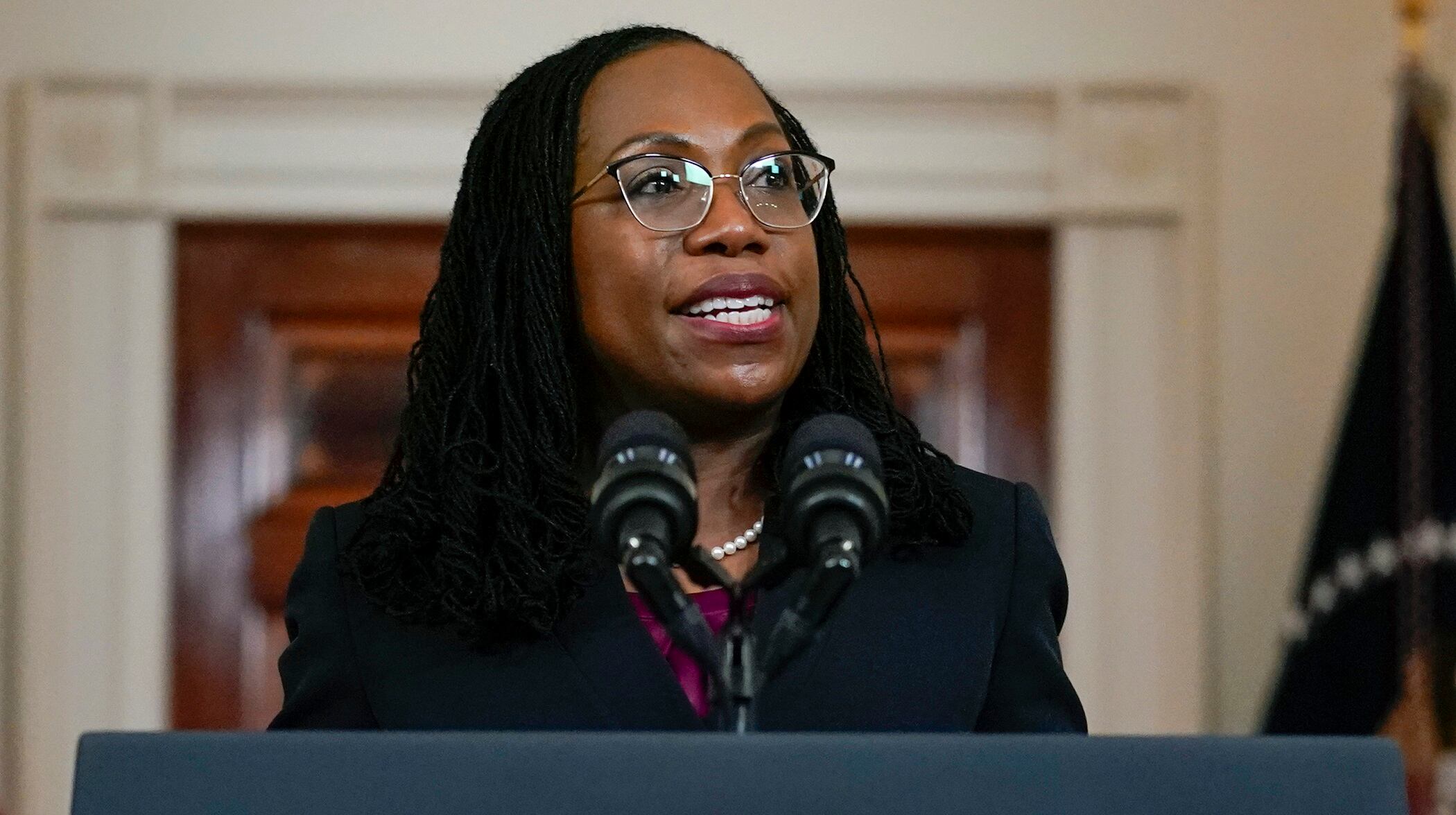
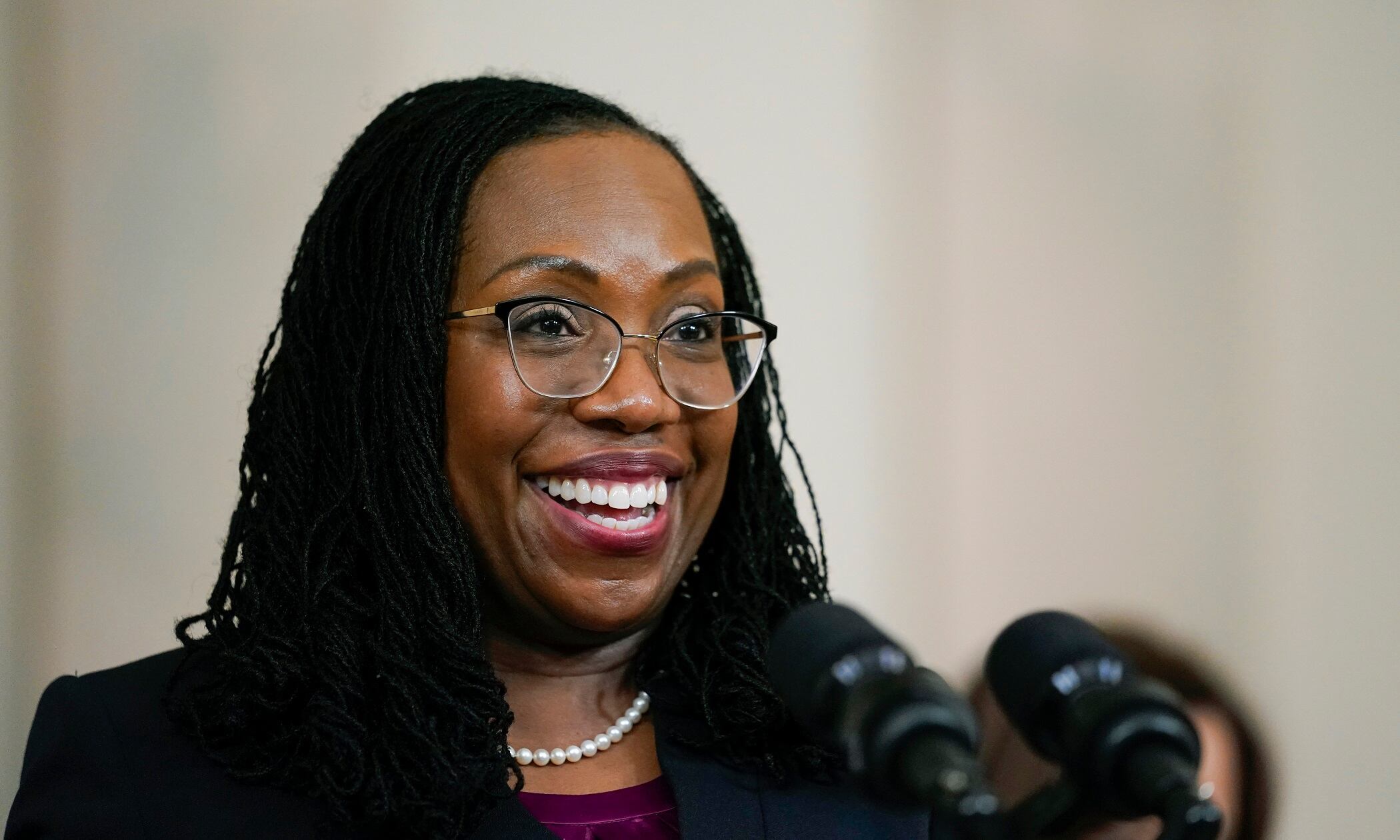
As we celebrate Black History Month, Cheddar is highlighting prominent Black Americans who are carving their own historic paths and trailblazing in their fields. Today we feature Ketanji Brown Jackson, the first Black woman SCOTUS nominee.
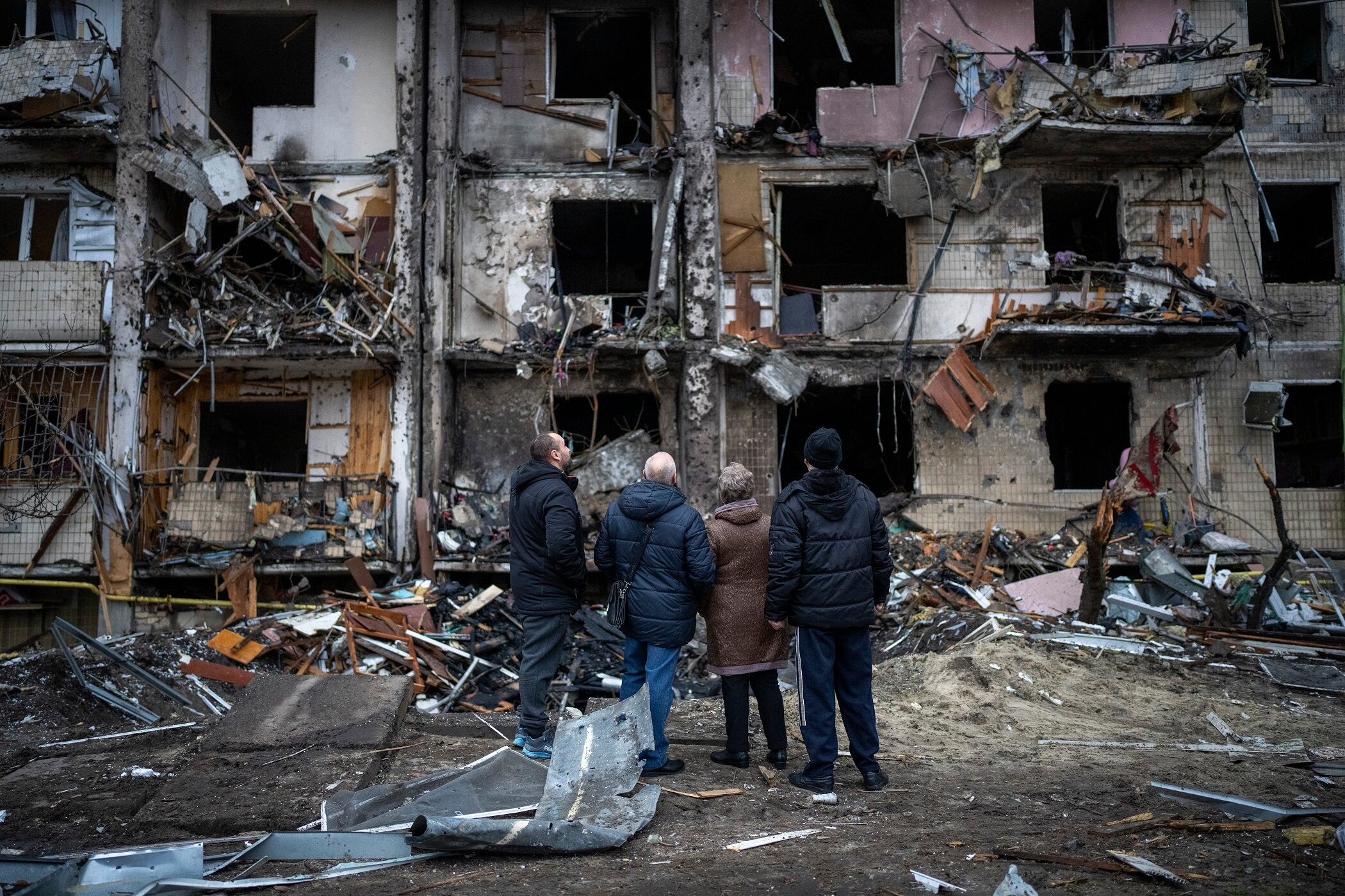
Russia's invasion of Ukraine went hand in hand with cyberattacks against Ukrainian government websites and financial institutions. Cheddar News speaks with cybersecurity expert Karim Hijazi, CEO of Prevaillon, on why the Russian cyberwarfare is concerning to other nations.
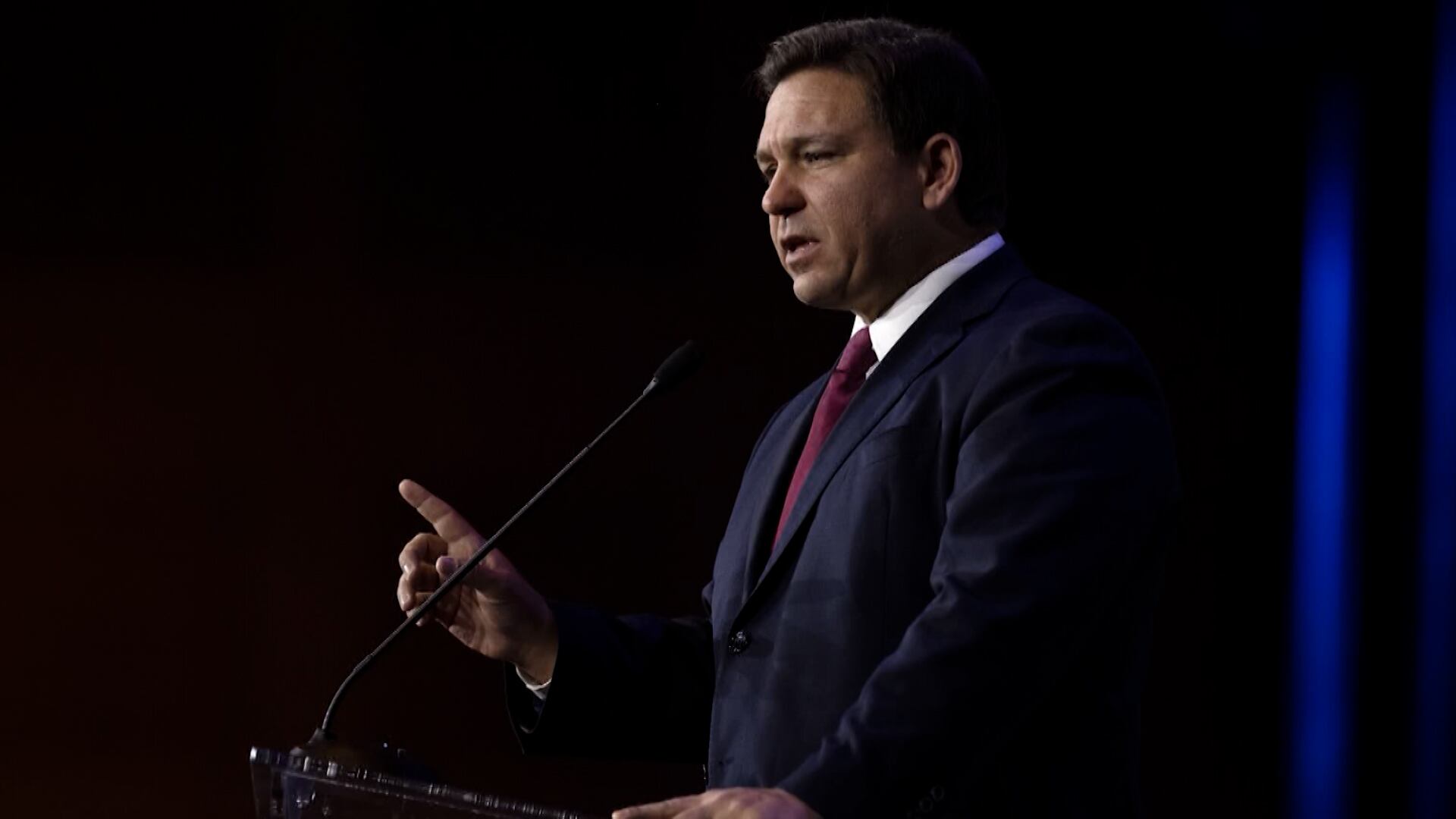
Florida legislation being called the 'Don't Say Gay' bill would restrict some discussion of sexual orientation and gender identity in classrooms with young students. Jon Harris Maurer, public policy director at Equality Florida, joins Cheddar News to discuss.
President Joe Biden promised during his campaign to focus on stable and ally-focused foreign policy, and the Russia-Ukraine crisis seems like an opportunity for him to focus on that tactic after last year's chaotic Afghanistan withdrawal. So far, Biden and western allies have banned together to sanction Russian banks, billionaires, and even President Vladimir Putin himself. Meanwhile, Biden has not deployed U.S. troops to intervene directly in Ukraine. Jack Detsch, national security reporter at Foreign Policy, joins Closing Bell to discuss why Biden is focusing on a sanctions-based, ally-focused strategy, what impact sanctions could have on Russia's economy, and more.
As Russia continues its attack on Ukraine, protests are popping up in major cities across the U.S., including across the street from the United Nations in New York City.. Chloe Aiello reports.