Rich Greenfield Breaks Down Why He's Bearish on Disney Buying Fox
Disney struck a deal on Thursday to help build up its arsenal of content as it prepares to launch its own video streaming service.
The media giant agreed to pay more than $52 billion for most of 21st Century Fox, adding the company's film and TV studios, international properties and channels such as FX.
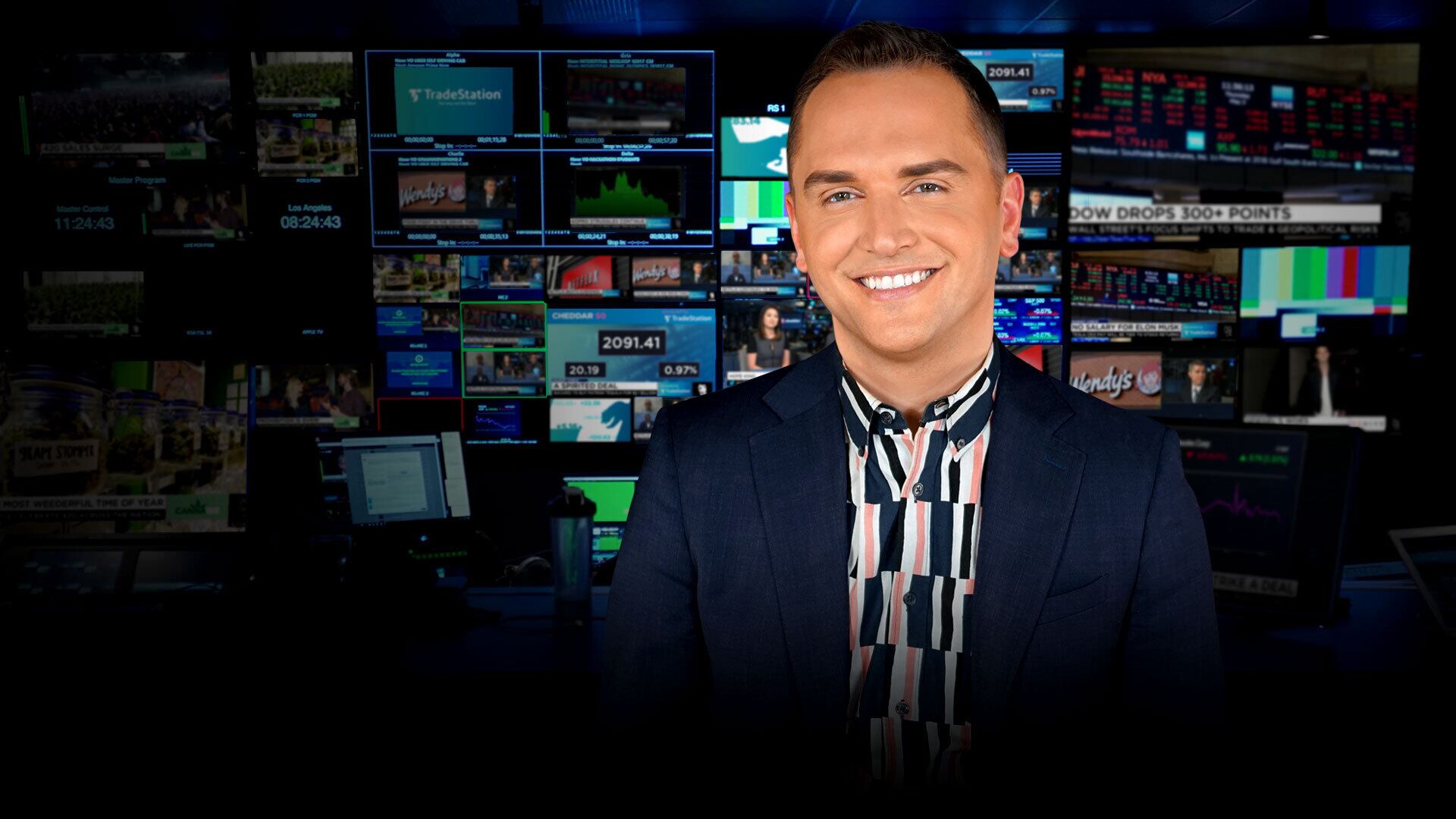
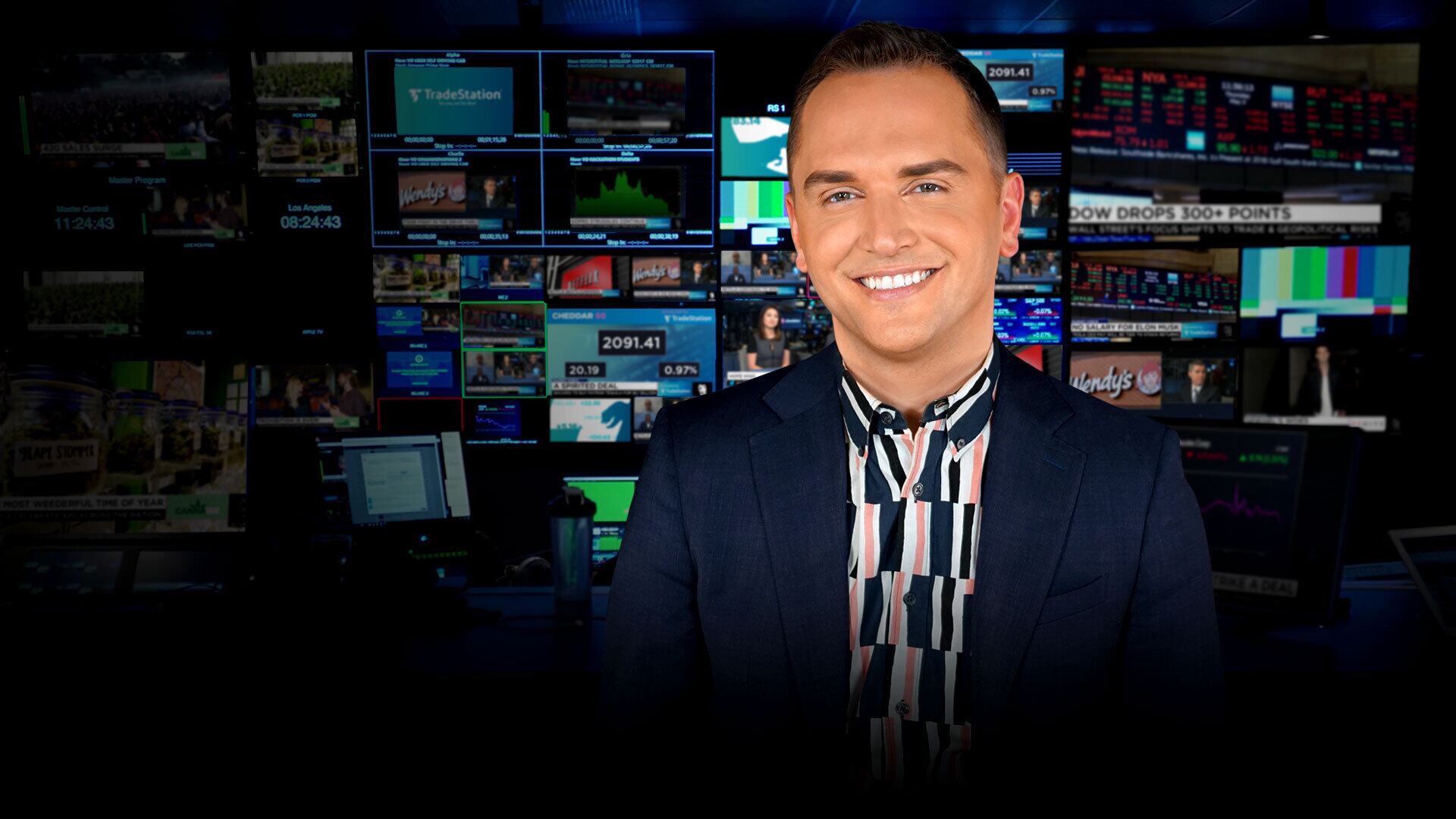
But BTIG analyst Rich Greenfield says doesn't understand why the company wants to increase its exposure to the "troubled legacy media business."
"This feels like Disney is cementing itself in the past, rather than aggressively moving into the future," he told Cheddar in an interview shortly after the deal was announced. "There were a lot of transactions they could've done that would've been a lot more exciting than this."
The alternatives? Greenfield says Snap, Twitter, Activision-Blizzard, or Spotify would all have been better options.
But the deal does give Disney ownership of high-profile franchises such as "X-Men" and "The Simpsons," titles that could make the library for its own planned streaming service more attractive.
The company said in August that it will pull content off Netflix in 2019. Instead, films from "Iron Man" to "Star Wars" to "Toy Story" will only be available on its own platform.
To watch the full interview, [click here](https://cheddar.com/videos/btig-analyst-rich-greenfield-on-disney-fox-deal).
Miami's real estate market has boomed since early 2020, thanks to an overall strong housing market, remote work, and no income tax as incentives. The city is preparing to welcome even more residents as people relocate to warmer climates to work from home. Garrett Derderian, director of market intelligence at SERHANT, joined Cheddar to discuss the Magic City's red hot market.
Paul Tracey, Founder & CEO of Innovative Technologies, and author of 'Delete The Hacker Playbook' and 'Cyber Storm', joins Cheddar to discuss the most effective ways to protect small businesses from cyber attacks, the labor shortage's effects on cybercrime, and how businesses and employees can stay cyber secure while working from home.
A lot has changed since the pandemic began back in march 2020. COVID-19 caused a huge disruption in the U.S. labor force that is just beginning to normalize. As of last month, about 96% of jobs lost in the pandemic have returned. Still, where people work now looks very different from two years ago. Cheddar's Shannon Lanier looks at where the jobs are now and where they aren't.
Dave Burg, EY Americas Cybersecurity Leader, joins Cheddar News to discuss the rise of quantum computing and how it can compromise existing security measures at play today, and what the timeline looks like for quantum computing to become a reality.
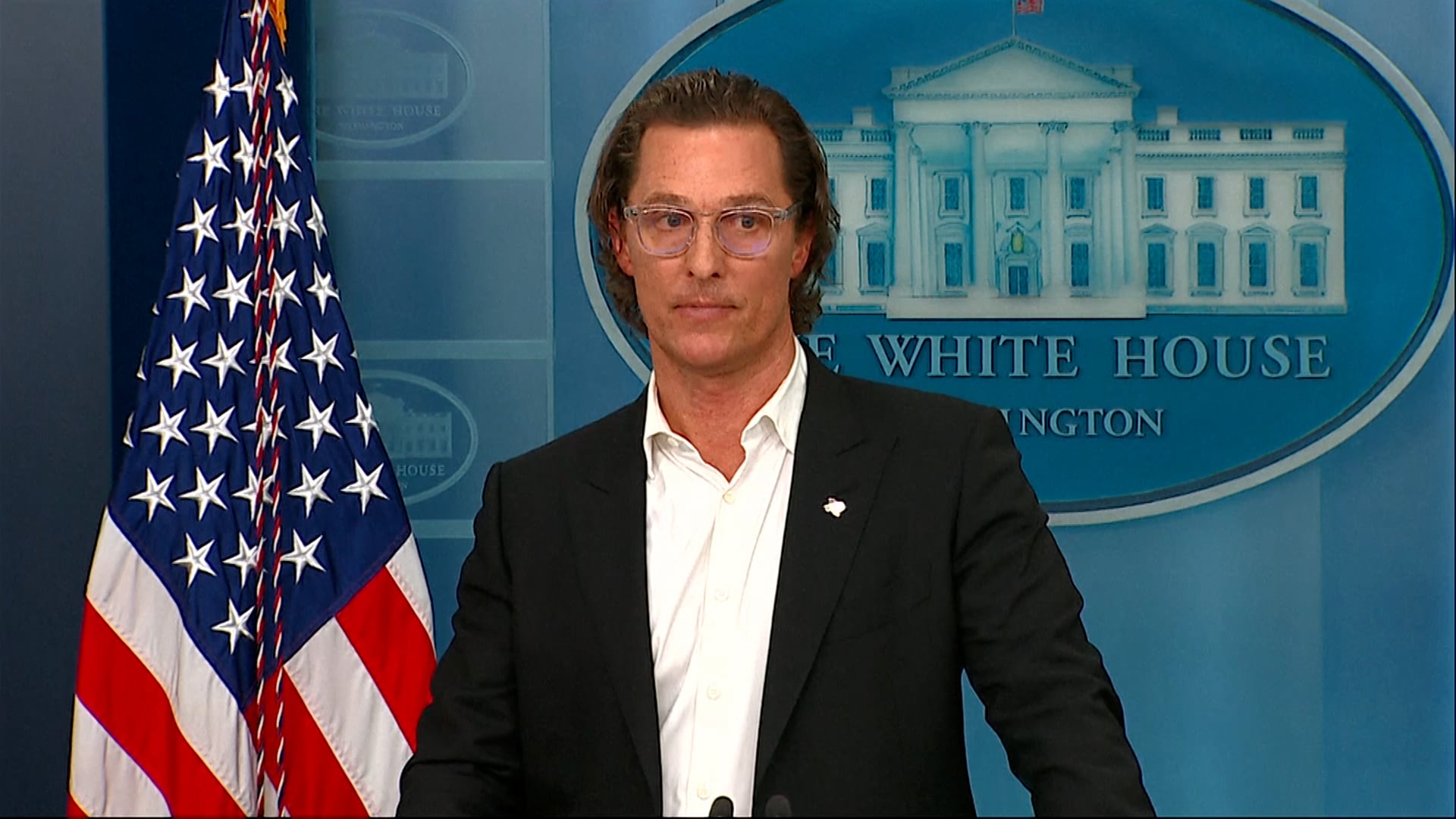
Getting you caught up on the stories you need to know this morning: Matthew McConaughey lends his voice to the gun control fight in congress, at least 30 people were injured in Germany after a car plows into a crowd, and a new weight loss drug shows promising results.
Michelle Bond, CEO of the Association for Digital Asset Markets, joins Closing Bell, where she breaks down the Responsible Financial Innovation Act, which would not only establish a regulatory structure for digital assets, but hand over crypto oversight to the CFTC instead of the SEC.