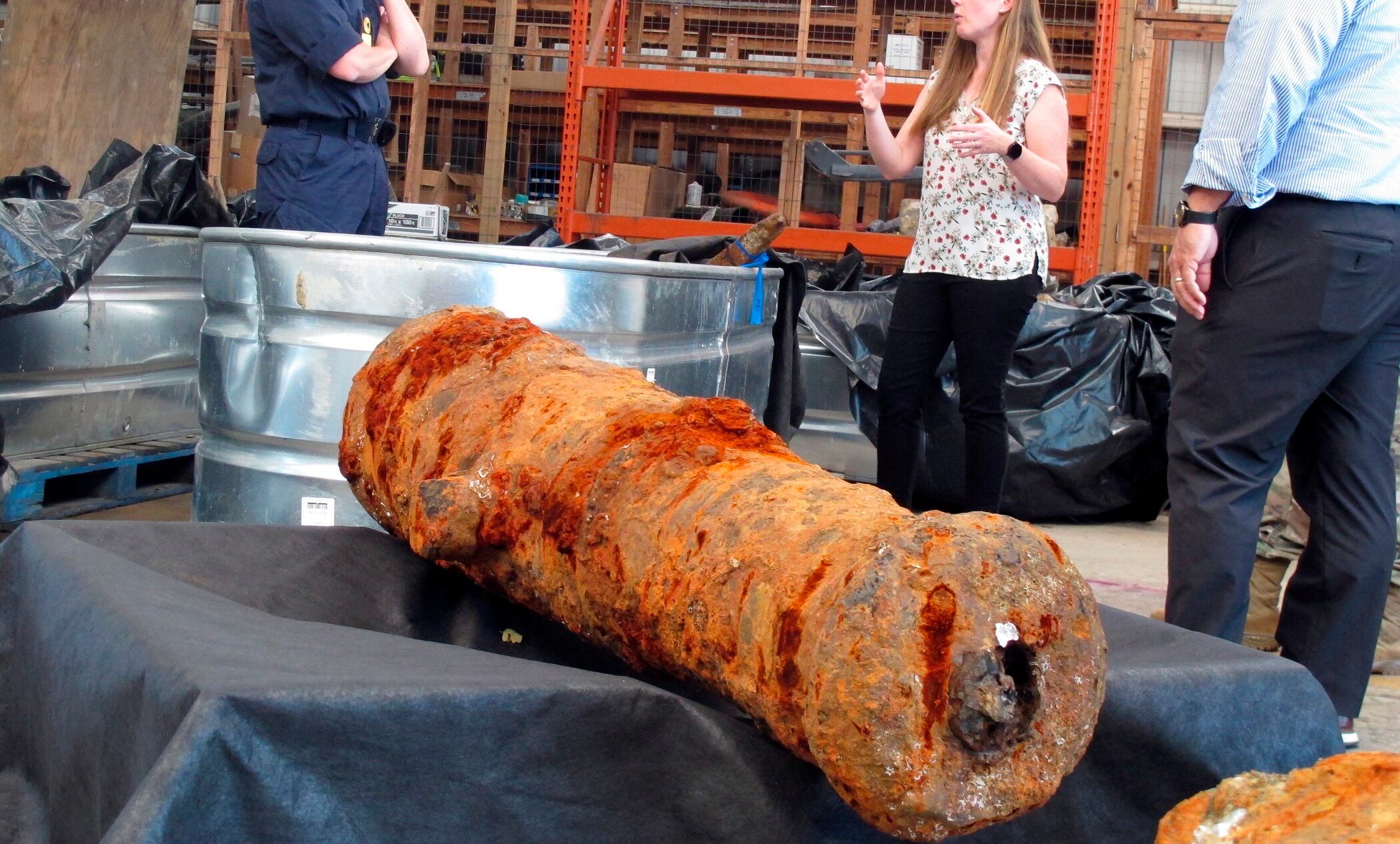
Commodore Philip Nash, left, of the British Royal Navy, gets a briefing from U.S. Army Corps of Engineers archaeologist Andrea Farmer on Thursday, April 28, 2022, in Savannah, Ga., about 19 cannons recovered from the Savannah River, that experts suspect came from one or more British ships scuttled in the river during the American Revolution in 1779. (AP Photo/Russ Bynum)
By Russ Bynum
A warehouse along the Savannah River is holding historical treasures that evidence suggests remained lost for more than 240 years — a cache of 19 cannons that researchers suspect came from British ships scuttled to the river bottom during the American Revolution.
The mud- and rust-encrusted guns were discovered by accident. A dredge scooping sediment from the riverbed last year as part of a $973 million deepening of Savannah's busy shipping channel surfaced with one the cannons clasped in its metal jaws. The crew soon dug up two more.
Archaeologists guessed they were possibly leftover relics from a sunken Confederate gunship excavated a few years earlier in the same area, said Andrea Farmer, an archaeologist for the Army Corps of Engineers. But experts for the U.S. Navy found they didn't match any known cannons used in the Civil War. Further research indicates they're likely almost a century older and sank during the buildup to the Revolutionary War's bloody siege of Savannah in 1779.
In a timeframe of just over a year, 19 cannons were hoisted from the same area of the river a few miles downstream from Savannah, where Georgia was founded as the last of Britain's 13 American colonies in 1733.
“They’re in remarkably good shape," Farmer said. “Many were buried in clay and covered by silt and debris that kind of protected them.”
Now officials with the U.S. and British governments, as well as the state of Georgia, are working together on an agreement to preserve the newly found guns before putting them on display. Commodore Philip Nash of the British Royal Navy, a military attache based in Washington, viewed the artifacts submerged in metal tubs of water during a visit Thursday.
“Some of these pieces are in amazing condition and I’m sure could tell some stories,” Nash said.
The cannons are being kept in water to prevent further deterioration until experts can carefully clean them. Meanwhile, researchers are looking for more definitive proof linking the cannons to British ships from the American Revolution.
Farmer said researchers are very confident of the connection. Savannah had been under British occupation for about a year by the fall of 1779, when colonists planned an attack to retake the city with help from French and Haitian allies.
When French ships carrying troops were spotted off the Georgia coast, the British hurried to scuttle at least six ships in the Savannah River downstream from the city to block the French vessels. The land battle that followed was one of the bloodiest of the war. British forces killed nearly 300 colonial fighters and their allies, while wounding hundreds more.
Farmer said researchers suspect the cannons found in the river came from the British ship HMS Savannah and possibly a second ship scuttled at the same time, the HMS Venus. The longer guns appear to match cannons manufactured in France during the mid-1700s, she said. Researchers are looking for ship logs and manifests in hopes of confirming the armaments aboard those ships.
It's also possible the cannons themselves and other artifacts found at the site — pieces of anchors and a portion of a ship's bell — once cleaned might bear markings or other clues to which ship they belonged to. The wood from those ships, Farmer said, decayed long ago or got destroyed by prior dredging projects over a series of decades.
The question of who owns the artifacts gets a little murky. They were found in state waters of Georgia during a dredging project headed by the Army Corps, a U.S. government agency. The British government could make an ownership claim if there's strong evidence the artifacts came from British ships.
Farmer said all of those parties are working on an agreement to preserve the cannons and ultimately have them displayed at the Savannah History Museum, which incorporates the battlefield where the bloodiest fighting occurred during the 1779 siege.
“Everybody wants to keep the artifacts in Savannah," Farmer said, "because that makes the most sense.”
Catching you up on the stories you need to know this morning, mass shooting victims testify on Capitol Hill, the White House outlines its plan to vaccinate kids younger than five years old, and we break down how to protect yourself from monkeypox.
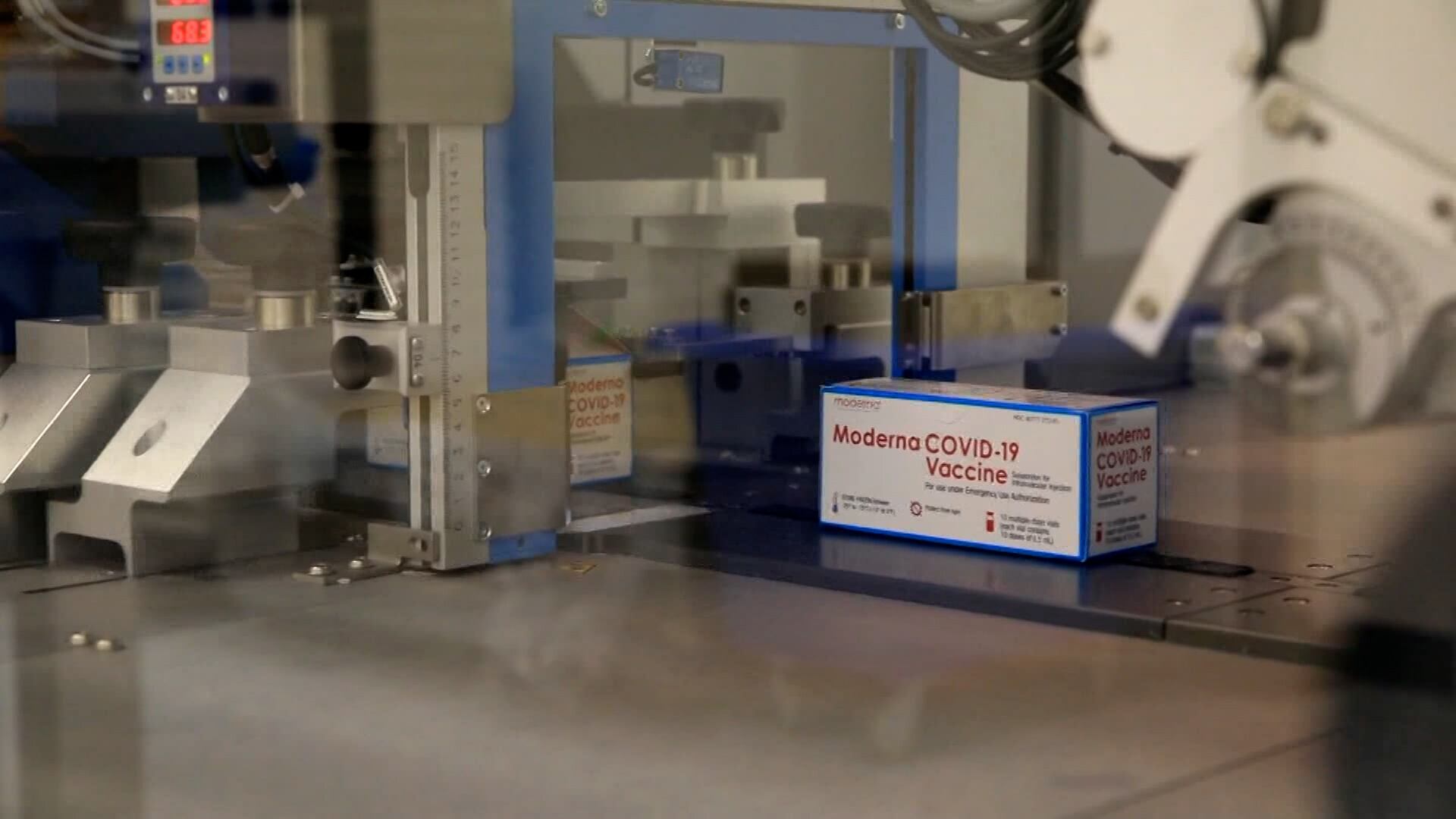
The pharmaceutical giant Moderna says its updated 'bivalent' booster shot provides a stronger immune response against the Omicron variant of COVID-19 specifically. This week, Moderna plans to submit preliminary data to U.S. health officials in the hopes that its new booster will be available later this summer. Dr. Sampson Davis, emergency medicine physician, joins Cheddar News to discuss.
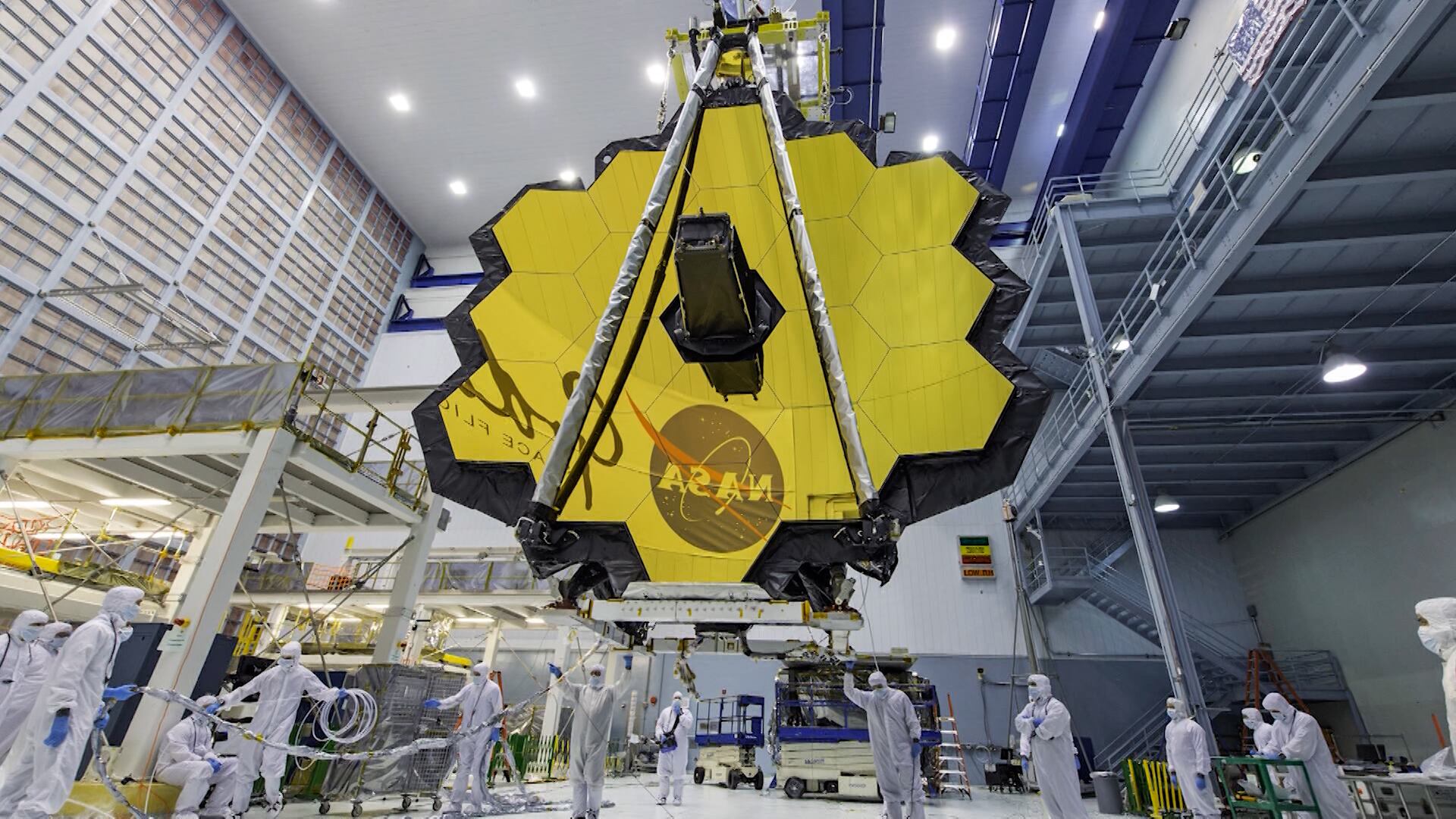
NASA has announced that the first official full-color images will be beamed back to Earth from the James Webb Telescope on July 12. Gregory L. Robinson, the director of the James Webb Space Telescope Program in the NASA Science Mission Directorate, joined Cheddar News to discuss the anticipated image drop. “We expect to see the universe different," he said. "Webb will allow us to see much, much clearer and deeper into the universe."
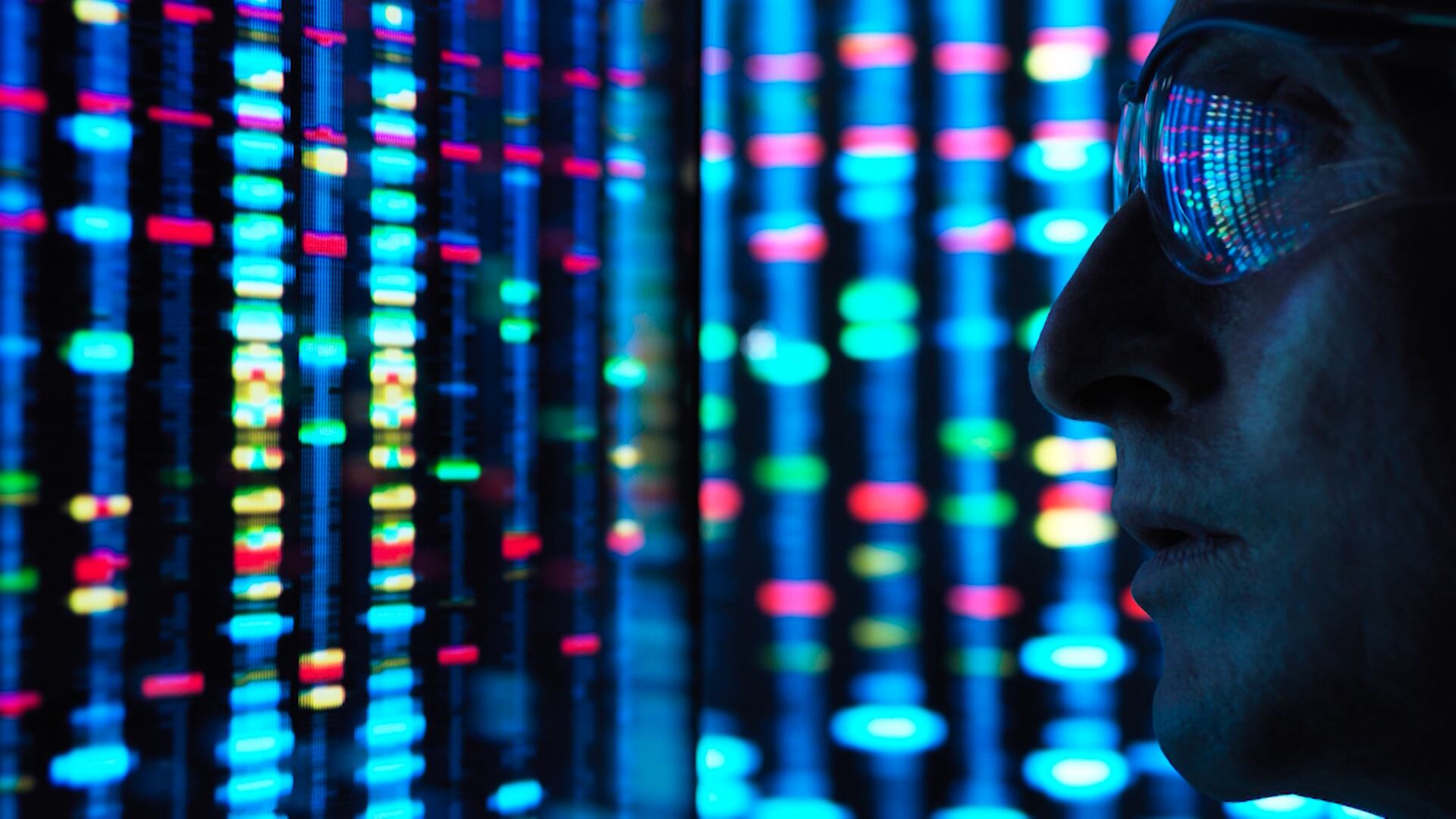
On this episode of Cheddar Reveals, Professor Laurence Hurst, Director of The Milner Centre for Evolution, discusses the mystery of human evolution that's still baffling scientists: why are humans still evolving, and why has the process sped up? Neville Sanjana, faculty member at NY Genome and New York University, breaks down the latest innovations in CRISPR genetic engineering and its applications from 'designer babies' to curing genetic conditions and diseases; Cheddar gets a look at Curiosity Stream's 'The Butterfly Effect.'
Neville Sanjana, faculty member at NY Genome and New York University, joins Cheddar Reveals to break down the latest innovations in CRISPR genetic engineering and its applications from 'designer babies' to curing genetic conditions and diseases.
Professor Laurence Hurst, Director of The Milner Centre for Evolution, joins Cheddar Reveals to discuss the mystery of human evolution that's still baffling scientists: why are humans still evolving, and why has the process sped up?
It can be tough to make sustainable choices, and even harder when sustainable materials don't hold up. Loliware has a solution to the plastic straw problem: its seaweed-based straws are stronger than paper alternatives and once used, can be composted and return to the earth or sea without causing harm. Sea Briganti, CEO of Loliware, joins Closing Bell to discuss the tech behind the straws, new product launches, and more.
Umbilical cord blood banking platform Anja Health raised $4.5 million dollars in a seed round led by Seven Seven Six, a venture capital firm founded by Reddit co-founder Alexis Ohanian. Anja Health offers a personalized, doctor-backed cord blood bank, which lets new parents freeze stem cells from their child's umbilical cord so they can be used to treat diseases in the future. It's a process Anja has called 'Hollywood's best-kept secret,' as celebrities like Kylie Jenner, Serena Williams, and more have all banked their umbilical cord blood. Kathryn Cross, the founder of Anja Health, joins Cheddar News' Closing Bell to discuss.
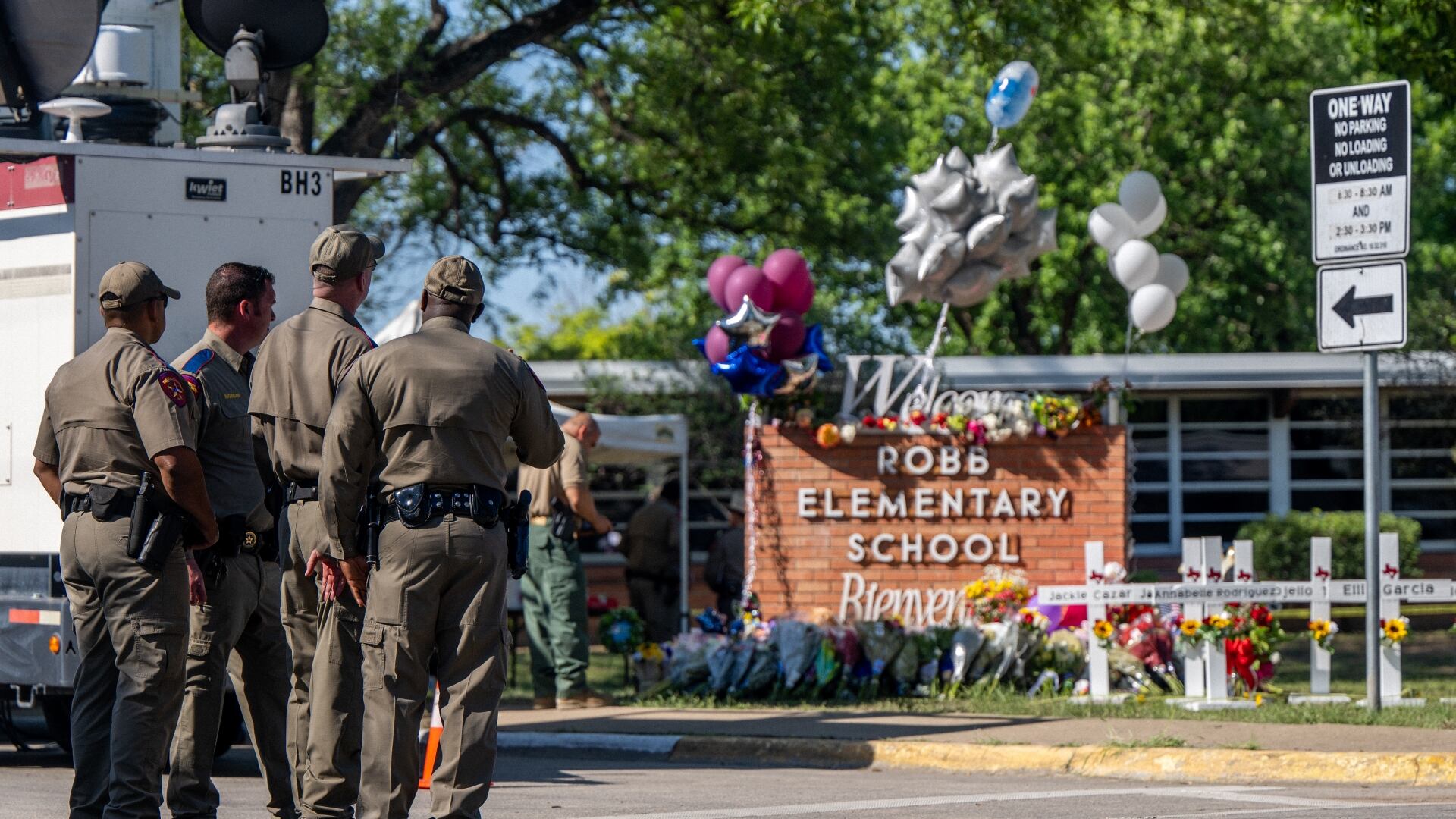
After learning that the suspect in the Uvalde school shooting posted about his intentions on Facebook, activists are urging social networks to make changes. Lena Derhally, a licensed psychotherapist and author of "The Facebook Narcissist," joined Cheddar News to discuss the role social media plays in school shootings. "They're not really invested in taking down hateful content," she said about social platforms."In regards to the shooting, it was 15 minutes before that actual threat. It would be pretty hard for a social media company to trace that threat that quickly. But what they can do better is take down threats and hateful content much faster and more than they're doing now."
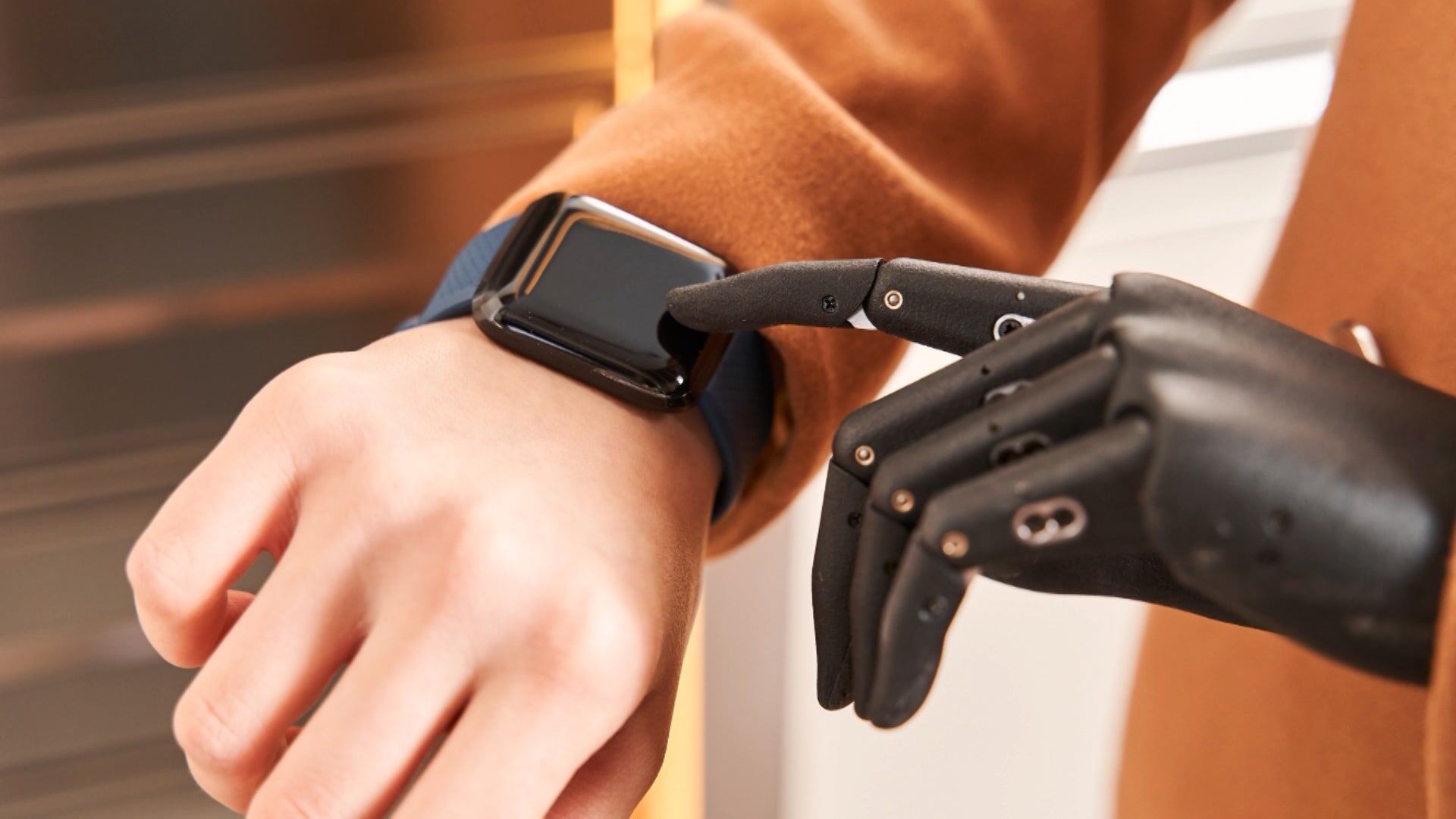
Esper Bionics CEO Dima Gazda breaks down how they're creating a mind-controlled bionic hand that guest smarter the more you use it, and what this innovation means for the future of the prosthetics industry.