By Joseph Pisani
Retail sales rose strongly in September, the fifth straight month of growth, as Americans spent more on clothing, cars and sporting goods.
U.S. retail sales jumped 1.9% last month, the U.S. Commerce Department said Friday. That's more than double what was economists were expected. And it's up from the 0.6% increase in August.
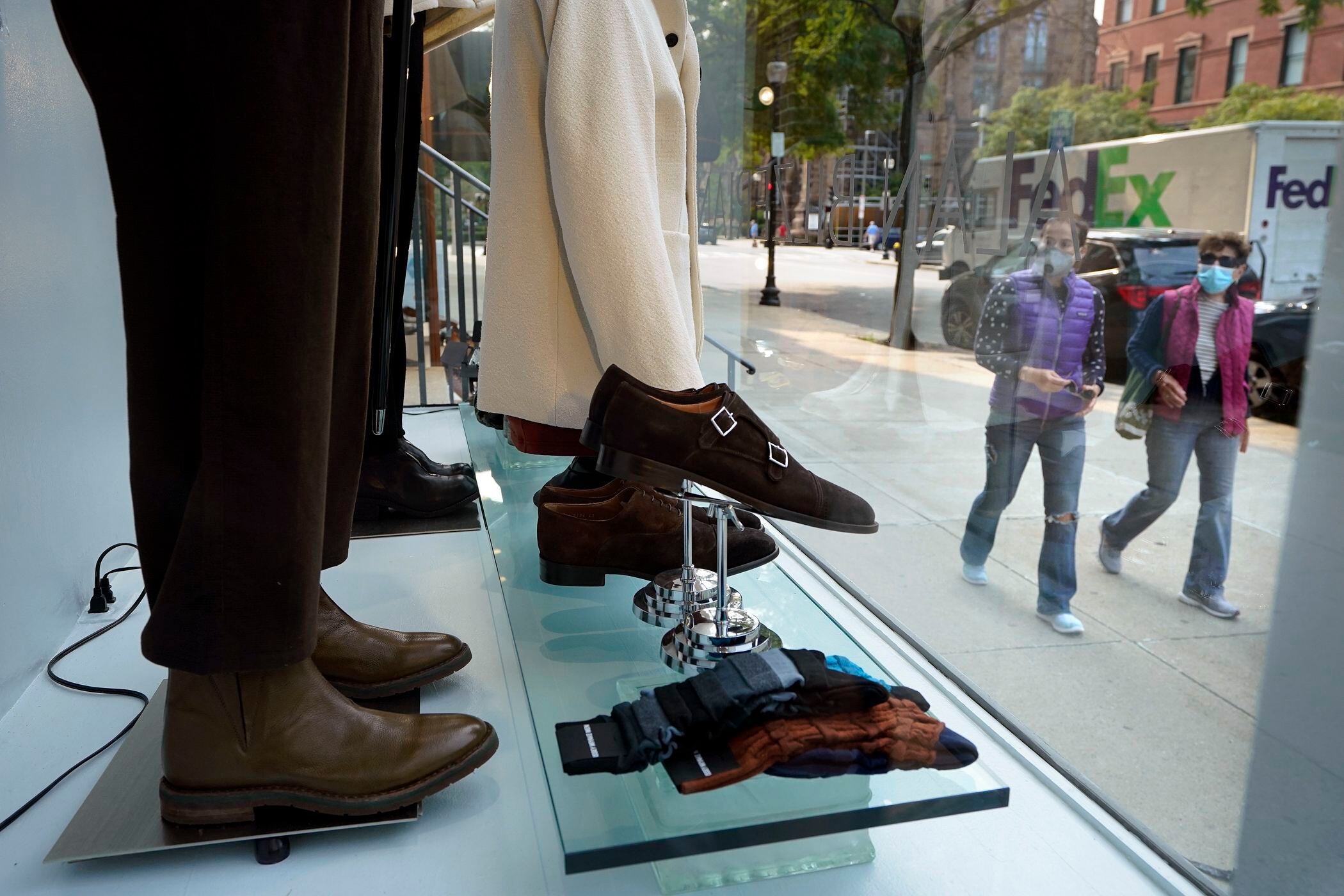
“Americans raced to the stores in September,” said BMO Capital Markets analyst Sal Guatieri, in a note to investors, adding that they were “buying just about everything in sight, especially clothing.”
Sales at clothing stores rose 11%, accounting for much of September's overall growth. Even sales at department stores, which have been falling out of fashion with shoppers for years, rose 9.7% last month.
At auto dealerships and auto part shops, sales were up 3.6%. And those looking to go camping or buy exercise equipment for their homes sent sales at sporting goods stores 5.7% higher.
Consumer spending makes up two-thirds of all U.S. economic activity and is watched closely to gauge the country’s economic health.
Retail sales have been recovering since plunging in the spring as stores and malls were ordered closed to help prevent the spread of the coronavirus. And spending has continued even after more than 20 million unemployed Americans lost a $600 boost in their weekly unemployment checks at the end of July.
Friday’s retail sales report covers only about a third of overall consumer spending. Services such as haircuts and hotel stays are not included in the report. All of those types of businesses have been badly hurt by the pandemic.
Whether people will keep shopping remains to be seen. The unemployment rate is still high, at 7.8% last month. Some economists say more federal checks for out-of-work Americans are needed to sustain spending. And some say rising COVID-19 cases could keep people away from stores.
Retailers are already facing a holiday season like no other.
Best Buy, Target, and Walmart offered holiday deals in mid-October for the first time, piggybacking off Amazon which held its annual Prime Day sales event on Tuesday and Wednesday.
Stores hope the October deals will jumpstart holiday shopping early and keep crowds away from their stores in November and December, avoiding a potentially dangerous situation during a pandemic.
Walmart, the nation's largest retailer, said this week it would offer Black Friday deals over three weekends in November instead of just one day after Thanksgiving.
The virus could also change how people shop, especially if they forgo traveling to see family and friends during the holidays.
Joyce Alcantara, who runs the social media accounts of a San Francisco museum, says she will likely buy fewer gifts this year, cutting out co-workers, friends or family that she doesn't see in person. And for the gifts she does buy, Alcantara plans to skip big national chains and go to neighborhood shops that were more badly hurt by the pandemic.
“I’d rather use my money to support smaller businesses,” she says.