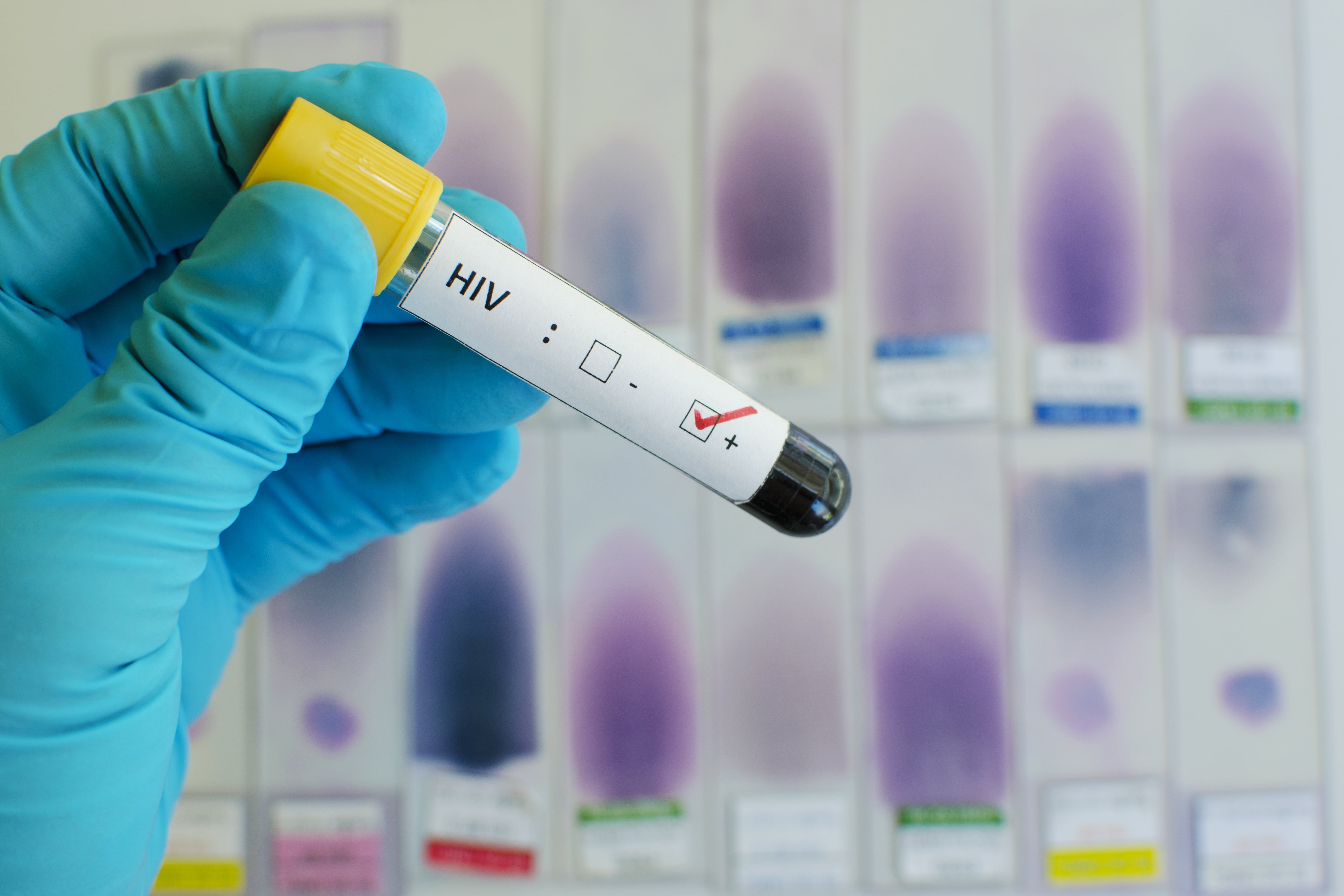
A groundbreaking new study reports that researchers were able to use gene therapy to eradicate HIV in mice. Now the team is considering how to turn that into a life-saving cure for humans.
"We actually have the tools now to go into the genome of a live animal — and inevitably into a person — and clip out, or excise out, the infectious HIV, in a means, or a pathway, towards a cure," said Howard Gendelman, a professor of internal medicine and infectious diseases at the University of Nebraska Medical Center, during an interview with Cheddar on Friday.
The treatment, which was discovered by teams at the University of Nebraska Medical Center and Temple University, works by "dampening down" the HIV virus through an antiretroviral therapy called LASER ART, and then using the gene-editing tool CRISPR-Cas9 — essentially a genetic "scissor" — to remove genes impacted by the virus.
The method led to a "total elimination" of the virus in nine of 23 animals, Gendelman said. It is the first time the virus has been completely eradicated from an animal, according to a UNMC press release.
But Gendelman cautions that applying the technique to humans requires both improving the technology for locating DNA impacted by the virus, and ensuring that the treatment doesn't damage other vital portions of the human genome.
"Every single HIV DNA that's integrated into the genome of a live host has to be excised. So we must develop even better technologies than we've developed in mice to discover where that latent virus is," explained Gendelman. "That's a major part of the research efforts ongoing now."
"We're manipulating the human genome. We're treating an HIV infection as if it was a genetic disorder. We're going into the genome and changing the structure, essentially using the HIV as a bad gene and cutting it out," he added. "So if we do that, we have to understand that there's a possibility that other genes can be affected."
More than 70 million people are reported to have been infected with HIV, according to the World Health Organization. The U.N. agency estimated that in 2017, more than 35 million people were living with the virus.
As we prepare to ring in the new year, COVID cases are hitting an all-time high. Dr. Anthony Fauci has said the safest way to celebrate would be a small gathering with vaccinated family members only... far from the large, flashy parties from a few years ago. Dr. Christina Johns, senior medical advisor at PM Pediatrics, joins Cheddar News to discuss how to celebrate safely.
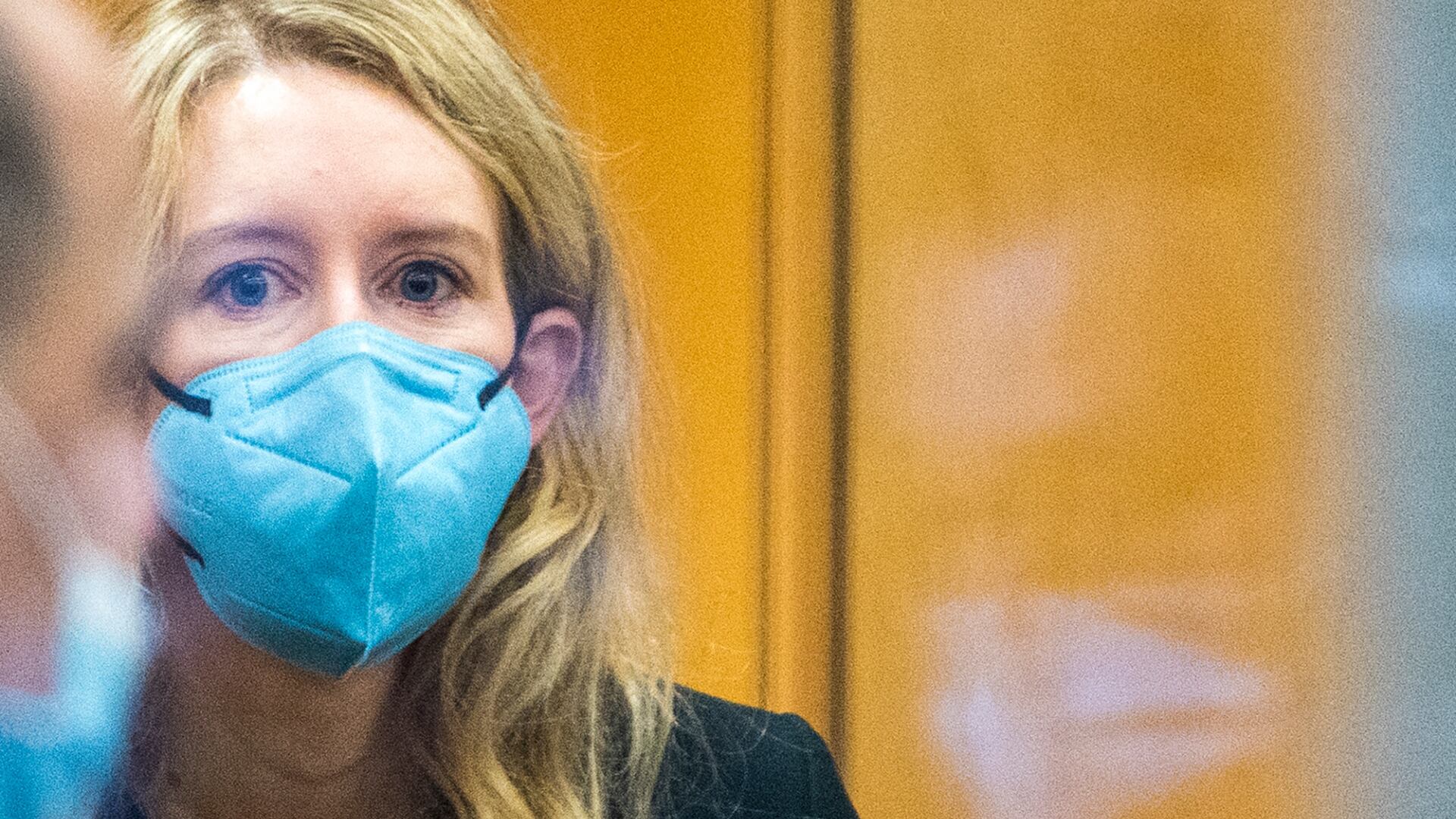
Jurors in the trial against Theranos CEO Elizabeth Holmes have entered day six of deliberations. Holmes is accused of lying to investors about the functionality of a newly developed blood-testing technology. Andrew George, partner at Baker Botts, joined Cheddar to break down key points in the case and what the jury might be considering during their deliberations. He also noted that the rest of Silicon Valley, including Holmes' business partner, Ramesh "Sunny" Balwani, who is facing identical charges, is closely watching the outcome of deliberations — as it could set the tone for future regulations and Balwani's own trial.
According to researchers, the state of California's cap-and-trade program is currently being undermined by forest fires caused primarily by climate change. Over the past few years, trees that were set aside for the program have been releasing carbon as they continue to burn in fires. Climate Researcher and Policy Director at CarbonPlan Danny Cullenward, joined Cheddar to discuss more.
The CDC's latest update to its COVID-19 quarantine guidelines reduces the isolation period from ten days to just five for people who test positive but are asymptomatic. Dr. Bayo Curry-Winchell, regional clinical director at Carbon Health, spoke to Cheddar's Baker Machado about the new guidance. She noted that while the reduced quarantine time "makes sense," the CDC should also require that a person test negative after their quarantine and before interacting with the public. "There is science behind it. We know that the majority of illness happens, or transmission, one to two days before the onset of symptoms and then two to three days as you have symptoms. So there is science behind the reducement of the actual five days," she said.
Prices at the pump this year reached a seven-year high, and a new forecast from GasBuddy shared with CNN predicts that gas prices will only continue to rise in 2022 and that the national average could even reach $4.00 a gallon; however, analysts at GasBuddy say anything could happen when it comes to gas prices in the future, as the pandemic has made it difficult to make any predictions about the economy. Consumer Energy Alliance federal policy advisor Michael Zehr joins Cheddar News' Closing Bell to discuss.
As the Omicron variant is fueling a surge in COVID-19 cases, parents and schools are faced with tough choices between absences and outbreaks. Matt Barnum, a national reporter at Chalkbeat, joins Cheddar News to discuss.
Ron Gutman, Co-CEO of Intrivo, joins Cheddar News to discuss how the company is creating a test and tech solution for Covid testing called 2Gather, and how it's using data-driven digital diagnostics to make these tests widely available and affordable.