Republicans Fight Back Against Comey's 'Attacks' on Trump
After the former FBI director James Comey likened President Trump to a mob boss in a TV interview, Republicans said Monday they would defend the president without fear of appearing to pile on the country's former top law enforcement official.
"If someone attacks you, you have a right to defend yourself," said Kayleigh McEnany, the Republican National Committee spokesperson. "So yes, we will defend the president who is being relentlessly attacked in a tell-all book."
Comey, who says he was fired last year after he refused to pledge his loyalty to the president, told ABC News's George Stephanopoulos in a interview broadcast Sunday that Trump is "morally unfit to be president." Comey was promoting his new book, "A Higher Loyalty," which was to be published Tuesday.
In the interview, Comey said his decision to alert Congress less than two weeks before the 2016 presidential election of additional emails under investigation by the FBI was influenced by his belief that Hillary Clinton would defeat Trump. In her own book published last year, Clinton said Comey's decision cost her the presidency.
Reactions to Comey's interview ー and the statements in his book ー have been split, largely along party lines.
"It was very sad," McEnany said in an interview on Cheddar. "What i saw was someone trying to rehabilitate his image."
In a [tweet](https://twitter.com/davidaxelrod/status/985543801660985344) Sunday night after the ABC broadcast, President Obama's former chief strategist David Axelrod said he questions the timing of Comey's book coming as it does at a critical phase in the special counsel'sinvestigation of the Trump campaign's possible dealings with Russia. "But I have no doubt about its brilliance when it comes to book sales," said Axelrod. "Maybe he should have called it Higher Royalties?
Advance sales have pushed "A Higher Loyalty" to the top of Amazon's Best Sellers list. The book's publisher, Macmillan Publishers' Flatiron Books, was printing 850,000 copies in anticipation of high demand, CNN reported.
For full interview, [click here](https://cheddar.com/videos/the-rnc-fires-back-after-james-comey-interview).
During the pandemic, student loan debt repayment was put on pause amid an unprecedented crisis. However, on February 1, 2022, the schedule is set to resume, and currently it looks as though the Biden administration has no plans to extend it. Cody Hounanian, the executive director of the Student Debt Crisis Center, spoke to Cheddar about why he believes the loan collection pause needs to at least be extended as borrowers are still struggling with the resurgent pandemic and inflation. "There's really no good economic or policy or political reason as far as why they're focused on getting payments started now," Hounanian said. "We surveyed 33,000 people with student loans last month. Nine out of 10 told us that they are not ready to resume payments."
As the 2022 midterm elections fast approach, here are some politicians Americans should be on the lookout for. Democratic Massachusetts state senator Sonia Chang-Diaz, who was the first Latina and Asian American woman to be elected to the state's senate, now has her eye on the governorship with Republican Charlie Baker leaving. New Jersey GOP candidate for Congress, Billy Prempeh also bears watching, and while Boston's newest mayor, Democrat Michelle Wu, was already sworn in last month, all eyes will be on Beantown as the first woman and first person of color to hold the office tries to usher in a new era for the city.
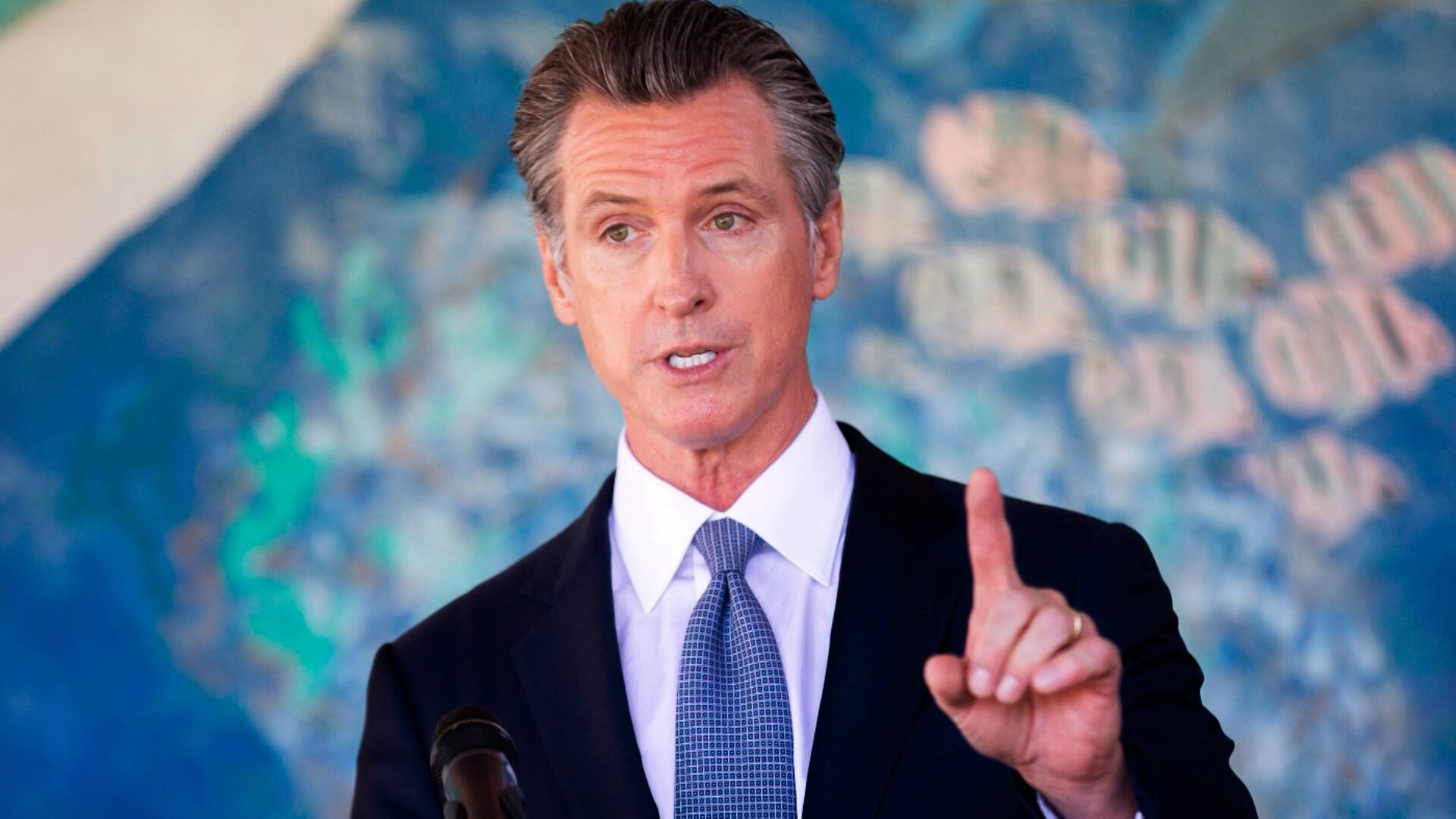
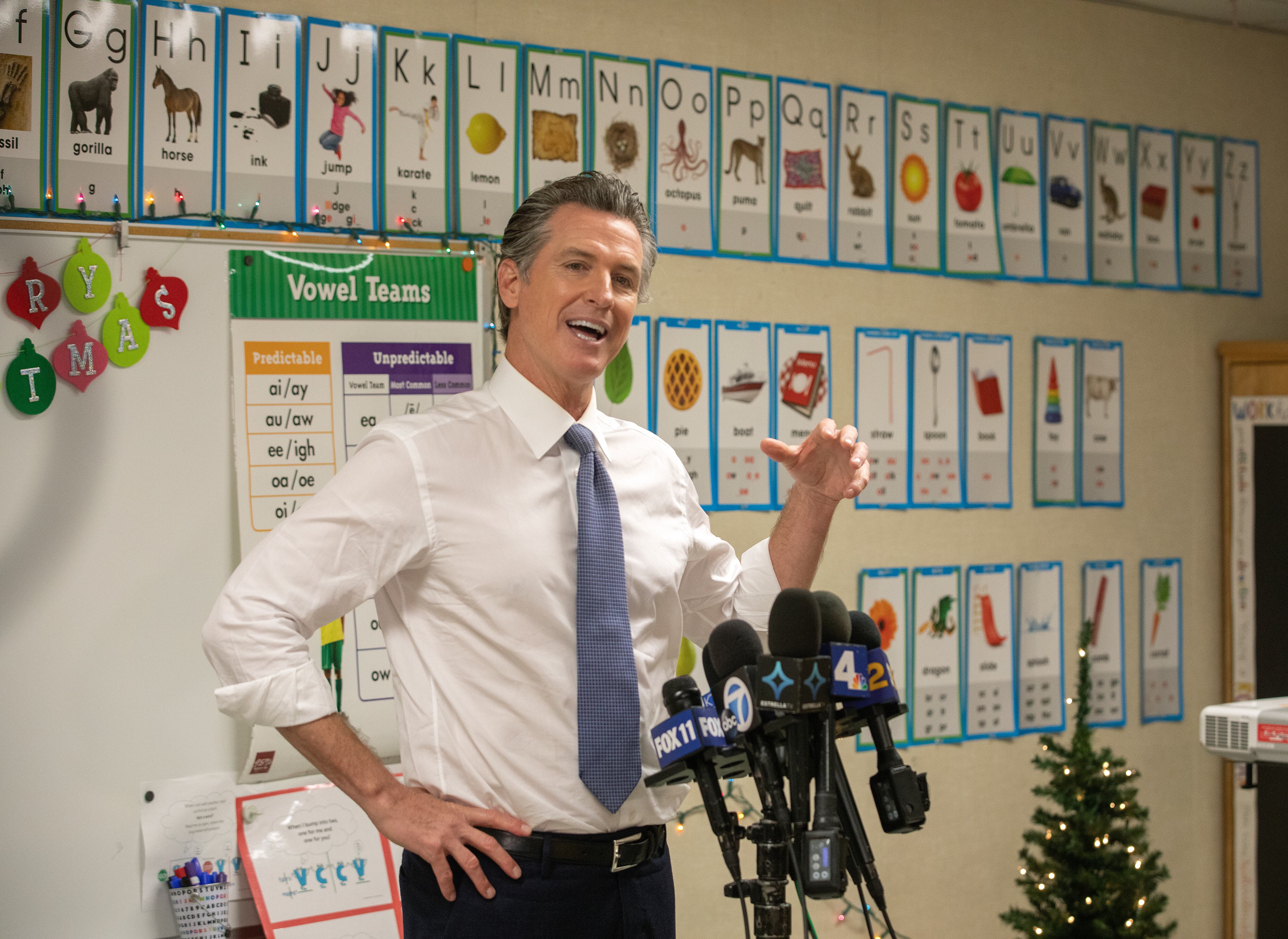
Emily Hoeven, newsletter editor at CalMatters, joins Cheddar News to discuss California Governor Gavin Newsom's gun law modeled after Texas's abortion law.
Chuck Rocha, host of 'Nuestro' podcast and opinion contributor at The New York Times, joins Cheddar News to discuss why Democrats are losing Hispanic voters.
More businesses are requiring workers to return to the office, but there is concern that many employees in the middle class, especially women and people of color, need remote work options for reasons including childcare and financial security. Joan Williams, director of the Center for WorkLife Law at the University of California, joined Cheddar to discuss why office mandates could be detrimental to the middle class. She noted that while companies claim a return to offices would help foster more collaboration and efficiency, reports show that they are successfully able to do their jobs from home.
The U.S. postal service has confirmed that it secretly developed and tested a blockchain-based mobile voting system ahead of the 2020 election. Susan Greenhalgh, senior advisor on election security, Free Speech for People, joins Cheddar News to discuss the cybersecurity complications of a mobile voting system.
The U.S. Supreme Court ruled to allow the controversial Texas abortion law to remain in effect, banning abortion at six weeks and allowing any private citizen to sue a person or doctor aiding or abetting someone seeking an abortion. Outraged at this decision, California Governor Gavin Newsom is working to draft a proposal in line with the law as it relates to guns. Shawn Hubler, California correspondent at the New York Times, joins Cheddar News to discuss.