*By J.D. Durkin*
When I arrived in southern Florida two weeks ago to cover several days of campaign trail events, I had no way of guessing that a separate national storyline — about packages, postal codes, and pipe bombs — would unfold with the same aggressive timeline just miles away.
As news was breaking across the country about a flurry of pipe bombs directed at high-profile, Democratic targets, my colleague Sam Tadelman and I were meeting with specialty crop growers, off the grid on the edge of the Everglades. News of the suspicious packages felt a world away as I talked to farmers who had suffered under NAFTA because they couldn’t compete with Mexico. Sen. Marco Rubio and Rep. Carlos Curbelo, both local Republicans, were in attendance at a roundtable at S&L Beans, a three-generation farm in the town of Homestead. At its peak, the farm spanned 7,000 acres. Today, it’s only 2,000 acres.
The day of our visit was 85 degrees and sunny — sunburn territory for me. The story of the farmers in this community is an agonizing one; several who had inherited the farms from their fathers and grandfathers told me that they each encouraged their own sons to find other work. Sal Finocchiaro explained the heart-wrenching dilemma like this: “I told my son to go to college and get a different job. I love him, I want him here, but my advice was not to come here because there is no future ... We're gonna try as hard as possible to make it work, though.”
That son, Salvatore Finocchiaro, is currently working on the farm to continue the family legacy, against his father’s wishes.
This is a community in tremendous economic pain: The open markets and opportunities afforded to Mexico in the NAFTA era steadily put farmers like Sal Finocchiaro out of business in this region of pristine farmland between Miami and the Florida Keys. The Trump Administration, at least so far, has not helped matters much here either; the recently-negotiated NAFTA replacement, known as USMCA, did not include provisions for these farmers.
Kern Carpenter, a tomato farmer in Homestead, put it in bleak terms: “We got left out of the NAFTA renegotiation ... they totally left southern Florida out. Fruits and vegetable growers were ignored, thrown under the bus.”
In my remaining days in Florida, I remembered those conversations even as the quieter voices of Florida’s farmers were drowned out by news of a frantic search for a would-be pipe bomber with vendettas against prominent Democratic leaders and Trump critics.
As fate would have it, the coming day and a half would render South Florida of all places as ground zero for the investigation and the pipe bomb story dominated our time on the ground. By Friday afternoon, Sam and I found ourselves — somehow, impossibly — standing in the very AutoZone parking lot in the sleepy community of Plantation, Fla. where suspect Cesar Sayoc has been arrested just hours before, [interviewing the sole eyewitness to the dramatic takedown](https://cheddar.com/videos/bombing-suspect-charged-but-national-nerves-remain-frayed).
Stories like the would-be pipe bomber dominate the national psyche so intensely at such a moment in time that all other narratives just seem to blur. With the news cycle turning at such a frantic pace, I thought: What chance does the story of the farmers in Homestead have of breaking through? Meeting Sal Finocchiaro and his boy reminded me that their struggle also needs attention if we are going to help them and the next generation of Florida’s farmers to survive.
California Rep. Ro Khanna has a novel idea about how to solve the government shutdown: call in some experts."Why don't we get an independent group of experts? The President appoints two people. The House appoints two people. The Senate appoints two people," the Silicon Valley-based Democrat suggested. "Put them in a room ー six folks ー and have them come up with proposals that are going to be 6-0."
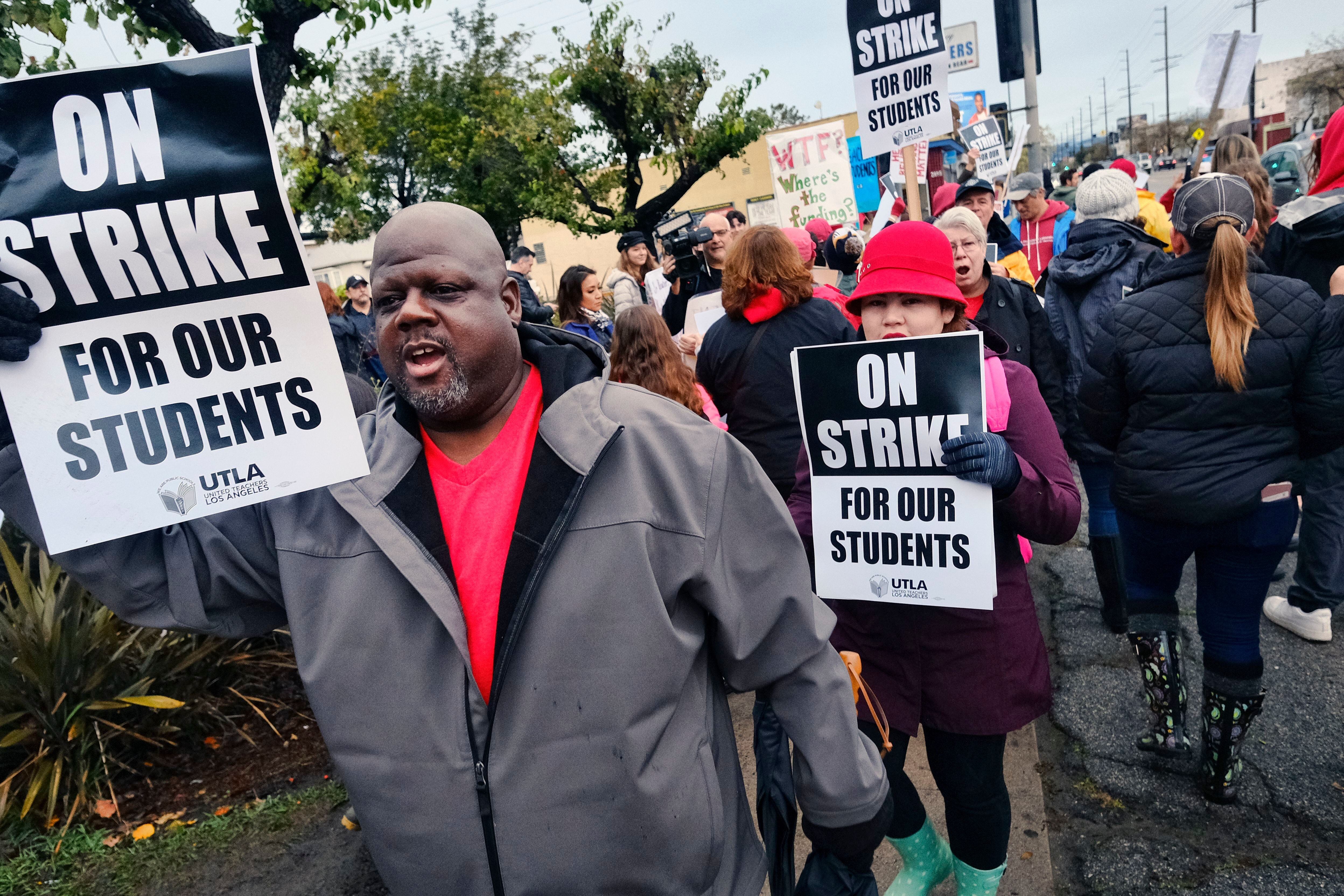
With Los Angeles public schools ending a third day without their striking teachers, a deal between the union and the district remains elusive, according to Joseph Zeccola, a 2018-19 L.A. County Teacher of the Year and one of more than 30,000 educators currently protesting in the country's second-largest school district. "We're at a standstill," Zeccola told Cheddar from the picket line on Wednesday. "The offers right now have not been good."
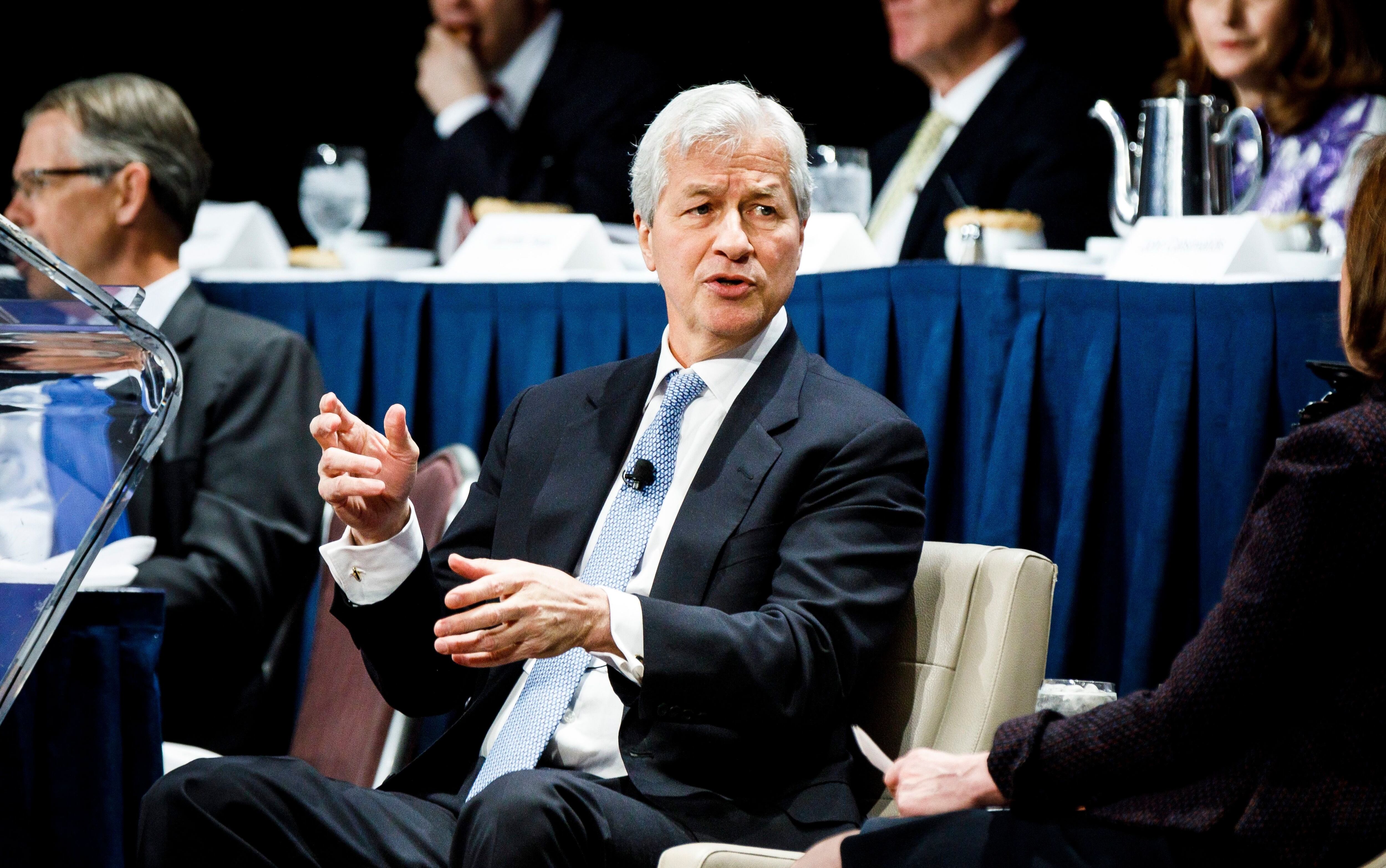
The U.S. needs to work on improving its relationship with China as well as stabilizing its own economy by ending the government shutdown, JPMorgan Chase chairman and CEO Jamie Dimon said on Wednesday.
The ongoing government shutdown will hurt franchisees, Fat Brands CEO Andrew Wiederhorn told Cheddar on Monday. The closure of the Securities and Exchange Commission may inconvenience companies like Fat Brands, which need access to the public markets, but its franchisees, who run outposts of Fat Brands restaurants like Fatburger and Ponderosa Steakhouse, can't seek loans or expand their businesses. "There is a trickle down effect to us, but it's pretty small. I think really it affects the small business owner ... and it's coming out of their pocket," Wiederhorn told Cheddar.
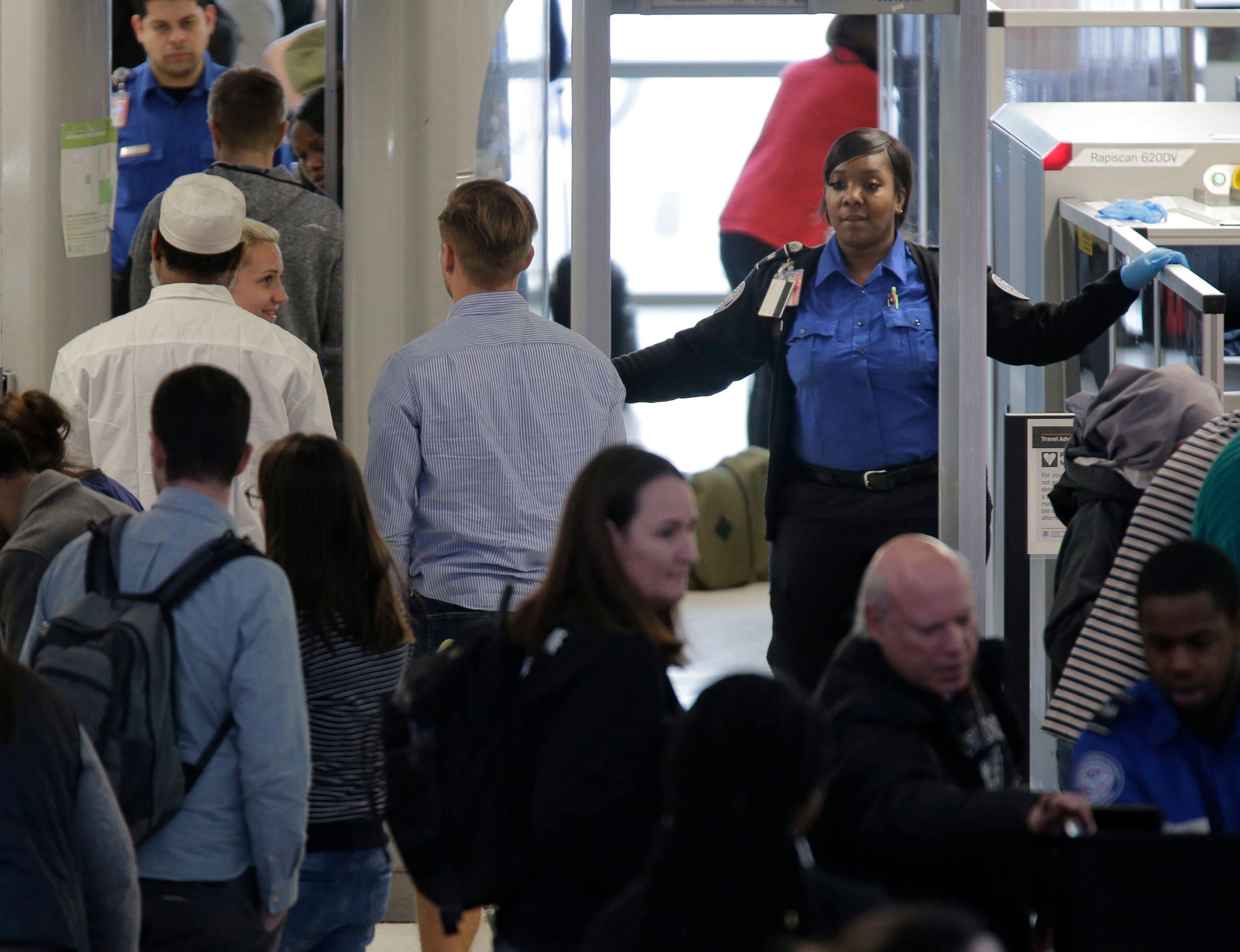
Airline passengers are facing long security lines as unpaid TSA officers have begun calling in sick due to the government shutdown. Staffing shortages led to the closure of an entire terminal at Houston's George Bush International Airport. Local Houston TSA President, Freddie Cuellar, says closing the terminal is the best way to utilize the staff who are able to come to work.
These are the headlines you Need 2 Know for Wednesday Jan. 16, 2019.
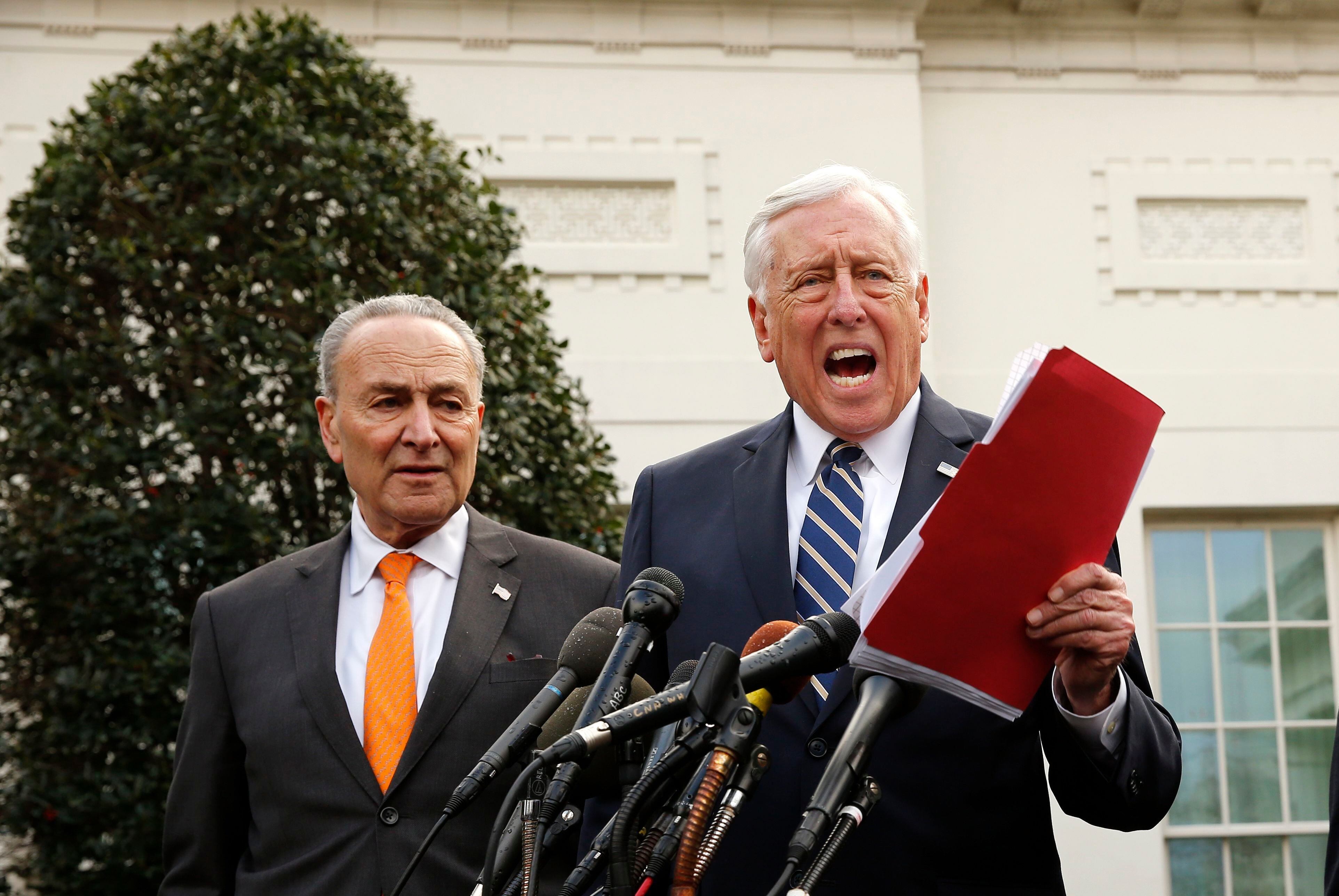
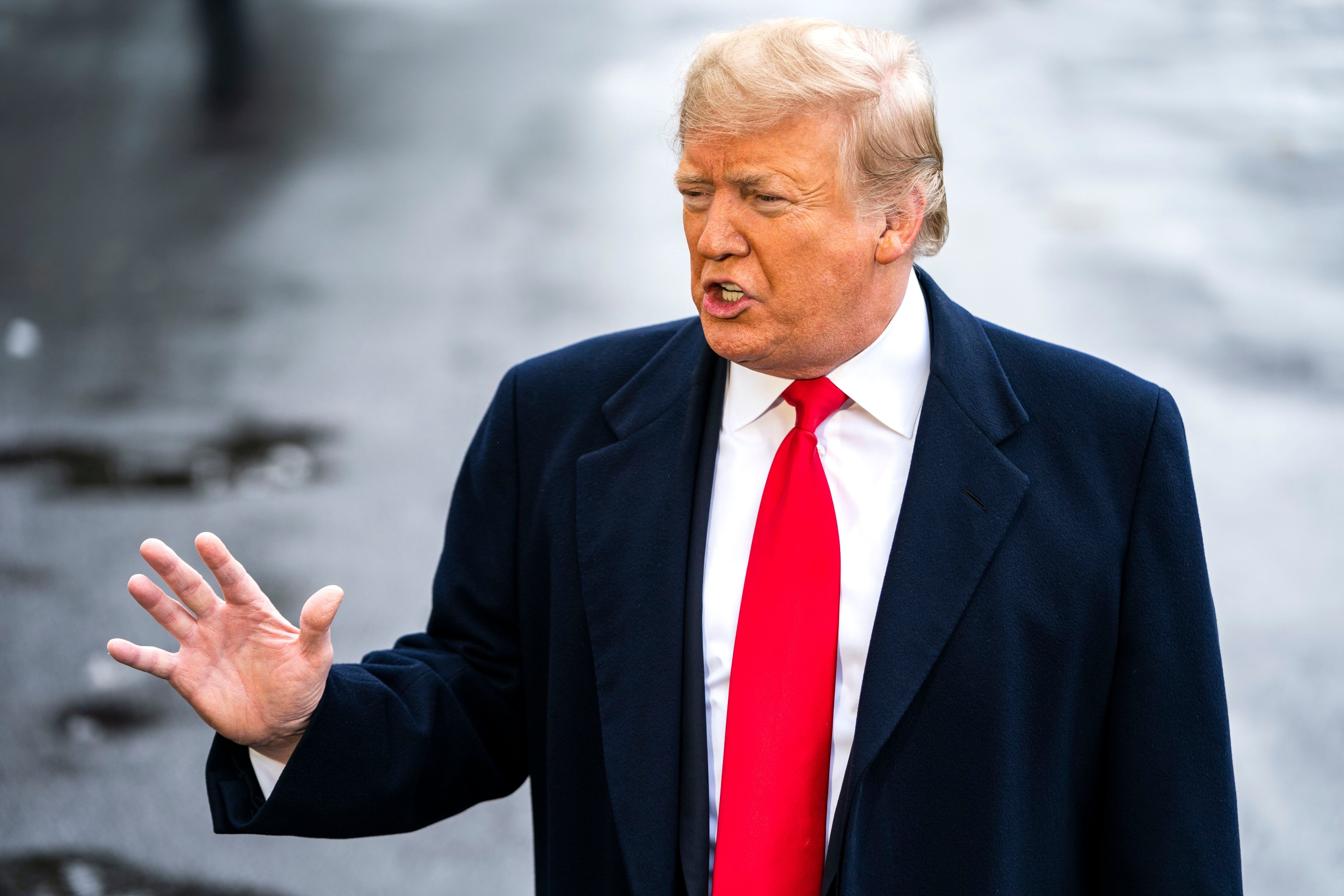
President Trump has taken the government hostage, and House Democrats refuse to negotiate with a hostage-taker, House Majority Leader Steny Hoyer (D-Md.) told Cheddar on Tuesday. "This is not about the wall, it's not about health care, it's not about ... spending. This is about a promise the president made, and he has now taken the government hostage," Hoyer told Cheddar's J.D. Durkin as the 25th day of the partial government shutdown dragged to a close.
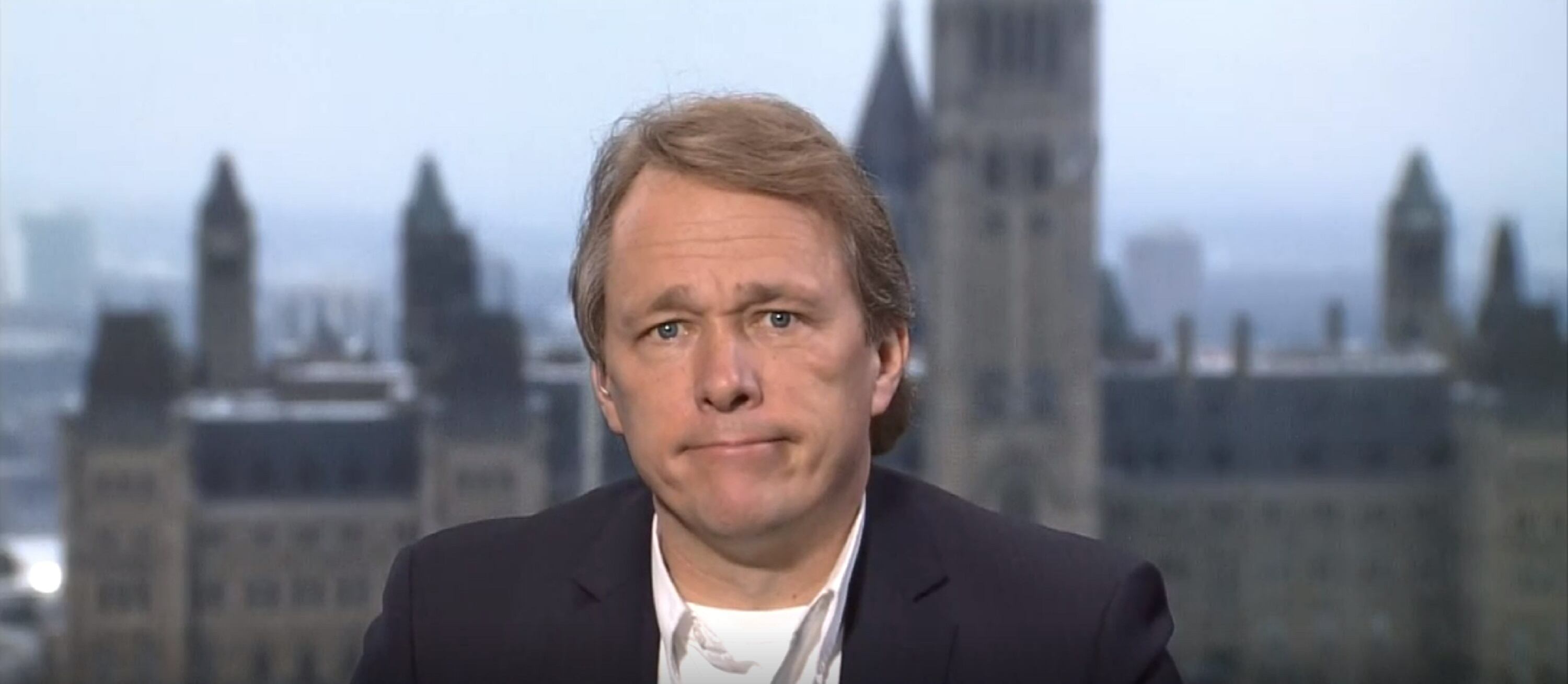
Canopy Growth is planning its entry to the U.S. on the back of the new Farm Bill ー and aims to establish a hemp "hub" in New York, according to CEO Bruce Linton."New York is setting up a pretty progressive approach and we have an earlier first license under that system so we can actually create a hub," Linton told Cheddar on Tuesday.
As the government shutdown drags on, calls from some conservative corners have increased for President Trump to declare a national emergency in order to get federal employees back to work while diverting funds to build a border wall. However, conservative radio show host Erick Erickson is cautioning the president against doing just that.
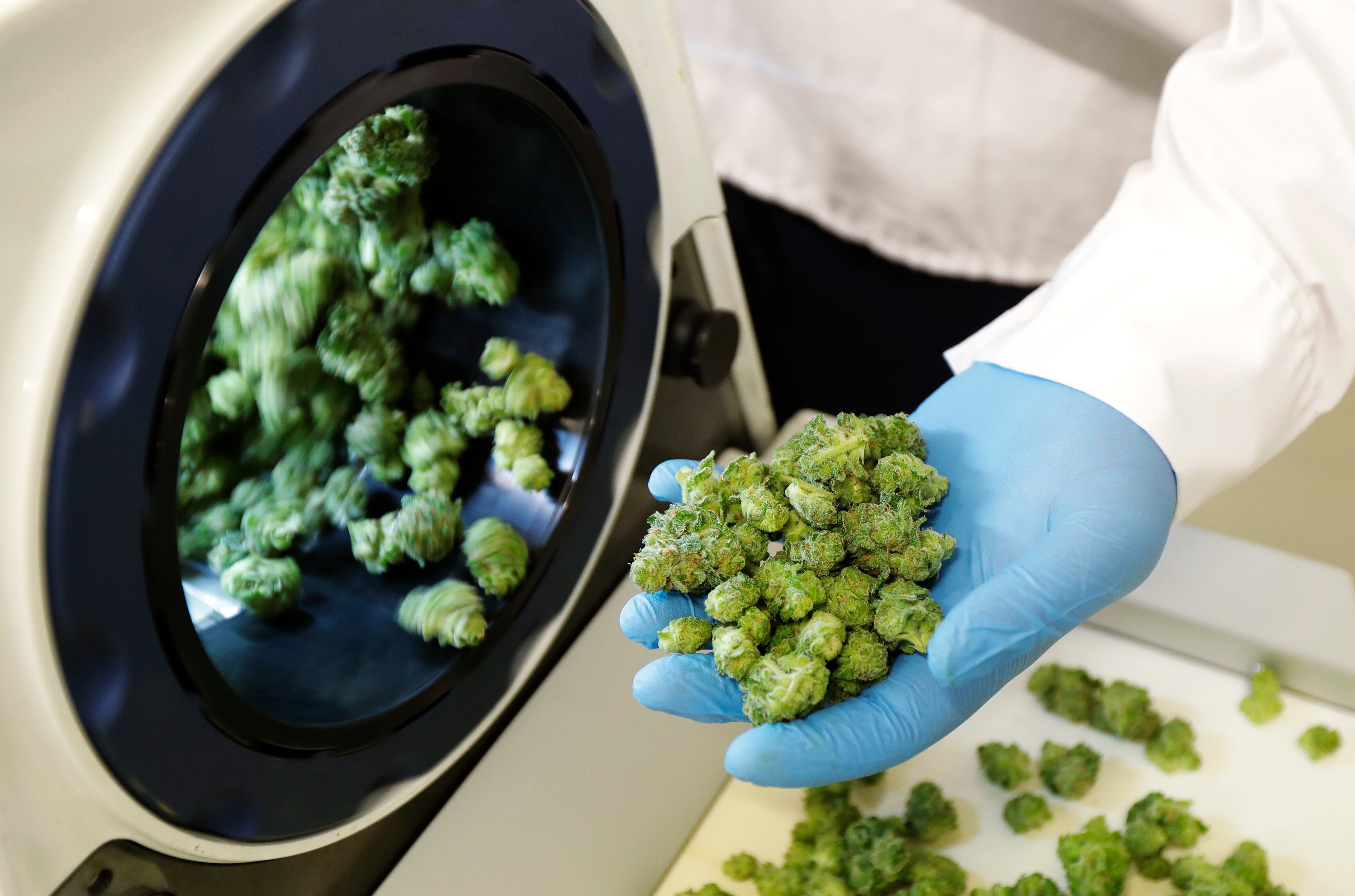
The cannabis industry enjoyed a productive 2018, but the government shutdown may be turning the industry's green light to yellow. Cannabis stocks are up overall, but according to Debra Borchardt, co-founder and CEO of Green Market Report, the government shutdown has left some farmers and companies in limbo.