*By J.D. Durkin*
When I arrived in southern Florida two weeks ago to cover several days of campaign trail events, I had no way of guessing that a separate national storyline — about packages, postal codes, and pipe bombs — would unfold with the same aggressive timeline just miles away.
As news was breaking across the country about a flurry of pipe bombs directed at high-profile, Democratic targets, my colleague Sam Tadelman and I were meeting with specialty crop growers, off the grid on the edge of the Everglades. News of the suspicious packages felt a world away as I talked to farmers who had suffered under NAFTA because they couldn’t compete with Mexico. Sen. Marco Rubio and Rep. Carlos Curbelo, both local Republicans, were in attendance at a roundtable at S&L Beans, a three-generation farm in the town of Homestead. At its peak, the farm spanned 7,000 acres. Today, it’s only 2,000 acres.
The day of our visit was 85 degrees and sunny — sunburn territory for me. The story of the farmers in this community is an agonizing one; several who had inherited the farms from their fathers and grandfathers told me that they each encouraged their own sons to find other work. Sal Finocchiaro explained the heart-wrenching dilemma like this: “I told my son to go to college and get a different job. I love him, I want him here, but my advice was not to come here because there is no future ... We're gonna try as hard as possible to make it work, though.”
That son, Salvatore Finocchiaro, is currently working on the farm to continue the family legacy, against his father’s wishes.
This is a community in tremendous economic pain: The open markets and opportunities afforded to Mexico in the NAFTA era steadily put farmers like Sal Finocchiaro out of business in this region of pristine farmland between Miami and the Florida Keys. The Trump Administration, at least so far, has not helped matters much here either; the recently-negotiated NAFTA replacement, known as USMCA, did not include provisions for these farmers.
Kern Carpenter, a tomato farmer in Homestead, put it in bleak terms: “We got left out of the NAFTA renegotiation ... they totally left southern Florida out. Fruits and vegetable growers were ignored, thrown under the bus.”
In my remaining days in Florida, I remembered those conversations even as the quieter voices of Florida’s farmers were drowned out by news of a frantic search for a would-be pipe bomber with vendettas against prominent Democratic leaders and Trump critics.
As fate would have it, the coming day and a half would render South Florida of all places as ground zero for the investigation and the pipe bomb story dominated our time on the ground. By Friday afternoon, Sam and I found ourselves — somehow, impossibly — standing in the very AutoZone parking lot in the sleepy community of Plantation, Fla. where suspect Cesar Sayoc has been arrested just hours before, [interviewing the sole eyewitness to the dramatic takedown](https://cheddar.com/videos/bombing-suspect-charged-but-national-nerves-remain-frayed).
Stories like the would-be pipe bomber dominate the national psyche so intensely at such a moment in time that all other narratives just seem to blur. With the news cycle turning at such a frantic pace, I thought: What chance does the story of the farmers in Homestead have of breaking through? Meeting Sal Finocchiaro and his boy reminded me that their struggle also needs attention if we are going to help them and the next generation of Florida’s farmers to survive.
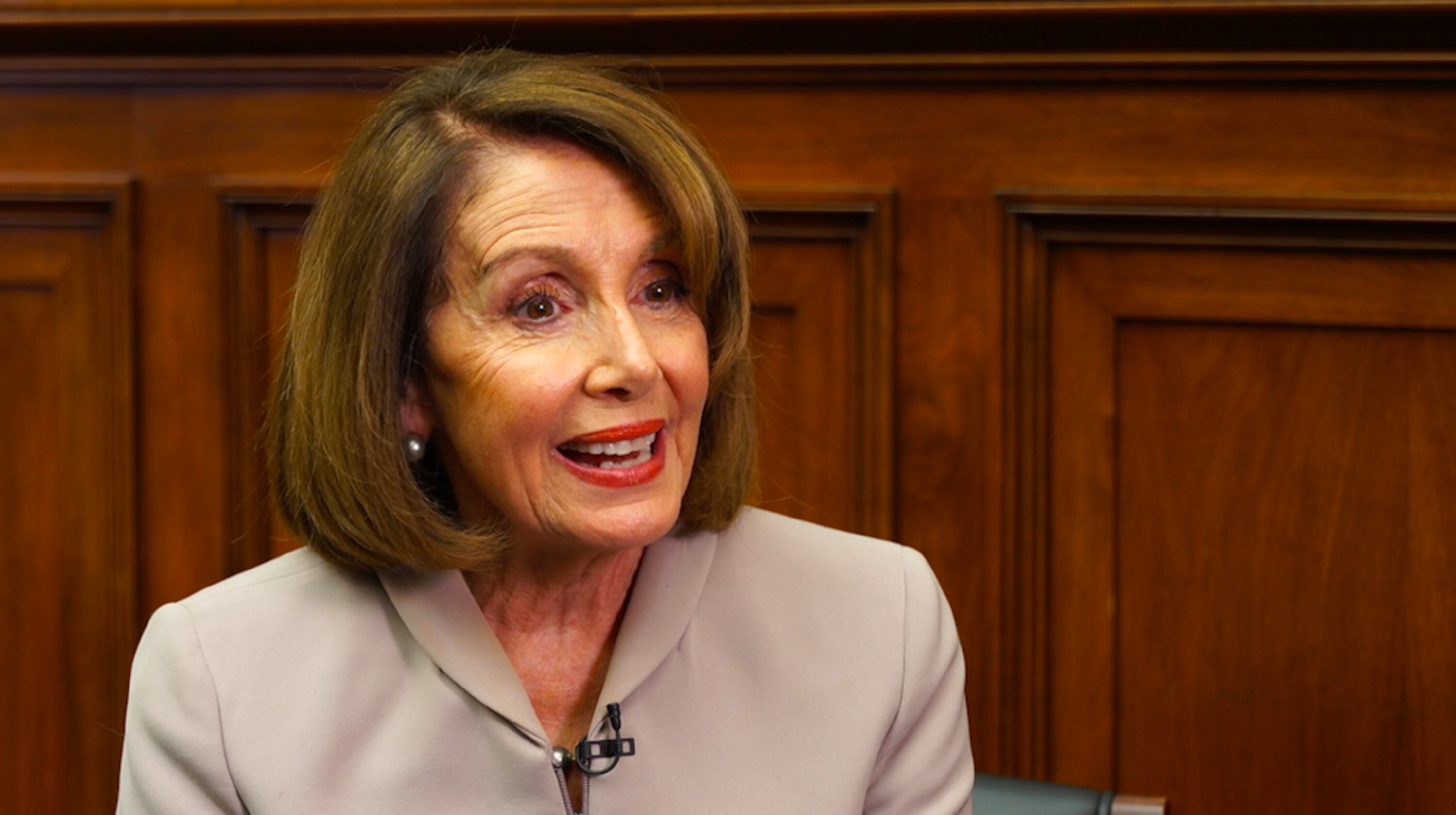
Young Americans face a double burden from crushing student debt and the ballooned federal deficit that is the result of President Trump's tax cut, House Speaker Nancy Pelosi told Cheddar's J.D. Durkin in an interview that aired Wednesday. Pelosi called the economic position many millennials find themselves in, even as the economy remains strong, "unconscionable." "Republicans foisted onto future generations [an] economy that is unfair, that is not really lending itself to growth in a strong, predictable, confident, certain way," Pelosi said.
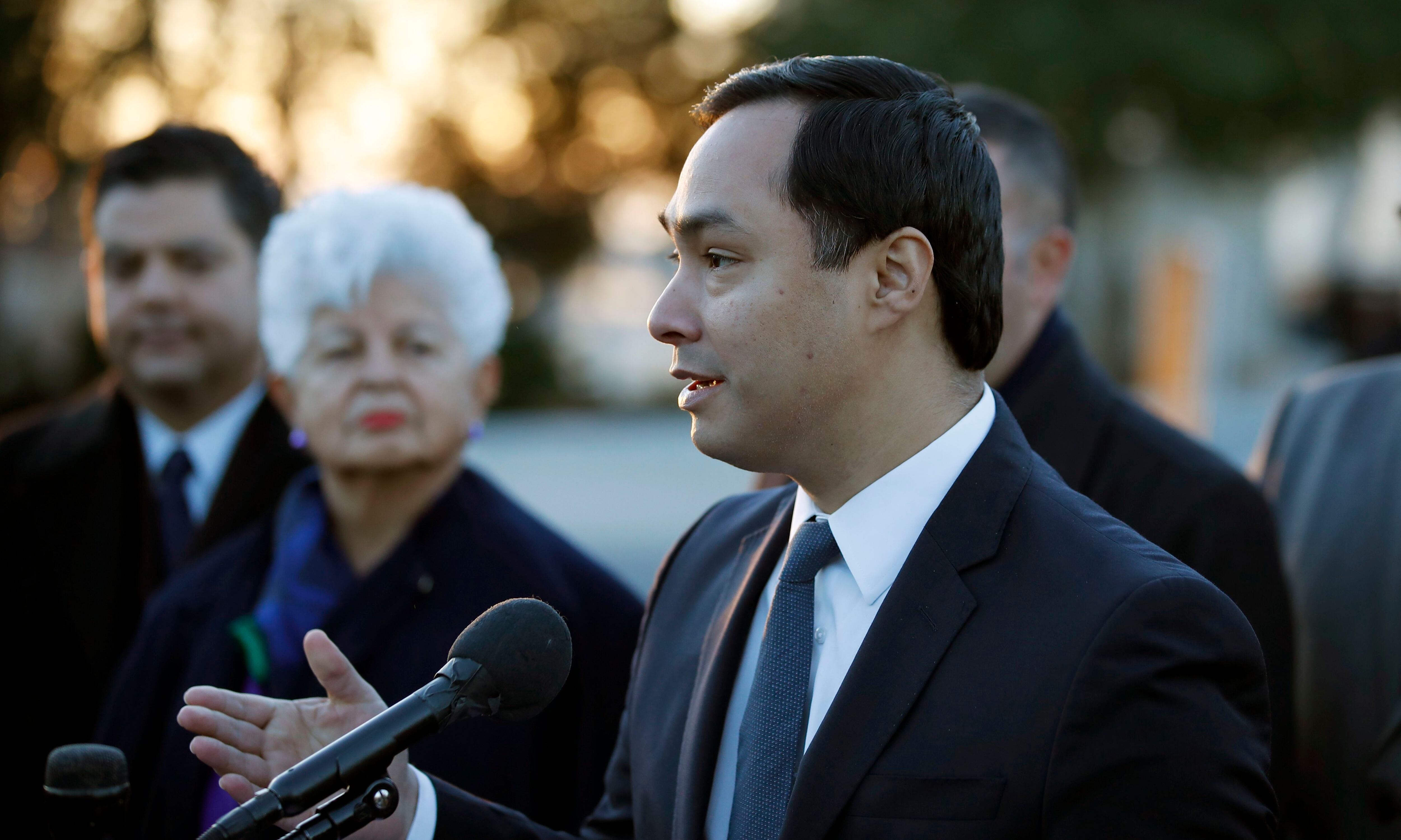
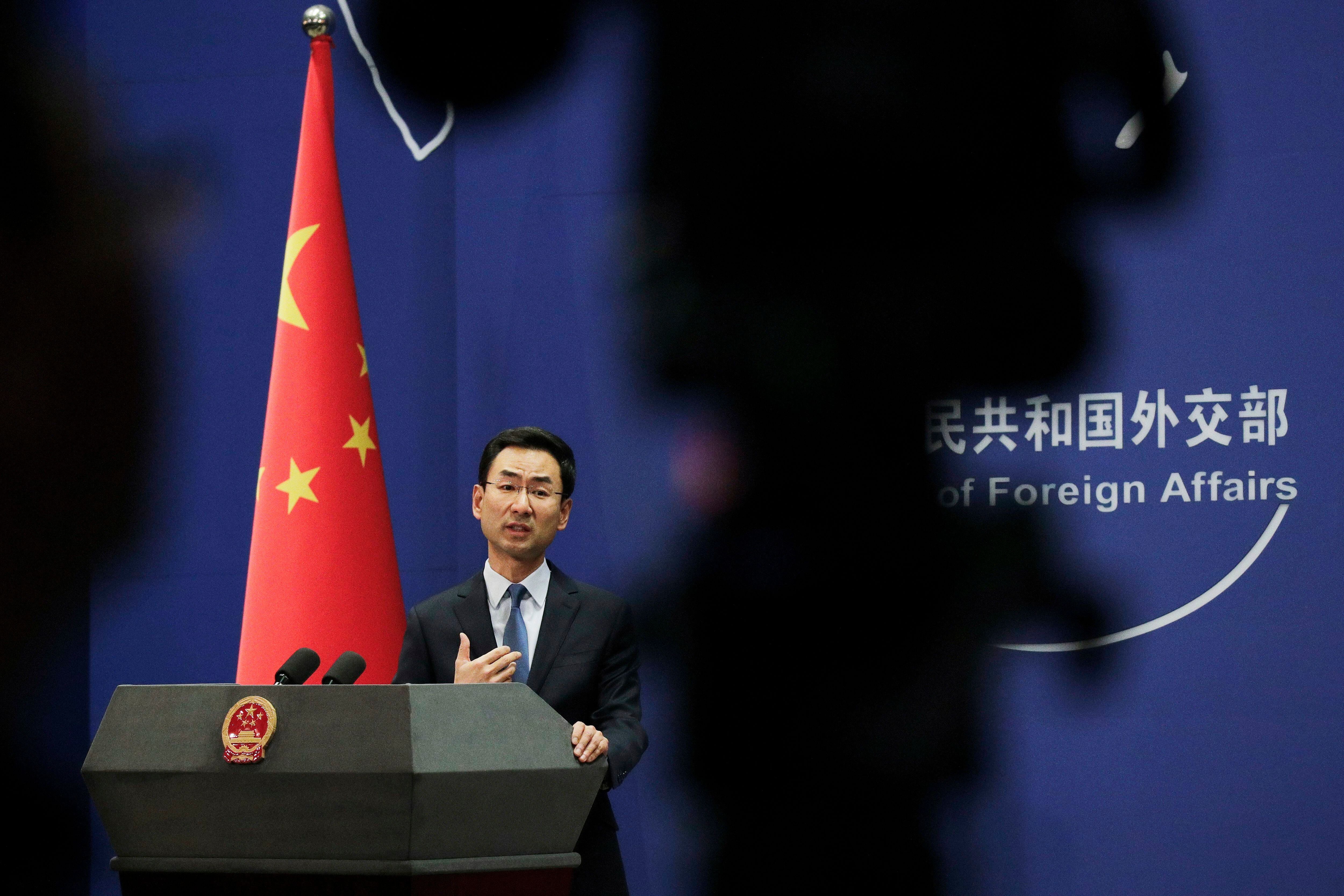
The newly appointed vice chairman of the House Foreign Affairs Committee, Rep. Joaquin Castro (D-Tex.), said he is "absolutely" concerned that Chinese telecommunication giant Huawei poses a threat to national security in an interview on Cheddar Tuesday.
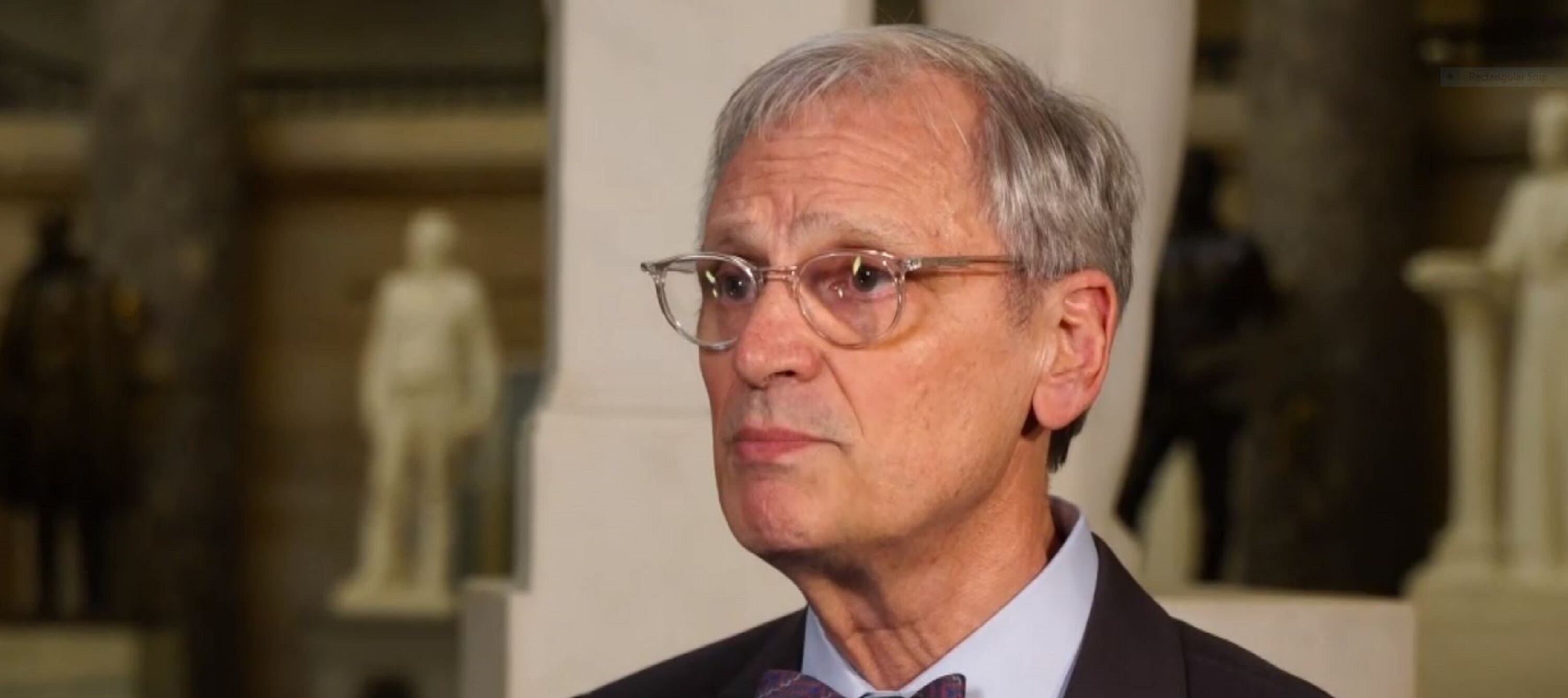
Democratic Rep. Earl Blumenauer of Oregon is pushing forward for marijuana reform, introducing the aptly named House Resolution 420 to regulate marijuana much like alcohol was regulated post-Prohibition. "Ultimately we're going to be moving in that direction, allowing the states to be able to set up a regulatory system that meets their needs ー have their own approach in terms of taxation and distribution, just like alcohol," Blumenauer told Cheddar Tuesday. "
The cannabis business is budding across the United States, and one company is hoping to take hemp mainstream. Socati just announced a new $33 million round of funding. The company's CEO Josh Epstein talked to Cheddar about how that investment will help Socati expand is business.
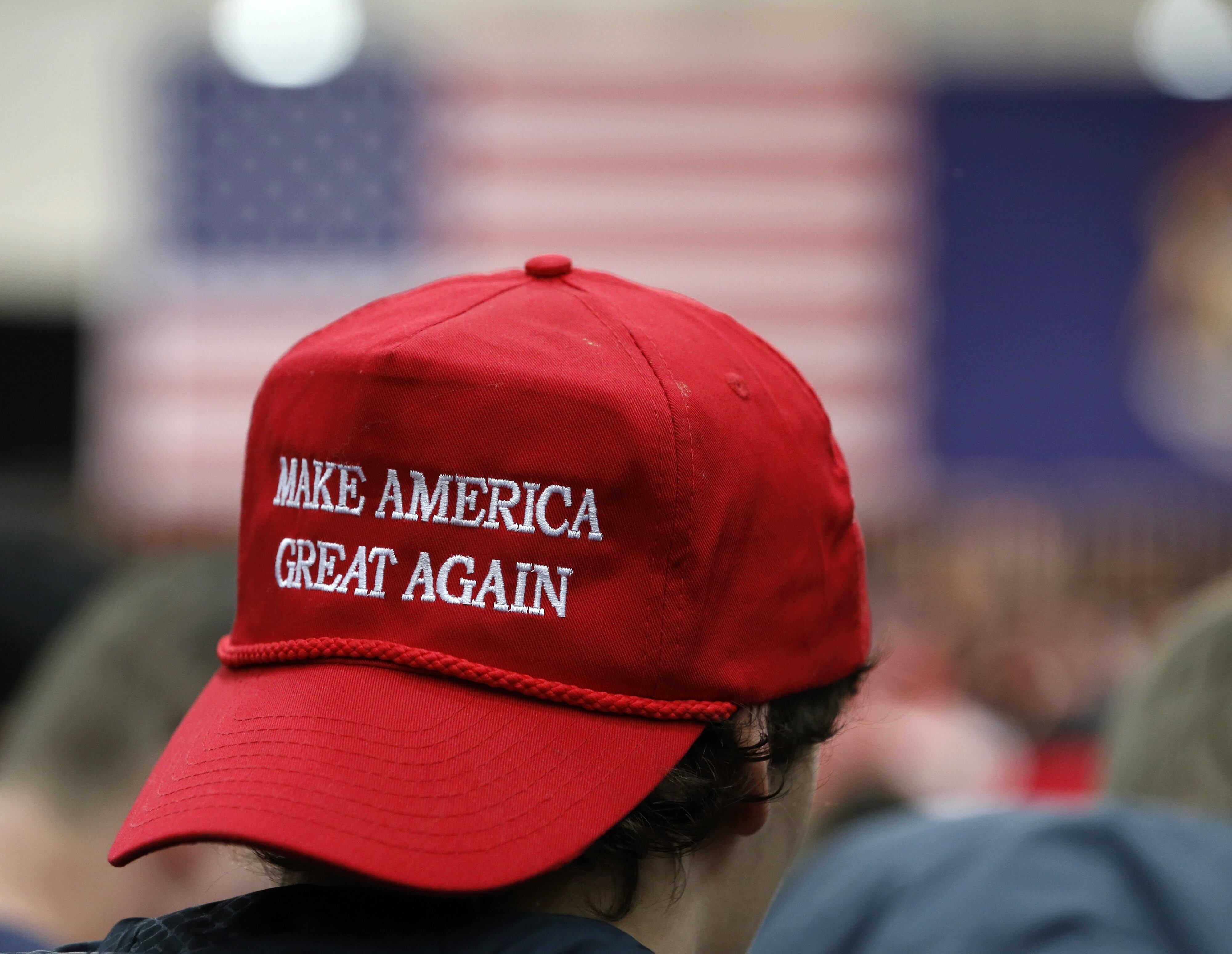
President Trump's "Make America Great Again" cap is more than just a hat, it's a "symbol of us vs. them," Washington Post fashion editor Robin Givhan told Cheddar. Givhan penned a column last week about what the hat has come to mean in the years since it burst on the scene as a campaign accessory for Trump's 2016 presidential bid. The hat, she wrote, has become "a symbol of us vs. them, of exclusion and suspicion, of garrulous narcissism, of white male privilege, of violence and hate."
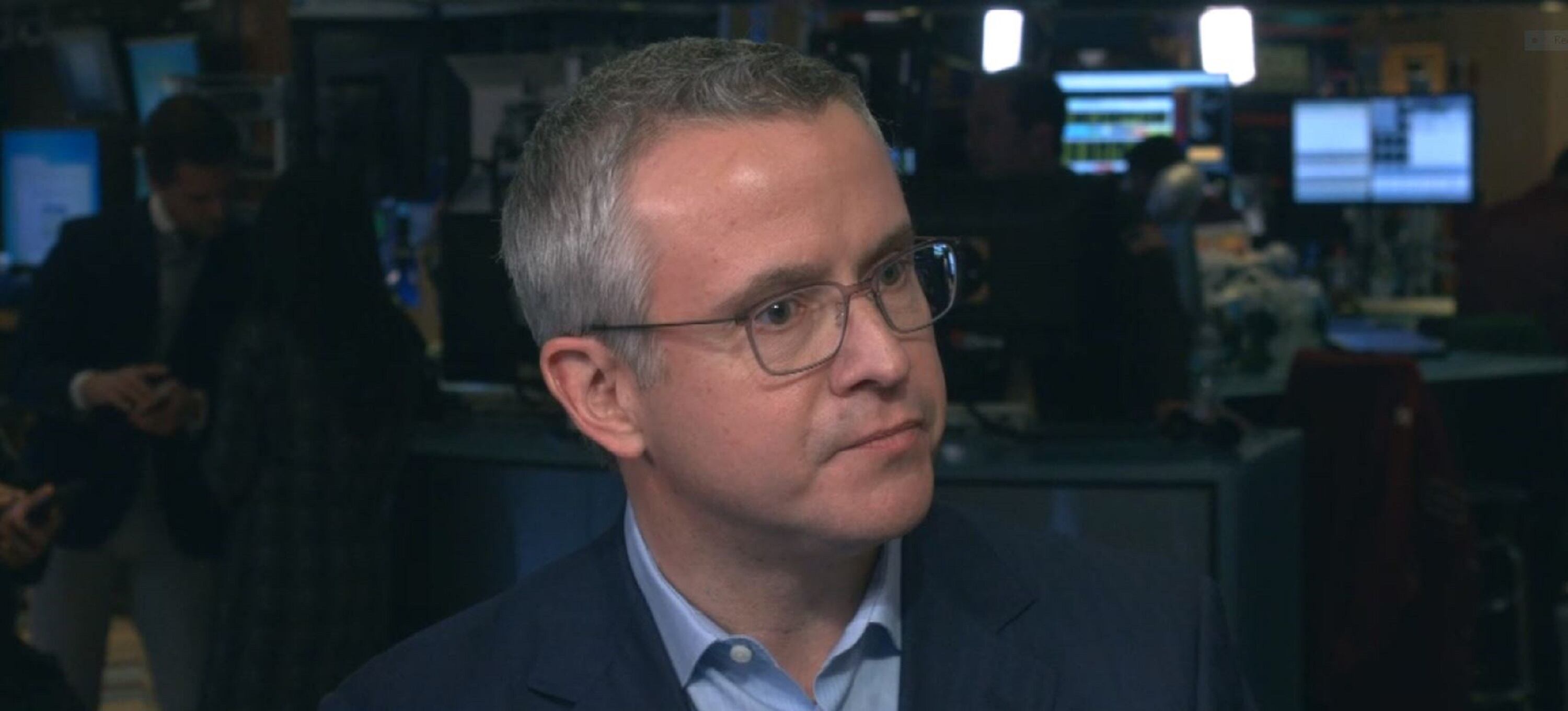
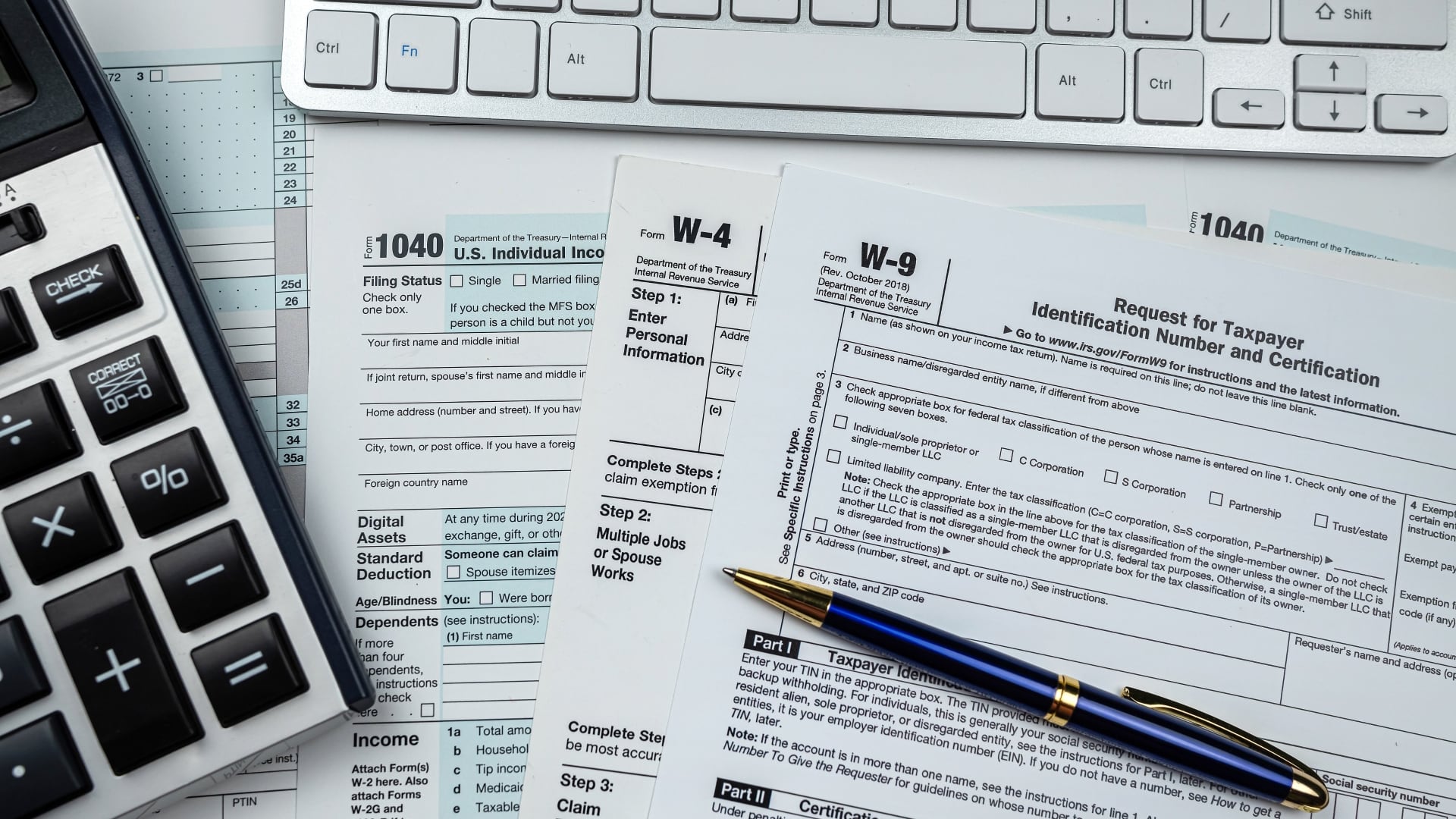
Between changes in the tax code and the government shutdown, H&R Block knows this year's tax season is likely to be stressful for many. That's why the company's introducing a slate of tools, some artificial intelligence-enabled, to help make it easier and more transparent to file. "This year we are introducing upfront, transparent pricing, so every single consumer will know what's it going to cost before I start," H&R Block CEO Jeff Jones told Cheddar.
These are the headlines you Need 2 Know for Tuesday, Jan. 29, 2019.
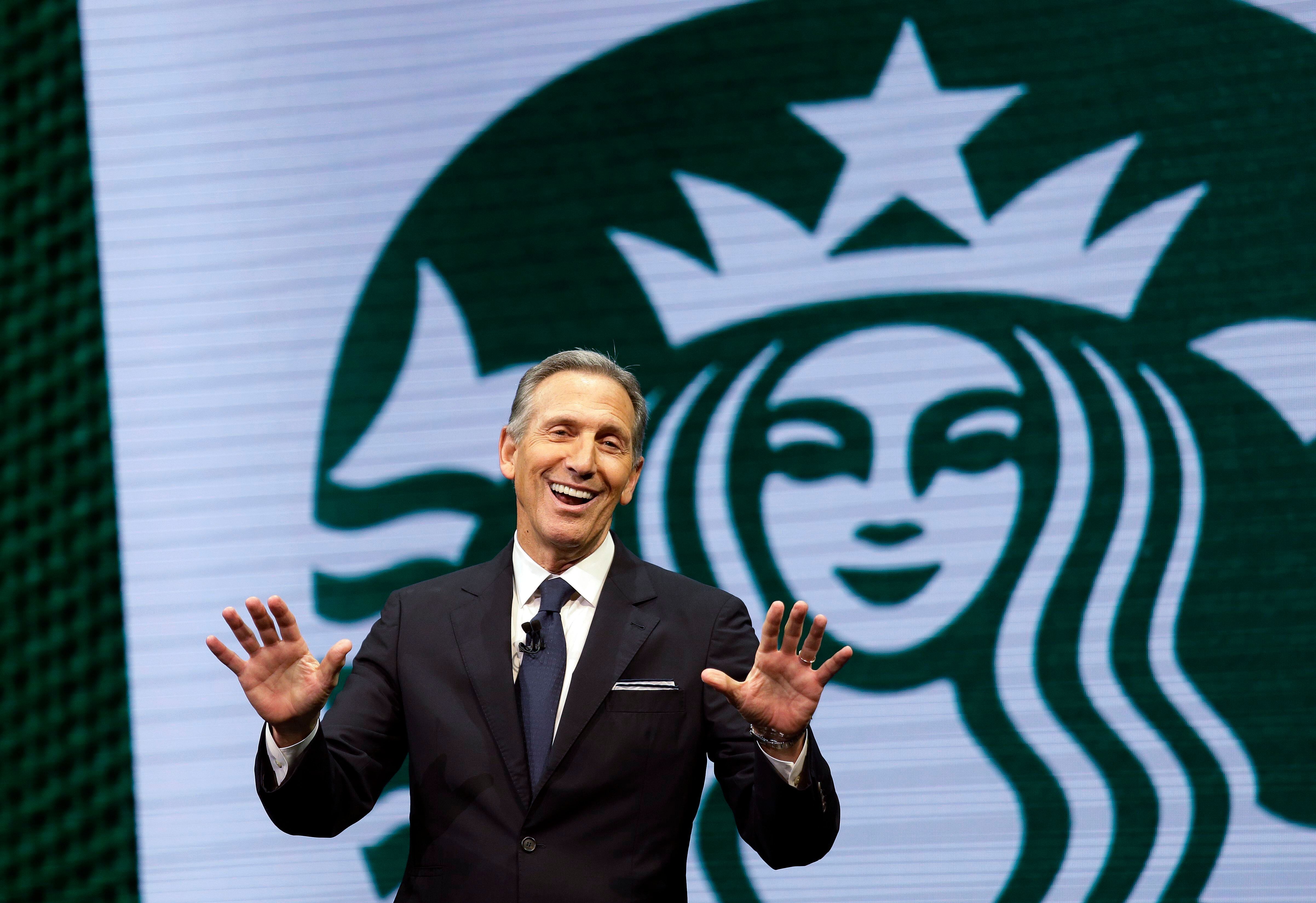
The battle of the billionaires may be heating up ahead of the 2020 presidential race, as former mayor and media mogul Michael Bloomberg took a swipe at ex-Starbucks CEO Howard Schultz after he announced a potential run for president as an independent during an interview on "60 Minutes" Sunday. The two billionaires are looking in part to capitalize on their corporate success to gain an edge against President Trump, who leveraged his business career to gain the presidency. "Anything is really possible at this point, and you don't want to ignore a white billionaire announcing a candidacy for president," Julia Manchester, reporter at The Hill, told Cheddar Monday. "We saw it happen in 2015 and \[Trump]\ won."
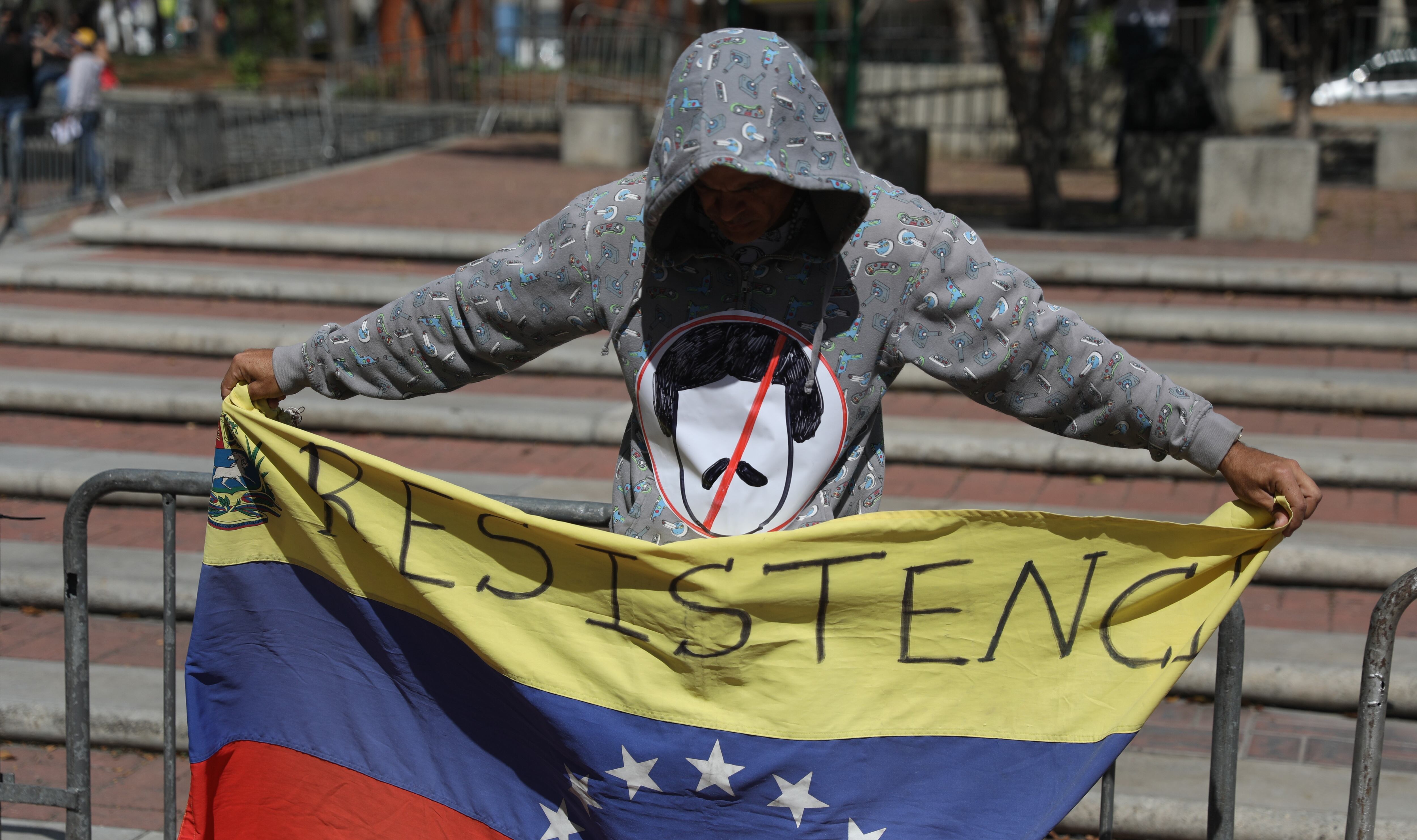
The U.S. Treasury on Monday announced sanctions against Venezuela's state-owned oil firm in an effort to undermine incumbent president Nicolás Maduro and reinforce support for interim president Juan Guaidó. Brett Bruen, a former diplomat and director of global engagement under President Obama, called the administration's decision a "rare bright spot" in Trump's foreign policy. "The Trump administration is holding firm to defend democracy, they are standing up for human rights, they are standing up for the rule of law," Bruen told Cheddar Monday.
Trump's political calculus to appeal to his base ー an older, whiter, more conservative demographic ー is coming at the expense of his popularity among millennials, said Kristen Soltis Anderson, a Republican pollster and author of "The Selfie Vote: Where Millennials Are Leading America." That poses a problem for the GOP as it seeks to broaden its tent in anticipation of a future when Donald Trump is not on the ballot.