Reporter’s Notebook From Florida: Farmers Suffer as News Cycle Turns
*By J.D. Durkin*
When I arrived in southern Florida two weeks ago to cover several days of campaign trail events, I had no way of guessing that a separate national storyline — about packages, postal codes, and pipe bombs — would unfold with the same aggressive timeline just miles away.
As news was breaking across the country about a flurry of pipe bombs directed at high-profile, Democratic targets, my colleague Sam Tadelman and I were meeting with specialty crop growers, off the grid on the edge of the Everglades. News of the suspicious packages felt a world away as I talked to farmers who had suffered under NAFTA because they couldn’t compete with Mexico. Sen. Marco Rubio and Rep. Carlos Curbelo, both local Republicans, were in attendance at a roundtable at S&L Beans, a three-generation farm in the town of Homestead. At its peak, the farm spanned 7,000 acres. Today, it’s only 2,000 acres.
The day of our visit was 85 degrees and sunny — sunburn territory for me. The story of the farmers in this community is an agonizing one; several who had inherited the farms from their fathers and grandfathers told me that they each encouraged their own sons to find other work. Sal Finocchiaro explained the heart-wrenching dilemma like this: “I told my son to go to college and get a different job. I love him, I want him here, but my advice was not to come here because there is no future ... We're gonna try as hard as possible to make it work, though.”
That son, Salvatore Finocchiaro, is currently working on the farm to continue the family legacy, against his father’s wishes.
This is a community in tremendous economic pain: The open markets and opportunities afforded to Mexico in the NAFTA era steadily put farmers like Sal Finocchiaro out of business in this region of pristine farmland between Miami and the Florida Keys. The Trump Administration, at least so far, has not helped matters much here either; the recently-negotiated NAFTA replacement, known as USMCA, did not include provisions for these farmers.
Kern Carpenter, a tomato farmer in Homestead, put it in bleak terms: “We got left out of the NAFTA renegotiation ... they totally left southern Florida out. Fruits and vegetable growers were ignored, thrown under the bus.”
In my remaining days in Florida, I remembered those conversations even as the quieter voices of Florida’s farmers were drowned out by news of a frantic search for a would-be pipe bomber with vendettas against prominent Democratic leaders and Trump critics.
As fate would have it, the coming day and a half would render South Florida of all places as ground zero for the investigation and the pipe bomb story dominated our time on the ground. By Friday afternoon, Sam and I found ourselves — somehow, impossibly — standing in the very AutoZone parking lot in the sleepy community of Plantation, Fla. where suspect Cesar Sayoc has been arrested just hours before, [interviewing the sole eyewitness to the dramatic takedown](https://cheddar.com/videos/bombing-suspect-charged-but-national-nerves-remain-frayed).
Stories like the would-be pipe bomber dominate the national psyche so intensely at such a moment in time that all other narratives just seem to blur. With the news cycle turning at such a frantic pace, I thought: What chance does the story of the farmers in Homestead have of breaking through? Meeting Sal Finocchiaro and his boy reminded me that their struggle also needs attention if we are going to help them and the next generation of Florida’s farmers to survive.
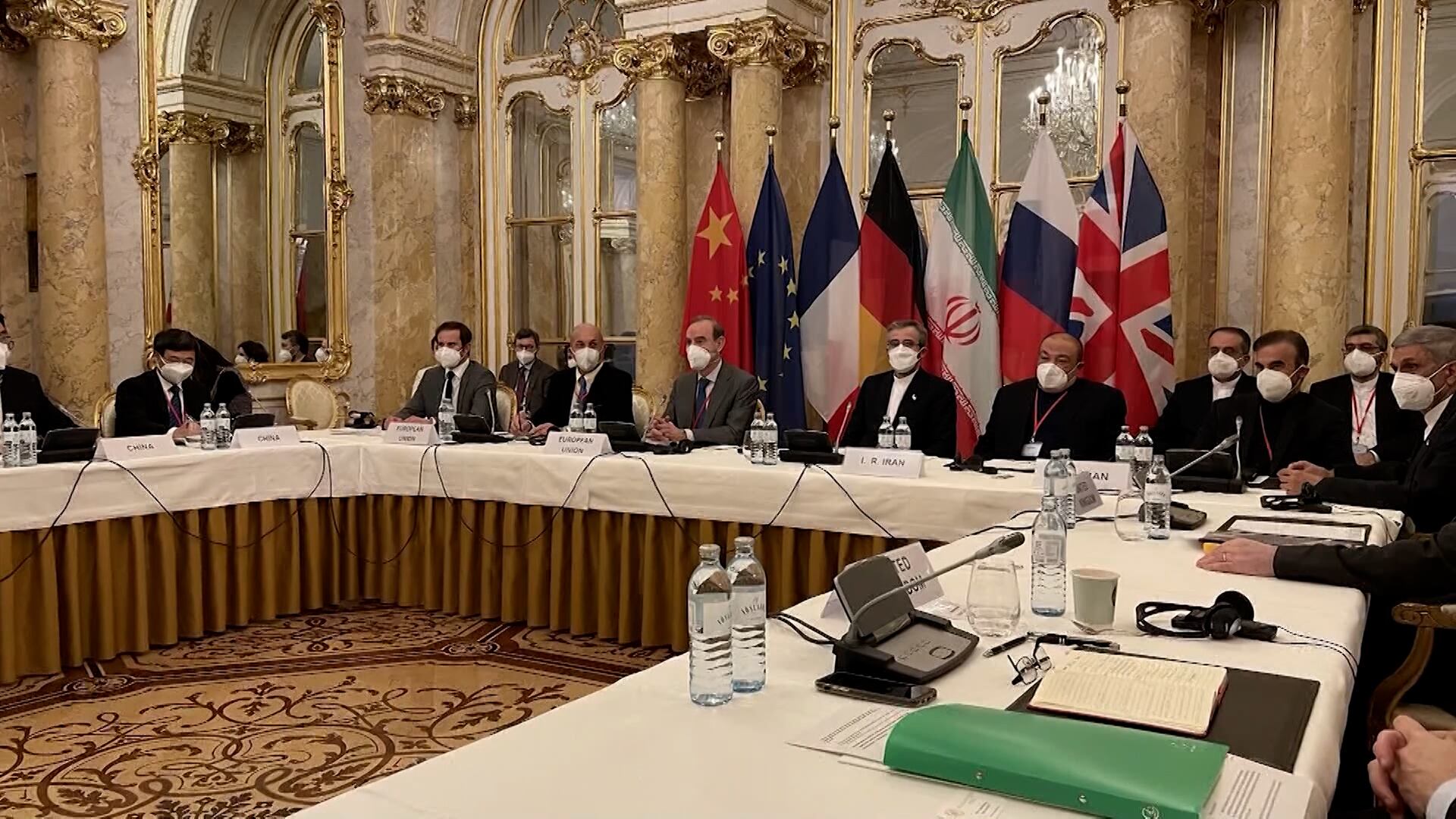
The U.S. is back in negotiations for a nuclear deal with Iran, years after former President Donald Trump withdrew the country from the Joint Comprehensive Plan of Action (JCPOA), which had been meant to curtail the Middle Eastern nation's nuclear ambitions. Former State Department senior advisor to the George W. Bush and Trump administrations, Christian Whiton, joined Cheddar News Wrap to discuss. “It appears to be very similar to the original JCPOA, which does put some constraints on Iran's nuclear program, but also has sunset provisions, including some that in the original plan were expected to take effect in 2025," he said. "And so, if we just reenter that plan, really it just buys perhaps a few years of slowing down, stopping, whatever you want to say, Iran's nuclear program."
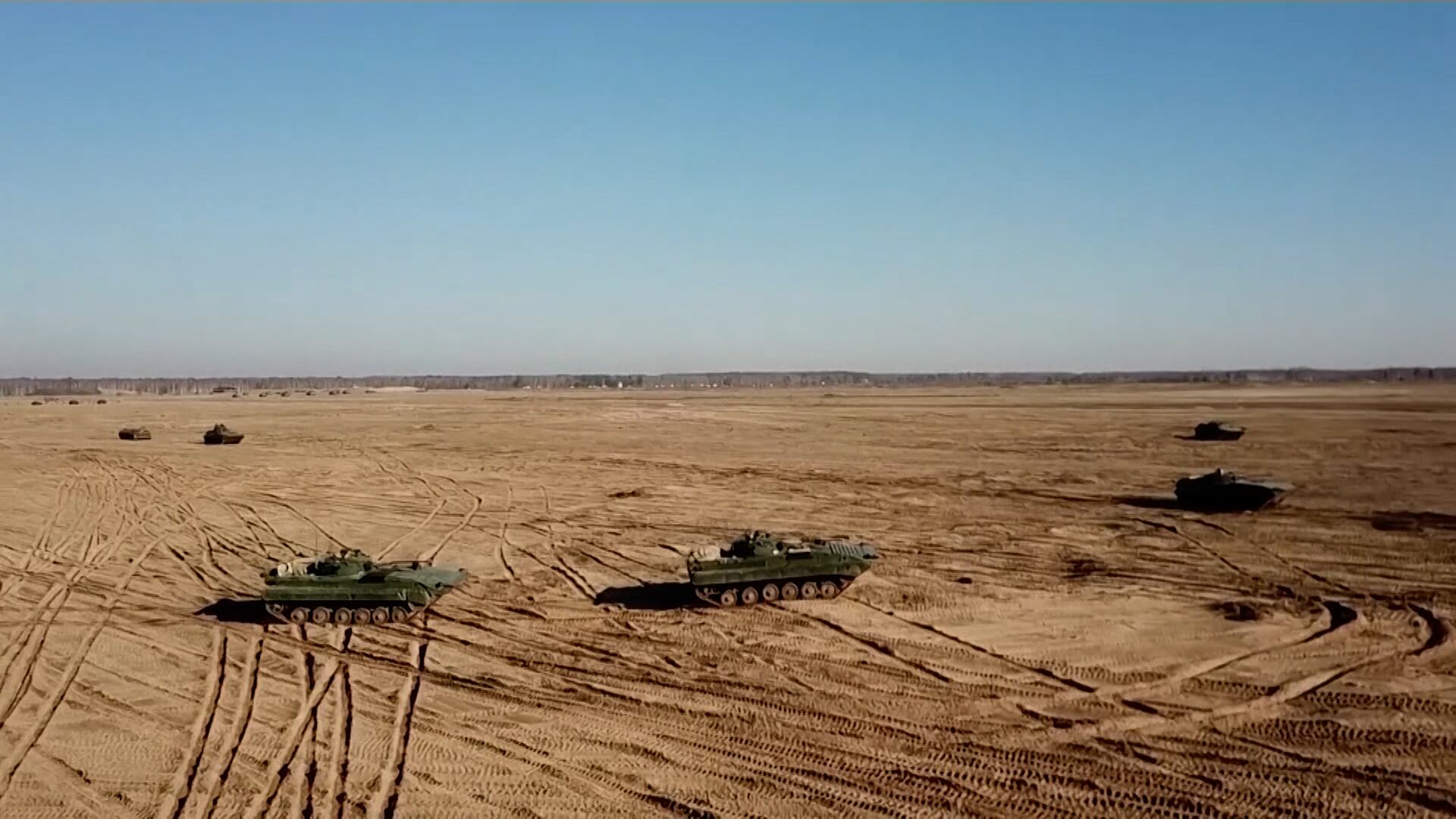
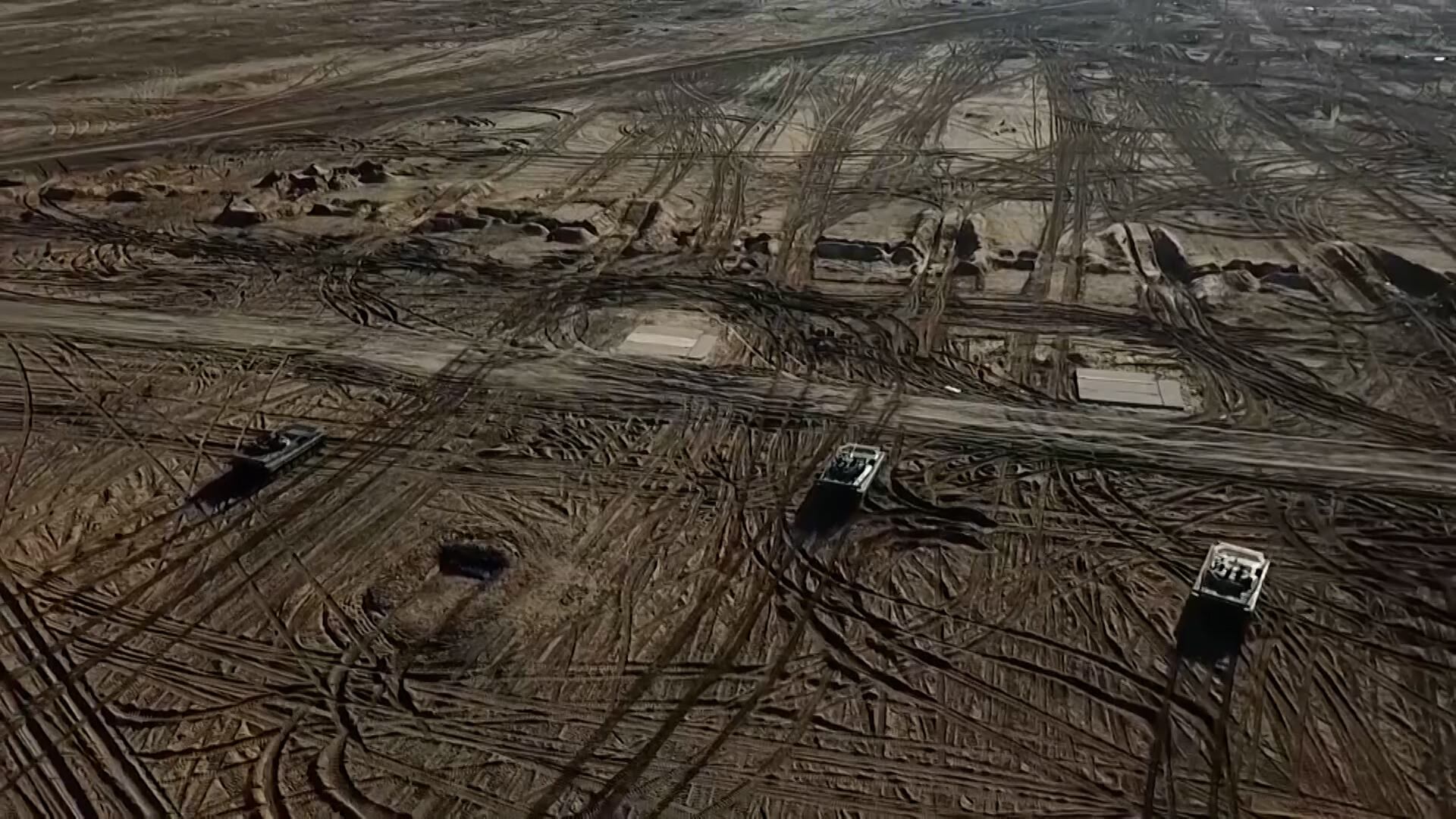
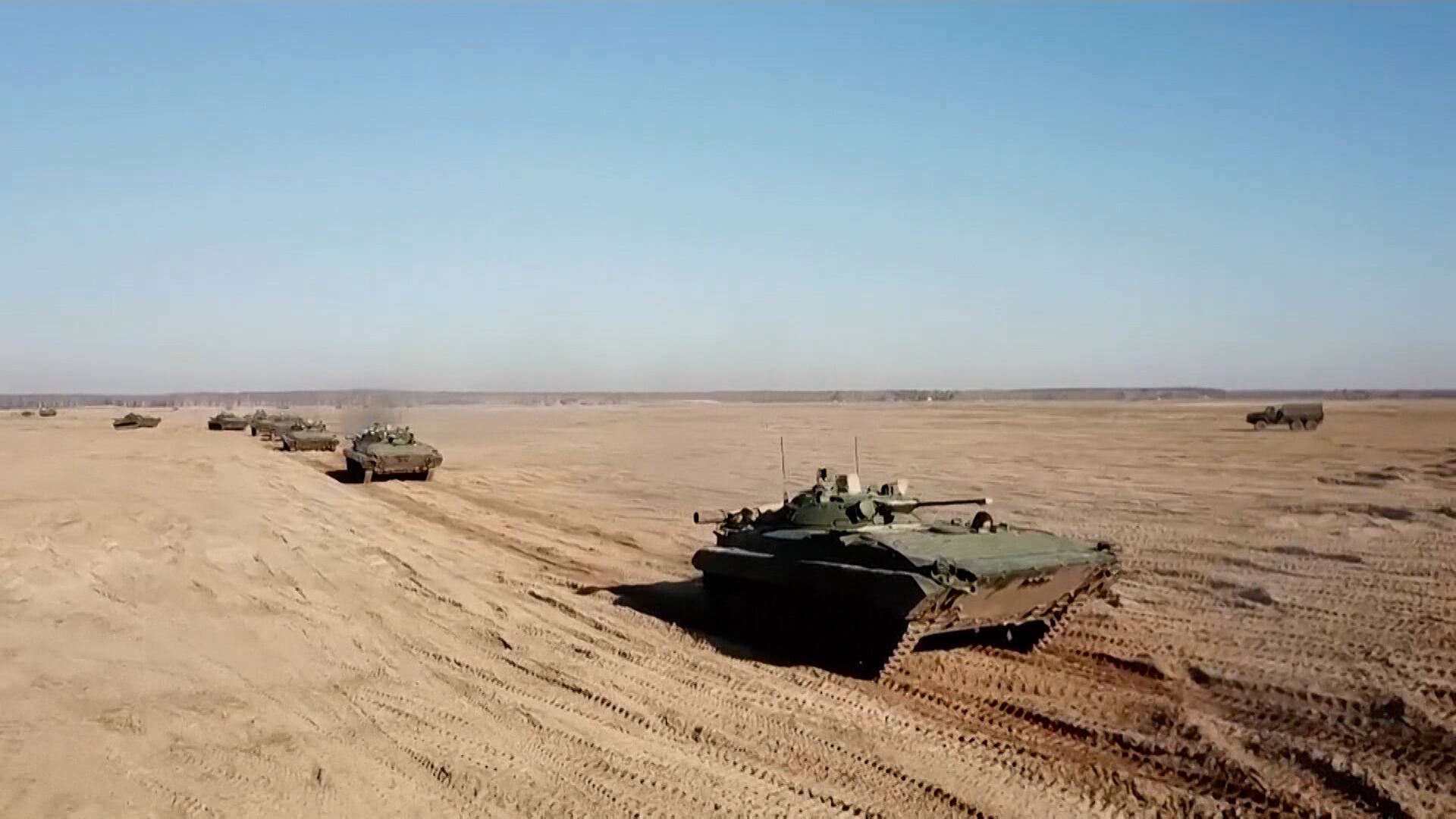
The U.S. has announced the first of what could be multiple levels of sanctions against Russia after Moscow recognized two regions of Ukraine as independent. This comes as Britain imposes sanctions on five Russian banks and two oligarchs, and Germany freezes the Nord Stream gas pipeline. Terrell Star, a foreign affairs reporter at The Atlantic Council, joins from Kyiv to discuss.
Growing tensions in Ukraine might soon be impacting consumers in the United States. With Russia on an invasion footing in the region, gas prices are predicted to go up 10 to 15 cents a gallon in the next coming weeks, according to Robert Sinclair, spokesperson for AAA. Sinclair joined Cheddar to break down what could happen even further. "We've been seeing prices go up, and there's been nothing that's happened to affect supplies," he said. "But it's something known as the fear tax where just the talk of something that might interfere with supplies leads to prices going up speculatively."
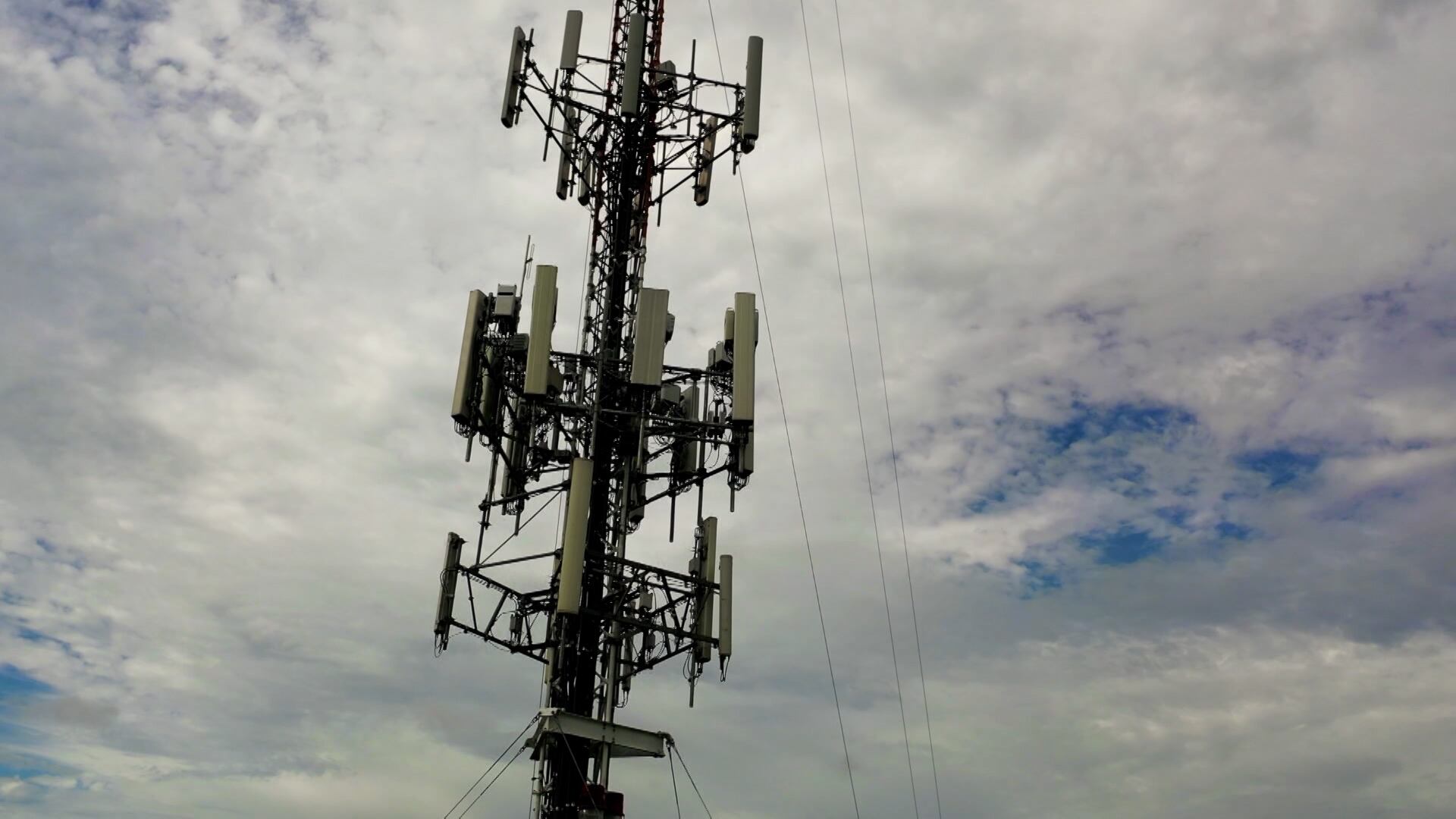
The end of 3G is upon us. On Tuesday, AT&T became the first major provider to disable its 3G services, and T-Mobile and Verizon plan to follow suit later this year. The shutdowns are expected to impact millions of vehicles that use 3G networks for updates, remote connection, and certain emergency and convenience features. Lance Ulanoff, the U.S. Editor-in-Chief of TechRadar, joined Cheddar's Closing Bell to discuss the ramifications of the changeover.
A new report shows nearly 240 former officials in Congress, the White House, and regulatory agencies have changed careers to work in the crypto industry.
President Biden unveiled new economic sanctions on Russia for what he called "the beginning of a Russian invasion". This came one day after Putin sent troops into two breakaway regions of eastern Ukraine. Alex Ward, national security reporter for POLITICO, explains what these sanctions might do to the global economy.
U.S. stocks ended today's session sharply lower on the heels of rising geopolitical tensions between Russia and Ukraine. Melissa Brown, Managing Director of Applied Research at Qontigo, joins Cheddar News' Closing Bell to discuss.
President Joe Biden said Tuesday that the U.S. will begin to impose sanctions on Russia, calling recent troop movement into Ukraine an 'invasion.' Biden and other government officials including from the State Department have begun to classify the Russian troop movement as an invasion after Russian President Vladimir Putin ordered troops to two independent Ukrainian areas in an alleged "peacekeeping" mission — which the West considers an act of aggression. Biden said Russia will continue to pay 'an even steeper price' if it continues sending troops into Ukraine. What happens next? Will Putin find a way around these sanctions? Ariel Cohen, senior fellow at the Atlantic Council, joins Closing Bell to discuss Biden's remarks, how the West will protect Ukraine since it doesn't belong to NATO, and more.