Reporter’s Notebook From Florida: Farmers Suffer as News Cycle Turns
*By J.D. Durkin*
When I arrived in southern Florida two weeks ago to cover several days of campaign trail events, I had no way of guessing that a separate national storyline — about packages, postal codes, and pipe bombs — would unfold with the same aggressive timeline just miles away.
As news was breaking across the country about a flurry of pipe bombs directed at high-profile, Democratic targets, my colleague Sam Tadelman and I were meeting with specialty crop growers, off the grid on the edge of the Everglades. News of the suspicious packages felt a world away as I talked to farmers who had suffered under NAFTA because they couldn’t compete with Mexico. Sen. Marco Rubio and Rep. Carlos Curbelo, both local Republicans, were in attendance at a roundtable at S&L Beans, a three-generation farm in the town of Homestead. At its peak, the farm spanned 7,000 acres. Today, it’s only 2,000 acres.
The day of our visit was 85 degrees and sunny — sunburn territory for me. The story of the farmers in this community is an agonizing one; several who had inherited the farms from their fathers and grandfathers told me that they each encouraged their own sons to find other work. Sal Finocchiaro explained the heart-wrenching dilemma like this: “I told my son to go to college and get a different job. I love him, I want him here, but my advice was not to come here because there is no future ... We're gonna try as hard as possible to make it work, though.”
That son, Salvatore Finocchiaro, is currently working on the farm to continue the family legacy, against his father’s wishes.
This is a community in tremendous economic pain: The open markets and opportunities afforded to Mexico in the NAFTA era steadily put farmers like Sal Finocchiaro out of business in this region of pristine farmland between Miami and the Florida Keys. The Trump Administration, at least so far, has not helped matters much here either; the recently-negotiated NAFTA replacement, known as USMCA, did not include provisions for these farmers.
Kern Carpenter, a tomato farmer in Homestead, put it in bleak terms: “We got left out of the NAFTA renegotiation ... they totally left southern Florida out. Fruits and vegetable growers were ignored, thrown under the bus.”
In my remaining days in Florida, I remembered those conversations even as the quieter voices of Florida’s farmers were drowned out by news of a frantic search for a would-be pipe bomber with vendettas against prominent Democratic leaders and Trump critics.
As fate would have it, the coming day and a half would render South Florida of all places as ground zero for the investigation and the pipe bomb story dominated our time on the ground. By Friday afternoon, Sam and I found ourselves — somehow, impossibly — standing in the very AutoZone parking lot in the sleepy community of Plantation, Fla. where suspect Cesar Sayoc has been arrested just hours before, [interviewing the sole eyewitness to the dramatic takedown](https://cheddar.com/videos/bombing-suspect-charged-but-national-nerves-remain-frayed).
Stories like the would-be pipe bomber dominate the national psyche so intensely at such a moment in time that all other narratives just seem to blur. With the news cycle turning at such a frantic pace, I thought: What chance does the story of the farmers in Homestead have of breaking through? Meeting Sal Finocchiaro and his boy reminded me that their struggle also needs attention if we are going to help them and the next generation of Florida’s farmers to survive.
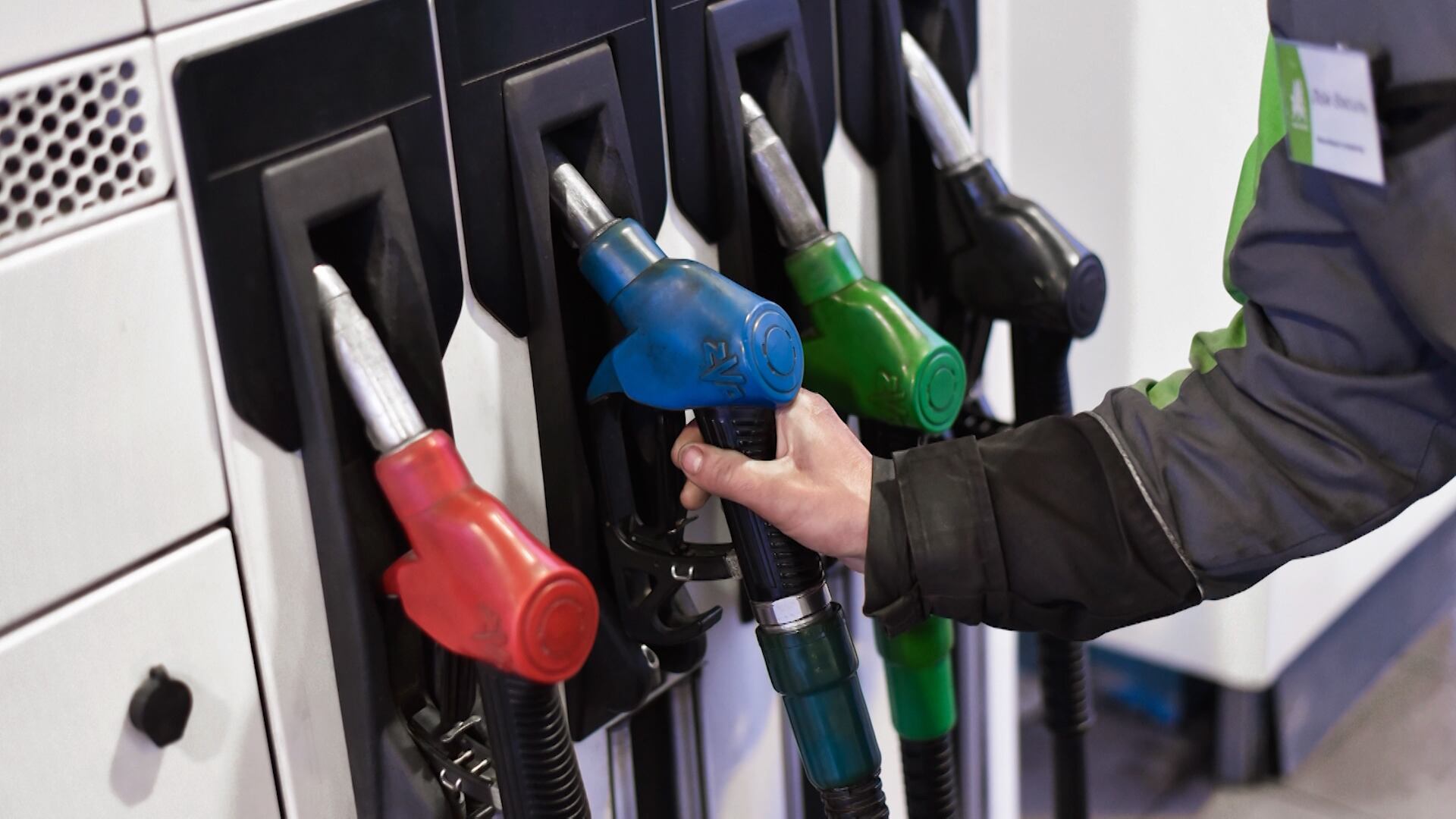
Prices at the pump have escalated severely during the Russian invasion of Ukraine. Paul Christopher, head of global market strategy, Wells Fargo Investment Institute, joined Cheddar News to explain how he sees the gas prices continuing to spiral despite the International Energy Agency announcing the release of 60 million barrels of oil from the strategic reserves of 31 countries. "We think you could see oil and gas prices continue to rise. Oil prices maybe could hit $140 a barrel. That's possible. And that would add another 50-60 cents on top of the gasoline prices you already have," he said.
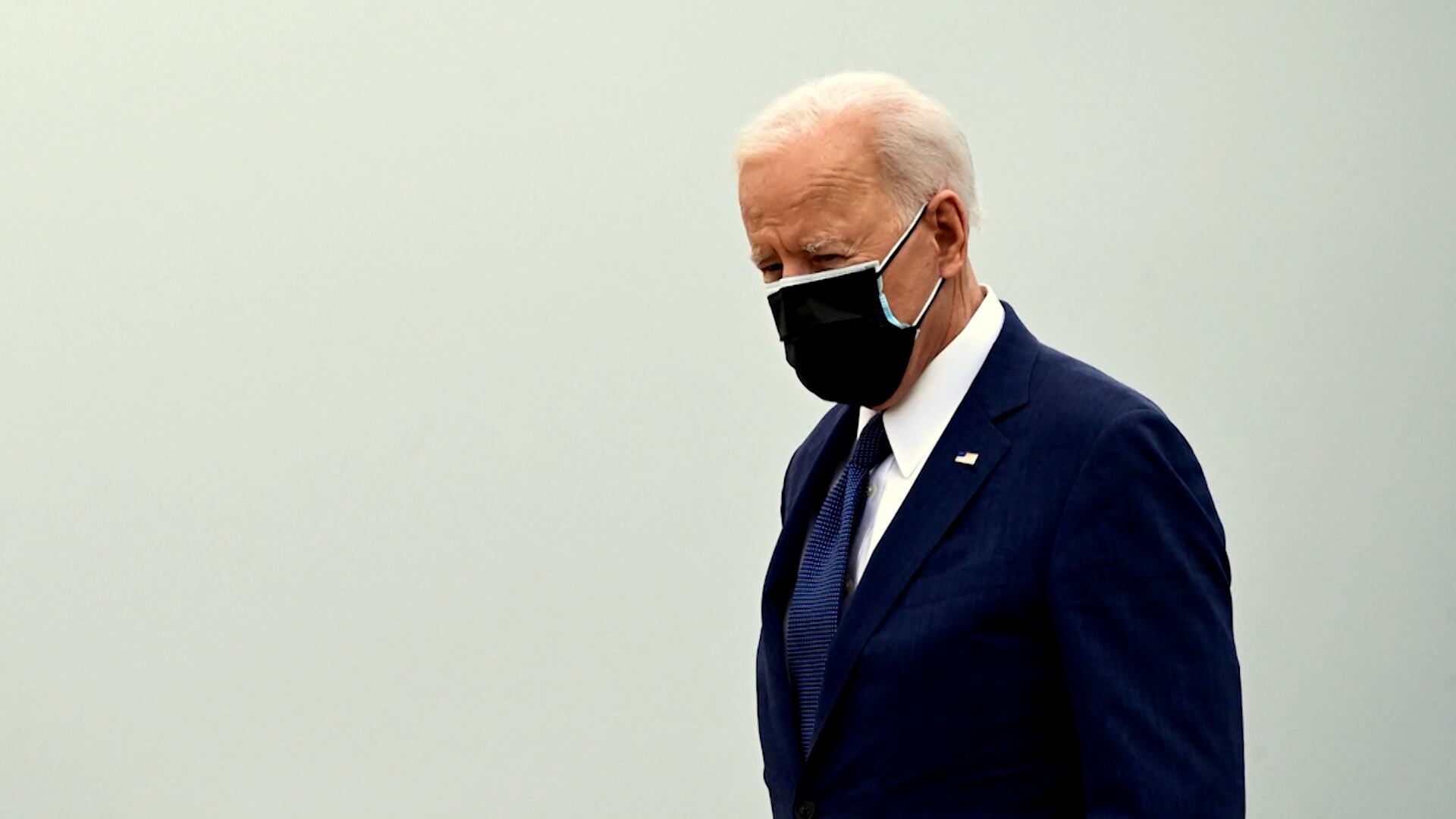
President Joe Biden is set to give his first State of the Union address amid both international and domestic crises: the Russia-Ukraine conflict and continued rising inflation and economic worries at home. He's expected to focus on a four-point plan to reduce everyday costs, and promote economic competition, among other key tenets. But will it be enough to persuade Americans that his administration will be able to get rising prices and foreign policy moves under control? Eugene Scott, national politics reporter at The Washington Post, joins Closing Bell to discuss Biden's expected focus, how he will aim to ease Americans' concerns, and more.
Dr. Daniel Bober, psychiatrist and certified addiction medicine physician, joins Cheddar News to offer tips on how parents and guardians can talk to their children about what's happening in Ukraine.
While crypto exchanges have been used to aid Ukraine amid the Russian invasion, critics point to possible sanction evasion on the Russian side using the same technology. Cheddar's Alex Vuocolo takes a closer look.
Airbnb.org has announced that it will provide up to 100,000 Ukrainian refugees with free housing. Airbnb.org is the philanthropic branch of Airbnb that provides free housing for those affected by disasters. Joe Gebbia, co-founder and chairman of Airbnb.org, joined Cheddar News to talk about how the company has helped thousands find shelter in times of crisis. "A lot of people are saying this conflict is likely to be the largest humanitarian crisis since World War II, and I believe Airbnb believes that companies have a responsibility to step up and to help out in times like these," he said.
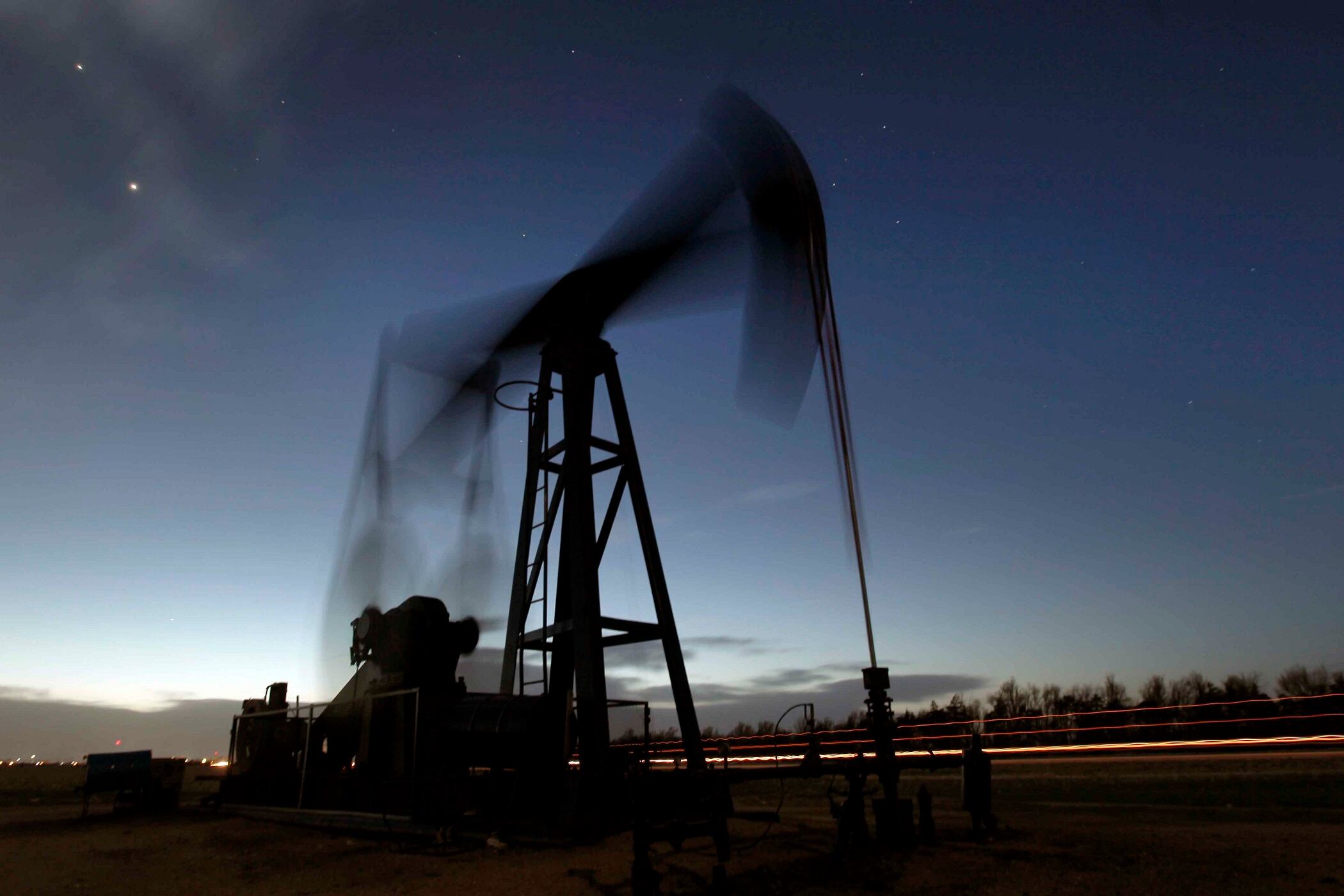
The International Energy Agency’s 31 member countries have agreed to release 60 million barrels of oil from their strategic reserves “to send a strong message to oil markets” that supplies won’t fall short after the Russian invasion of Ukraine.
Every ten years, there’s a census. That decennial count is long and tedious and arduous…and important. Because it confirms who lives where so the Federal Government properly allocates resources, so services go to the places that need them most and - yes - so states gain or lose seats in congress and have the opportunity to redraw all their state and Congressional lines.
That means, every 10 years, states start what has famously been one of the most partisan and divisive processes in politics. Because one strategic line can mean the difference in party control in not just the state legislatures but also in congress.
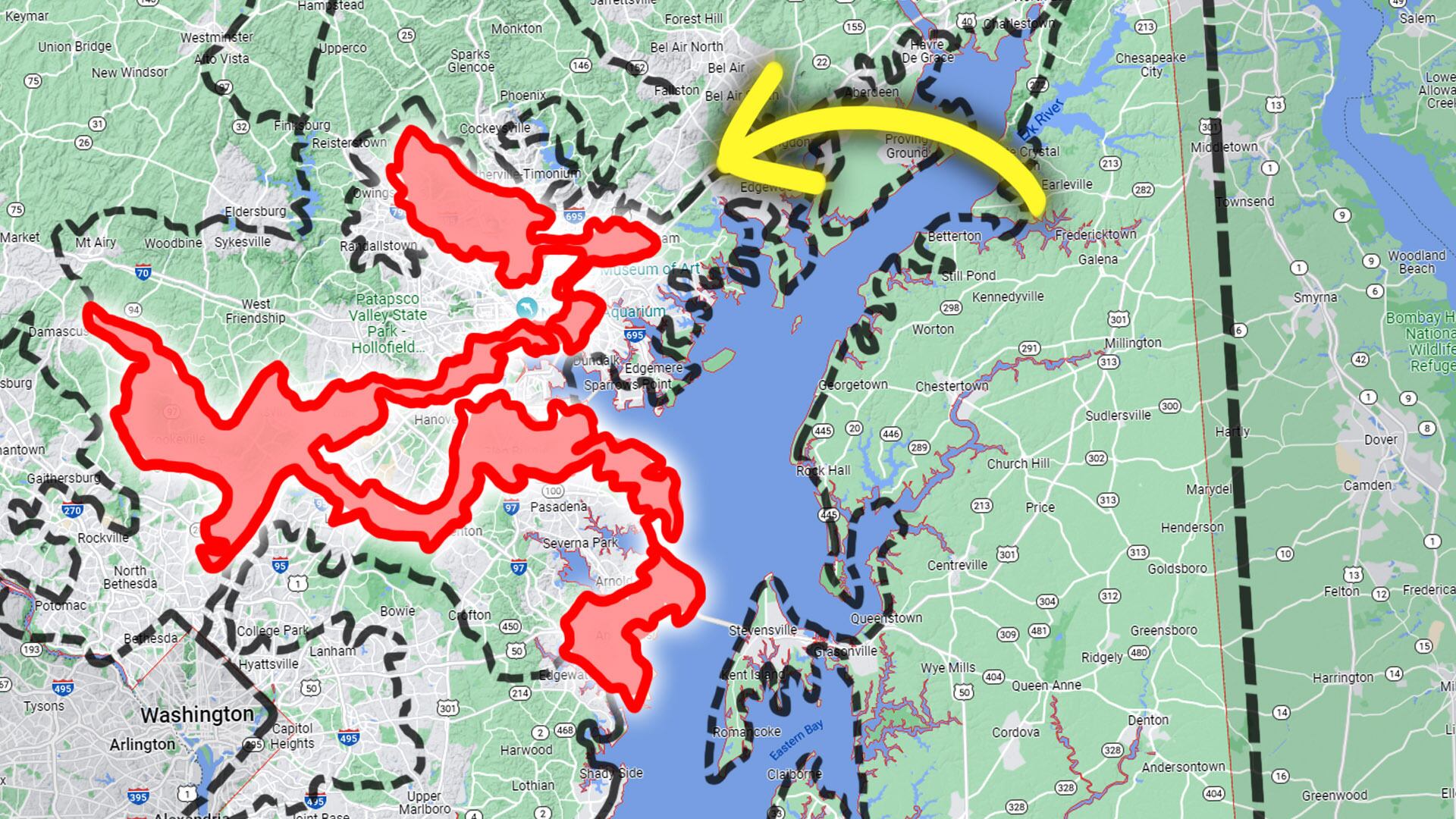
Cheddar explains how gerrymandering works and why it exists.
The COVID-19 pandemic disrupted blood donations leading to severe shortages throughout the country. Chloe Aiello reports on the desperate need for new donors.
Russian forces escalated their attacks on populated urban areas Tuesday, bombarding the central square in Ukraine’s second-largest city and Kyiv’s main TV tower.