Reporter’s Notebook From Florida: Farmers Suffer as News Cycle Turns
*By J.D. Durkin*
When I arrived in southern Florida two weeks ago to cover several days of campaign trail events, I had no way of guessing that a separate national storyline — about packages, postal codes, and pipe bombs — would unfold with the same aggressive timeline just miles away.
As news was breaking across the country about a flurry of pipe bombs directed at high-profile, Democratic targets, my colleague Sam Tadelman and I were meeting with specialty crop growers, off the grid on the edge of the Everglades. News of the suspicious packages felt a world away as I talked to farmers who had suffered under NAFTA because they couldn’t compete with Mexico. Sen. Marco Rubio and Rep. Carlos Curbelo, both local Republicans, were in attendance at a roundtable at S&L Beans, a three-generation farm in the town of Homestead. At its peak, the farm spanned 7,000 acres. Today, it’s only 2,000 acres.
The day of our visit was 85 degrees and sunny — sunburn territory for me. The story of the farmers in this community is an agonizing one; several who had inherited the farms from their fathers and grandfathers told me that they each encouraged their own sons to find other work. Sal Finocchiaro explained the heart-wrenching dilemma like this: “I told my son to go to college and get a different job. I love him, I want him here, but my advice was not to come here because there is no future ... We're gonna try as hard as possible to make it work, though.”
That son, Salvatore Finocchiaro, is currently working on the farm to continue the family legacy, against his father’s wishes.
This is a community in tremendous economic pain: The open markets and opportunities afforded to Mexico in the NAFTA era steadily put farmers like Sal Finocchiaro out of business in this region of pristine farmland between Miami and the Florida Keys. The Trump Administration, at least so far, has not helped matters much here either; the recently-negotiated NAFTA replacement, known as USMCA, did not include provisions for these farmers.
Kern Carpenter, a tomato farmer in Homestead, put it in bleak terms: “We got left out of the NAFTA renegotiation ... they totally left southern Florida out. Fruits and vegetable growers were ignored, thrown under the bus.”
In my remaining days in Florida, I remembered those conversations even as the quieter voices of Florida’s farmers were drowned out by news of a frantic search for a would-be pipe bomber with vendettas against prominent Democratic leaders and Trump critics.
As fate would have it, the coming day and a half would render South Florida of all places as ground zero for the investigation and the pipe bomb story dominated our time on the ground. By Friday afternoon, Sam and I found ourselves — somehow, impossibly — standing in the very AutoZone parking lot in the sleepy community of Plantation, Fla. where suspect Cesar Sayoc has been arrested just hours before, [interviewing the sole eyewitness to the dramatic takedown](https://cheddar.com/videos/bombing-suspect-charged-but-national-nerves-remain-frayed).
Stories like the would-be pipe bomber dominate the national psyche so intensely at such a moment in time that all other narratives just seem to blur. With the news cycle turning at such a frantic pace, I thought: What chance does the story of the farmers in Homestead have of breaking through? Meeting Sal Finocchiaro and his boy reminded me that their struggle also needs attention if we are going to help them and the next generation of Florida’s farmers to survive.
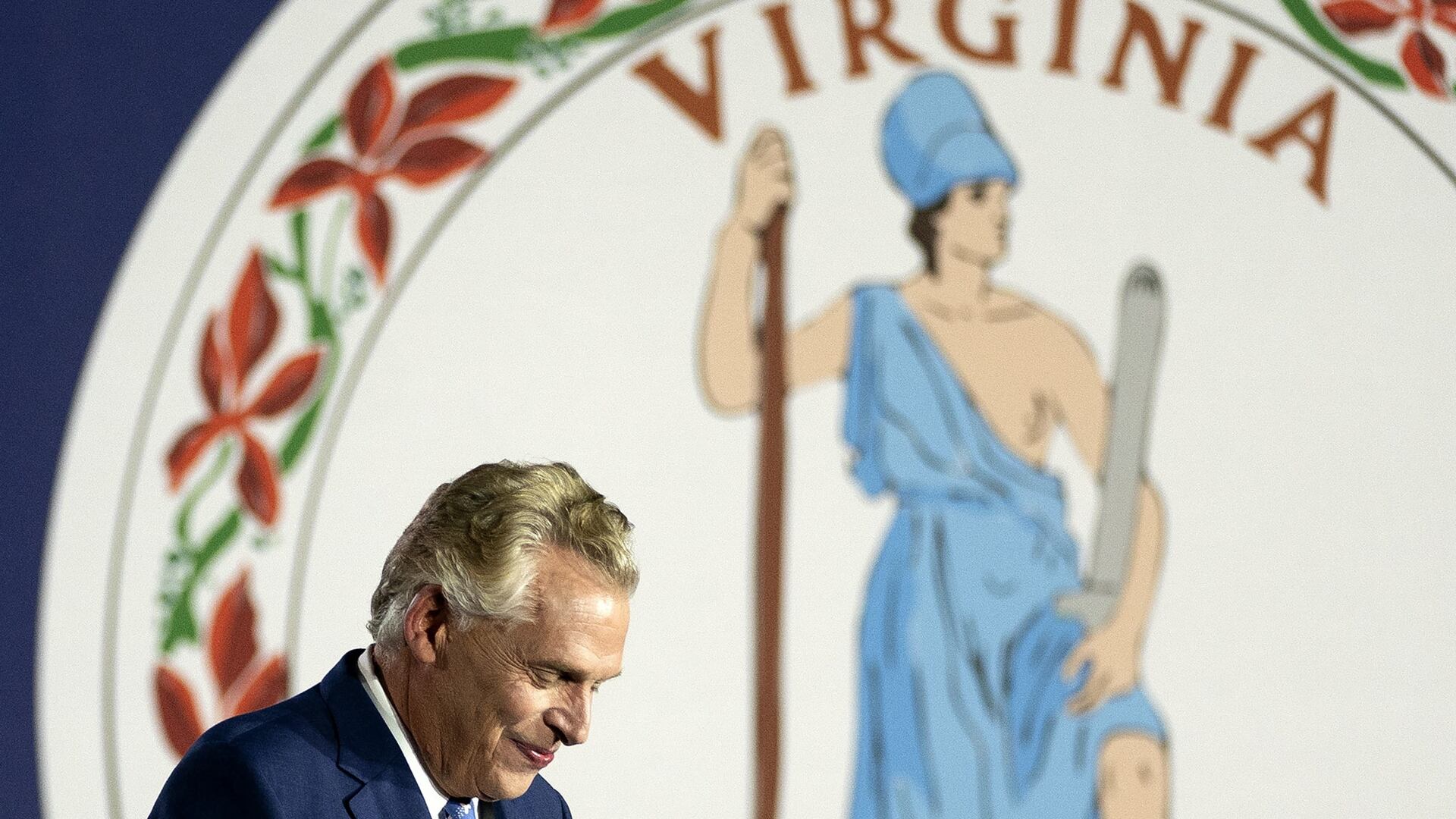
Going into election day on Tuesday, many of us had an inkling it might not be a great day for Democrats. History tells us the president's party tends to lose congressional seats, governorships and state legislature seats in off-year and midterm elections. Tuesday turned out to be a big wake-up call for democrats. Not only did Terry McAuliffe lose in the Virginia governor's race, Gov. Phil Murphy won re-election by an incredibly slim margin. Both races saw continued Democratic losses in rural areas and a shift of suburban voters back to the GOP. Liz Landers, chief political correspondent at Vice News, joins Cheddar Politics to discuss.
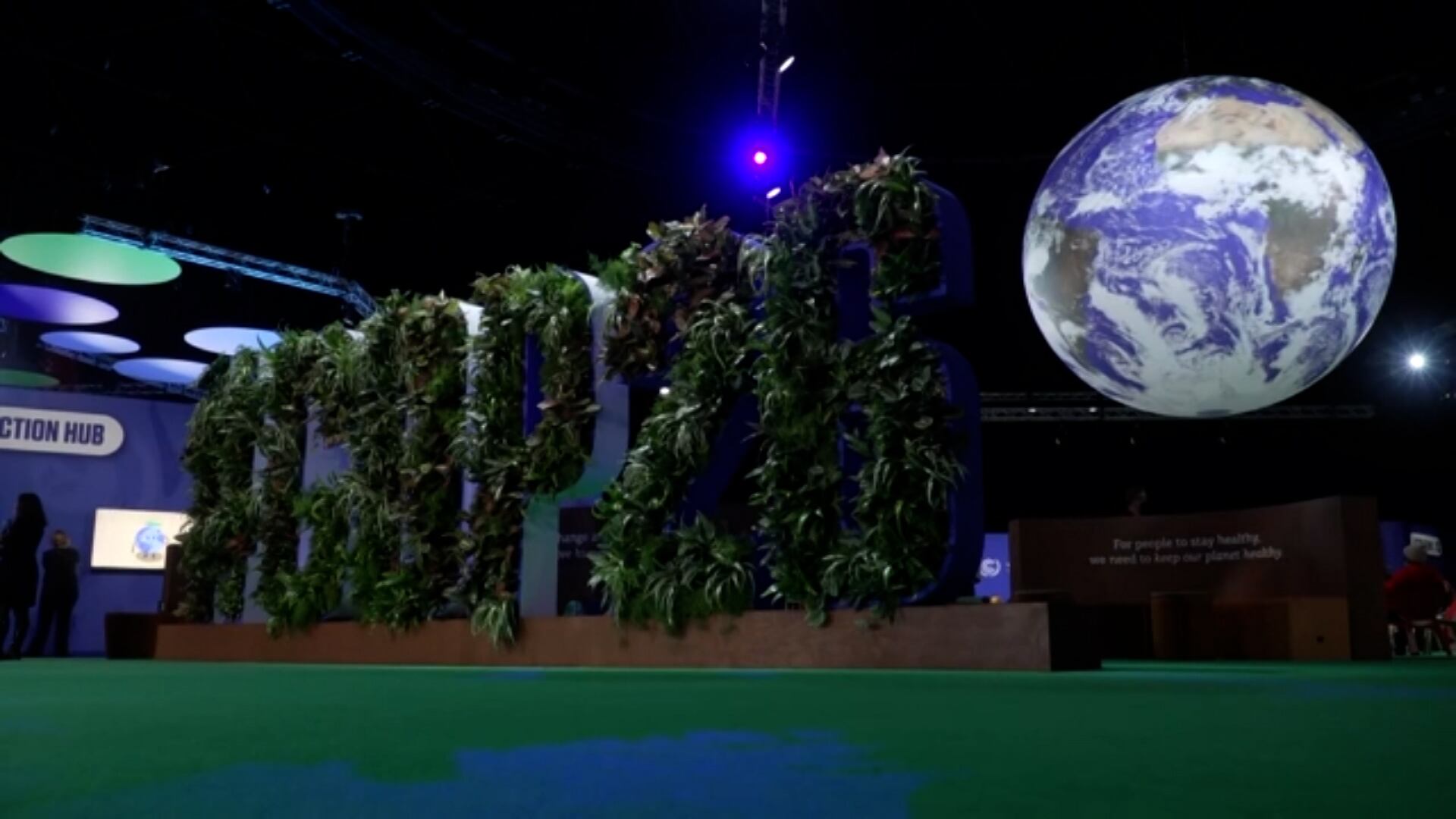
Week one of UN climate summit is coming to an end, world leaders made a number of promises to save the planet. President Biden attended the first two days of the meeting.
Alan Neuhauser, vice president of Silverline Communications, joined Cheddar Politics to talk more about the pledges that came out from the summit and their significance.
It's been a busy week for the Supreme Court. It heard arguments on three of the most watched cases in the docket for this term. The court heard arguments in two cases challenging the Texas abortion law on Monday - one filed by abortion providers and the other by the justice department. Instead of weighing in on the constitutionality of the matter itself, justices focused on the unusual structure of the law that enables citizens to enforce the law, not the state government.
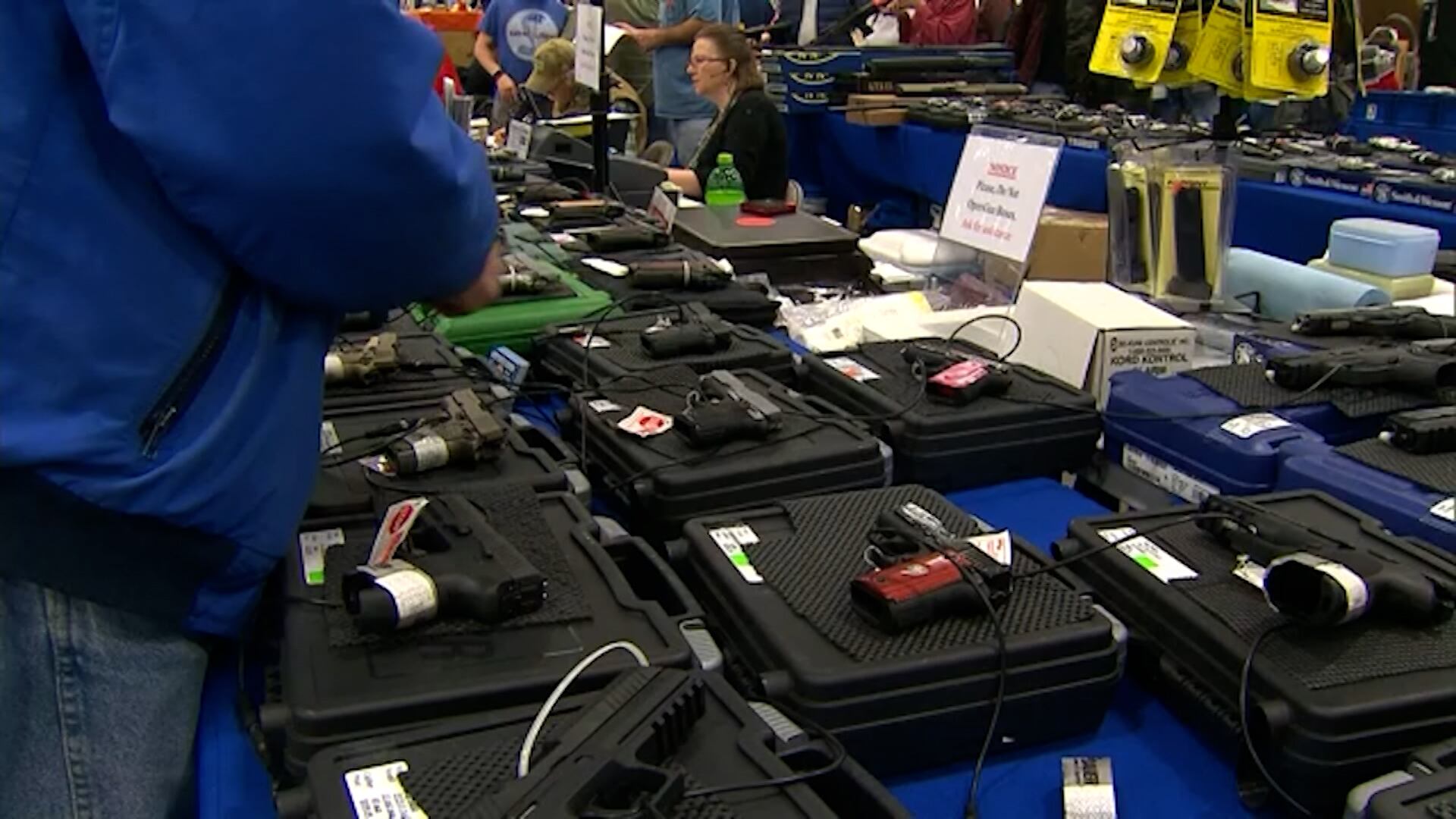
On Wednesday, the court heard arguments in the biggest Second Amendment case in more than a decade. The dispute is over a New York gun law that requires people seeking a license to carry a handgun in public to show a "proper cause." The challengers in this case claim the law inhibits their constitutional Second Amendment rights.
Amy Howe, co-founder of SCOTUSBlog, joined Cheddar Politics to break the cases down.
This is the first installment of Cheddar Changemakers, where we spotlight young activists making a difference in the world and speaking up on issues regarding mental health, voting, and climate change.
Republicans are considered, and often act like, the party opposed to action on climate change. They've made a point of fighting even modest regulations on businesses related to stemming the worst effects of climate change. But Republicans aren't a monolith on climate change, and our next guest reminds us that "conservation" and "conservative" have the same word root.
Quill Robinson, VP of government affairs at the American Conservation Coalition, joins Cheddar Politics to discuss.
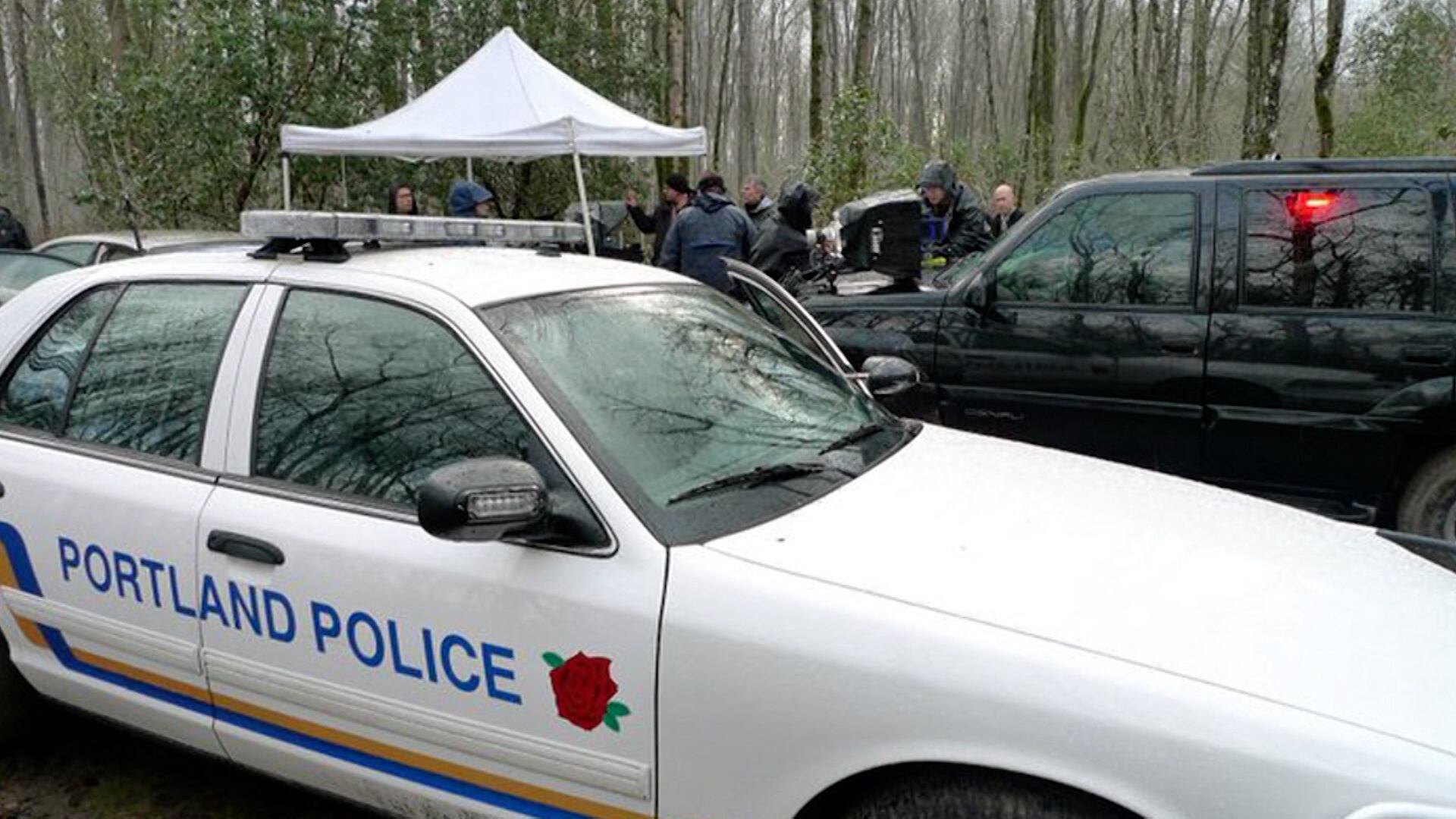
The mayor of Portland, Oregon, Ted Wheeler joined Cheddar News Wrap to discuss his plans to get an increase in the city's police budget for more personnel, changes to public safety response, and more body cameras. The Democratic mayor addressed the growth in violent crimes amid the pandemic, but noted the need for officers who take their roles seriously. We want officers who understand that policing is an important responsibility, it's a high calling," he said. "We also want a police bureau that is accountable and responsible to the public it serves."
More American tech companies continue to pull their businesses out of China as the Communist Party cracks down on firms — both foreign and domestic. Yahoo and Fortnite have become the latest companies to withdraw from the country, and the withdrawals come just days after Microsoft announced it would take LinkedIn offline. Shehzad Qazi, managing director at China Beige Book International, joined Cheddar to provide some insight into how the crackdowns in China would also impact the tech companies at home in the United States.
A new report out by the Center for Countering Digital Hate shows how just ten publishers are responsible for the bulk of climate change misinformation on social media--and companies like Facebook and Google are making money off them. Imran Ahmed, CEO of the Center for Countering Digital Hate, joined Cheddar to discuss.
'The Good Liars' are Jason Selvig and Davram Stiefler, a comedy duo that's been shaking up the political world for years. They're out with a new mockumentary, 'The Supporters,' following the 2020 election. Jason Selvig & Davram Stiefler, Stunt Comedians and creators of 'The Good Liars' joined Cheddar News to discuss.