Reporter’s Notebook From Florida: Farmers Suffer as News Cycle Turns
*By J.D. Durkin*
When I arrived in southern Florida two weeks ago to cover several days of campaign trail events, I had no way of guessing that a separate national storyline — about packages, postal codes, and pipe bombs — would unfold with the same aggressive timeline just miles away.
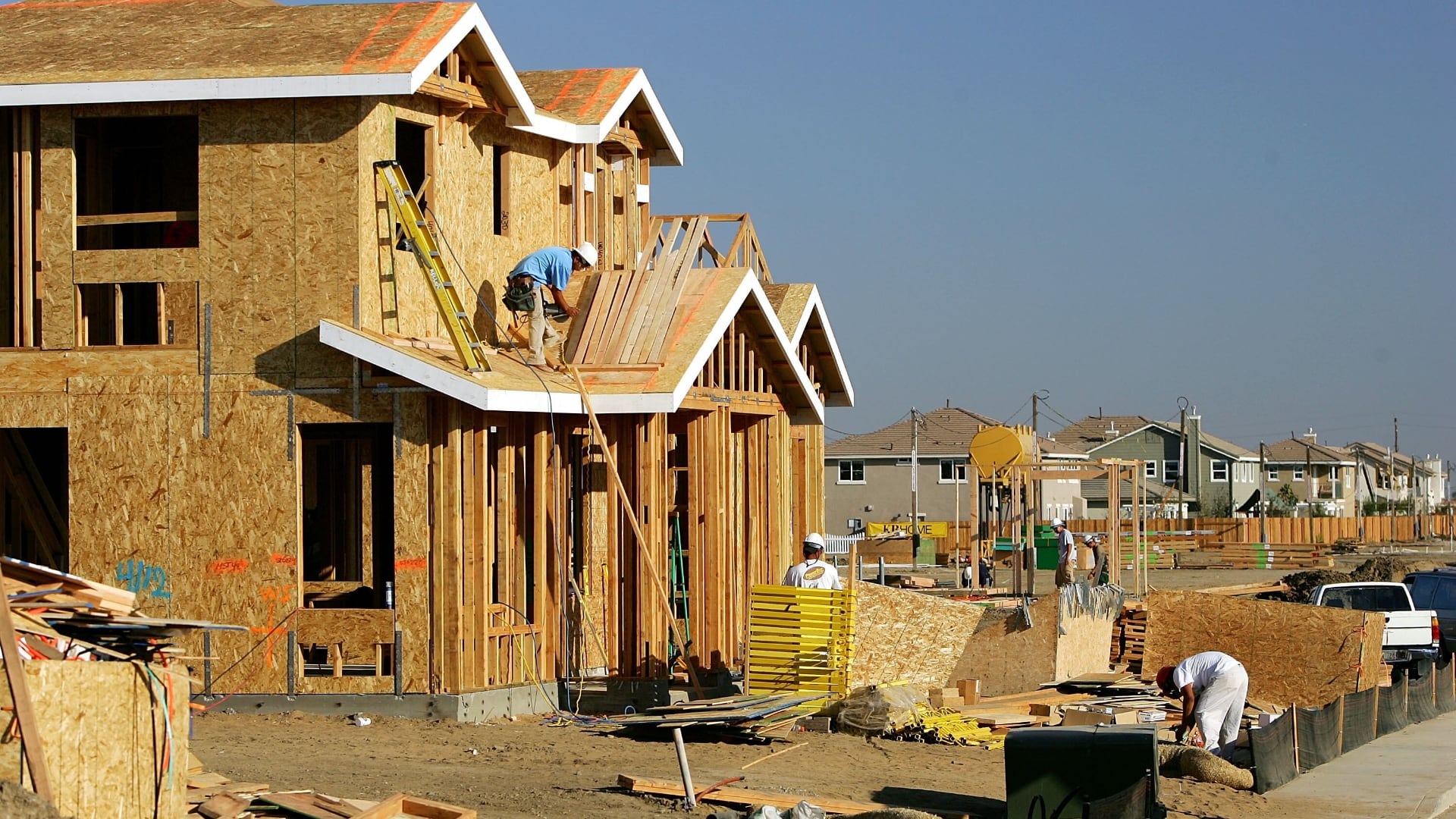
As news was breaking across the country about a flurry of pipe bombs directed at high-profile, Democratic targets, my colleague Sam Tadelman and I were meeting with specialty crop growers, off the grid on the edge of the Everglades. News of the suspicious packages felt a world away as I talked to farmers who had suffered under NAFTA because they couldn’t compete with Mexico. Sen. Marco Rubio and Rep. Carlos Curbelo, both local Republicans, were in attendance at a roundtable at S&L Beans, a three-generation farm in the town of Homestead. At its peak, the farm spanned 7,000 acres. Today, it’s only 2,000 acres.
The day of our visit was 85 degrees and sunny — sunburn territory for me. The story of the farmers in this community is an agonizing one; several who had inherited the farms from their fathers and grandfathers told me that they each encouraged their own sons to find other work. Sal Finocchiaro explained the heart-wrenching dilemma like this: “I told my son to go to college and get a different job. I love him, I want him here, but my advice was not to come here because there is no future ... We're gonna try as hard as possible to make it work, though.”
That son, Salvatore Finocchiaro, is currently working on the farm to continue the family legacy, against his father’s wishes.
This is a community in tremendous economic pain: The open markets and opportunities afforded to Mexico in the NAFTA era steadily put farmers like Sal Finocchiaro out of business in this region of pristine farmland between Miami and the Florida Keys. The Trump Administration, at least so far, has not helped matters much here either; the recently-negotiated NAFTA replacement, known as USMCA, did not include provisions for these farmers.
Kern Carpenter, a tomato farmer in Homestead, put it in bleak terms: “We got left out of the NAFTA renegotiation ... they totally left southern Florida out. Fruits and vegetable growers were ignored, thrown under the bus.”
In my remaining days in Florida, I remembered those conversations even as the quieter voices of Florida’s farmers were drowned out by news of a frantic search for a would-be pipe bomber with vendettas against prominent Democratic leaders and Trump critics.
As fate would have it, the coming day and a half would render South Florida of all places as ground zero for the investigation and the pipe bomb story dominated our time on the ground. By Friday afternoon, Sam and I found ourselves — somehow, impossibly — standing in the very AutoZone parking lot in the sleepy community of Plantation, Fla. where suspect Cesar Sayoc has been arrested just hours before, [interviewing the sole eyewitness to the dramatic takedown](https://cheddar.com/videos/bombing-suspect-charged-but-national-nerves-remain-frayed).
Stories like the would-be pipe bomber dominate the national psyche so intensely at such a moment in time that all other narratives just seem to blur. With the news cycle turning at such a frantic pace, I thought: What chance does the story of the farmers in Homestead have of breaking through? Meeting Sal Finocchiaro and his boy reminded me that their struggle also needs attention if we are going to help them and the next generation of Florida’s farmers to survive.
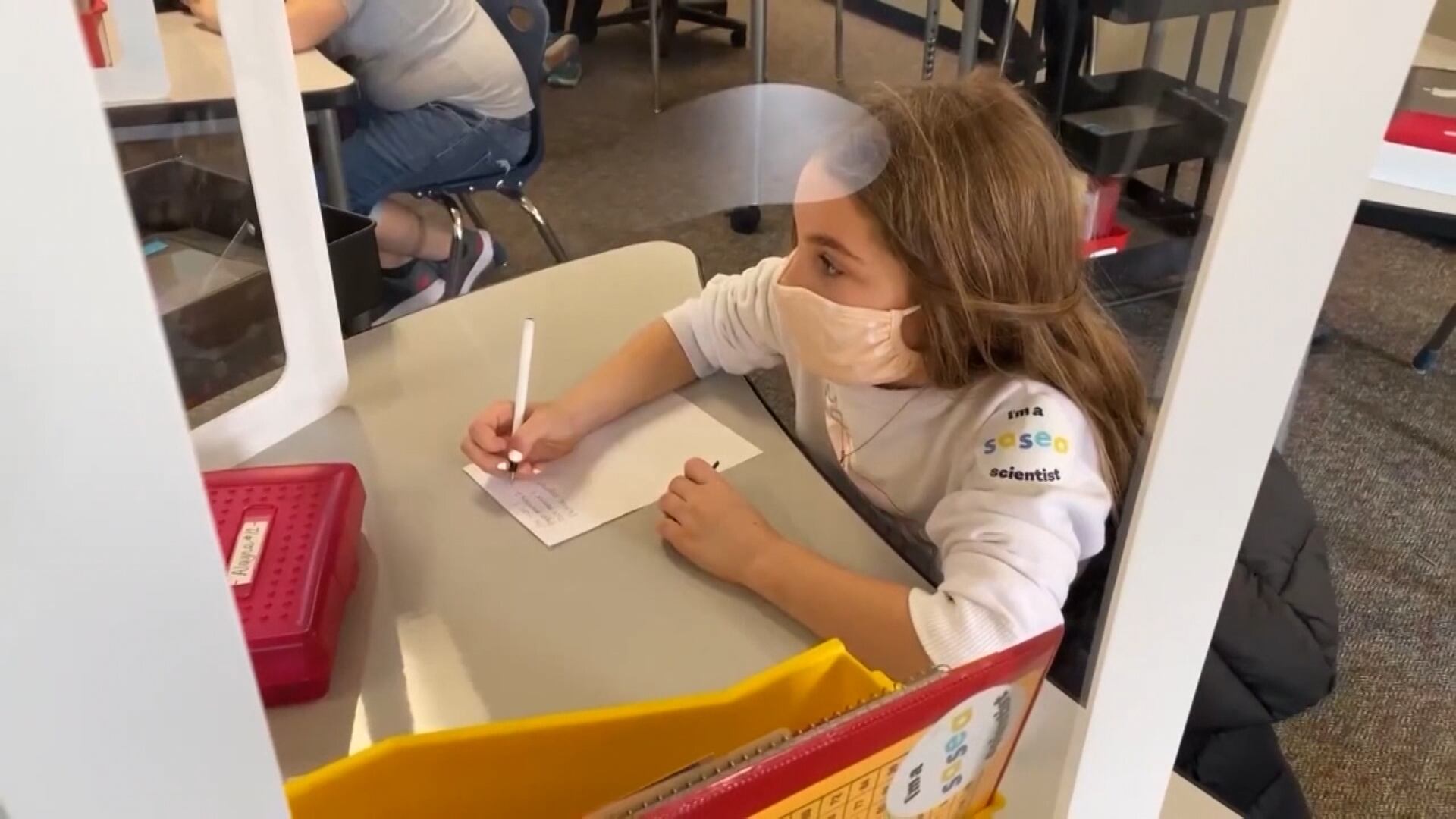
After the Chicago teachers union voted to work remotely due to what they say is a lack of safety protocols amid the COVID-19 surge, the school system canceled classes on Wednesday, citing harm that remote learning has done to the city's children. Randi Weingarten, president of the American Federation of Teachers, joined Cheddar to discuss the issues surrounding the latest dispute between educators and schools. She said that the return to in-person learning would likely be halted until more COVID tests could be provided for districts. "This is a terrible situation for everybody, and we need the testing, and we need the masks," she said. "It's the omicron surge that has created this disruption, and we are trying to do the best we can. And this is the only school district that has this kind of action right now." The teachers might not be returning to their schools for at least two weeks amid the ongoing tensions.
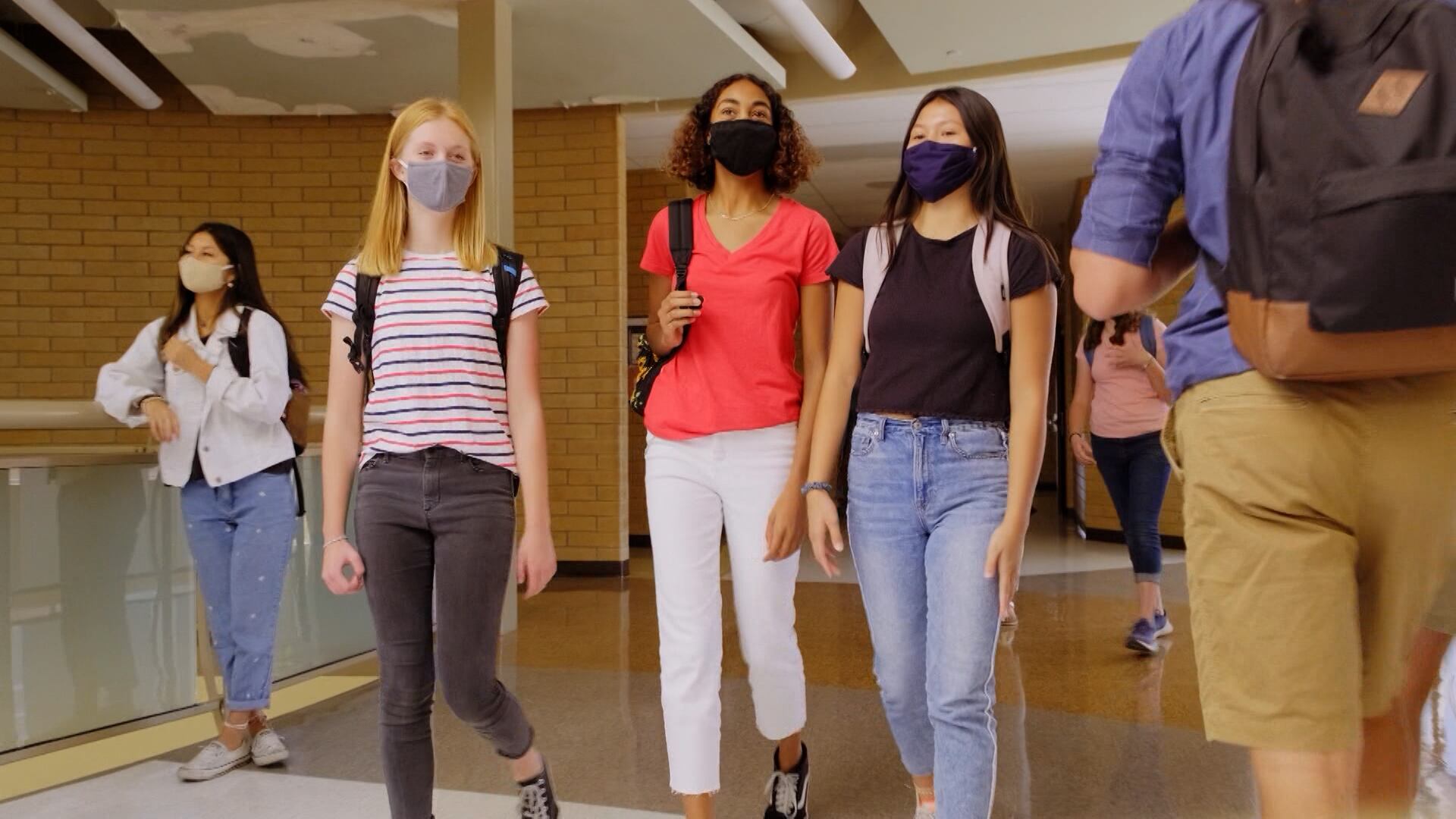
Illinois State Senator Robert Martwick joins Cheddar News to discuss the new bill he co-sponsored allowing students in the state to take 5 mental health days without a doctor's note.
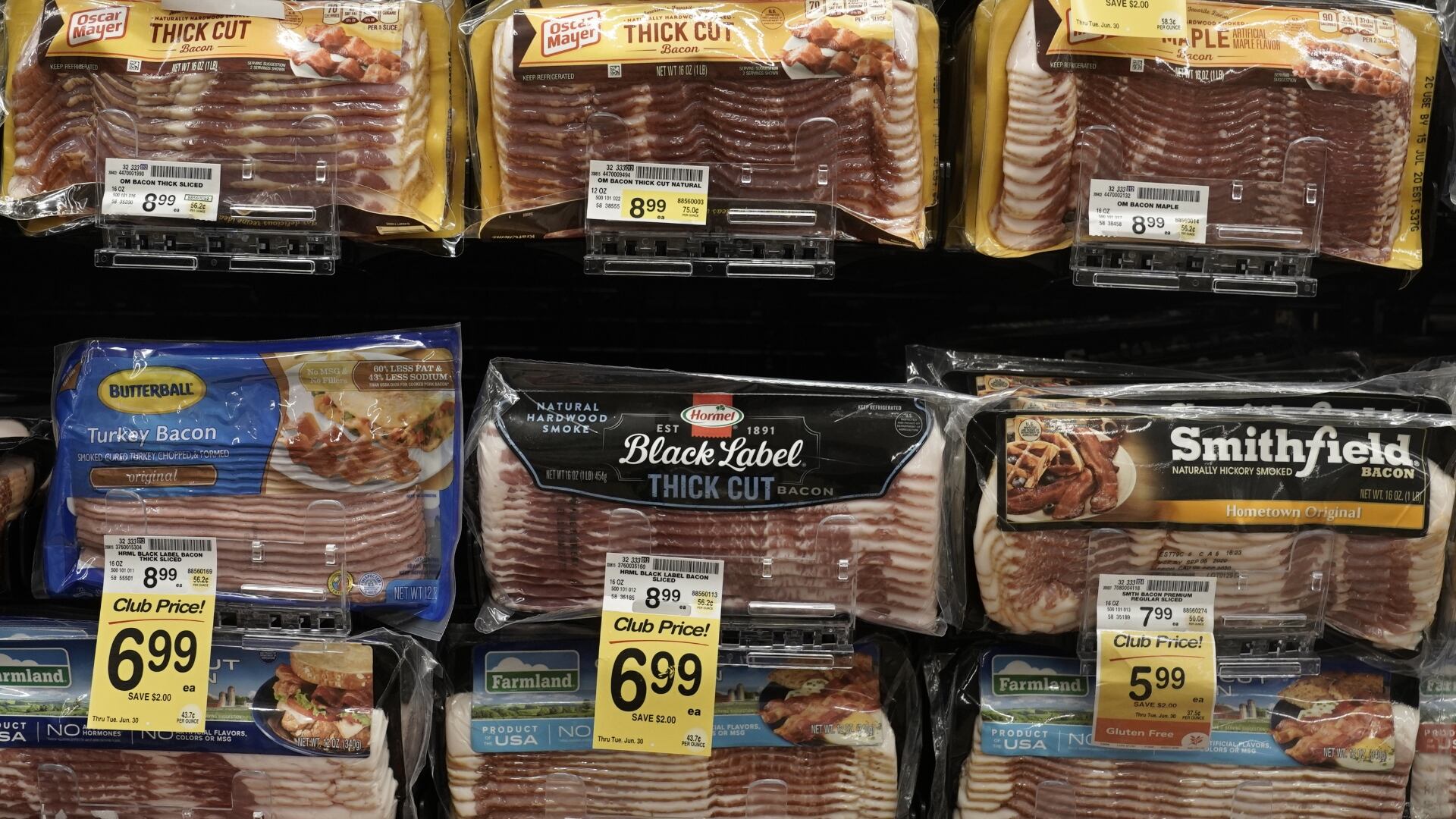
On Monday, President Biden announced his new plan to take on inflation by taking down the big meat monopolies - turning to the federal government's antitrust authorities to investigate the major meatpackers that control a significant share of the market. The White House plans to devote one billion dollars to aiding independent meat and poultry producers in an effort to undercut the few powerful meat producers that have control of the sector. Austin Frerick, deputy director of Thurman Arnold Project at Yale, joins Cheddar News to discuss.
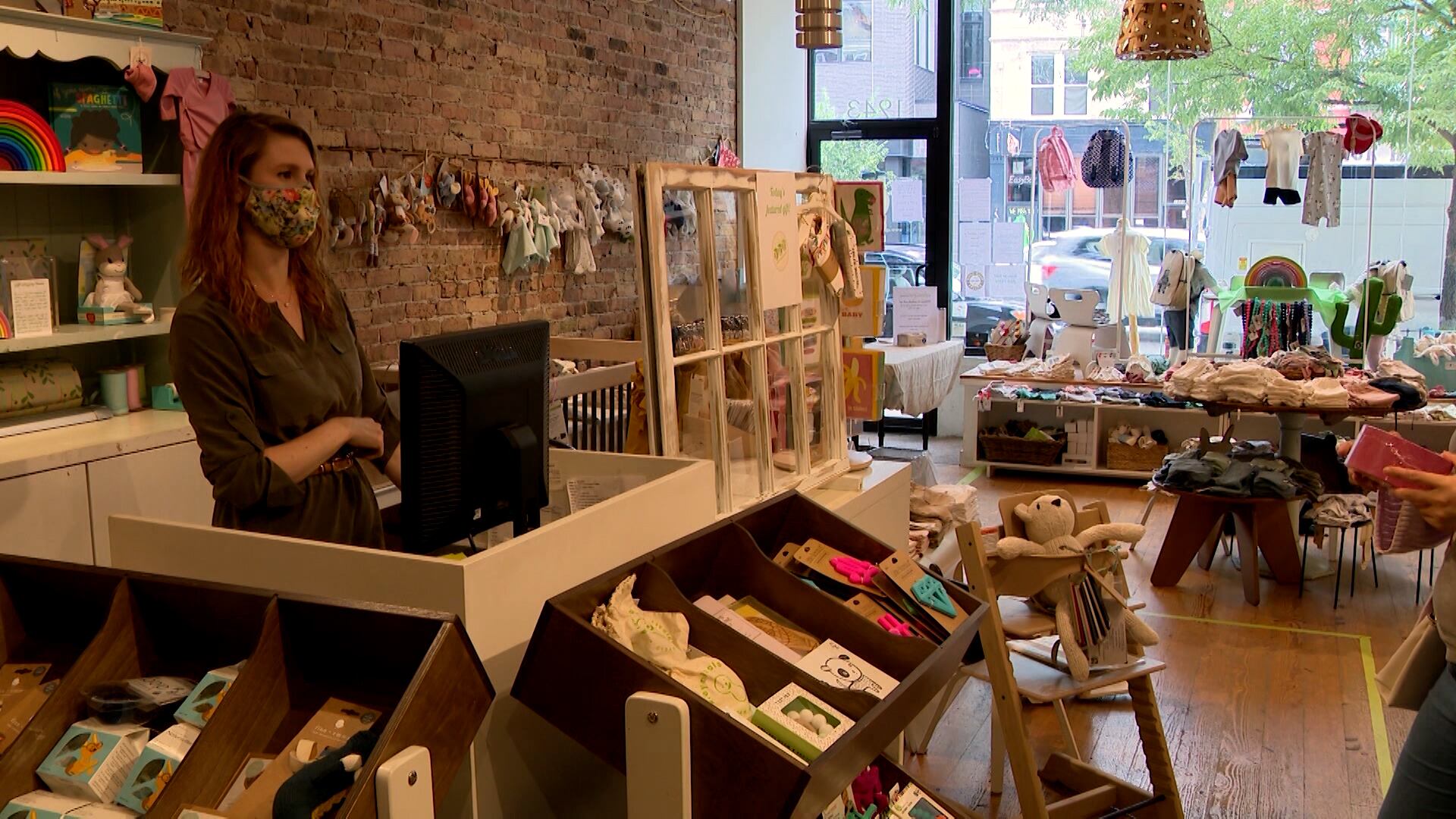
As the pandemic drags on, so does the widespread great resignation. In November alone, 4.5 million Americans quit their jobs, marking a new record high, and showing a 9 percent jump from the month prior. On the flip side, the number of people filing tax paperwork to start new businesses is surging, with over 430,000 new businesses launching in November. Rhett Buttle, the founder of Public Private Strategies and national business advisor to the Biden for President campaign, joined Wake Up with Cheddar to discuss.
New York Attorney General Letitia James is ramping up a civil investigation into The Trump Organization. The AG's office has subpoenaed Ivanka Trump and Donald Trump Jr. They have refused to comply with the subpoenas. Bradley Moss, national security attorney, joins Cheddar News to discuss the next steps in this investigation.
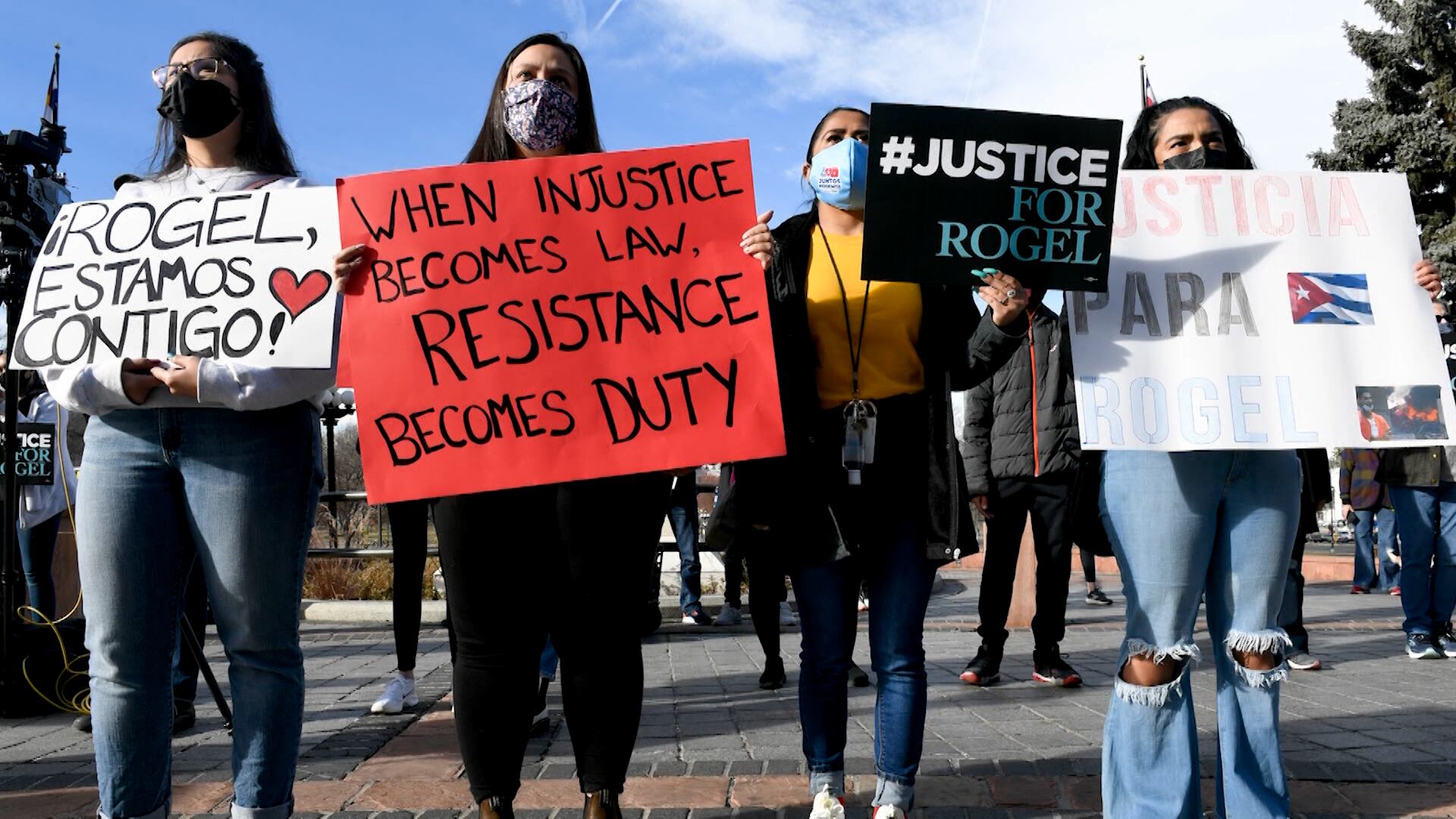
Colorado Gov. Jared Polis has officially reduced the 110-year prison sentence of truck driver Rogel Aguilera-Mederos to 10 years, calling the initial lengthy sentence “unjust.” Dan Gilleon, constitutional attorney at Gilleon Law Firm APC, joined Cheddar to discuss more.
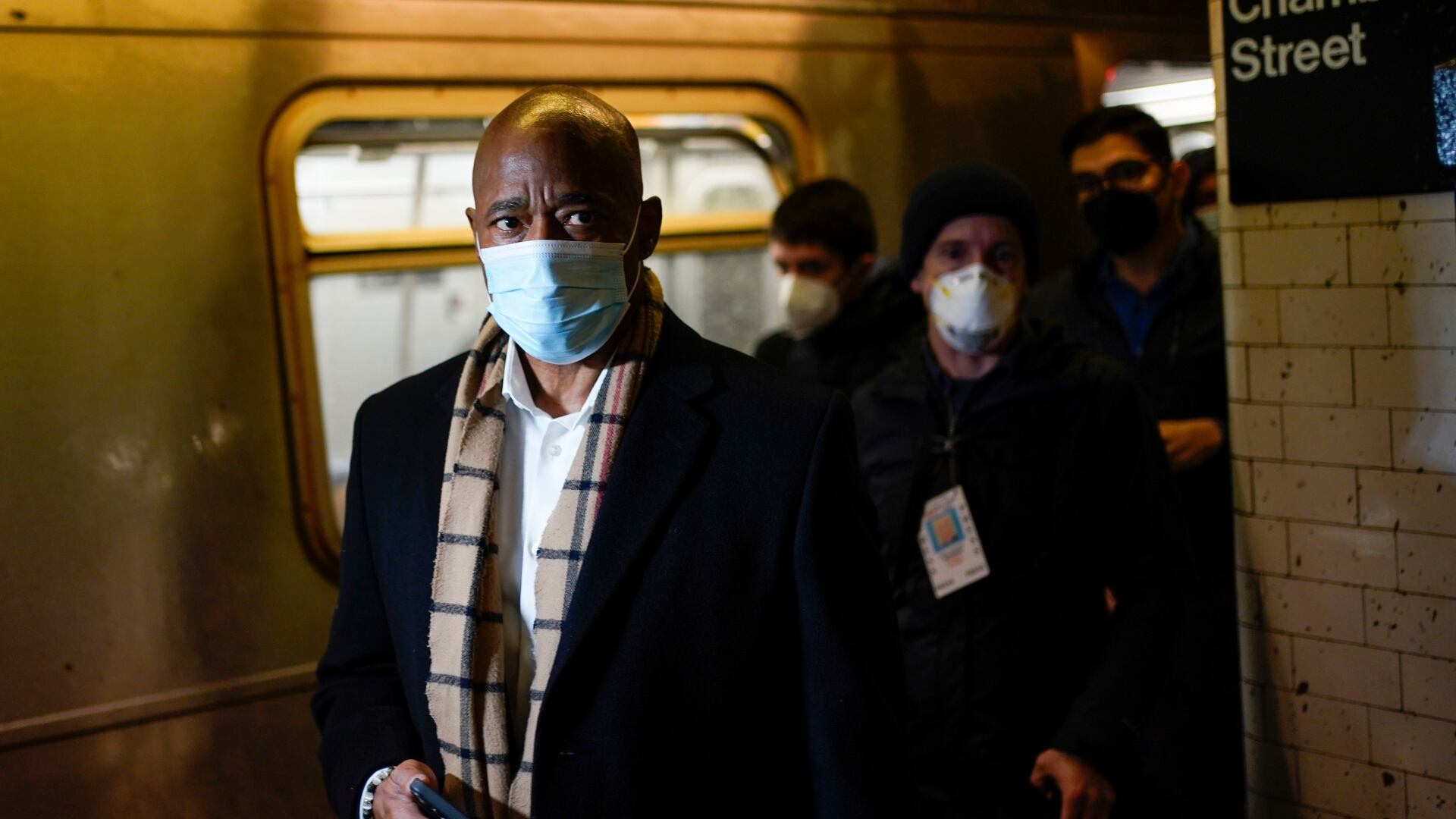
Former Brooklyn Borough President Eric Adams was sworn in as the newest Mayor of New York City. Adams is now expected to work on a number of issues such as crime and coronavirus. Erin Durkin,, reporter at PoliticoNY, joins Cheddar News to discuss more.
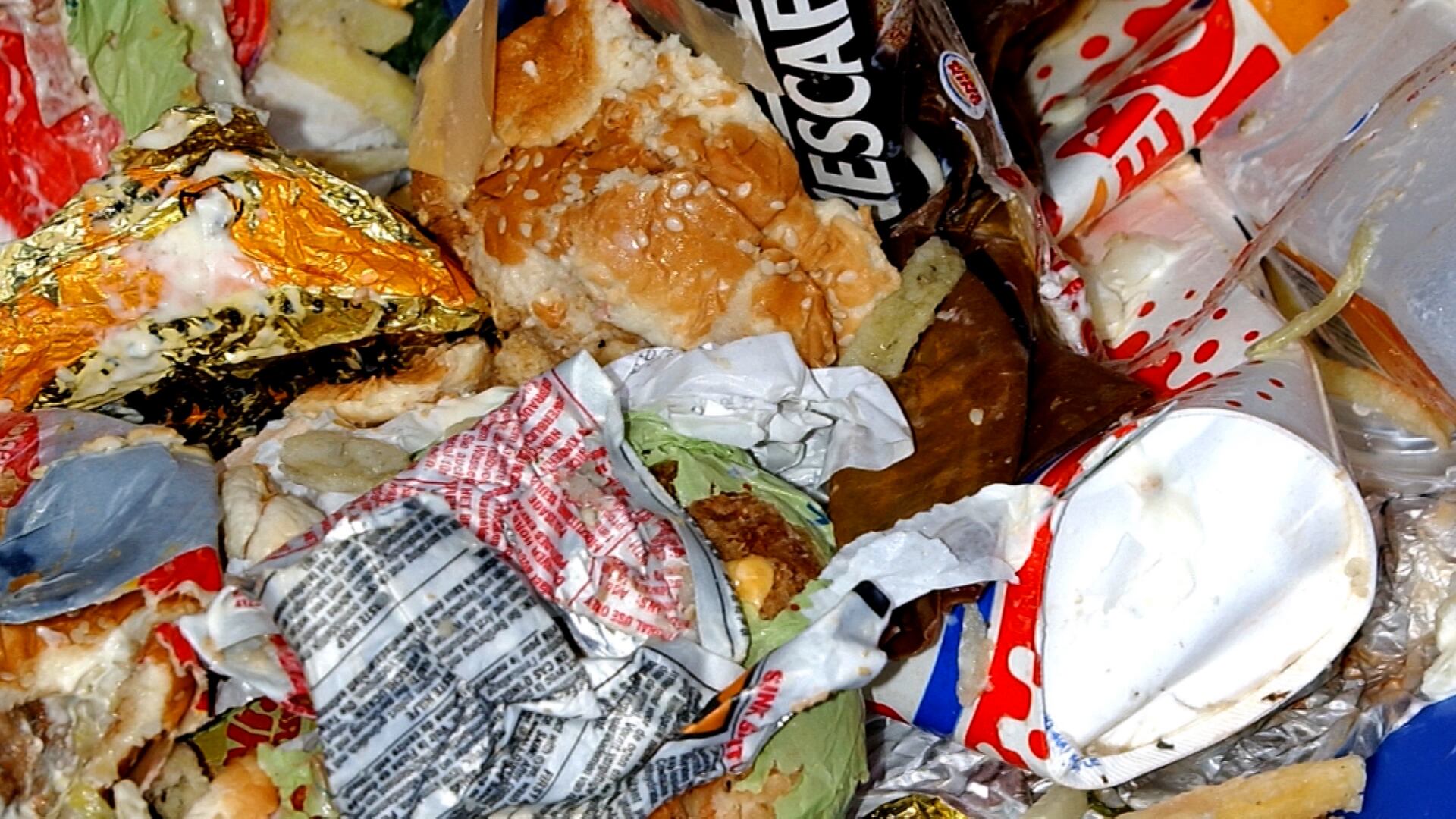
California's new composting law will affect what residents do in their kitchens. As of this week, Californians will have to recycle excess food in an effort to reduce emissions caused by food waste. Cities and counties will turn recycled food into compost or use it as a renewable energy source. California's new law is the largest mandatory residential food waste recycling program in the country. Rachel Wagoner, Director of the California Department of Resources, Recycling and Recovery called the law 'the biggest change to trash' since recycling started in the 1980s. She joined Cheddar Climate to discuss.
As the U.S. comes up on the first anniversary of the January 6 insurrection.,A.C. Thompson, investigative reporter at ProPublica, joined Cheddar's Baker Machado to discuss updates to American Insurrection by FRONTLINE, ProPublica and Berkeley Journalism’s Investigative Reporting Program. The documentary investigates the attack on the Capitol touched off by the lie that the presidential election was stolen from Donald Trump but with new information gleaned since the event including interviews with lawmakers and law enforcement and the evolution of groups like the Boogaloo Boys and the Proud Boys behind the attack. "In some ways those groups that were kind of the vanguard of January 6 are maybe no longer relevant because their message is everywhere," he said.