Reporter’s Notebook From Florida: Farmers Suffer as News Cycle Turns
*By J.D. Durkin*
When I arrived in southern Florida two weeks ago to cover several days of campaign trail events, I had no way of guessing that a separate national storyline — about packages, postal codes, and pipe bombs — would unfold with the same aggressive timeline just miles away.
As news was breaking across the country about a flurry of pipe bombs directed at high-profile, Democratic targets, my colleague Sam Tadelman and I were meeting with specialty crop growers, off the grid on the edge of the Everglades. News of the suspicious packages felt a world away as I talked to farmers who had suffered under NAFTA because they couldn’t compete with Mexico. Sen. Marco Rubio and Rep. Carlos Curbelo, both local Republicans, were in attendance at a roundtable at S&L Beans, a three-generation farm in the town of Homestead. At its peak, the farm spanned 7,000 acres. Today, it’s only 2,000 acres.
The day of our visit was 85 degrees and sunny — sunburn territory for me. The story of the farmers in this community is an agonizing one; several who had inherited the farms from their fathers and grandfathers told me that they each encouraged their own sons to find other work. Sal Finocchiaro explained the heart-wrenching dilemma like this: “I told my son to go to college and get a different job. I love him, I want him here, but my advice was not to come here because there is no future ... We're gonna try as hard as possible to make it work, though.”
That son, Salvatore Finocchiaro, is currently working on the farm to continue the family legacy, against his father’s wishes.
This is a community in tremendous economic pain: The open markets and opportunities afforded to Mexico in the NAFTA era steadily put farmers like Sal Finocchiaro out of business in this region of pristine farmland between Miami and the Florida Keys. The Trump Administration, at least so far, has not helped matters much here either; the recently-negotiated NAFTA replacement, known as USMCA, did not include provisions for these farmers.
Kern Carpenter, a tomato farmer in Homestead, put it in bleak terms: “We got left out of the NAFTA renegotiation ... they totally left southern Florida out. Fruits and vegetable growers were ignored, thrown under the bus.”
In my remaining days in Florida, I remembered those conversations even as the quieter voices of Florida’s farmers were drowned out by news of a frantic search for a would-be pipe bomber with vendettas against prominent Democratic leaders and Trump critics.
As fate would have it, the coming day and a half would render South Florida of all places as ground zero for the investigation and the pipe bomb story dominated our time on the ground. By Friday afternoon, Sam and I found ourselves — somehow, impossibly — standing in the very AutoZone parking lot in the sleepy community of Plantation, Fla. where suspect Cesar Sayoc has been arrested just hours before, [interviewing the sole eyewitness to the dramatic takedown](https://cheddar.com/videos/bombing-suspect-charged-but-national-nerves-remain-frayed).
Stories like the would-be pipe bomber dominate the national psyche so intensely at such a moment in time that all other narratives just seem to blur. With the news cycle turning at such a frantic pace, I thought: What chance does the story of the farmers in Homestead have of breaking through? Meeting Sal Finocchiaro and his boy reminded me that their struggle also needs attention if we are going to help them and the next generation of Florida’s farmers to survive.
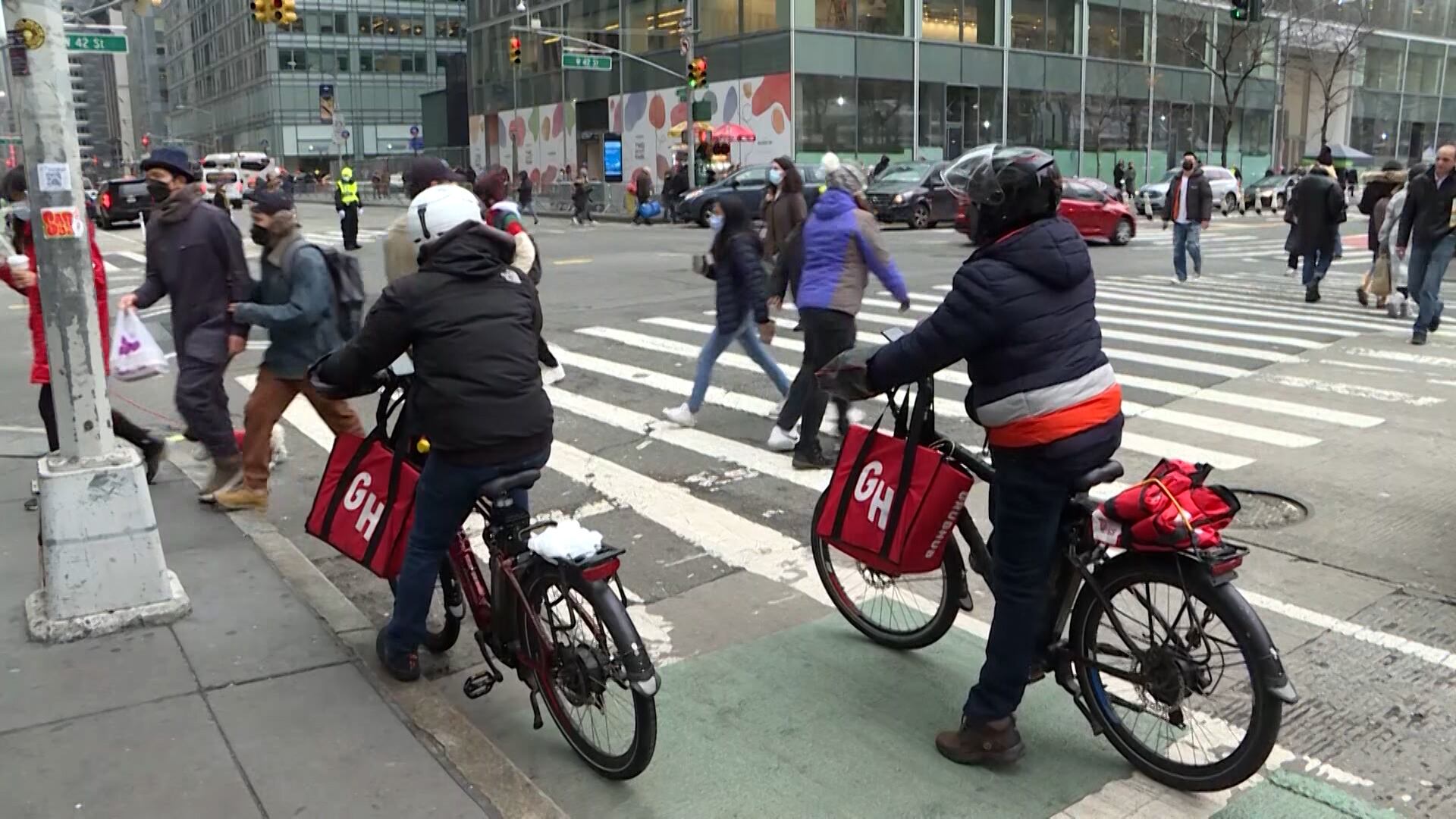
Big Apple workers who deliver for food apps like Doordash and Grubhub will now receive a number of legal protections provided through a package of new regulations that have started going into effect. These updated rules include more control over their deliveries, pay and tip transparency, a higher minimum pay rate, and access to restaurant bathrooms during the workday. New York City Comptroller Brad Lander joined Cheddar to elaborate on the regulations and how the platform holders reacted. "I have to say it's a mixed bag," he said. "Grubhub actually welcomed the legislation and said they recognize they need to do better by their deliveristas, but DoorDash, unfortunately, has actually been pushing back against the legislation."
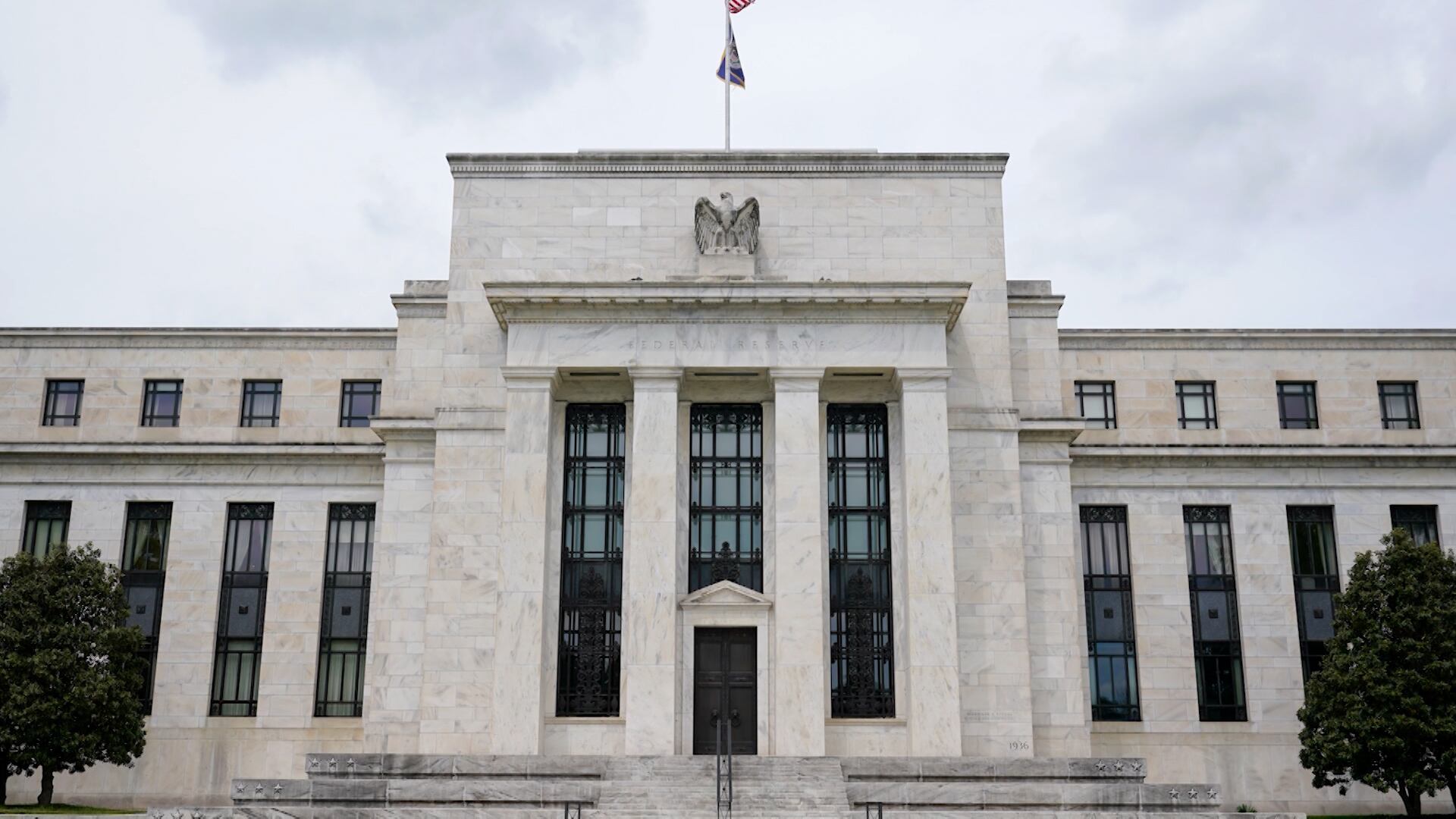
Thomas Hoenig, Former CEO of Federal Reserve Bank of Kansas City and currently Distinguished Senior Fellow with the Mercatus Center, joined Cheddar News' Closing Bell, where he says the Fed's decision was no surprise, but believes the Fed is behind the curve on raising rates.
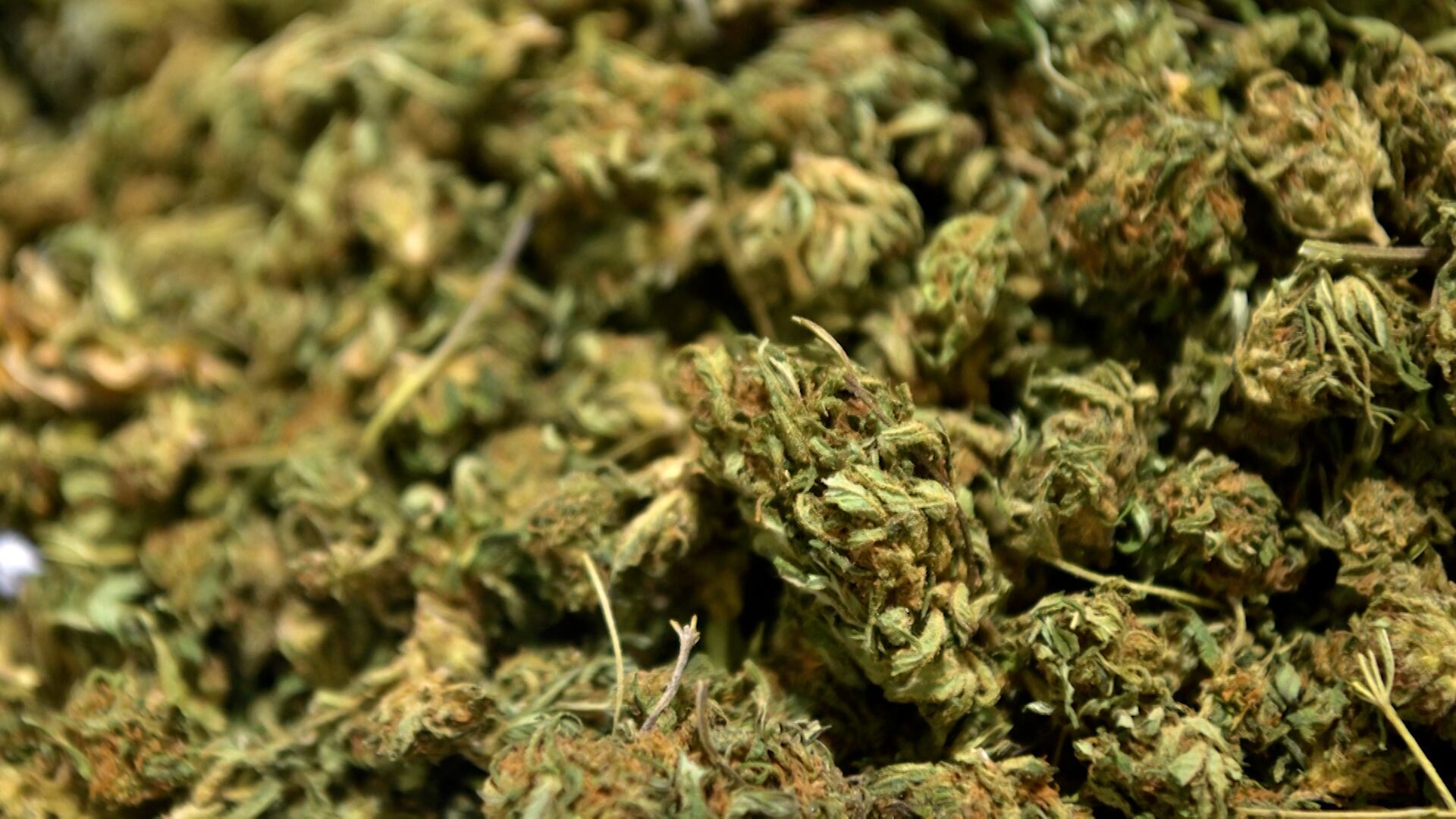
Legal cannabis businesses are having a hard time surviving in California with the high cost of doing business and a still-thriving illicit market. In response, nonprofit Supernova Women, founded by women of color, is advocating on behalf of Black and brown shareholders in the cannabis industry. Amber Senter, co-founder, executive director, and chairman of the organization, spoke with Cheddar News about calling for changes in the Golden State's taxation system for legal marijuana. "We're really leaning on the legislators now to support the industry and make sure that this industry, in particular craft cannabis, can survive," said Senter.
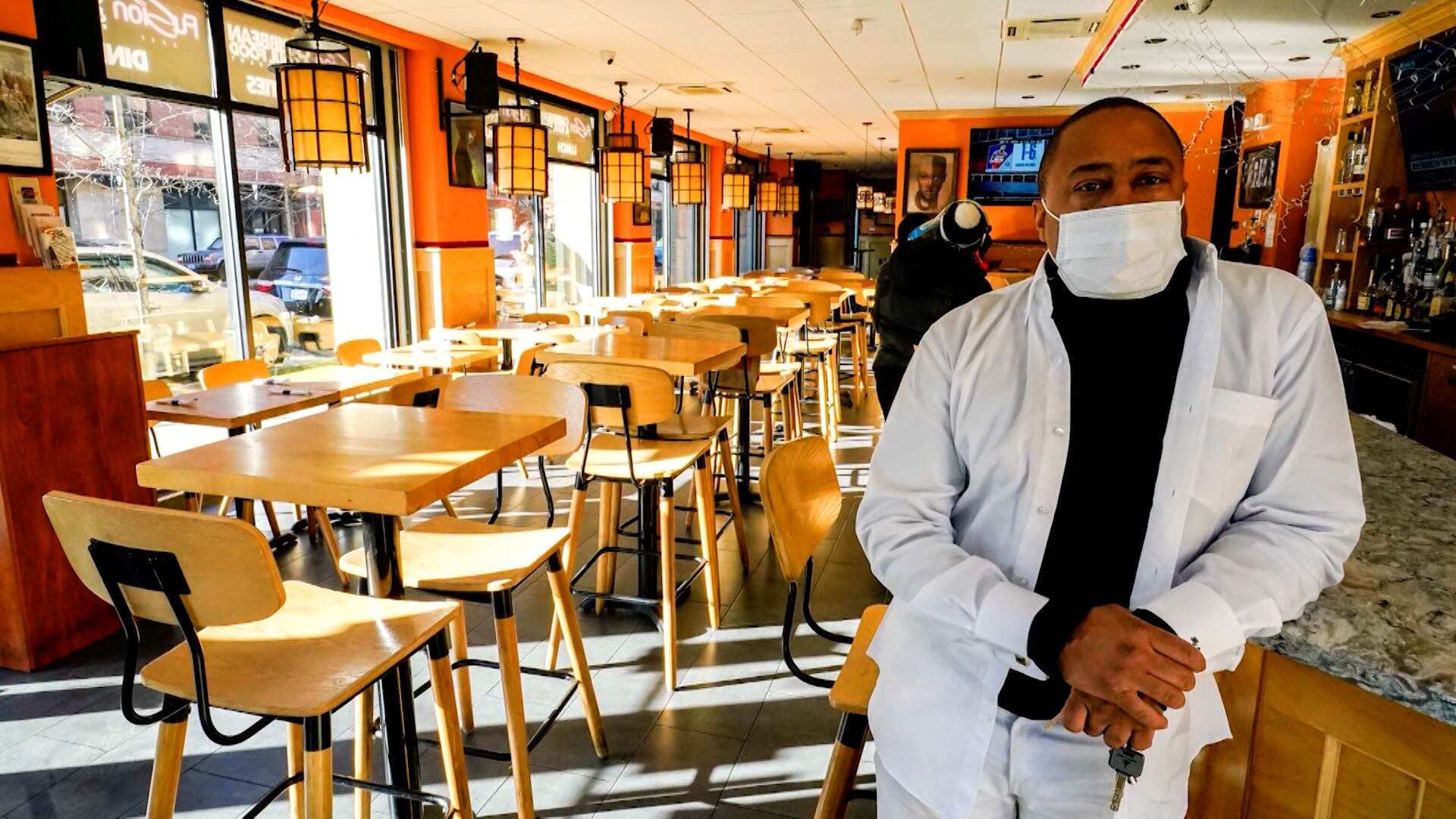
After being among the hardest-hit industries by the pandemic, restaurants are still having a hard time staying afloat, with owners claiming that business is worse now due to closures from staff shortages and customer decline than it was three months ago. Mike Whatley, vice president of state affairs and grassroots advocacy for the National Restaurant Association, spoke to Cheddar News about how the sector is reaching out to lawmakers for help. "Working with Senators Wicker, Sinema, and a whole host of bipartisan leaders, we're trying to get the Restaurant Revitalization Fund replenished," Whatley said.
Communities of color are disproportionately affected by climate change and continuously feel the impacts. Mark Magaña, founding president and CEO of Green Latinos joined All Hands to discuss.
The memoir, "COMPROMISED: Counterintelligence and the Threat of Donald J. Trump", tells a familiar story from a bit of a different source: Peter Strzok himself, former FBI Counterintelligence Agents and Agency Veteran who spent most of his very long career investigating some of the most controversial inquiries, most notably in recent American history. Those inquiries were Hillary Clinton's email to even Trump Russia investigations. Former FBI Agent and Author of "Compromised" Peter Strzok, joined Cheddar to discuss more.
President Biden's first year did not come to the close that he had hoped after last night's Senate vote blocked the voting rights bill, a priority that Biden has promoted since his inauguration. Joining us to discuss the voting rights bill, and many others passing through congress is congresswoman Lori Trahan, representing Massachusett's 3rd district.