Despite months of protests across the U.S. this summer, policing in America is coming under scrutiny once again after police in Kenosha, Wisconsin shot Jacob Blake, an unarmed Black man, in front of his children. Now Congresswoman Yvette Clarke (D- N.Y. 9th District) is imploring the Senate to finally move on the George Floyd Justice in Policing Act, which was passed by the House of Representatives in June.
"We've yet to see any real meaningful action around that legislation," Clarke told Cheddar. "There can't be another generation of Black children raised in this climate and subjected to the inhumanity that unfortunately can lead to death in this nation."
While Blake survived being shot multiple times by an officer on Sunday, his family has reported that he is paralyzed from the waist down.
When it comes to government action on policing in America, Clarke said states like New York have been responsive and are taking steps to provide transparency and accountability but action needs to be taken on the federal level.
"We need national policy. This is a problem from New York to Wisconsin. We're seeing, again, this bias that can be deadly within the policing infrastructure in our nation," Clarke continued.
While Senator Kamala Harris already co-sponsored the act in the Senate, Clarke is hopeful that as the potential vice president, she will be able to do more.
Clarke also championed Harris' nomination for the vice presidential role as a step in the right direction and an opportunity to "bridge that divide" of racial inequality in the U.S.
"It's reflective of the diversity of the party that we know today in terms of gender, in terms of background, race, ethnicity, and I think it's very refreshing," she said.
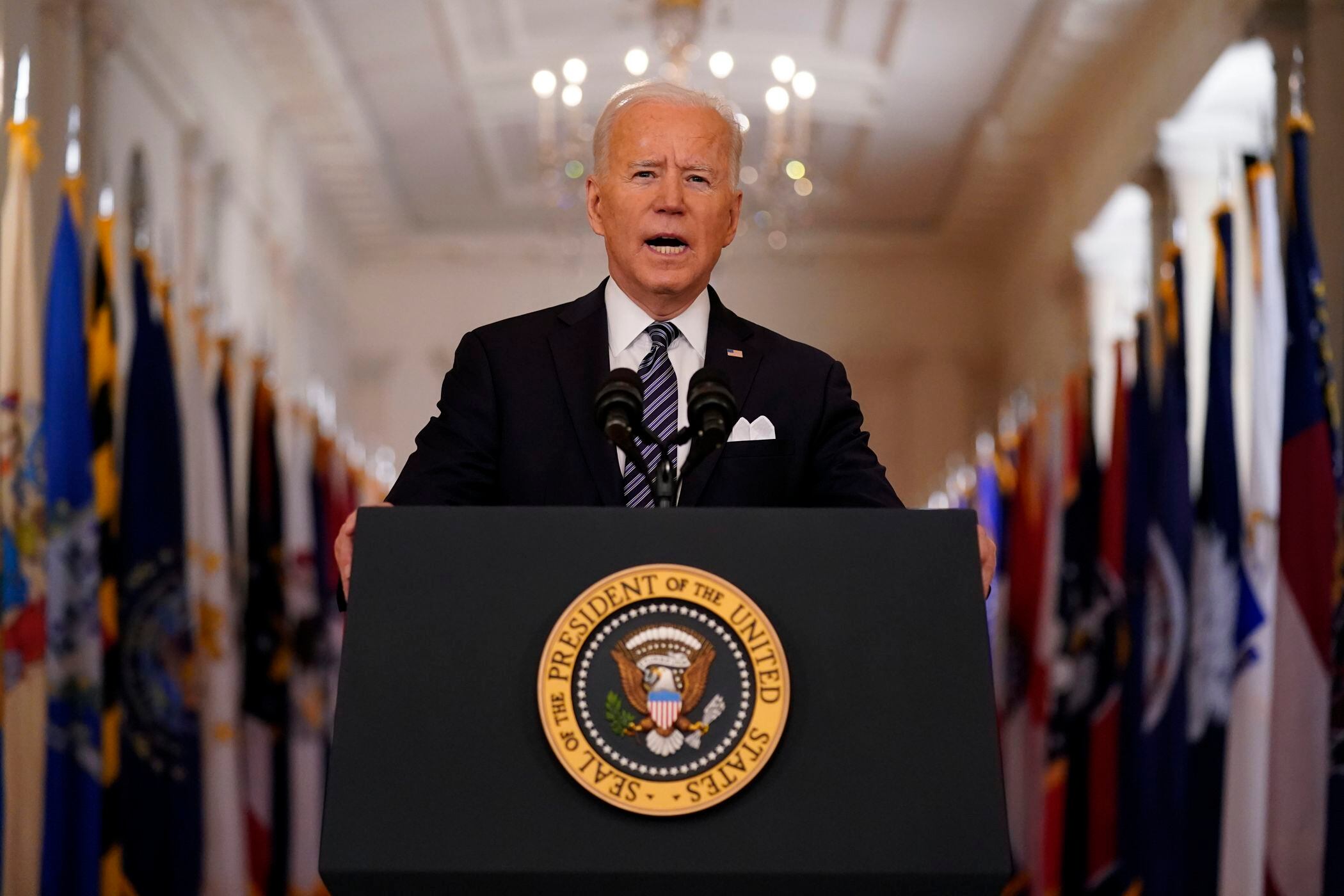
President Joe Biden is outlining his plan to make all adult Americans eligible for vaccination by May 1 and get the nation back “closer to normal” by the Fourth of July.
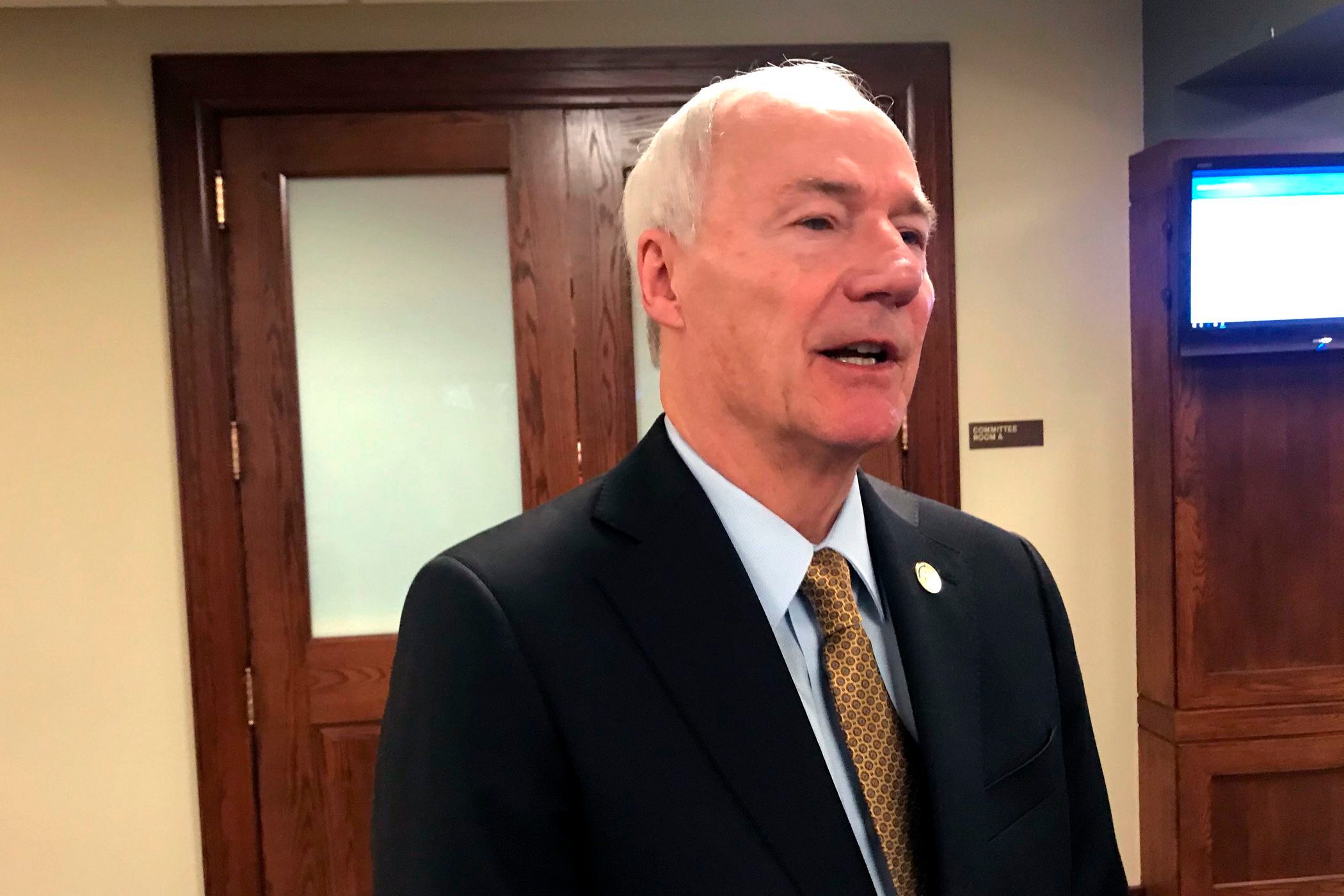
Arkansas Gov. Asa Hutchinson defended his decision to keep much of the economy, including schools, open during the pandemic., as well as signing a near-total abortion ban bill.
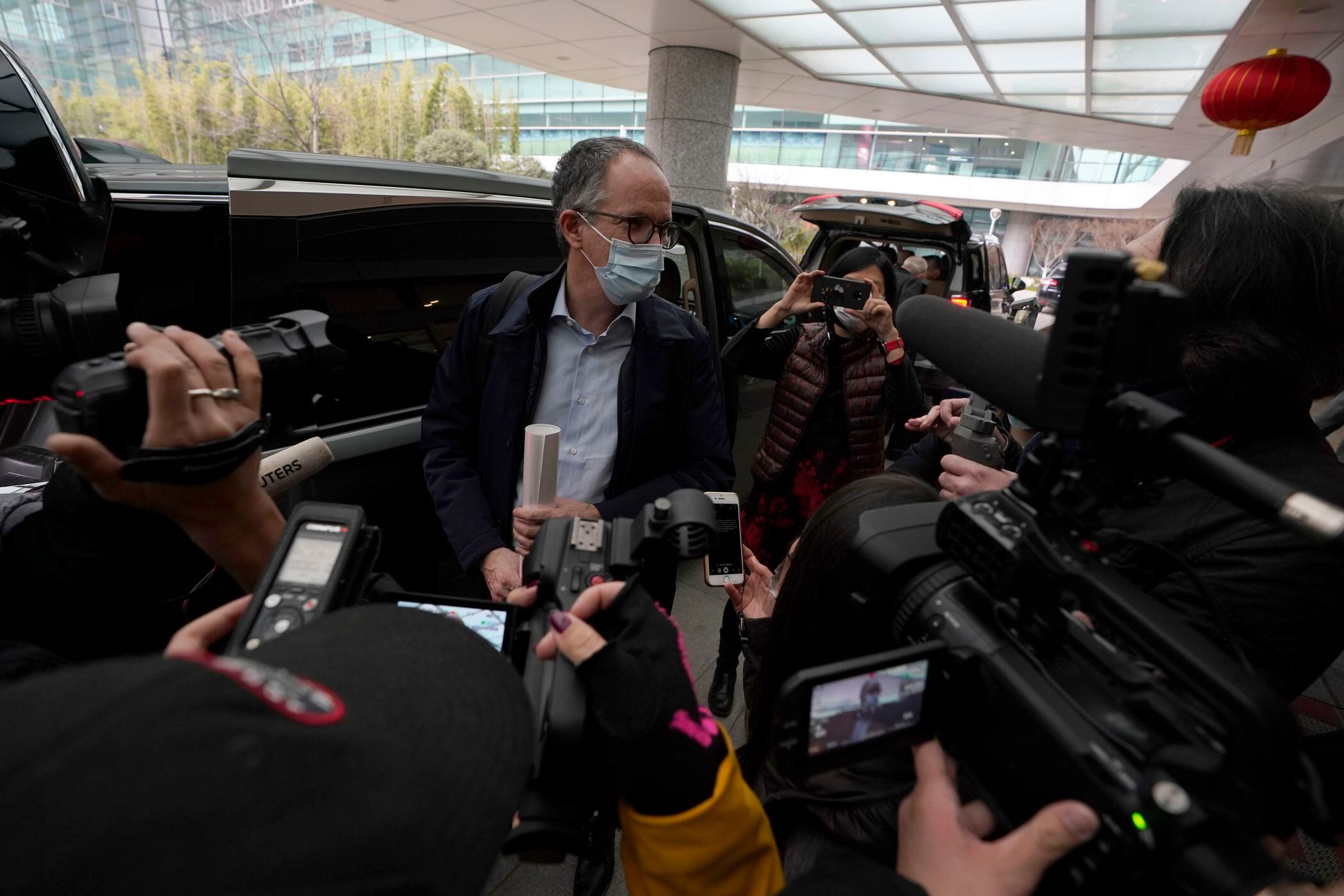
When the World Health Organization declared a pandemic one year ago on Thursday, it did so only after weeks of resisting the term and maintaining the coronavirus could still be stopped.
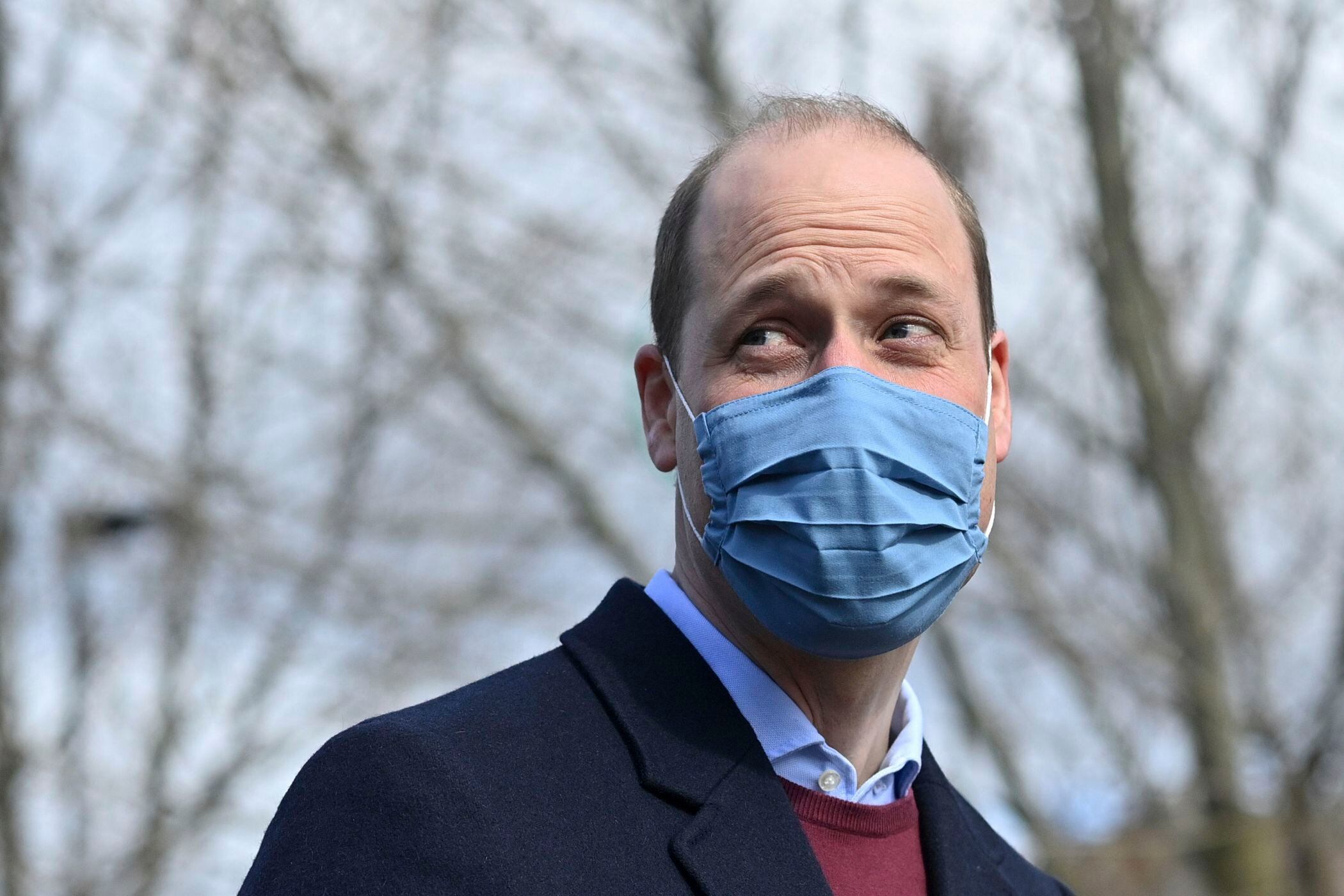
Prince William says that his family is not racist, becoming the first British royal to speak out about accusations of bigotry made by Prince Harry and Meghan, his brother and sister-in-law.
Congress has sent President Joe Biden the landmark $1.9 trillion COVID-19 relief bill.
Eisenhower’s interstate system was the biggest infrastructure project of its time. What justified the cost was its potential to connect all corners of America, but the unforeseen impacts of the highway system seemed to do the opposite of the intention.
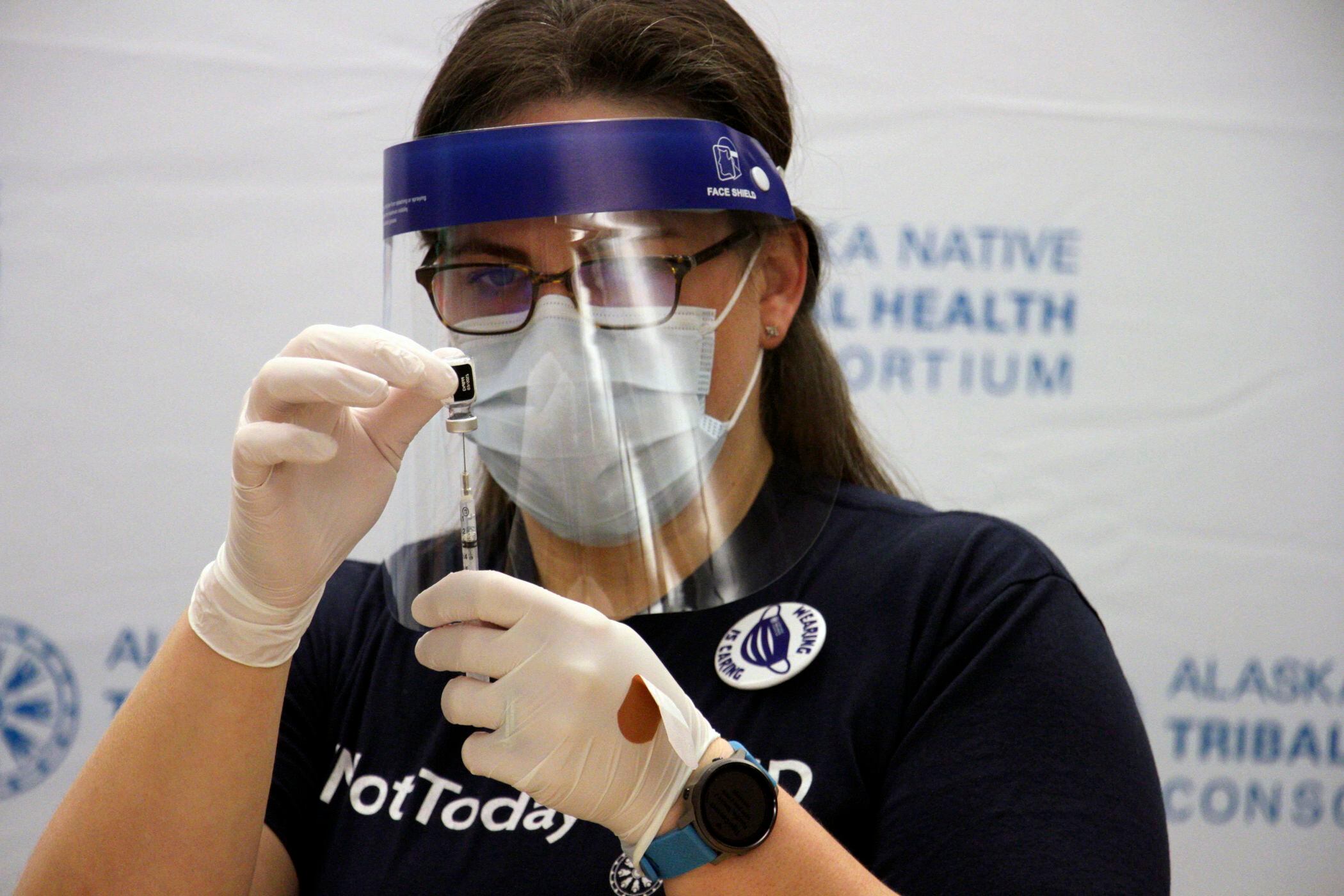
Dr. Anne Zink, chief medical officer for the state of Alaska, spoke to Cheddar about Alaska's remarkable task of getting COVID vaccines to a widespread populace even as the state opens up eligibility to nearly everyone.
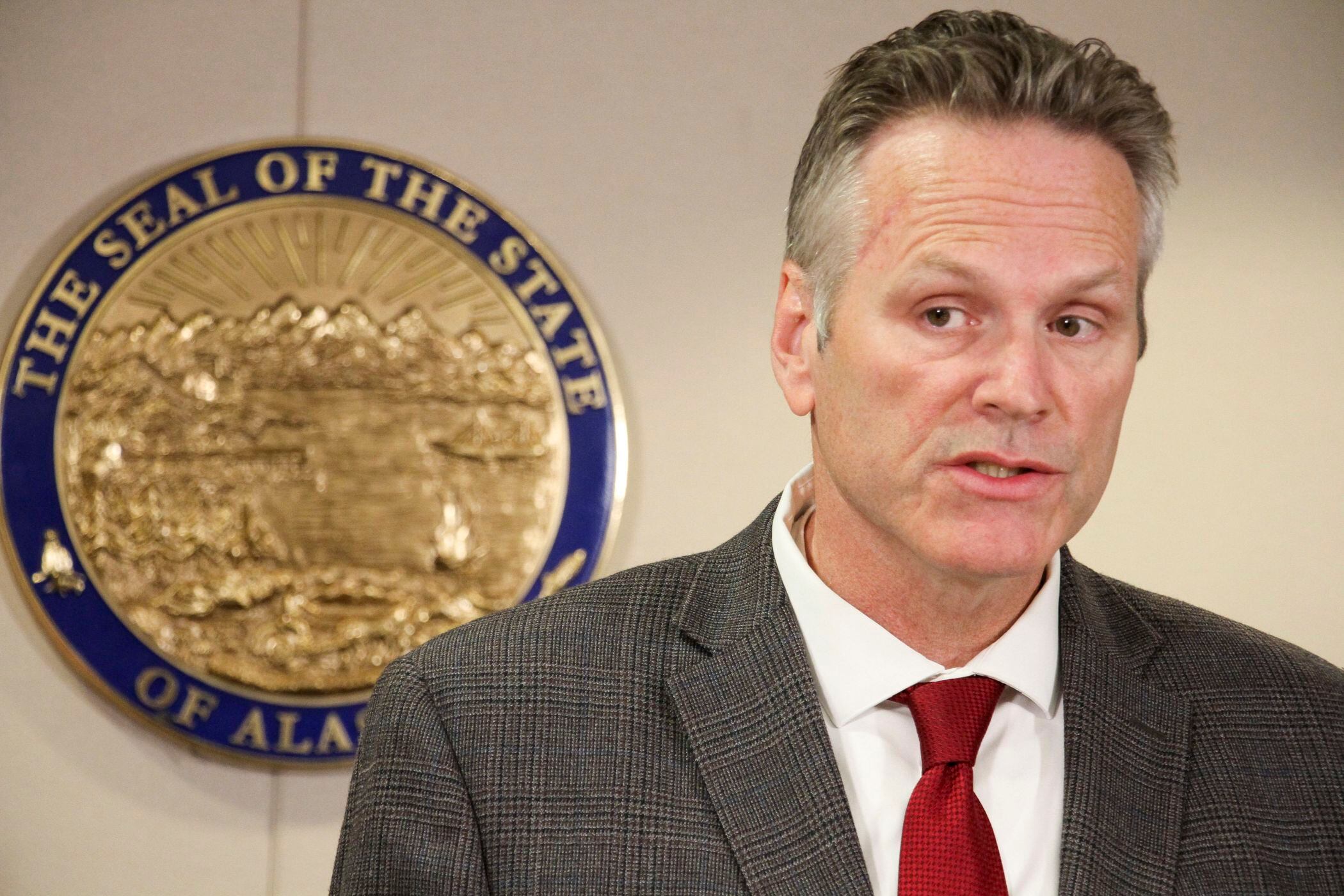
Gov. Mike Dunleavy says Alaska has become the first state to drop eligibility requirements and allow anyone 16 or older who lives or works in the state to get a COVID-19 vaccination.
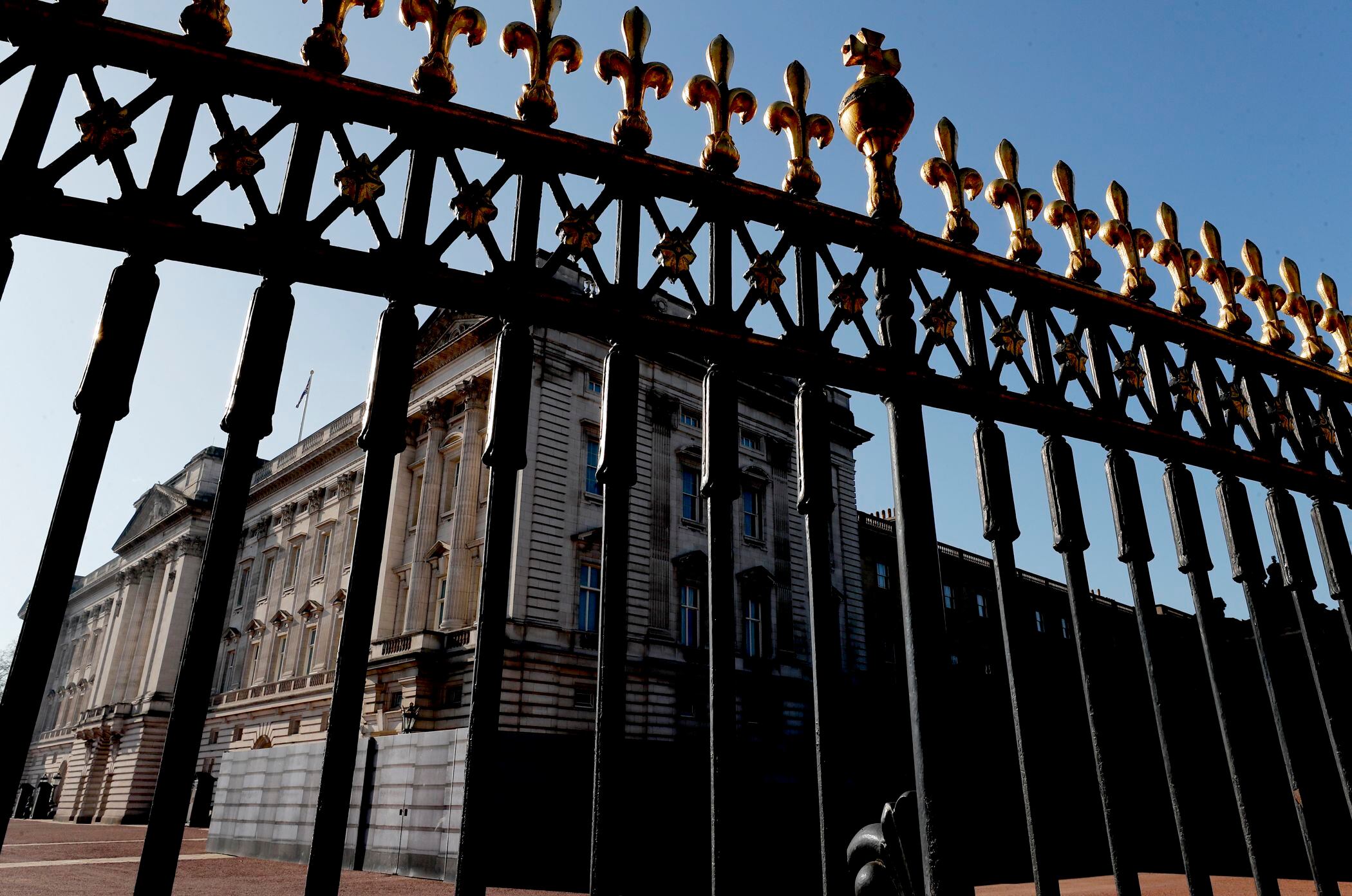
Buckingham Palace says allegations of racism made earlier this week by Prince Harry and Meghan were “concerning” and would be addressed privately by the royal family.
COVID infections are on the rise in U.S. prisons and are accounting for some of the largest outbreaks. Cheddar's Michelle Castillo reports.