Rep. Michael Waltz (R-Fla. 6th District), a U.S. Army officer, is defending the president's actions in authorizing a drone strike that killed Gen. Qassem Soleimani last week and told Cheddar the president acted in self-defense, which Waltz said means he did not need to consult Congress first.
"Looking backwards, I'm fine with this strike," said Waltz. "I think the president has a duty if he has actionable intelligence that [Soleimani] is going to continue to kill Americans — he's operating in the country where he continues to plot and plan those attacks as he has done for decades — he is a lawful enemy combatant, completely within the president's authority to defend our diplomats and our soldiers."
White House officials have not yet provided any evidence showing a threat, which the president called "imminent," or revealed when an attack was expected. Senator Bob Menendez (D-N.J.), the top Democrat on the Senate Foreign Relations Committee, called on the president to release the intelligence.
Waltz, who is on the Armed Services Committee, said he is heading to the White House this afternoon to "take a look at it, myself."
Some Pentagon officials have said intelligence did not show an imminent attack and that the move was part of Secretary of State Mike Pompeo's push for aggressive action against Iran.
Waltz echoed remarks from Pompeo this morning, who said Soleimani's "long history of attacking Americans and killing people across the Middle East" led to Trump's decision to authorize the drone strike, at least in part.
The congressman also said the strike came "after a long string of Iranian provocations. This is not an escalation, this is a response, and it's a response designed to stop further escalation," similar to Trump's claim that he ordered the strike to stop war, not start it.
"No one in this administration that I've talked to is talking about a D-Day, Normandy style invasion, boots on the ground of Iran," Waltz said, which would necessitate an Authorization for Use of Military Force from Congress. "Self defense is always within the laws of land warfare and within the commander in chief."
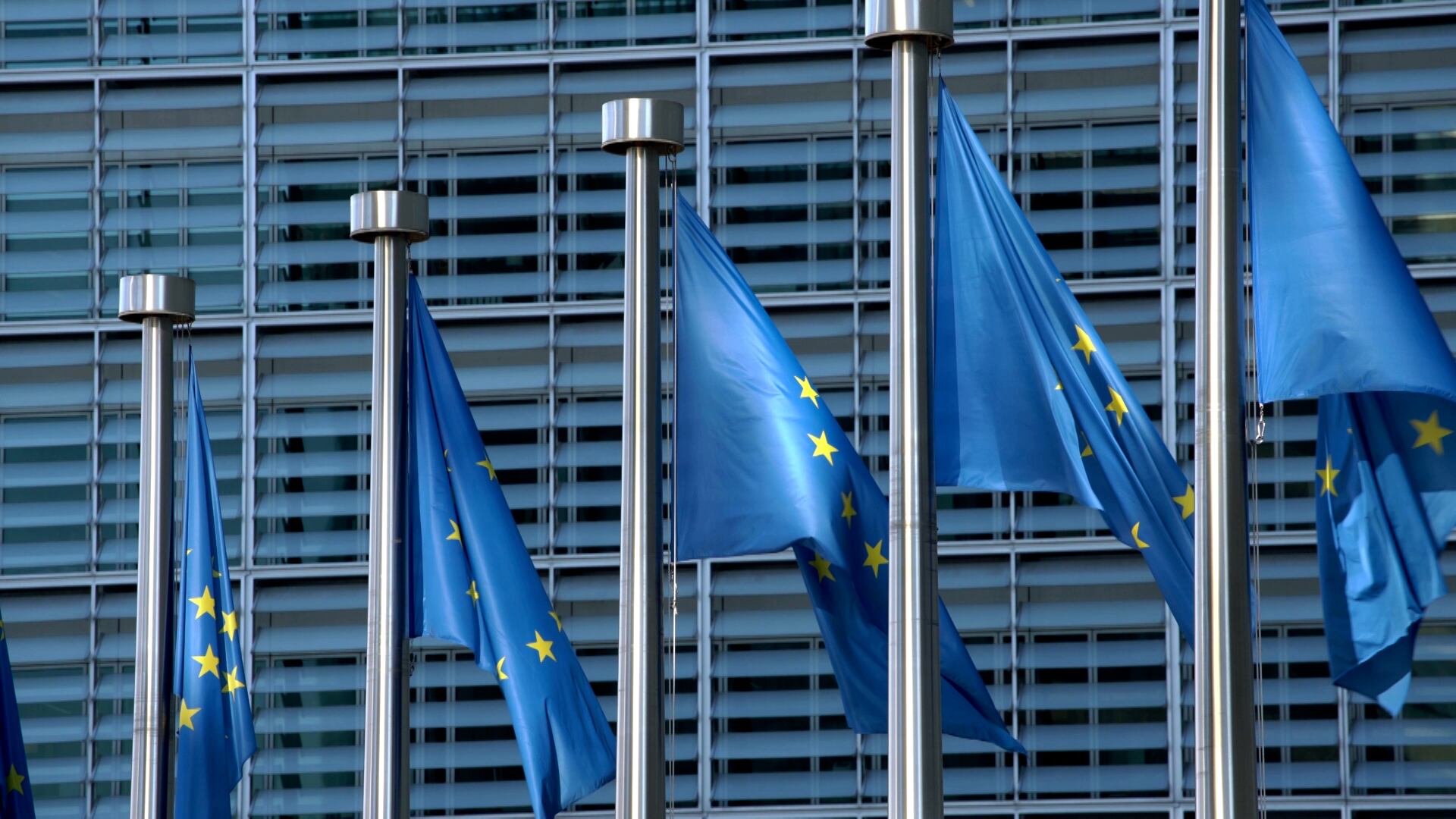
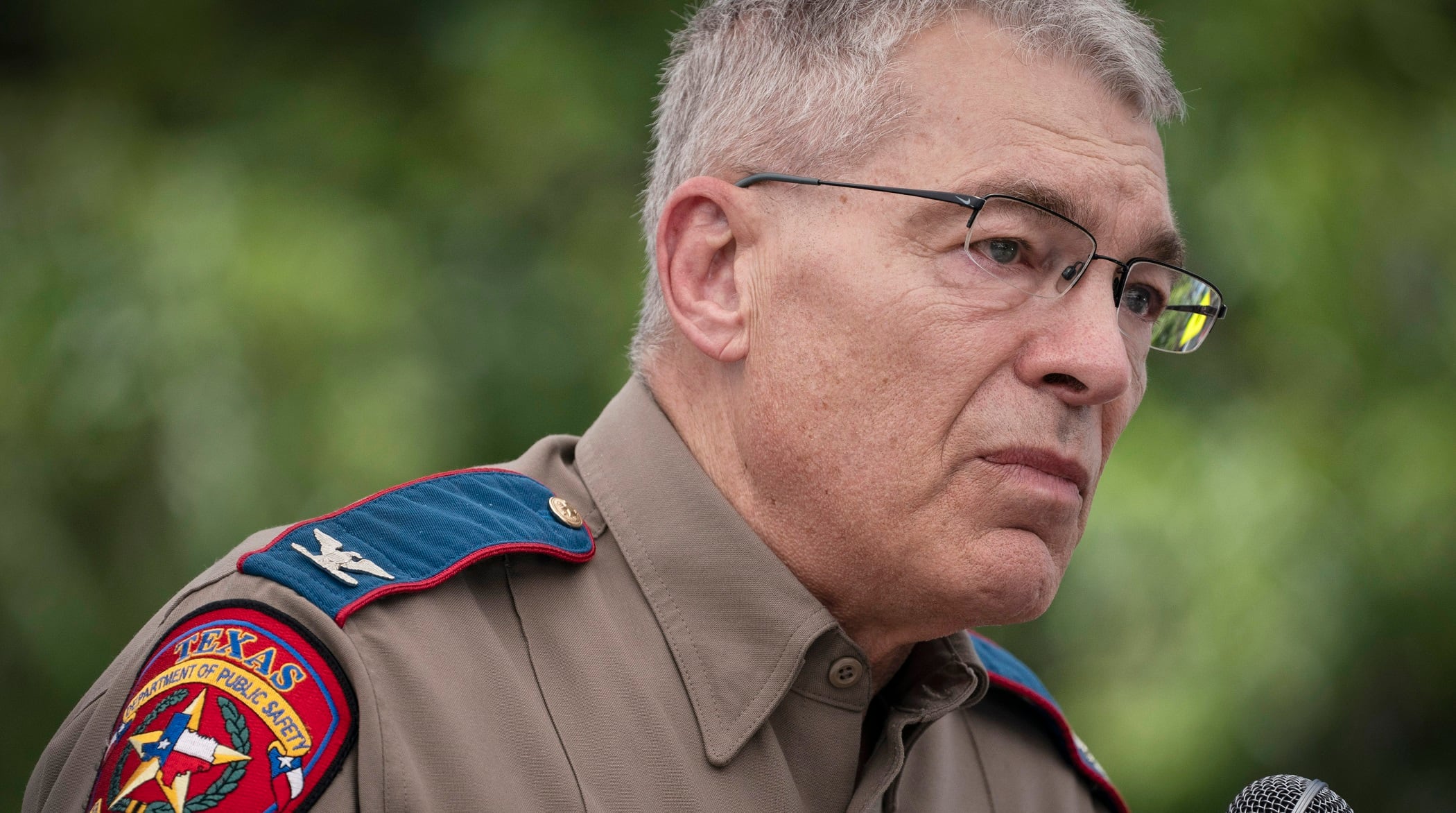
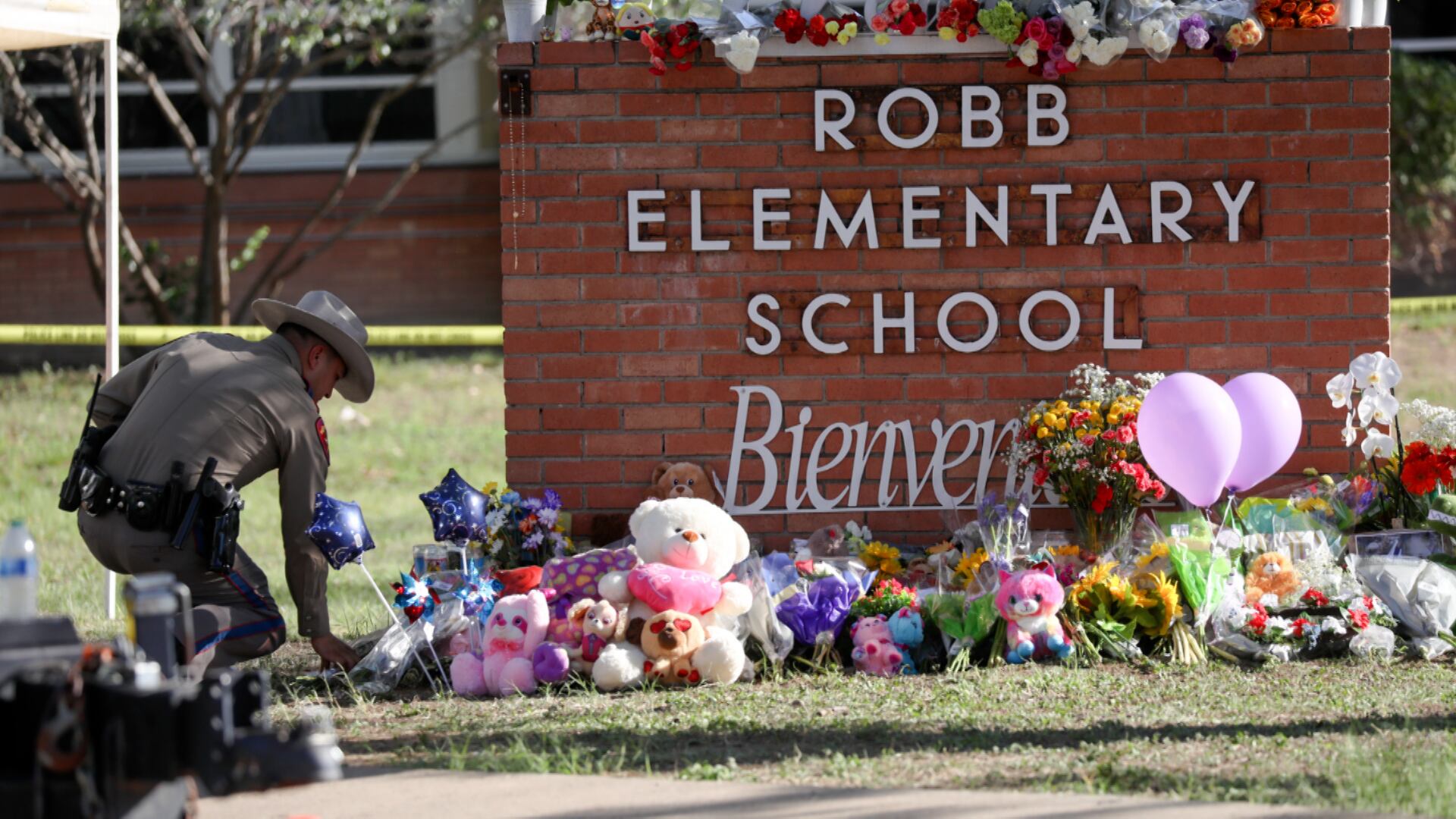
Catching you up on what you need to know on Tuesday, May 31, 2022, EU leaders agree to ban 90% of Russian oil by year-end, funerals begin in Uvalde, Texas one week after a mass shooting killed 19 children and two adults, and President Biden meets with the world's biggest boy band BTS.
The Week's Top Stories is a guided tour through the biggest market stories of the week, from winning stocks to brutal dips to the facts and forecasts generating buzz on Wall Street.
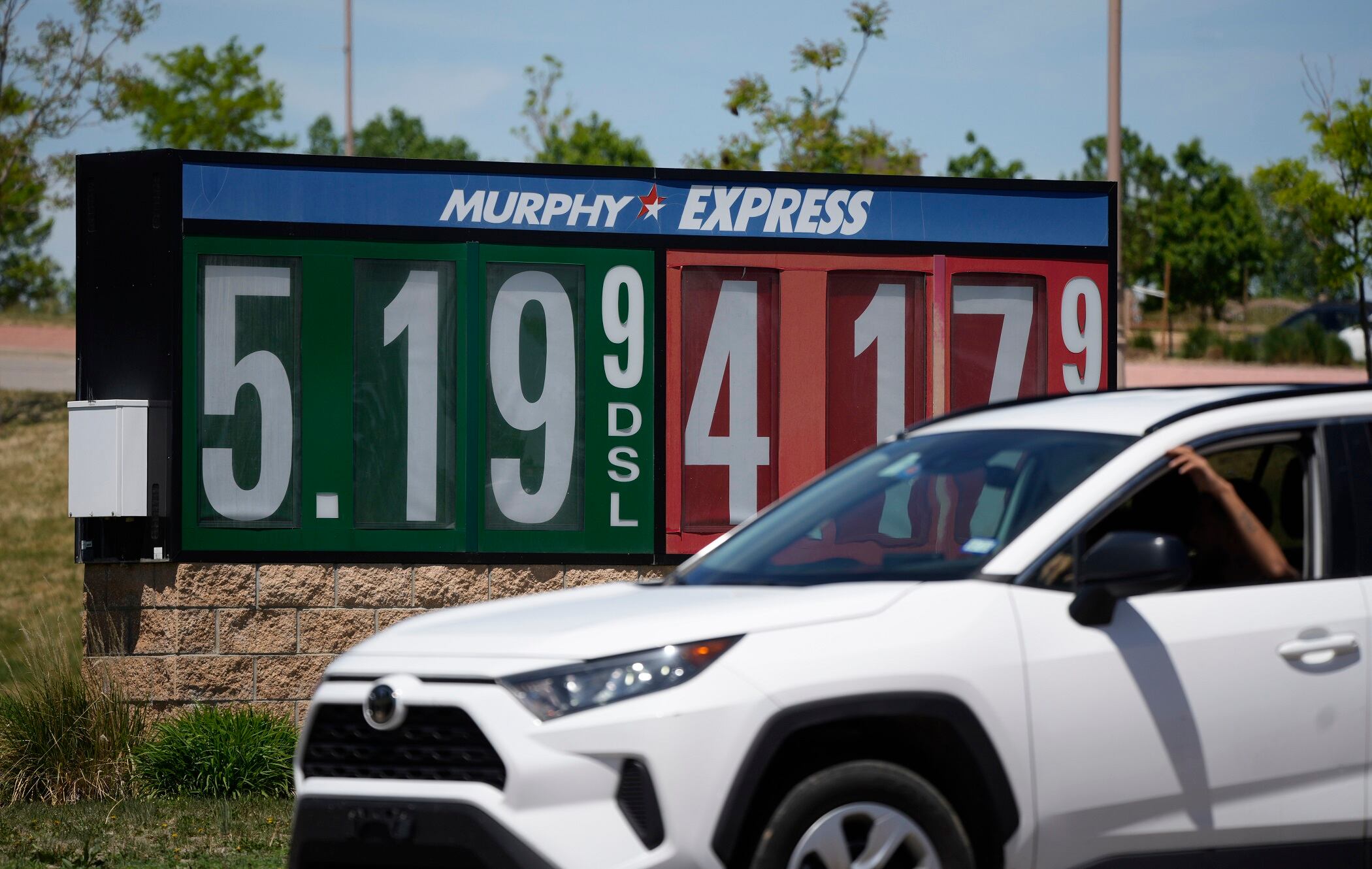
An inflation gauge closely tracked by the Federal Reserve rose 6.3% in April from a year earlier, just below a four-decade high set in March and the first slowdown since November 2020.
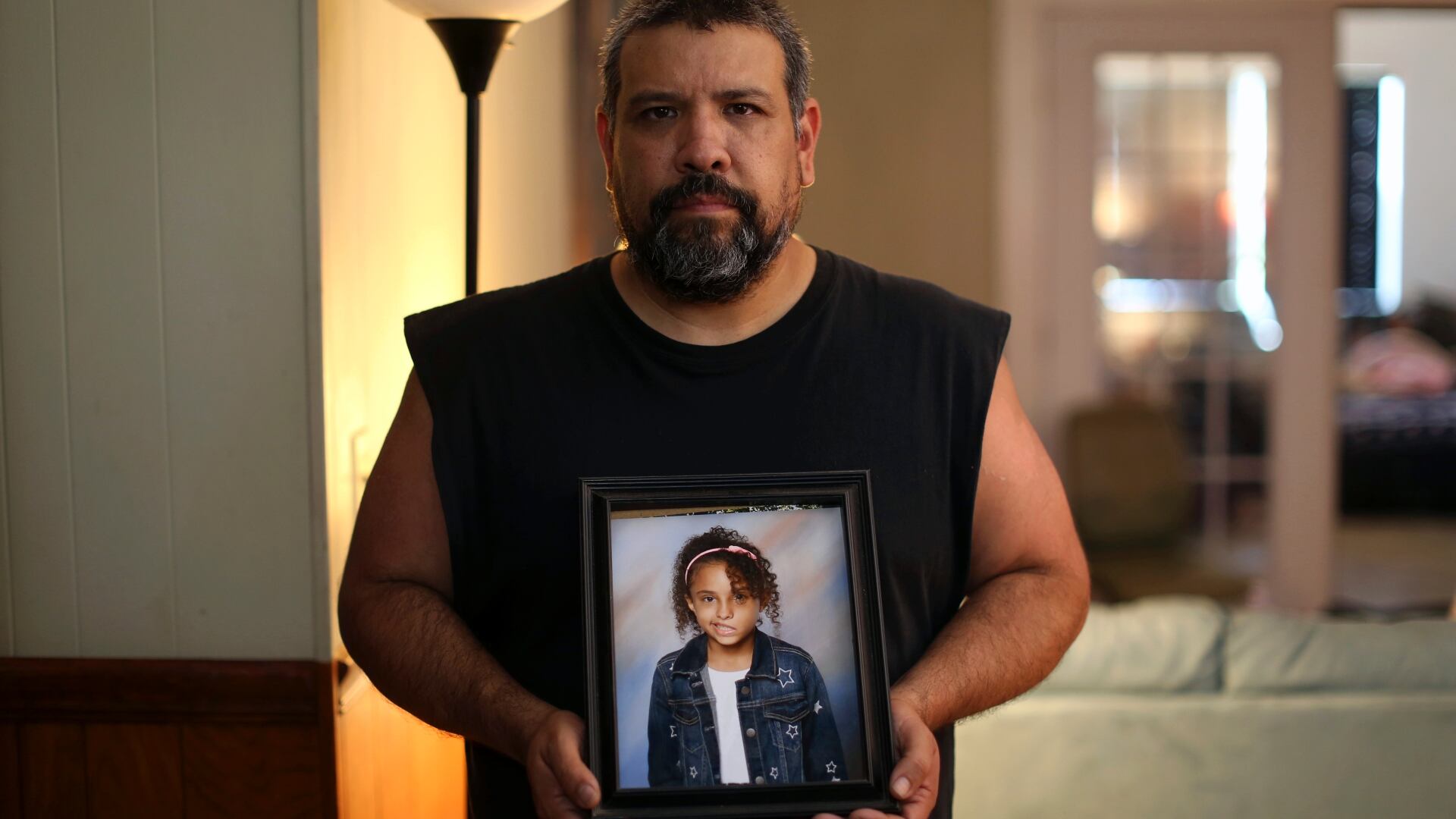
The pain and grief from this week’s shooting in a 4th grade classroom at Robb Elementary School in Uvalde, Texas is still with us. Cheddar's Shannon Lanier ends the week by pausing to remember some of the faces of the 19 children killed and their teachers.
Cheddar New’s reporter Megan Pratz reports from the scene in Uvalde, Texas, with additional details that indicate the shooter was inside Robb Elementary School for more than an hour before law enforcement was able to confront and kill him.
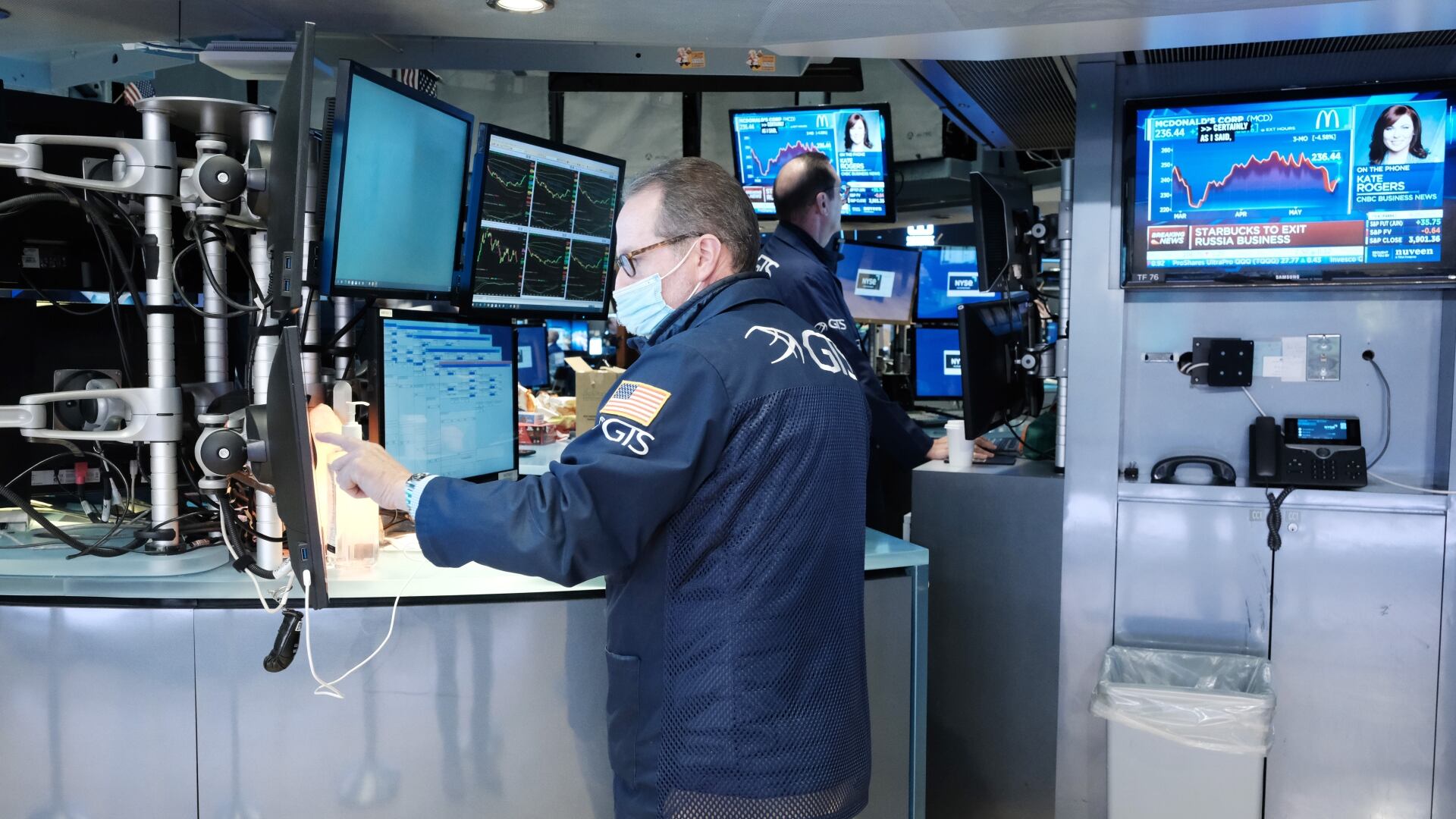
U.S. stocks ended near session highs to close Thursday's session after retailers released positive earnings results. Investors also continued to weigh the federal reserve's recent indication that the central will raise rates in an effort to curb inflation. Adam Johnson, Portfolio Manager for Adviser Investments, joins Cheddar News' Closing Bell to discuss.
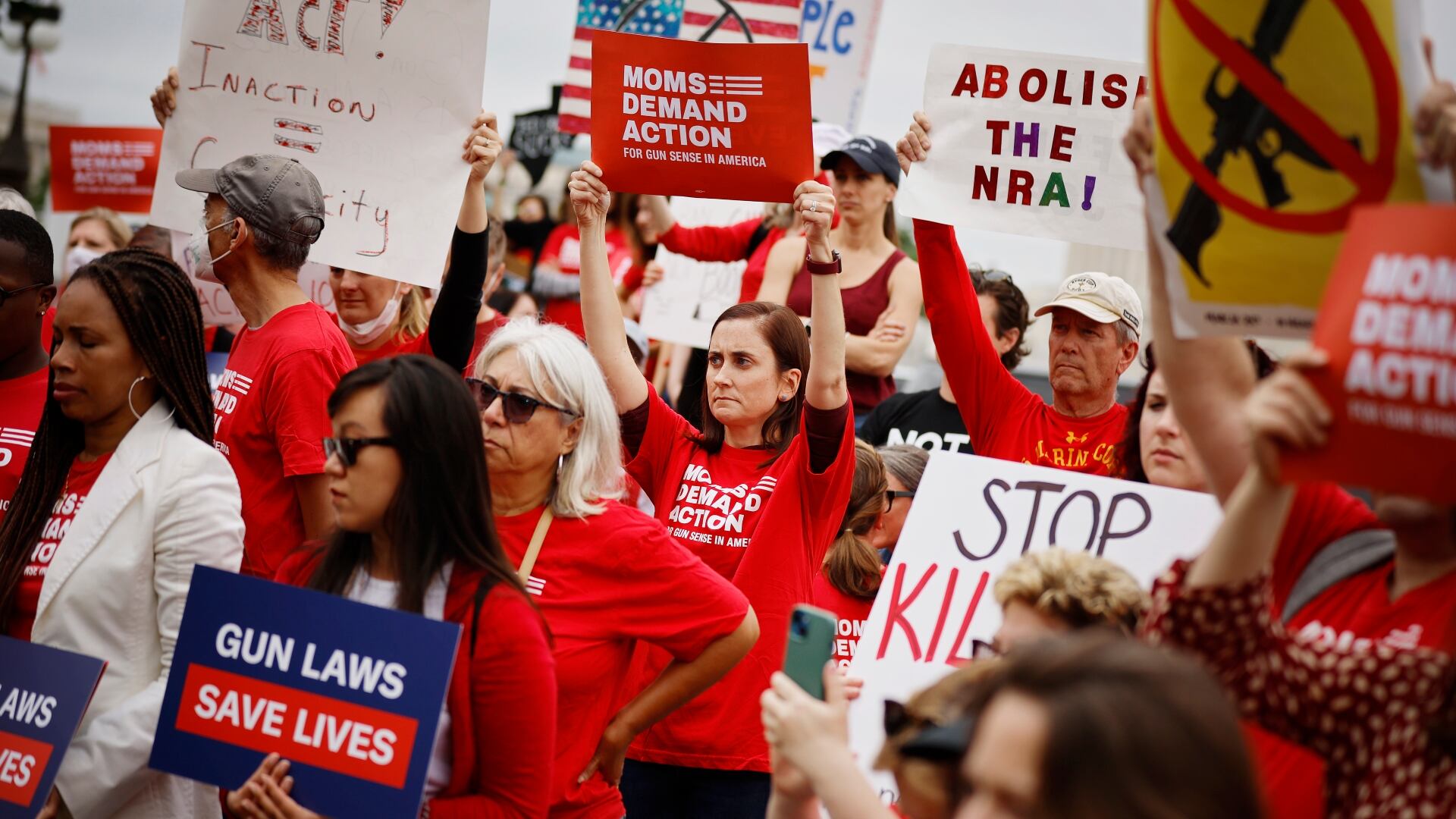
After the horrific mass shooting at a Texas elementary school, activists are once again urging Congress to take action. Trevon Bosley, a gun violence prevention activist, joined Cheddar News to talk about how to push legislators on the issue of new gun restrictions. “Even 10 years later the same sense of hopelessness from before," Bosley said, referring to the lack of change since the Sandy Hook massacre.
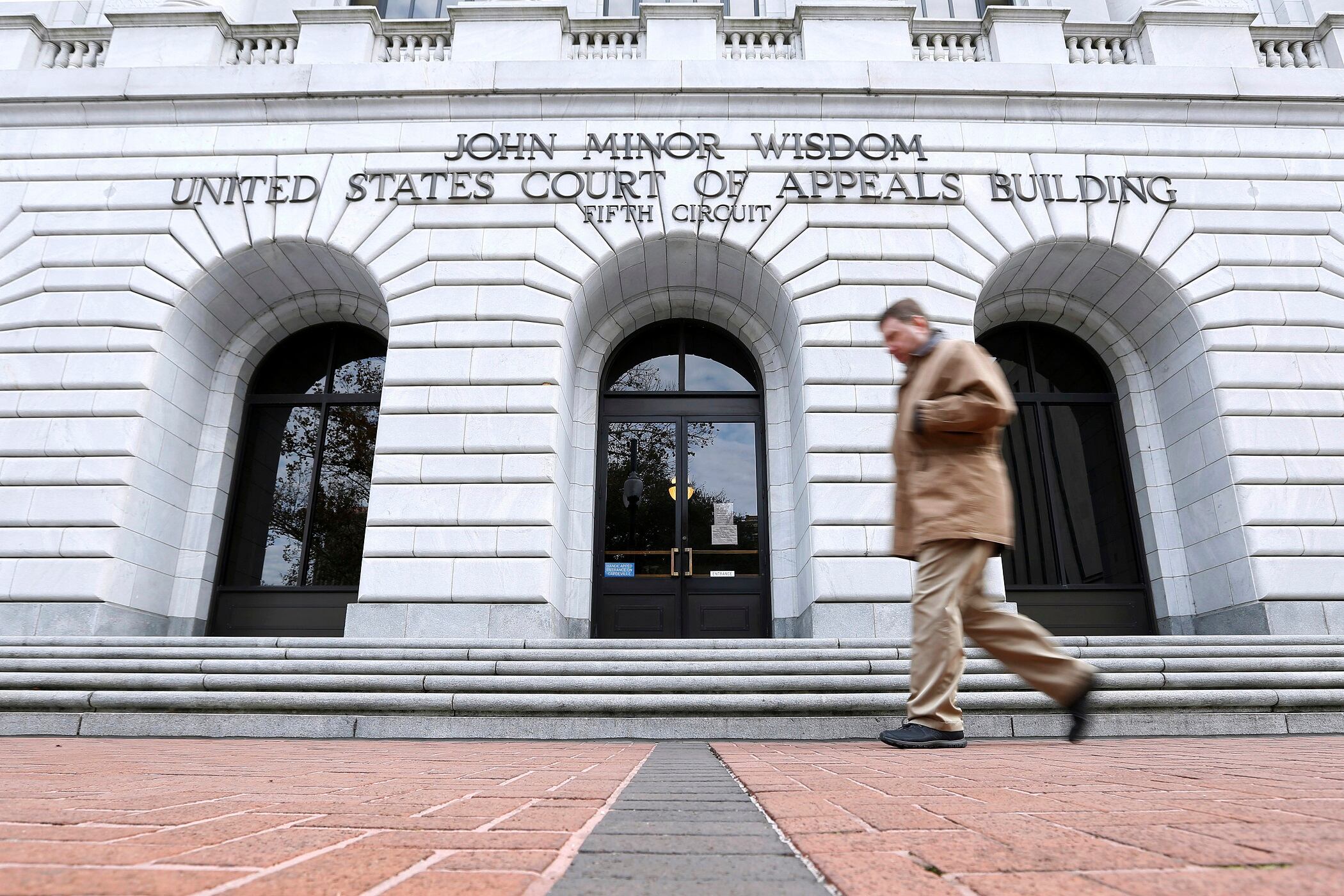
In Jarkesy v. Securities and Exchange Commission, the 5th U.S. Circuit Court of Appeals ruled that the SEC violated the U.S. Constitution. Cheddar's Alex Vuocolo dives into how the ruling could potentially change everything for regulators.