Rep. Michael Waltz (R-Fla. 6th District), a U.S. Army officer, is defending the president's actions in authorizing a drone strike that killed Gen. Qassem Soleimani last week and told Cheddar the president acted in self-defense, which Waltz said means he did not need to consult Congress first.
"Looking backwards, I'm fine with this strike," said Waltz. "I think the president has a duty if he has actionable intelligence that [Soleimani] is going to continue to kill Americans — he's operating in the country where he continues to plot and plan those attacks as he has done for decades — he is a lawful enemy combatant, completely within the president's authority to defend our diplomats and our soldiers."
White House officials have not yet provided any evidence showing a threat, which the president called "imminent," or revealed when an attack was expected. Senator Bob Menendez (D-N.J.), the top Democrat on the Senate Foreign Relations Committee, called on the president to release the intelligence.
Waltz, who is on the Armed Services Committee, said he is heading to the White House this afternoon to "take a look at it, myself."
Some Pentagon officials have said intelligence did not show an imminent attack and that the move was part of Secretary of State Mike Pompeo's push for aggressive action against Iran.
Waltz echoed remarks from Pompeo this morning, who said Soleimani's "long history of attacking Americans and killing people across the Middle East" led to Trump's decision to authorize the drone strike, at least in part.
The congressman also said the strike came "after a long string of Iranian provocations. This is not an escalation, this is a response, and it's a response designed to stop further escalation," similar to Trump's claim that he ordered the strike to stop war, not start it.
"No one in this administration that I've talked to is talking about a D-Day, Normandy style invasion, boots on the ground of Iran," Waltz said, which would necessitate an Authorization for Use of Military Force from Congress. "Self defense is always within the laws of land warfare and within the commander in chief."
Carlo and Baker cover the latest developments with the Omicron variant, and break down what we know and what we still don't. Plus, a relatively tame Black Friday, and more.
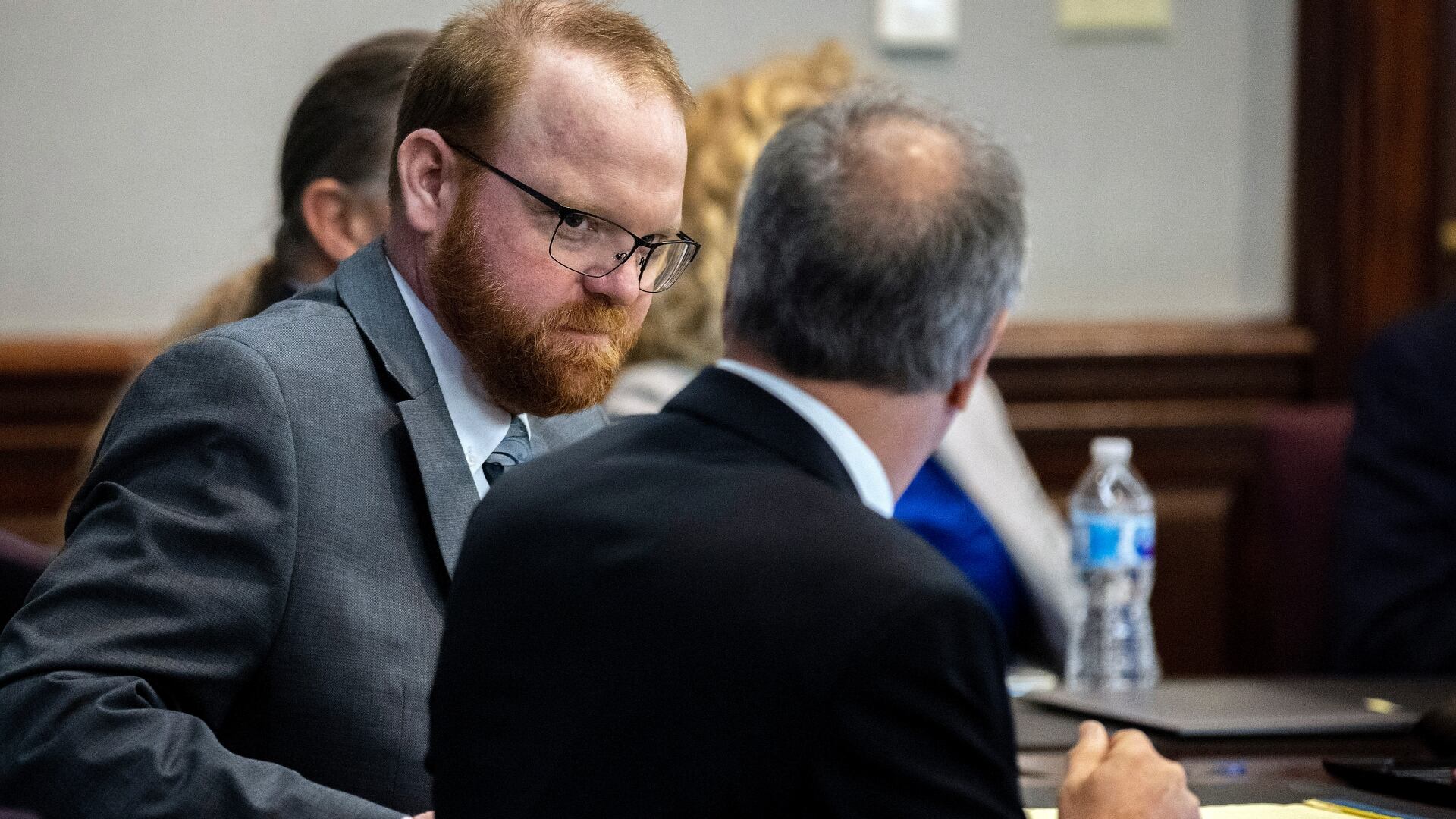
Jurors on Wednesday convicted the three white men charged in the death of Ahmaud Arbery, the Black man who was chased and fatally shot while running through their Georgia neighborhood in an attack that became part of the larger national reckoning on racial injustice during the summer of 2020. Trial attorney and former prosecutor Leslie Ricard Chambers joins Cheddar News' Closing Bell to discuss the verdict, possible sentencing, and more.
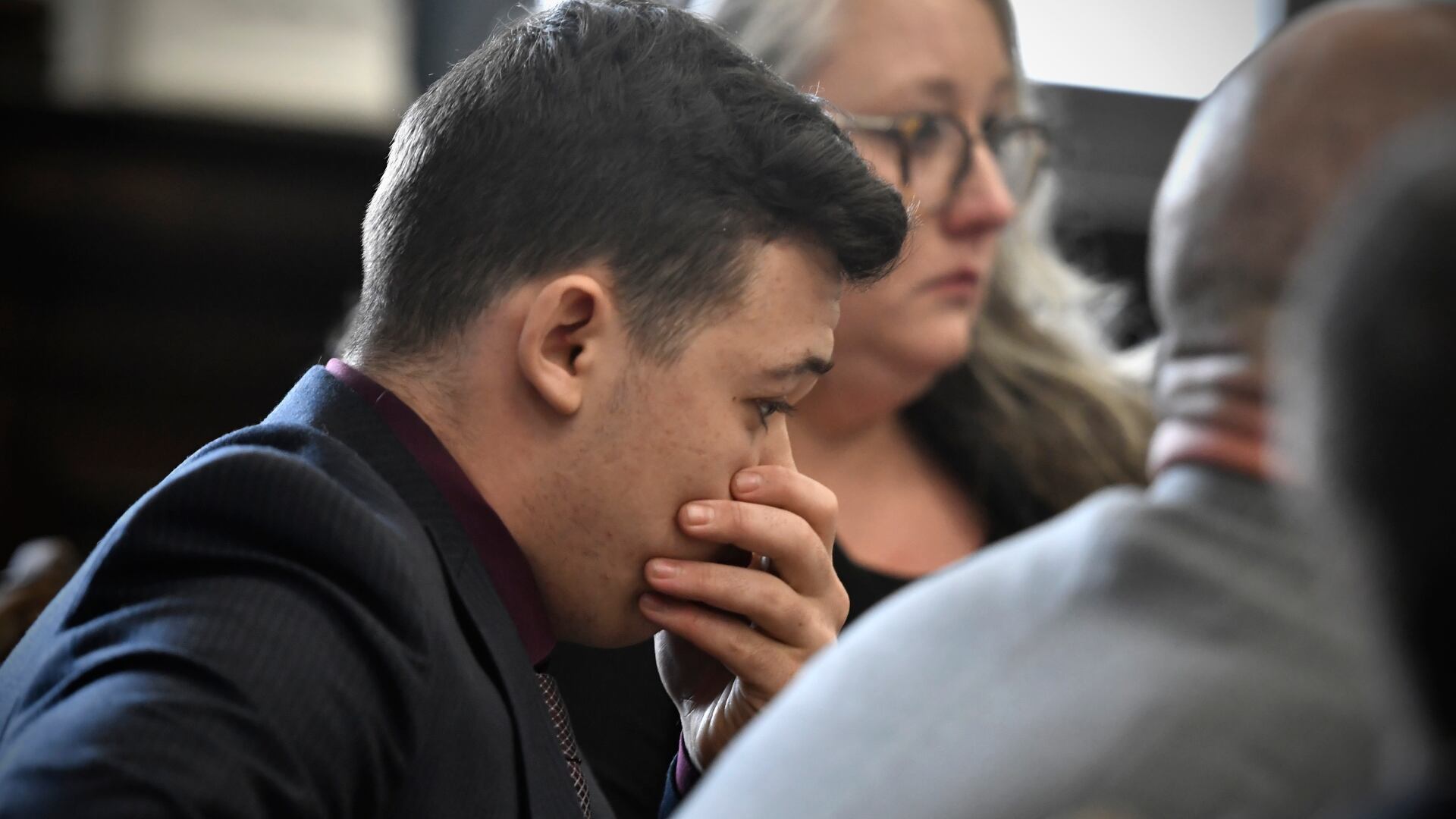
Kyle Rittenhouse was acquitted of all charges Friday after pleading self-defense in the deadly Kenosha shootings that became a flashpoint in the debate over guns, vigilantism and racial injustice in the U.S. Criminal Defense Attorney Anthony Tall joins Cheddar News' Closing Bell to discuss the verdict, potential judicial precedent, and more.
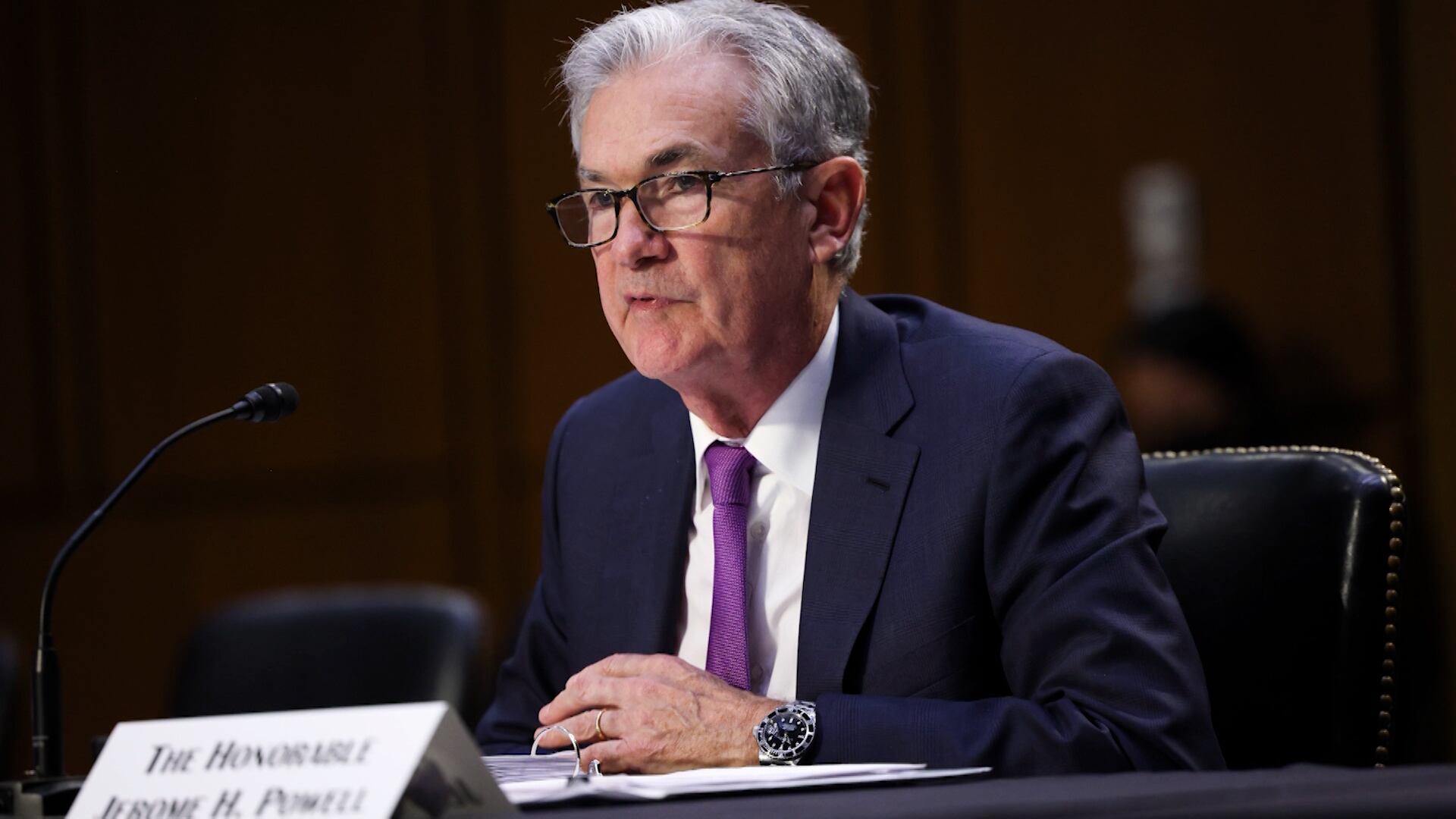
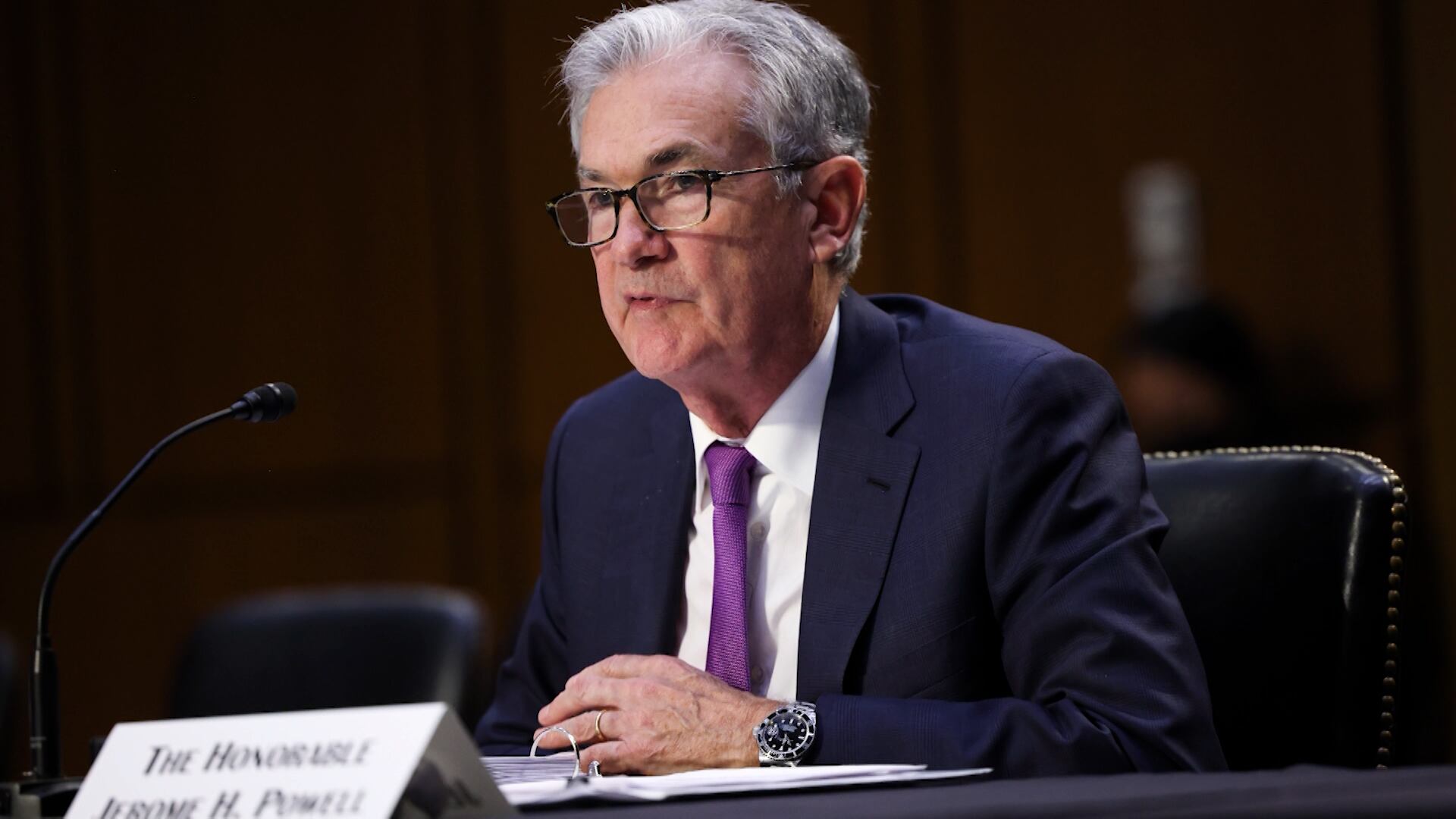
President Biden has announced his intent to nominate Fed chair Jerome Powell for another four-year term, with Lael Brainard serving as vice chair. This comes at a crucial time for the economy as inflation is surging, the supply chain is broken, and labor shortages are hampering businesses across the country. Sabrina Escobar, reporter for Barron's, discusses why Biden passed up the opportunity to put the central bank in the hands of a Democrat, and what challenges Powell faces in his second term.
Jill and Carlo are a bit delayed today on account of Carlo's internet not working. Better late than never, they discuss what we know about the suspect in the Christmas parade crash, closing arguments in the Arbery killing trial, and more.
Stocks began the week closing at session lows on a day when bond yields rose and President Biden decided to stick with Jerome Powell as Fed Chair. Bryan Lee, Chief Investment Officer at Blue Zone Wealth Advisors, joins Cheddar News' Closing Bell, where he breaks down the day's activity and discusses what the Fed now needs to do going forward.
President Joe Biden announced Monday he is re-nominating Federal Reserve Chairman Jerome Powell after weeks of speculation that he would choose Democrat and Fed Governor Lael Brainard to fill the role. Biden could be looking for continuity as the U.S. continues to grapple with COVID-19 and high inflation, and investors could be on the same page: markets and treasuries ticked up after the White House made the announcement. MarketWatch Senior Reporter Greg Robb joins Cheddar News' Closing Bell to discuss Powell's re-nomination, what we can expect from the Fed's December meeting, whether it will speed up its taper timeline, and more.