Rep Tulsi Gabbard (D-HI): The Democratic Party Needs Change
Alabama is a deeply red state, but Democrats snagged their first Senate seat in two decades this week, when Doug Jones beat out former State Supreme Court Chief Justice Roy Moore. But the highly controversial win is a sign that Democrats need to return to their core values, one congresswoman told Cheddar.
“[The Party] for years now has become more beholden to the elite powerful few and special interest, rather than actually representing the broad Democratic values that exist in the grassroots across the country,” Rep Tulsi Gabbard (D-HI), told Cheddar.
Many politicians called constituents to go out and vote during this election, particularly because Moore was accused of predatory behavior with women and minors. Notwithstanding, during the elections President Donald Trump called on to constituents to go out and vote for Moore. Pundits also considered this election important because Republicans held the Senate majority with 52 seats, and this win gives Democrats some leverage ahead of elections in the coming year.
Gabbard, however, gives credit to the American people for Jones’ win and not the Democratic party.
“What you see are people saying my vote matters, my vote will make a difference,” she said.
For full interview [click here](https://cheddar.com/videos/rep-tulsi-gabbard-d-hi-net-neutrality-decision-will-hurt-the-small-guy).
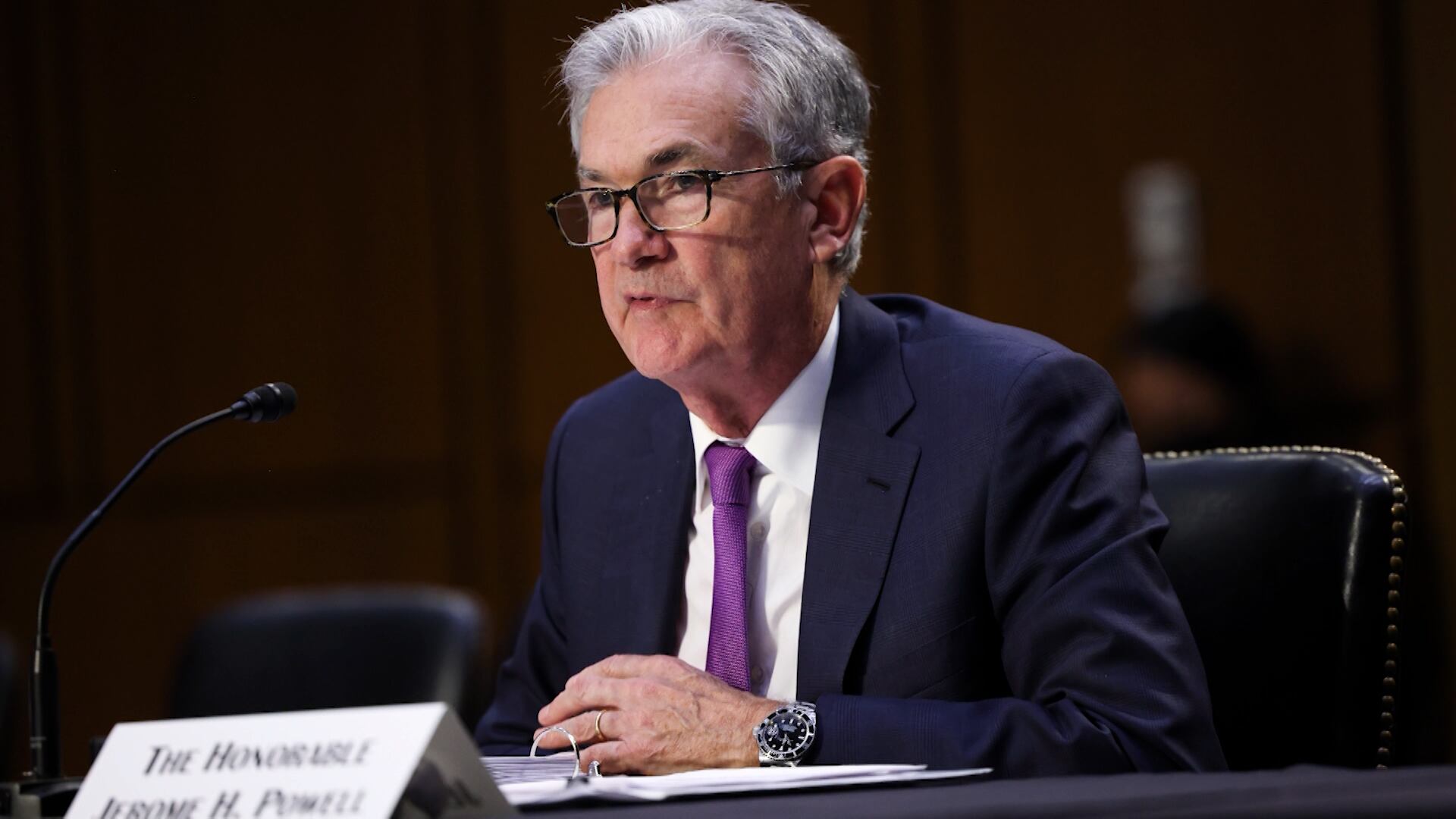
Stocks began the week closing at session lows on a day when bond yields rose and President Biden decided to stick with Jerome Powell as Fed Chair. Bryan Lee, Chief Investment Officer at Blue Zone Wealth Advisors, joins Cheddar News' Closing Bell, where he breaks down the day's activity and discusses what the Fed now needs to do going forward.
President Joe Biden announced Monday he is re-nominating Federal Reserve Chairman Jerome Powell after weeks of speculation that he would choose Democrat and Fed Governor Lael Brainard to fill the role. Biden could be looking for continuity as the U.S. continues to grapple with COVID-19 and high inflation, and investors could be on the same page: markets and treasuries ticked up after the White House made the announcement. MarketWatch Senior Reporter Greg Robb joins Cheddar News' Closing Bell to discuss Powell's re-nomination, what we can expect from the Fed's December meeting, whether it will speed up its taper timeline, and more.
President Joe Biden named Jerome Powell, initially appointed by President Trump, to keep his seat as the chair of the Federal Reserve on Monday amid the ongoing challenges of the pandemic, inflation, and unemployment. David Beckworth, a former international economist for the Treasury Department and a senior fellow with the Mercatus Center, joined Cheddar to discuss what he sees as the practicality of Biden's decision. "What Powell brings to the table is he's built up political capital with Republicans and Democrats," he said. "It's easy for him to get the job done. I think in one way he was the path of least resistance for the president."
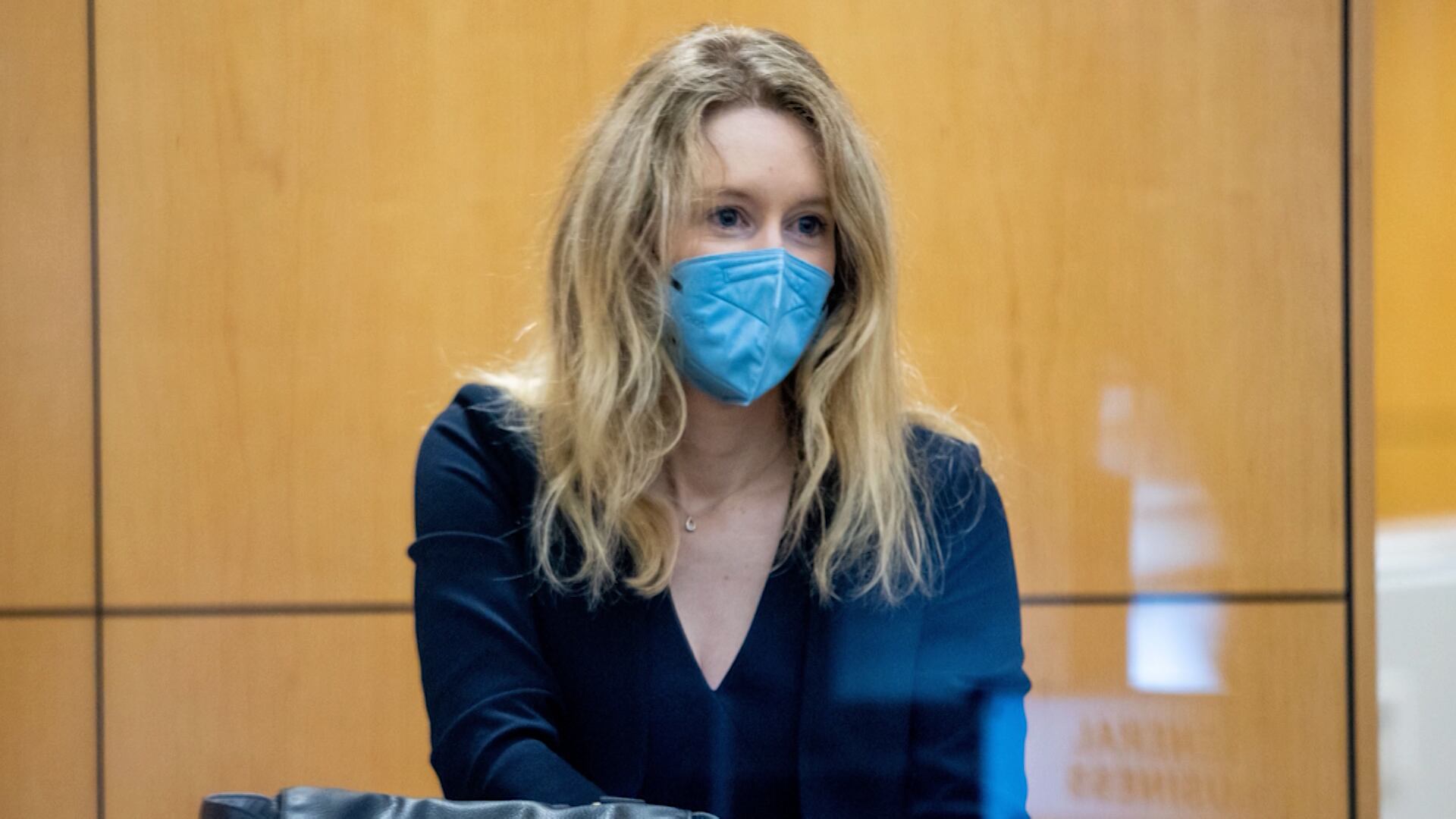
In a surprise turn of events, Elizabeth Holmes took the stand in her own defense on Friday and is expected to continue her testimony later today. Holmes, who founded a blood testing start-up Theranos back in 2003, faces 11 counts of wire fraud as well as conspiracy to commit wire fraud. Aron Solomon, Chief Legal Analyst, Esquire Digital joined Cheddar's Opening Bell to discuss.
Jill and Carlo cover the developing story out of suburban Milwaukee, where a speeding SUV careened through a Christmas parade. Looters get more brazen in San Francisco, the missing Chinese tennis star resurfaces, and more.
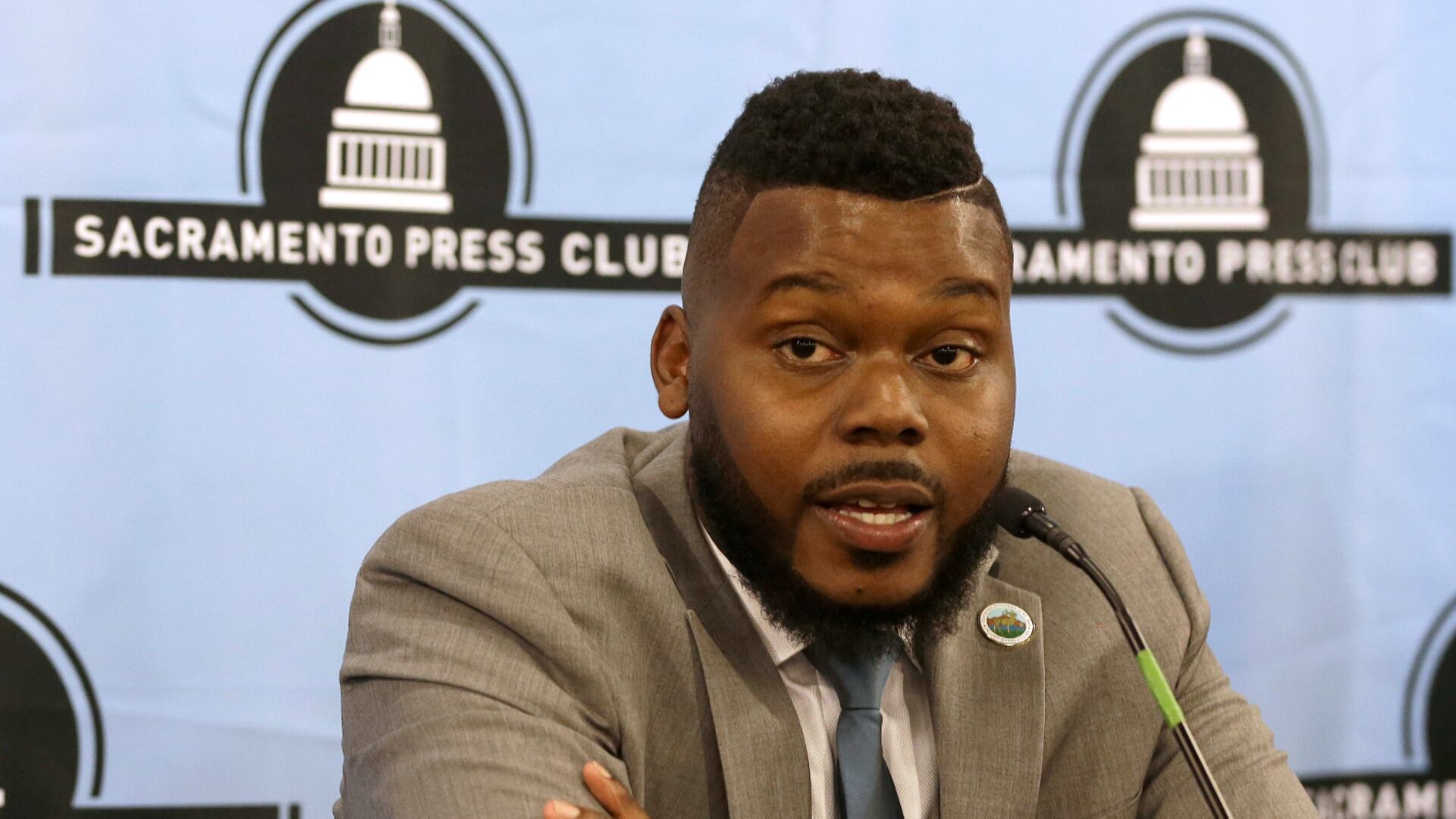
Michael Tubbs, former Mayor of Stockton, California and author of 'The Deeper the Roots,' joined Cheddar Movers to talk all about his new memoir, and his ongoing fight to make meaningful change in his community.
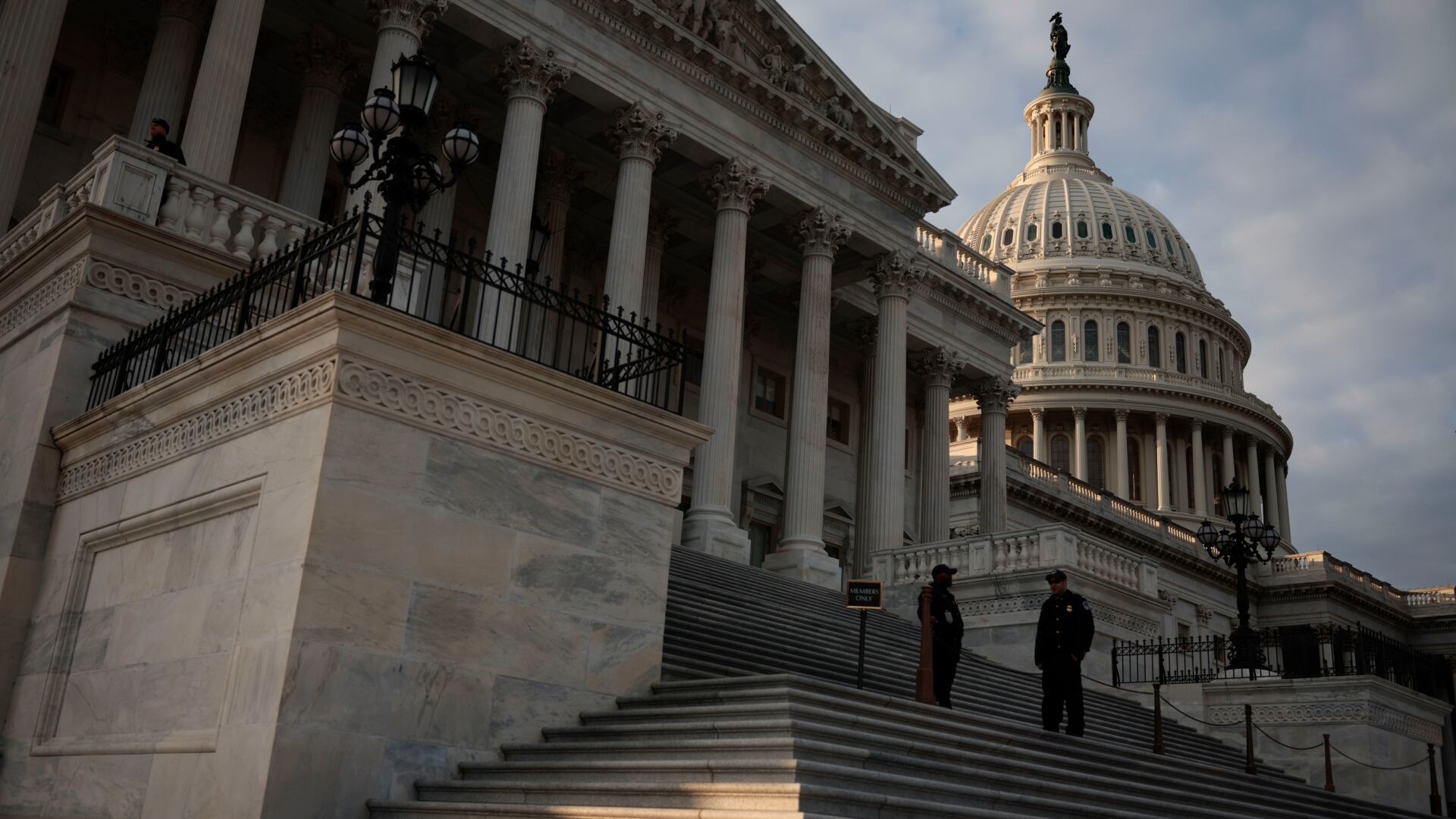
The House narrowly passed President Biden's $1.7 trillion Build Back Better bill, the largest expansion of the social safety net in decades. The final vote was 220 to 213, with only one Democrat joining all Republicans in opposing the bill. It now heads to the Senate, where it faces an uncertain fate. Jennifer Haberkorn, congressional reporter for the Los Angeles Times, joins Cheddar News' Closing Bell, where she breaks down the current version of the bill, where it goes next, and what it could mean for the country if it eventually reaches the president's desk.