Rep. Tim Ryan (D-Ohio 13th District) said on Friday that the $1 trillion stimulus package currently being negotiated by lawmakers won't be nearly enough to make Americans whole again.
"Quite frankly I think the package that we're seeing coming out of Washington, DC is not even close to meeting the big need that we have," Ryan told Cheddar. "I think we need to be talking more like $2 trillion than $1 trillion, and at least a trillion for the workers."
The former Democratic primary candidate also advocated for bolstering unemployment insurance to ensure that people are making the same amount they did before their jobs.
"These are really essential things to keep the workforce safe, so when we go to kickstart things back up again, they're ready to slide back into the jobs that they lost," he said. "We need to be thinking much, much bigger and in much more innovative ways."
One important thing to keep in mind about this economic crisis, Ryan added, is that federal investment, in this case, won't grow the economy but merely keep it solvent, which may be difficult to swallow for those seeking a return on their investment for any kind of stimulus.
"This isn't like the Great Depression where you put money in people's pockets and then they go out and buy stuff," he said. "Now you're giving people money and basically saying pay your rent, pay your mortgage, pay your auto loan, and then buy food because you can't go anywhere."
The representative also believes the current package is skewed toward companies rather than workers and doesn't want to bail out companies without specific conditions banning stock buybacks or corporate bonuses.
"This is revealing the kind of corruption and rotting of the supply-side economic theory," he said. "The same people that just got the huge tax cuts are coming to the taxpayer to ask us to bail them out. So they get all the profits, and then they socialize the losses."
Carlo and Baker cover the latest developments with the Omicron variant, and break down what we know and what we still don't. Plus, a relatively tame Black Friday, and more.
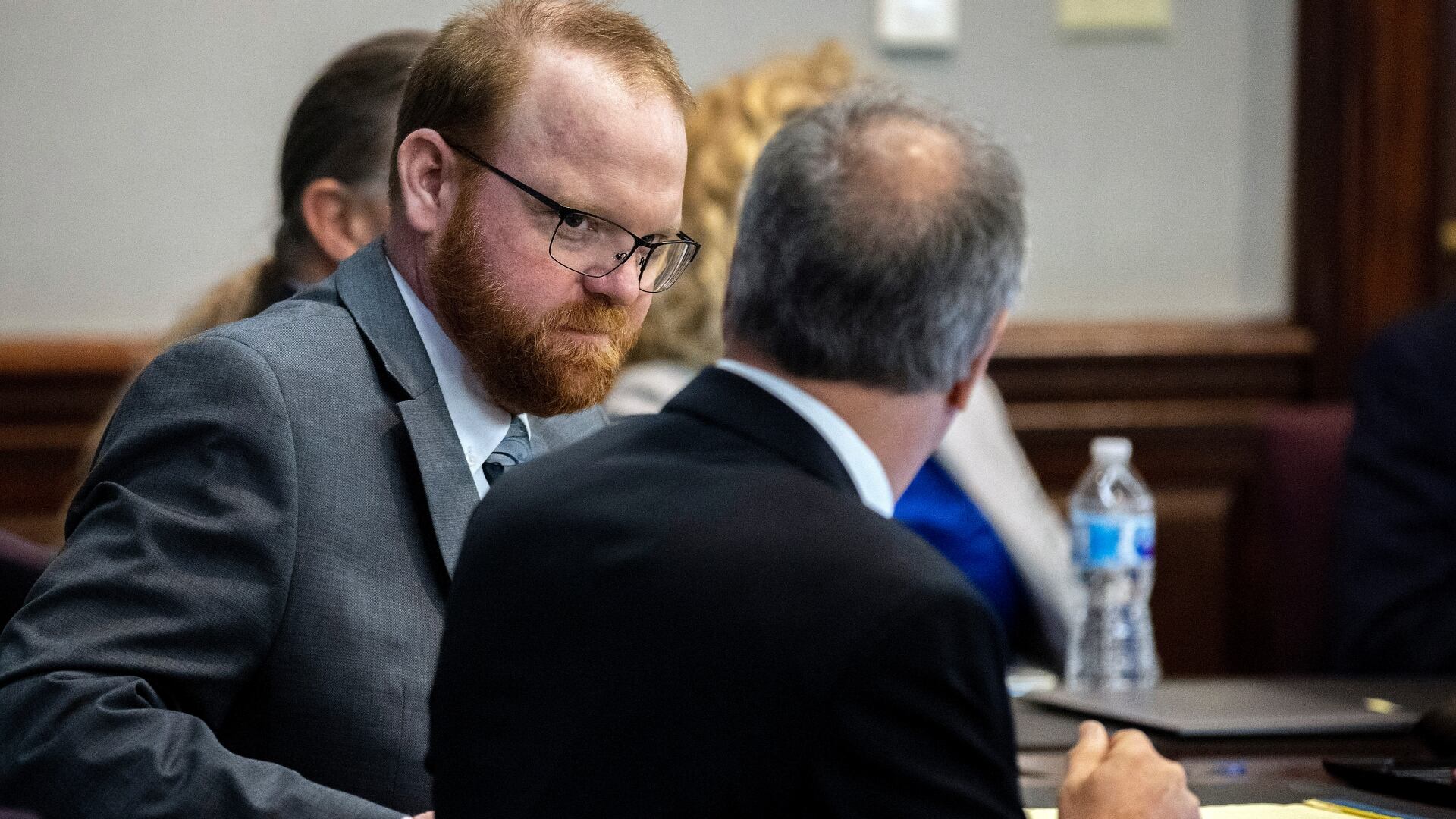
Jurors on Wednesday convicted the three white men charged in the death of Ahmaud Arbery, the Black man who was chased and fatally shot while running through their Georgia neighborhood in an attack that became part of the larger national reckoning on racial injustice during the summer of 2020. Trial attorney and former prosecutor Leslie Ricard Chambers joins Cheddar News' Closing Bell to discuss the verdict, possible sentencing, and more.
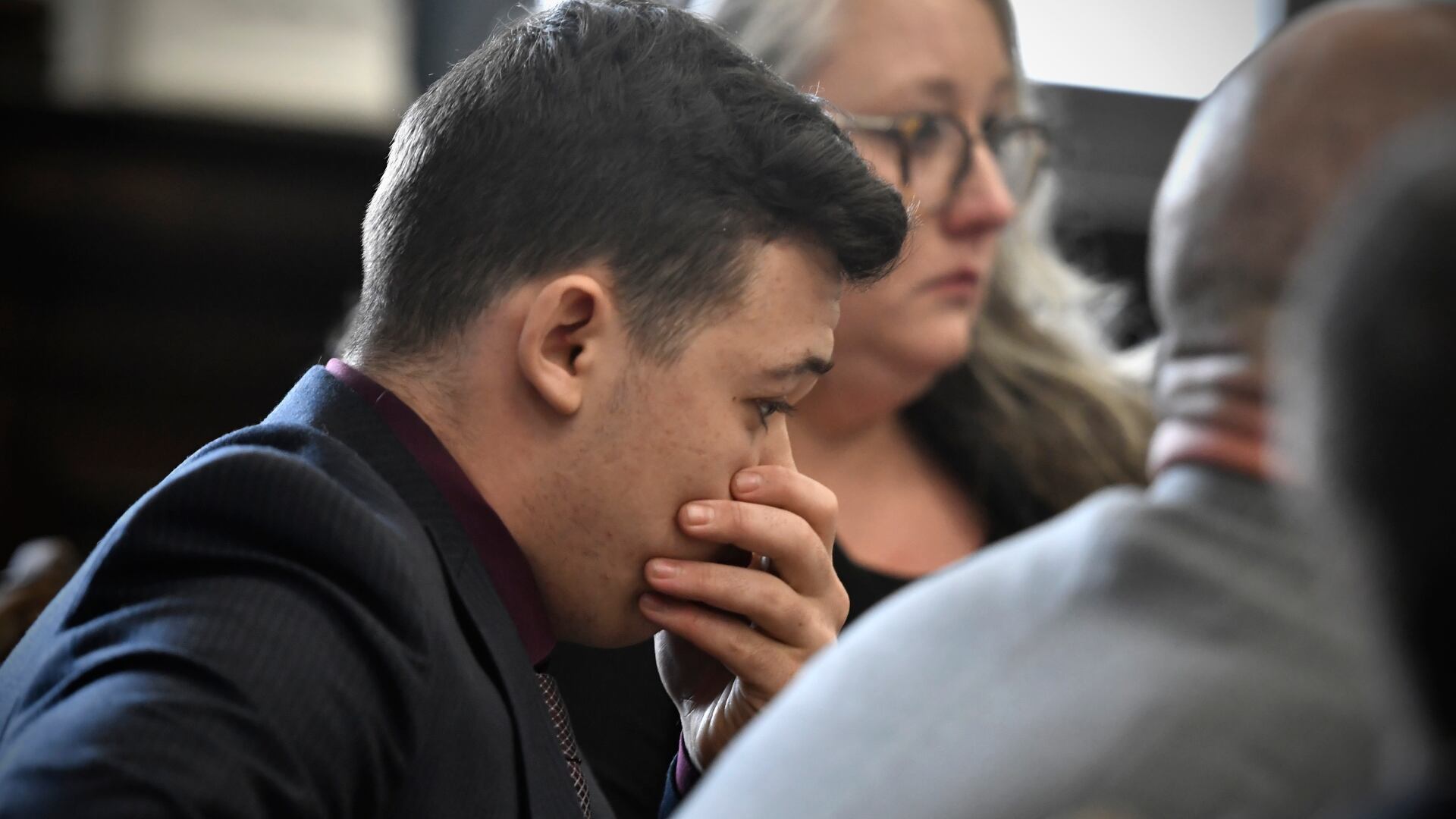
Kyle Rittenhouse was acquitted of all charges Friday after pleading self-defense in the deadly Kenosha shootings that became a flashpoint in the debate over guns, vigilantism and racial injustice in the U.S. Criminal Defense Attorney Anthony Tall joins Cheddar News' Closing Bell to discuss the verdict, potential judicial precedent, and more.
President Biden has announced his intent to nominate Fed chair Jerome Powell for another four-year term, with Lael Brainard serving as vice chair. This comes at a crucial time for the economy as inflation is surging, the supply chain is broken, and labor shortages are hampering businesses across the country. Sabrina Escobar, reporter for Barron's, discusses why Biden passed up the opportunity to put the central bank in the hands of a Democrat, and what challenges Powell faces in his second term.
Jill and Carlo are a bit delayed today on account of Carlo's internet not working. Better late than never, they discuss what we know about the suspect in the Christmas parade crash, closing arguments in the Arbery killing trial, and more.
Stocks began the week closing at session lows on a day when bond yields rose and President Biden decided to stick with Jerome Powell as Fed Chair. Bryan Lee, Chief Investment Officer at Blue Zone Wealth Advisors, joins Cheddar News' Closing Bell, where he breaks down the day's activity and discusses what the Fed now needs to do going forward.
President Joe Biden announced Monday he is re-nominating Federal Reserve Chairman Jerome Powell after weeks of speculation that he would choose Democrat and Fed Governor Lael Brainard to fill the role. Biden could be looking for continuity as the U.S. continues to grapple with COVID-19 and high inflation, and investors could be on the same page: markets and treasuries ticked up after the White House made the announcement. MarketWatch Senior Reporter Greg Robb joins Cheddar News' Closing Bell to discuss Powell's re-nomination, what we can expect from the Fed's December meeting, whether it will speed up its taper timeline, and more.