Rep. Tim Ryan (D-Ohio 13th District) said on Friday that the $1 trillion stimulus package currently being negotiated by lawmakers won't be nearly enough to make Americans whole again.
"Quite frankly I think the package that we're seeing coming out of Washington, DC is not even close to meeting the big need that we have," Ryan told Cheddar. "I think we need to be talking more like $2 trillion than $1 trillion, and at least a trillion for the workers."
The former Democratic primary candidate also advocated for bolstering unemployment insurance to ensure that people are making the same amount they did before their jobs.
"These are really essential things to keep the workforce safe, so when we go to kickstart things back up again, they're ready to slide back into the jobs that they lost," he said. "We need to be thinking much, much bigger and in much more innovative ways."
One important thing to keep in mind about this economic crisis, Ryan added, is that federal investment, in this case, won't grow the economy but merely keep it solvent, which may be difficult to swallow for those seeking a return on their investment for any kind of stimulus.
"This isn't like the Great Depression where you put money in people's pockets and then they go out and buy stuff," he said. "Now you're giving people money and basically saying pay your rent, pay your mortgage, pay your auto loan, and then buy food because you can't go anywhere."
The representative also believes the current package is skewed toward companies rather than workers and doesn't want to bail out companies without specific conditions banning stock buybacks or corporate bonuses.
"This is revealing the kind of corruption and rotting of the supply-side economic theory," he said. "The same people that just got the huge tax cuts are coming to the taxpayer to ask us to bail them out. So they get all the profits, and then they socialize the losses."
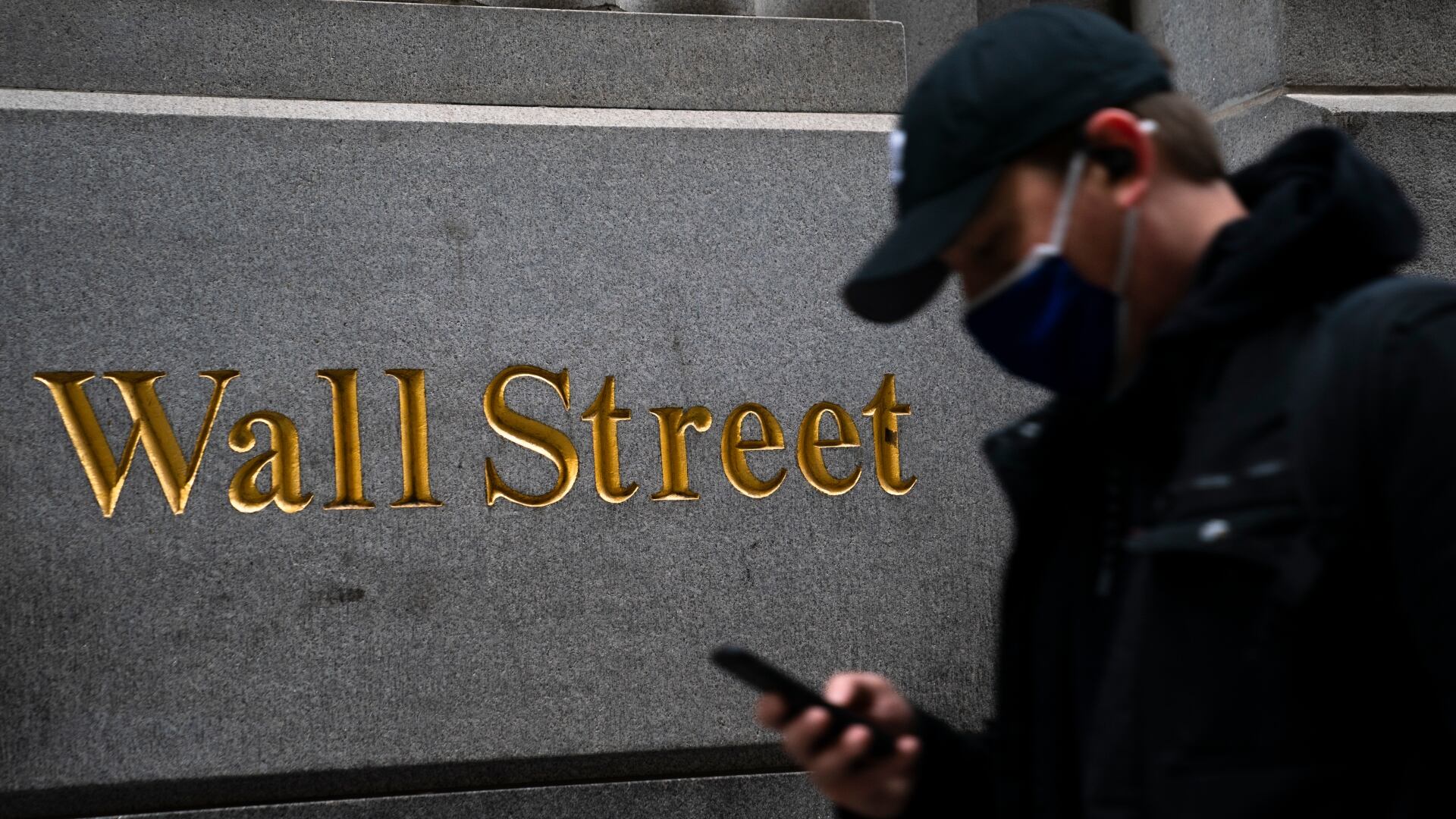
Markets opened slightly higher to kick off the final trading week of the year as investors continue to watch the Omicron variant in the U.S. Sean O'Hara, President, Pacer ETFs joined Cheddar's Opening Bell to discuss what drove early market activity.
Carlo and Baker kick off the weirdest week of the year with all the news you missed over the holiday weekend, including calls for the CDC to shorten its isolation window as Omicron sweeps through the country.
Former professional tennis player Patrick McEnroe joined Cheddar to discuss the troubling issues surrounding player Peng Shuai who appeared potentially to have been silenced following her social media post accusing former Vice-Premier Zhang Gaoli of sexual assault. Shuai's subsequent disappearance, reappearance, and apparent retraction of the accusation in an interview only added to worries. "When this happened, all of us in the tennis community were very concerned. And, by the way, another thing Peng said in this interview was that she doesn't speak very good English," McEnroe noted. "Well I can assure you, she speaks darn good English, 'cause I spoke to her on many occasions over the last 15 years."
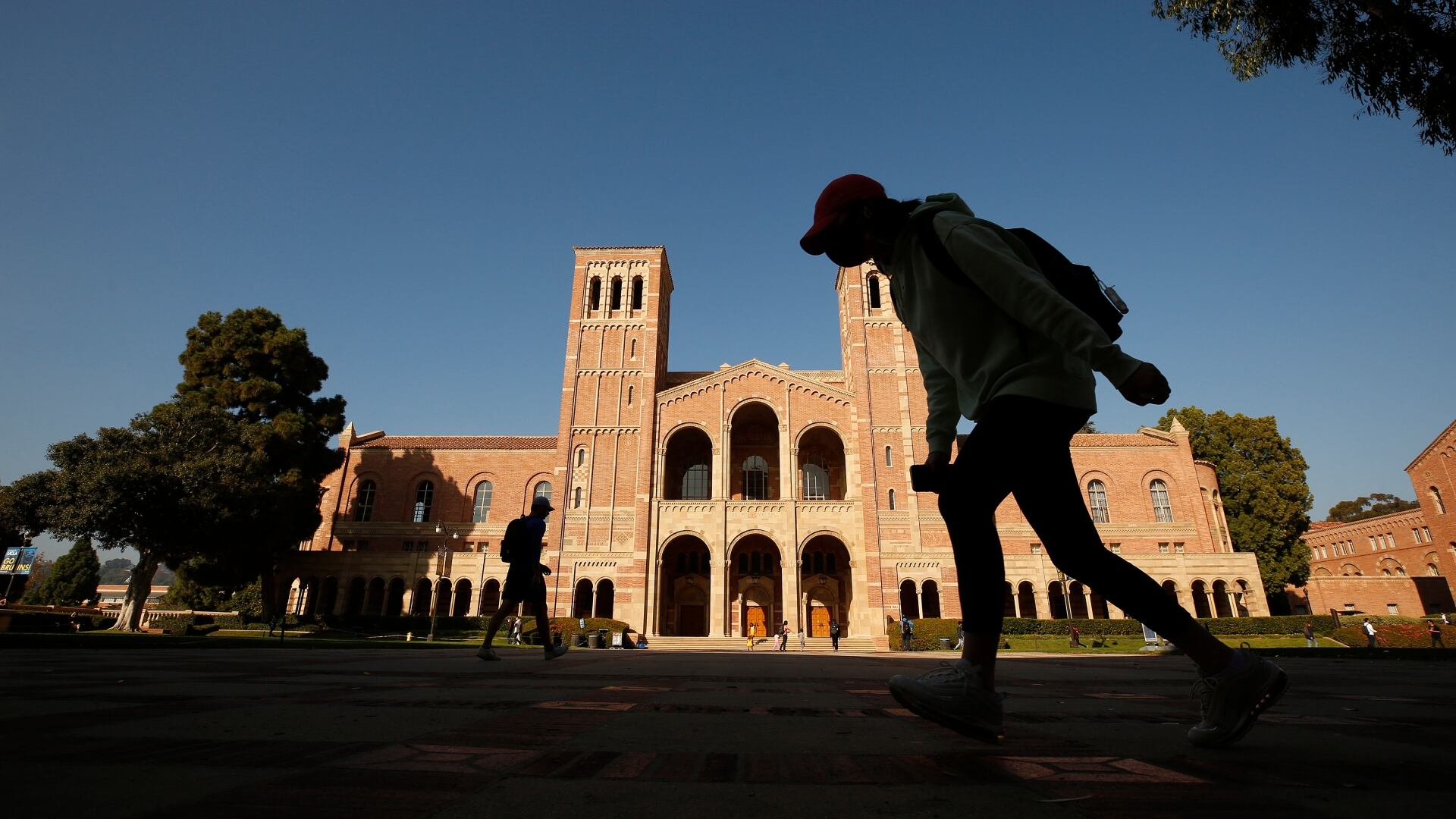
Universities like UCLA, Yale, and Duke have announced they're implementing remote learning amid the COVID omicron variant surge, despite President Biden recommending that K-12 schools should continue in-person education. Jared C. Bass, senior director for Higher Education at American Progress, joined Cheddar to break down what institutions of higher education might be considering differently. "I think some universities are allowing periods of a bit of a respite to allow students to get testing and make sure when they do return back to campus that they're healthy," he noted.
The S&P closed at a record at the major markets ended Thursday's session higher for a third straight day. Adam Coons, Portfolio Manager at Winthrop Capital Management, joins Cheddar News' Closing Bell, where he discusses what has investors feeling jolly before Christmas, and gifts investors with winning buying opportunities entering 2022.
The Supreme Court will hear arguments on President Joe Biden's vaccine mandates for large companies and health care workers on January 7, 2022. The mandates will remain in place until then.
Carlo and Baker cover the heartening news on the Covid front ahead of the holiday, plus President Biden punting student loan repayments again, a new space telescope and Love, Hate, Ate: Christmas Eve Eve Edition!
This year's worldwide semiconductor shortage limited the supply of everything from new cars to smartphones; and now, many in the chip industry expect the shortage to continue deep into 2022, and maybe even 2023. Semiconductor senior research analyst for Robert W. Baird & Co., Tristan Gerra, joins Cheddar News' Closing Bell to discuss.